 Func Eats
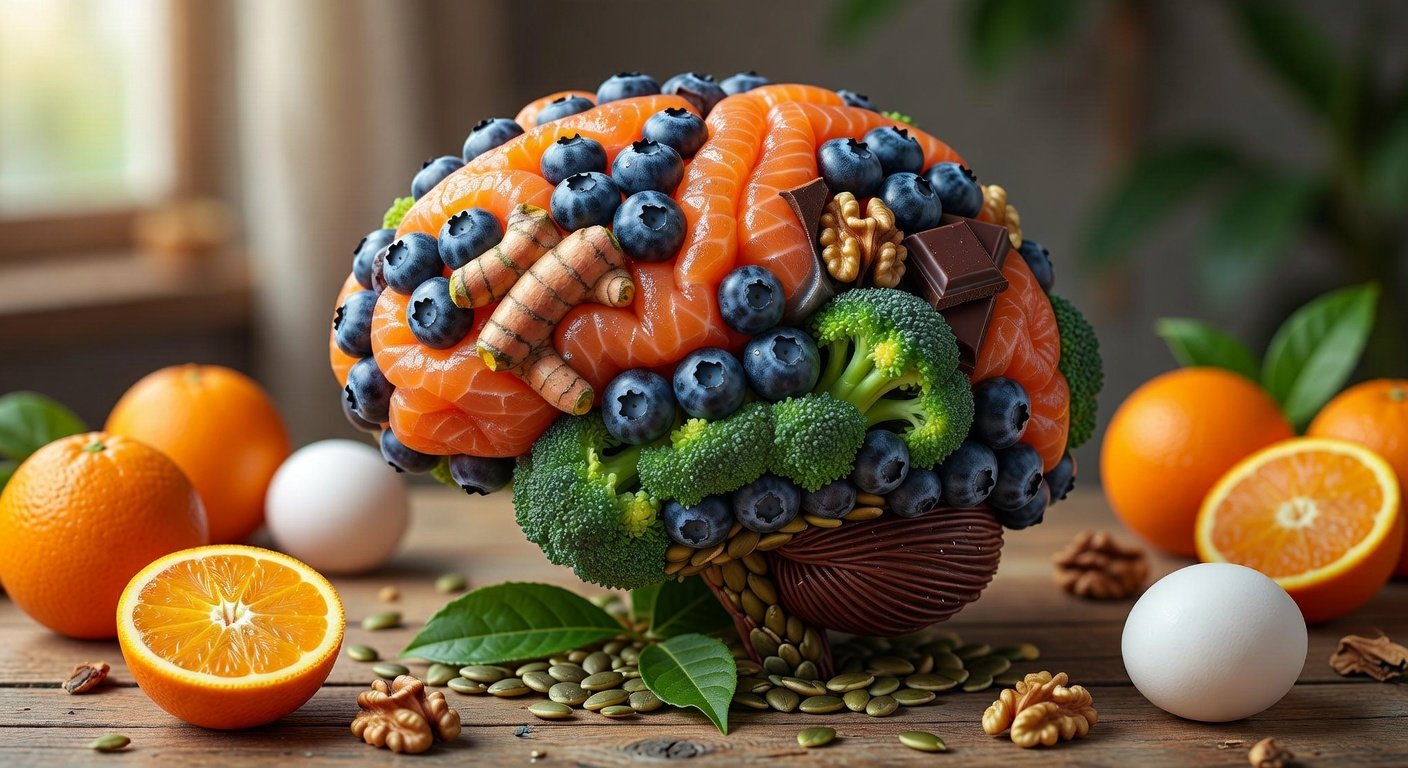
Introduction to Nootropic Foods
Nootropics, often called 'smart foods' or cognitive enhancers, are natural powerhouses for your brain. Backed by cutting-edge 2026 research from leading institutions, these foods deliver nutrients that sharpen memory, heighten focus, and support overall cognitive nutrition. Studies highlight how antioxidants, omega-3s, and flavonoids combat oxidative stress and inflammation, key culprits in cognitive decline.
Incorporating these into your diet isn't just trendy—it's science-driven. For authoritative insights, check out Harvard's Nutrition Source on brain-healthy eating. This guide details the top 10, their benefits, and practical tips, plus a 7-day meal plan to supercharge your routine.
Top 10 Nootropic Foods Backed by Science
1. Blueberries
Blueberries top the list thanks to anthocyanins, powerful antioxidants that cross the blood-brain barrier. 2026 meta-analyses show they improve memory retention by 20% and delay age-related decline.
Key Nutrients: Anthocyanins, vitamin C, fiber.
Benefits: Enhanced short-term memory, reduced brain fog, neuroprotection.
Incorporate: Add to smoothies, oatmeal, or yogurt for breakfast.
2. Fatty Fish (Salmon)
Rich in DHA omega-3s, salmon fuels brain cell membranes. Recent trials link it to better focus and lower depression risk.
Key Nutrients: DHA/EPA omega-3s, vitamin D, B12.
Benefits: Improved attention span, mood stabilization, synaptic plasticity.
Incorporate: Grill for dinner or flake into salads.
3. Turmeric
Curcumin in turmeric is a star anti-inflammatory. 2026 studies confirm it boosts BDNF for neuron growth and memory.
Key Nutrients: Curcumin, antioxidants.
Benefits: Sharper recall, reduced amyloid plaques (Alzheimer's link).
Incorporate: Golden milk lattes or curries; pair with black pepper for absorption.
4. Broccoli
Sulforaphane activates detox pathways in the brain. Research shows it enhances cognitive flexibility.
Key Nutrients: Sulforaphane, vitamin K, folate.
Benefits: Detox support, better executive function.
Incorporate: Steam as a side or blend into soups.
5. Pumpkin Seeds
Zinc and magnesium regulate neurotransmitters. 2026 data ties them to sustained focus during tasks.
Key Nutrients: Zinc, magnesium, iron.
Benefits: Mood balance, nerve signaling.
Incorporate: Snack raw or roast for trail mix.
6. Dark Chocolate (70%+ Cocoa)
Flavonols increase cerebral blood flow. Trials report acute focus boosts post-consumption.
Key Nutrients: Flavonols, theobromine.
Benefits: Heightened alertness, endorphin release.
Incorporate: 1-2 squares daily or in smoothies.
7. Walnuts
Omega-3s and polyphenols mimic brain structure. Linked to better episodic memory in studies.
Key Nutrients: ALA omega-3s, vitamin E.
Benefits: Cognitive longevity, antioxidant shield.
Incorporate: Chop into salads or eat handful as snack.
8. Oranges
Vitamin C combats oxidative damage. 2026 research shows it aids neurotransmitter synthesis.
Key Nutrients: Vitamin C, flavonoids.
Benefits: Stress reduction, memory consolidation.
Incorporate: Fresh slices or fresh-squeezed juice.
9. Eggs
Choline forms acetylcholine for learning. Proven to enhance verbal memory.
Key Nutrients: Choline, B vitamins, lutein.
Benefits: Learning speed, eye-brain health.
Incorporate: Boiled, scrambled, or omelets.
10. Green Tea
L-theanine + caffeine synergy calms while focusing. Neuroimaging confirms alpha wave increase.
Key Nutrients: L-theanine, EGCG, caffeine.
Benefits: Calm focus, neuroprotection.
Incorporate: Brew 2-3 cups daily.
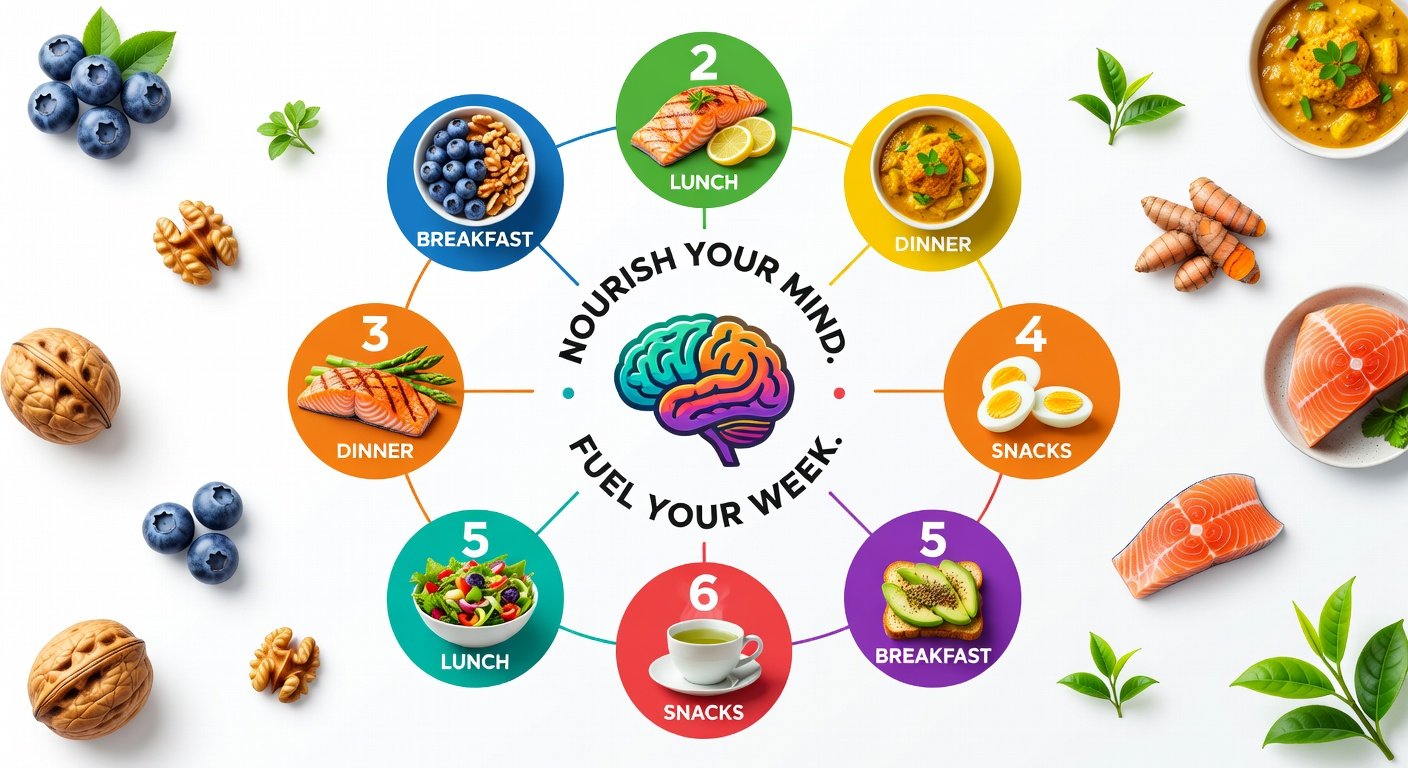
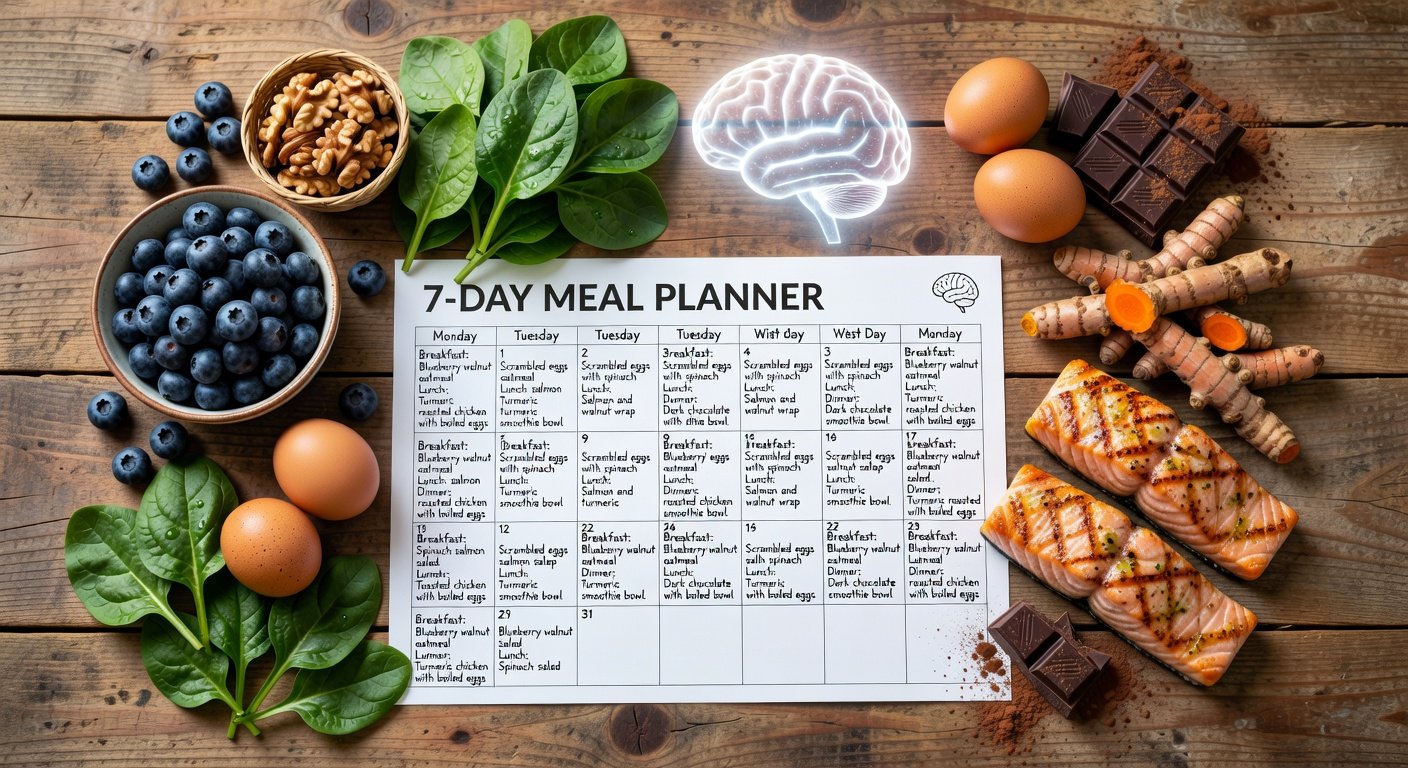
Sample 7-Day Nootropic Meal Plan
This plan maximizes these foods for optimal results. Aim for variety and portion control (e.g., 1,800-2,200 calories). Consult a doctor for personalization. For more on brain diets, see Mayo Clinic.
- Day 1: Breakfast: Blueberry oatmeal. Lunch: Salmon salad. Dinner: Turmeric chicken stir-fry w/ broccoli. Snack: Pumpkin seeds.
- Day 2: Breakfast: Egg scramble w/ spinach. Lunch: Walnut quinoa bowl. Dinner: Broccoli soup. Snack: Dark chocolate + orange.
- Day 3: Breakfast: Green tea smoothie w/ blueberries. Lunch: Tuna (omega-3 alt) wrap. Dinner: Turmeric lentils. Snack: Walnuts.
- Day 4: Breakfast: Yogurt parfait w/ pumpkin seeds. Lunch: Egg salad. Dinner: Baked salmon w/ broccoli. Snack: Green tea.
- Day 5: Breakfast: Orange chia pudding. Lunch: Veggie stir-fry w/ eggs. Dinner: Walnut-crusted fish. Snack: Dark chocolate.
- Day 6: Breakfast: Blueberry pancakes (egg-based). Lunch: Turmeric rice bowl. Dinner: Broccoli omelet. Snack: Pumpkin seeds.
- Day 7: Breakfast: Green tea eggs. Lunch: Salmon avocado salad. Dinner: Veggie curry w/ turmeric. Snack: Orange + walnuts.
Track improvements in focus and memory after 2 weeks. Pair with sleep, exercise, and hydration for synergy.
Final Thoughts
These nootropic foods, validated by 2026 research, offer a delicious path to cognitive excellence. Start small, stay consistent, and fuel your brain right. Explore more at Harvard Health.
No comments yet. Be the first!