 Func Eats
Introduction to High-Protein Salad Builds
Creating satisfying dinners that deliver substantial protein without hours in the kitchen is easier than many realize. High-protein salads have evolved into complete meals that support muscle maintenance, satiety, and balanced nutrition. In 2026, the focus remains on efficient assembly techniques that combine fresh greens, quality proteins, and flavorful dressings to exceed 30 grams of protein per serving while staying under 15 minutes of active time. These meals provide a practical solution for busy individuals seeking nutrient-dense options that align with health goals such as weight management and sustained energy throughout the evening.
The appeal lies in their versatility and minimal equipment needs. Unlike traditional hot dinners that require constant monitoring, these salads allow for parallel preparation of components. Research from authoritative sources highlights the benefits of protein-rich plant and lean animal combinations for overall wellness. By mastering a few core techniques, home cooks can consistently produce restaurant-quality results at home. This approach avoids the common pitfall of bland or unsatisfying meals that fail to keep hunger at bay until bedtime.
Step-by-Step Layering Techniques
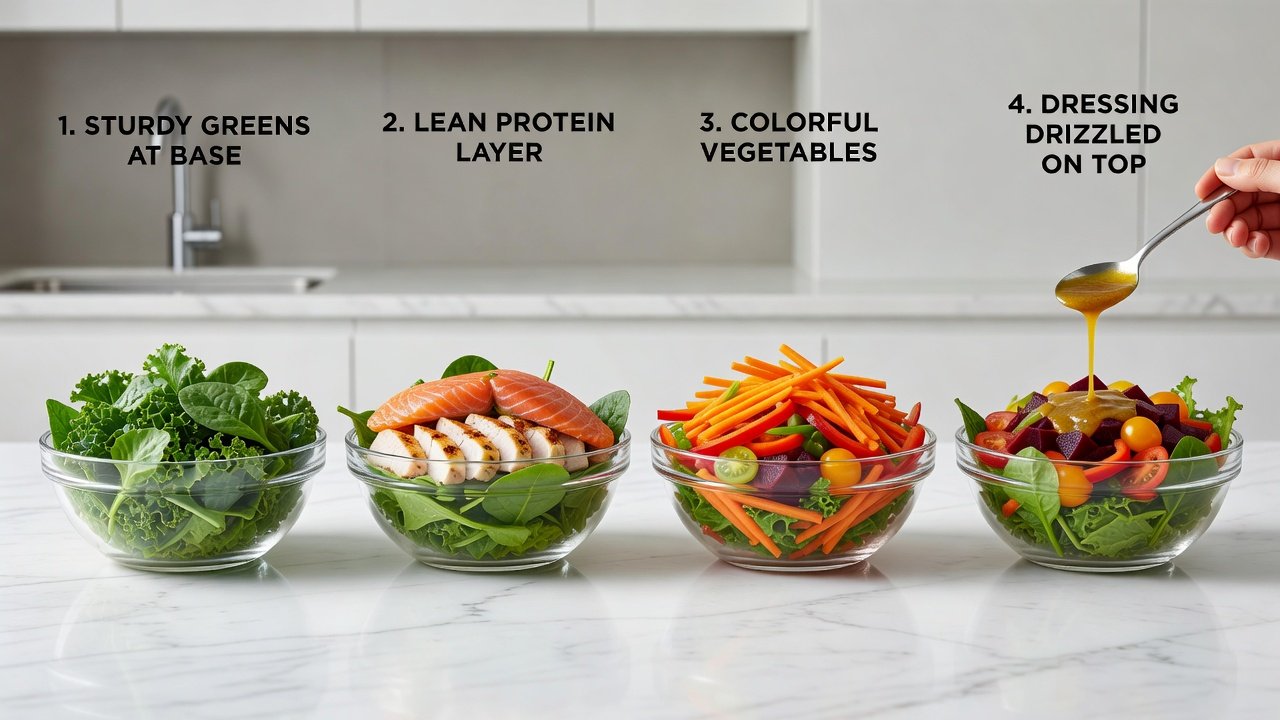
Successful high-protein salads rely on proper order to preserve texture and maximize flavor distribution. Begin with a bed of sturdy greens such as romaine, kale, or spinach to create structure and prevent the base from becoming soggy. These greens offer volume and fiber while serving as a canvas for other ingredients. Next, add your primary protein source directly onto the greens to anchor the dish and allow any juices or marinades to infuse downward.
Follow with moisture-resistant vegetables like cucumbers, bell peppers, or shredded carrots that add crunch without releasing excess water. Then incorporate cooked grains or legumes for additional protein and complex carbohydrates that promote fullness. Examples include quinoa for its complete amino acid profile or lentils for their earthy flavor and quick cooking time. Finish with toppings such as nuts, seeds, or herbs, and apply dressing just before serving to maintain crispness.
This method ensures every bite delivers balanced flavor and nutrition. For instance, placing proteins directly on greens allows dressings to coat them evenly without wilting delicate leaves prematurely. Common mistakes include mixing everything at once, which leads to uneven seasoning, or using overly wet ingredients at the base layer. To avoid these issues, prepare components separately and assemble in a large bowl for thorough tossing. Experiment with seasonal additions like roasted beets or fresh herbs to vary the profile while keeping the layering sequence intact.
Recipe 1: Grilled Shrimp and Lentil Power Bowl
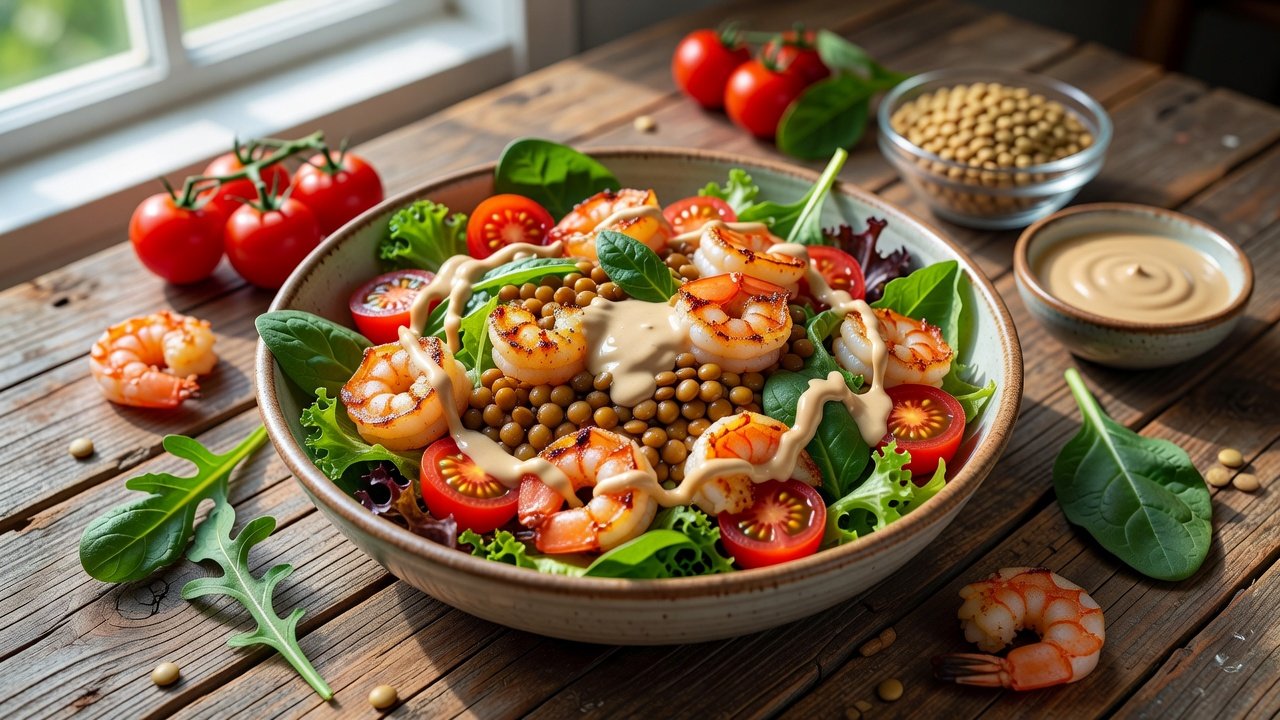
This omnivore favorite combines lean seafood with plant protein for a robust 38 grams of protein per serving. Prep time totals 12 minutes using pre-cooked lentils and quick-grill shrimp. Start by seasoning shrimp with garlic and lemon before a brief sear in a hot pan. Layer over mixed greens, add halved cherry tomatoes and sliced cucumber for freshness, then top with the lentils and a tahini-lemon dressing made from tahini, lemon juice, garlic, and a touch of water for pourability.
Macros per serving: 38g protein, 22g carbohydrates, 14g fat, 380 calories. The combination provides omega-3 benefits from the shrimp alongside fiber from the lentils, making it ideal for post-workout recovery or family dinners. For variations, swap shrimp for chicken strips or add olives for Mediterranean flair.
Recipe 2: Vegan Chickpea and Quinoa Salad
Designed for plant-based eaters, this version uses chickpeas and quinoa to reach 32 grams of protein. Assembly takes 10 minutes with canned chickpeas and leftover quinoa. Roast the chickpeas with smoked paprika for enhanced flavor and crunch. Build on a base of baby spinach and arugula, add shredded carrots and thinly sliced red onion, then drizzle with a herbed dressing using plant-based yogurt, dill, and vinegar.
Macros per serving: 32g protein, 45g carbohydrates, 12g fat, 410 calories. This recipe demonstrates how legumes and grains create a complete protein source. Practical tips include rinsing canned chickpeas to reduce sodium and batch-cooking quinoa on weekends for multiple meals.
Recipe 3: Turkey and Edamame Crunch Bowl
A quick-cook option featuring lean turkey and edamame for 35 grams of protein, ideal for busy weeknights. Use deli turkey or quickly pan-sear fresh slices. Layer over romaine with broccoli florets, avocado chunks, and shelled edamame. Finish with a sesame-ginger dressing of soy sauce alternative, ginger, sesame oil, and honey or maple syrup.
Macros per serving: 35g protein, 18g carbohydrates, 16g fat, 370 calories. The edamame adds isoflavones and additional plant protein, while avocado contributes healthy fats for satiety. This bowl excels as a make-ahead lunch option when components are stored separately.
Time-Saving Prep Comparisons
Batch-cooking proteins on weekends cuts daily assembly to under 15 minutes. Pre-grilled shrimp or roasted chickpeas store well for 3-4 days in the refrigerator. Compared to traditional cooking methods that involve boiling, baking, and extensive chopping, these salad builds reduce active kitchen time by approximately 60 percent while maintaining nutritional density. Omnivore versions benefit from pre-portioned proteins like pre-cooked turkey slices, while vegan builds leverage canned legumes for instant use without compromising on 30g+ targets.
Consider a side-by-side comparison: a standard hot dinner might require 30-45 minutes of cooking plus cleanup, whereas these layered salads involve 5 minutes of chopping and 5 minutes of assembly. Invest in tools like a good knife and storage containers to streamline further. For families, prepare a base salad and offer protein toppings separately to accommodate different preferences efficiently.
Practical Swaps for Vegan and Omnivore Preferences
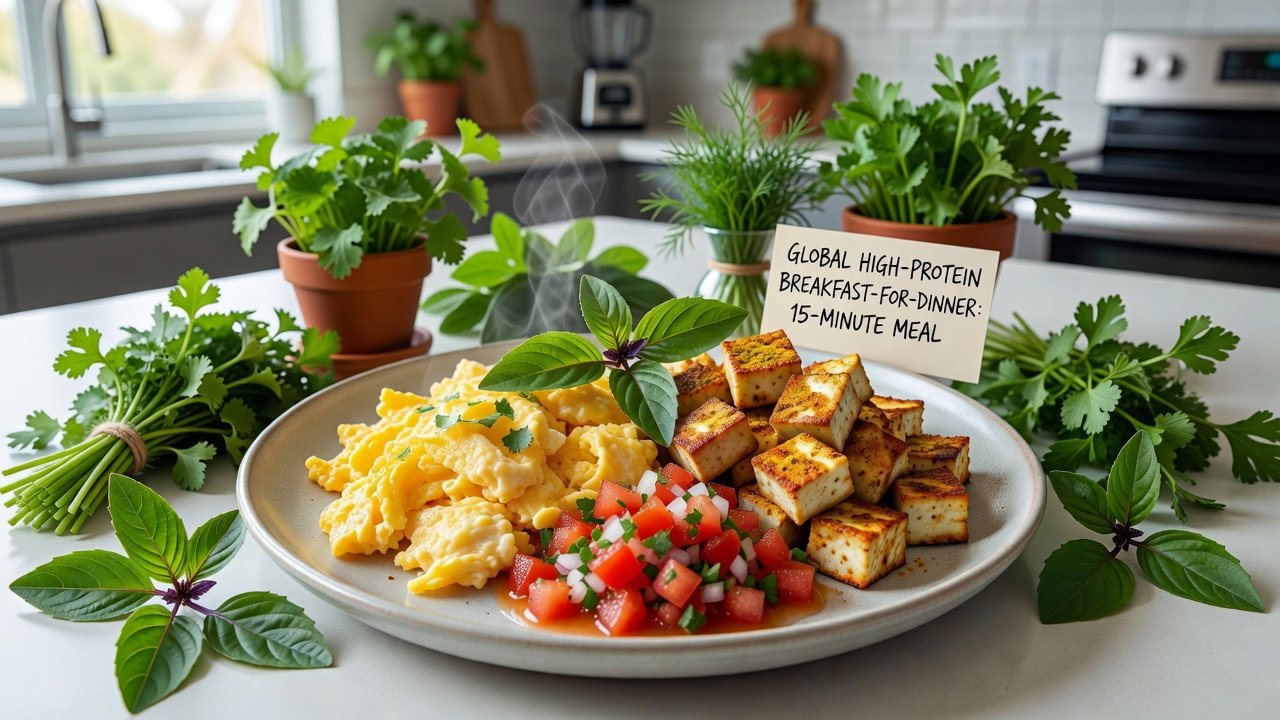
Omnivores can substitute shrimp or turkey with tofu or tempeh for seamless vegan transitions without losing protein targets. Conversely, vegans may incorporate Greek yogurt alternatives or nutritional yeast for umami depth in dressings. Always adjust dressing acidity to balance swapped ingredients. Additional swaps include using black beans instead of lentils or adding pumpkin seeds for extra crunch and minerals. These adaptations keep meals engaging across dietary needs and prevent repetition in weekly rotations.
Storage FAQs
How long do assembled salads last? Undressed components keep 4 days in airtight containers. Dress just before eating to preserve crispness and avoid wilting.
Can dressings be made ahead? Yes, bold dressings like tahini or sesame-ginger versions store up to 7 days refrigerated in glass jars for easy shaking.
Best practices for meal prep? Layer dry ingredients first and keep proteins separate until serving day for optimal texture and food safety.
How to reheat components if desired? Proteins like shrimp or turkey can be gently warmed in a microwave for 30 seconds before adding to the cold salad base.
What about freezing? Avoid freezing assembled salads as greens lose structure, but pre-cooked lentils and quinoa freeze well for up to one month.
Common Mistakes to Avoid
Many beginners overload the bowl with too many wet ingredients at once, leading to a soggy result. Another frequent error is under-seasoning the dressing, which makes the entire salad taste flat despite quality ingredients. Always taste and adjust seasoning. Finally, neglecting portion control on calorie-dense toppings like avocado or nuts can push totals beyond intended macros.
These formulas deliver reliable, filling dinners that align with modern demands for speed and nutrition. Experiment with seasonal produce while maintaining the core layering order for consistent results that support long-term healthy eating habits.
No comments yet. Be the first!