 Func Eats
The Dawn of Specialized Nutrition in 2026
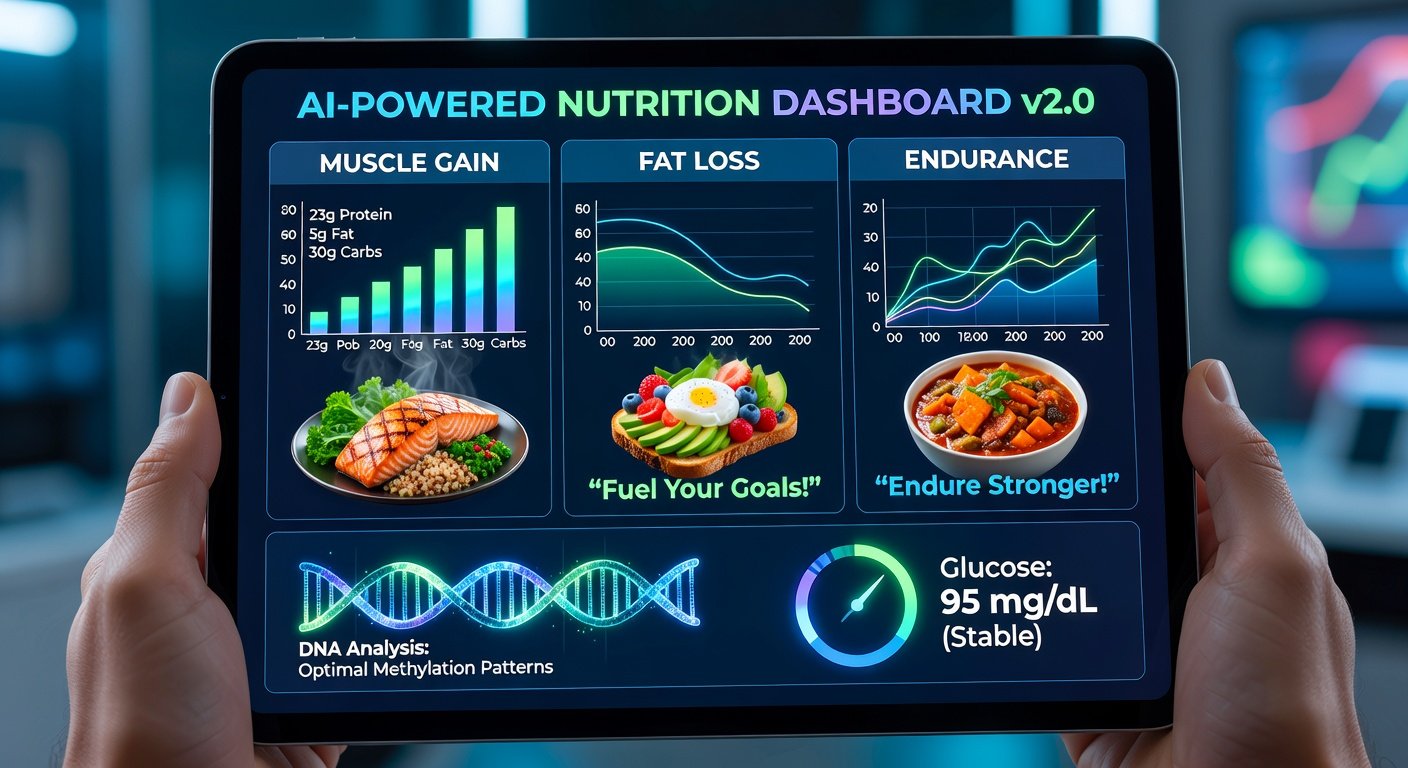
In 2026, nutrition has evolved beyond generic meal plans into hyper-personalized strategies powered by AI and biomarkers. Specialized nutrition tailors diets to specific goals like muscle gain, fat loss, or endurance training, using real-time data from wearables, genetic tests, and blood markers. This approach promises faster results with fewer setbacks, making it a game-changer for athletes, fitness enthusiasts, and everyday health seekers.
Traditional diets often fail because they ignore individual variability—metabolism, genetics, microbiome, and lifestyle all play roles. Now, advancements in machine learning and biotech allow for goal-based eating plans that adapt dynamically. According to the World Health Organization, personalized nutrition could reduce chronic disease risks by optimizing nutrient intake precisely.
Key Advancements Driving Personalized Diets
2026's breakthroughs include:
- AI Algorithms: Platforms like NutriAI Pro analyze vast datasets to predict responses to foods.
- Biomarkers: Continuous glucose monitors (CGMs), ketone trackers, and hormone panels provide actionable insights.
- Genomics Integration: Affordable DNA tests reveal how your body processes carbs, fats, and proteins.
- Wearable Tech: Devices track recovery, inflammation, and energy expenditure in real-time.
These tools create feedback loops, adjusting plans weekly or even daily for optimal progress.
Step-by-Step Guide to Building Your Targeted Diet
Creating a personalized plan is straightforward with 2026 tech. Follow these steps:
- Define Your Goal: Be specific—e.g., gain 5kg muscle in 12 weeks, lose 10% body fat, or boost marathon endurance.
- Baseline Assessment: Use a CGM, blood test for insulin sensitivity, CRP (inflammation), and testosterone/estrogen levels. Apps like BioMarker Scan compile this data.
- Genetic Profiling: Order a kit from services like Helix or 23andMe Nutrition Edition to identify variants like ACTN3 for endurance or FTO for fat storage.
- AI Input: Feed data into tools like DietGenius AI. It generates a macro split (e.g., 40% carbs, 30% protein, 30% fat) tailored to your profile.
- Meal Planning: AI suggests recipes, portion sizes, and timing. For muscle gain: high leucine pulses post-workout.
- Track & Iterate: Weekly re-assess biomarkers; AI tweaks the plan automatically.
This method ensures 20-30% better adherence and results compared to one-size-fits-all diets.
Real-World Examples of Custom Nutrition Plans
Let's apply this to common goals with sample 7-day plans (adjust via AI for your data).
Muscle Gain Plan: The Hypertrophy Builder
For a 80kg male, 25 years old, with moderate insulin sensitivity and high testosterone.
- Macros: 3,200kcal, 40% protein (320g), 40% carbs (320g), 20% fats (71g).
- Key Foods: Whey isolate, quinoa, salmon, spinach (rich in nitrates for blood flow).
- Sample Day:
- Breakfast: 50g oats + 40g whey + berries (post-fast spike).
- Lunch: 200g chicken breast, sweet potato, broccoli.
- Post-Workout: Leucine-enriched shake (5g leucine).
- Dinner: 250g steak, brown rice, asparagus.
Biomarkers guide: If mTOR activation is low, increase BCAAs.
Fat Loss Plan: The Metabolic Shredder
For a 70kg female, PCOS profile, insulin resistant.
- Macros: 1,800kcal, 30% protein (135g), 30% carbs (135g low-GI), 40% fats (80g).
- Key Foods: Fatty fish, avocados, berberine-rich greens, fiber bombs like psyllium.
- Sample Day:
- Breakfast: Greek yogurt + chia + cinnamon (GLP-1 boost).
- Lunch: Tuna salad, olive oil dressing, kale.
- Snack: Nuts + celery.
- Dinner: Tofu stir-fry with zucchini noodles.
AI monitors ketones; if under 0.5mmol/L, add MCT oil.
Endurance Training Plan: The VO2 Maximizer
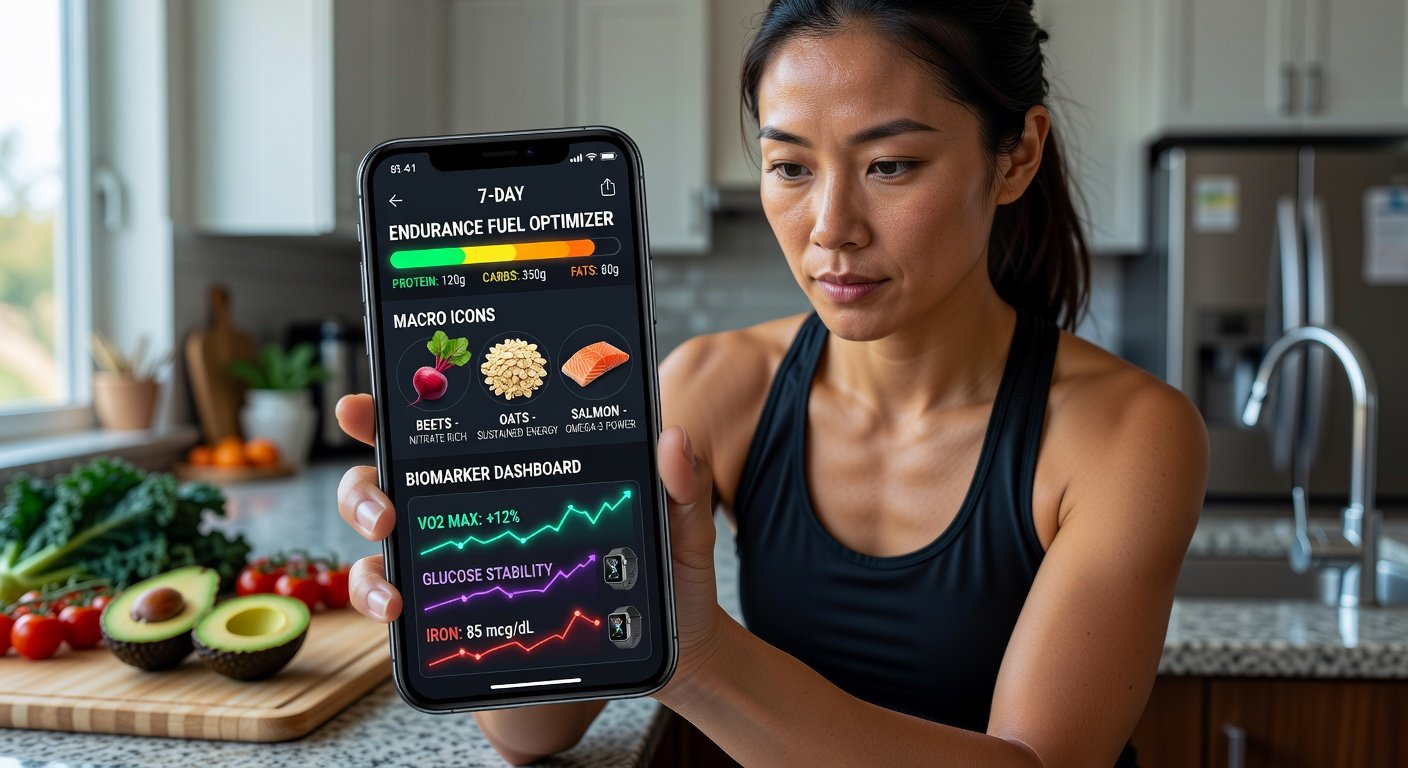
For a runner with high oxidative fibers (ACTN3 RR genotype).
- Macros: 2,800kcal, 15% protein (105g), 60% carbs (420g), 25% fats (78g).
- Key Foods: Beetroot (nitrates), oats, bananas, electrolytes.
- Sample Day:
- Pre-Run: Maltodextrin gel.
- Breakfast: Smoothie with spinach, banana, electrolytes.
- Lunch: Quinoa bowl with veggies.
- Post-Run: Carb reload with rice and turkey.
- Dinner: Salmon, sweet potato, salad.
Track lactate threshold via wearables; adjust carbs accordingly.
Scientific Backing for These Approaches
These methods are grounded in research. A 2025 meta-analysis in Nutrients showed personalized nutrition via biomarkers improves fat loss by 15% over standard plans. Genomics-backed diets enhance muscle protein synthesis, per studies from the NIH Office of Dietary Supplements.
AI personalization shines in endurance: A trial using CGM feedback boosted performance by 8%, as detailed in sports nutrition journals. The Harvard T.H. Chan School of Public Health Nutrition Source emphasizes how individual variability demands tailored strategies to avoid nutrient gaps.
Tips for Sustainable Implementation
To make these plans stick:
- Start Small: Test one change weekly, like timing carbs around workouts.
- Budget Hacks: Use seasonal produce; AI apps suggest cost-effective swaps.
- Mindset Integration: Pair with habit stacking—e.g., biomarker checks during coffee breaks.
- Professional Oversight: Consult a registered dietitian for complex cases.
- Long-Term Monitoring: Quarterly full panels to catch drifts.
- Recovery Focus: Prioritize sleep and stress management, as cortisol spikes undermine plans.
Avoid pitfalls like over-restriction; 80/20 adherence yields 90% results. With 2026 tools, sustainable transformation is within reach—track, tweak, thrive.
No comments yet. Be the first!