 Func Eats
Why 15-Minute Vegan Recipes Fit Busy 2026 Lifestyles
Plant-based eating continues to grow as individuals seek quick healthy meals that deliver sustained energy, better digestion, and long-term wellness without relying on animal products. In 2026, demanding work schedules, family commitments, and urban living make 15-minute vegan recipes an essential solution. These meals emphasize nutrient-dense ingredients such as legumes for plant protein and fiber, leafy greens for vitamins and minerals, and whole grains for complex carbohydrates that stabilize blood sugar. Unlike processed convenience foods, they provide balanced nutrition that supports immunity and reduces inflammation. Research from the World Health Organization highlights how diets rich in vegetables, legumes, and grains contribute to lower risks of chronic conditions. Busy professionals and parents appreciate how these recipes eliminate the need for lengthy cooking while still offering restaurant-quality flavors at home.
Time-Saving Prep Hacks for Vegan Cooking
Effective meal preparation starts with smart organization. Batch-cook base ingredients like quinoa, brown rice, or lentils during weekend downtime and store them in airtight containers for up to four days. Always keep pantry staples such as canned chickpeas, black beans, and pre-washed salad mixes in rotation. Frozen vegetables retain nutrients and require zero chopping, making them ideal for stir-fries or soups. Invest in a quality chef’s knife and use mise en place by measuring spices and sauces before heating the pan. One-pan or one-pot techniques minimize cleanup, while sheet-pan roasting with parchment paper allows hands-off cooking. For even faster assembly, pre-portion sauces in small jars and label them clearly. These hacks transform a potentially rushed evening into a streamlined process that consistently produces meals in under fifteen minutes.
Nutrient-Dense Ingredients: Legumes, Greens, and Whole Grains
Understanding the building blocks of these recipes ensures every plate delivers maximum nutrition. Legumes like lentils and chickpeas supply complete protein when combined with grains, plus soluble fiber that aids digestion. Leafy greens such as spinach, kale, and arugula deliver folate, iron, and antioxidants with minimal calories. Whole grains including quinoa, farro, and oats provide sustained energy through complex carbohydrates and B vitamins. Together they create satisfying meals that prevent mid-afternoon energy crashes. Rotating these ingredients prevents boredom and supplies a broad spectrum of micronutrients recommended for daily health.
8 Quick 15-Minute Vegan Recipe Examples
Below are eight practical recipes with clear step-by-step instructions designed for speed and flavor.
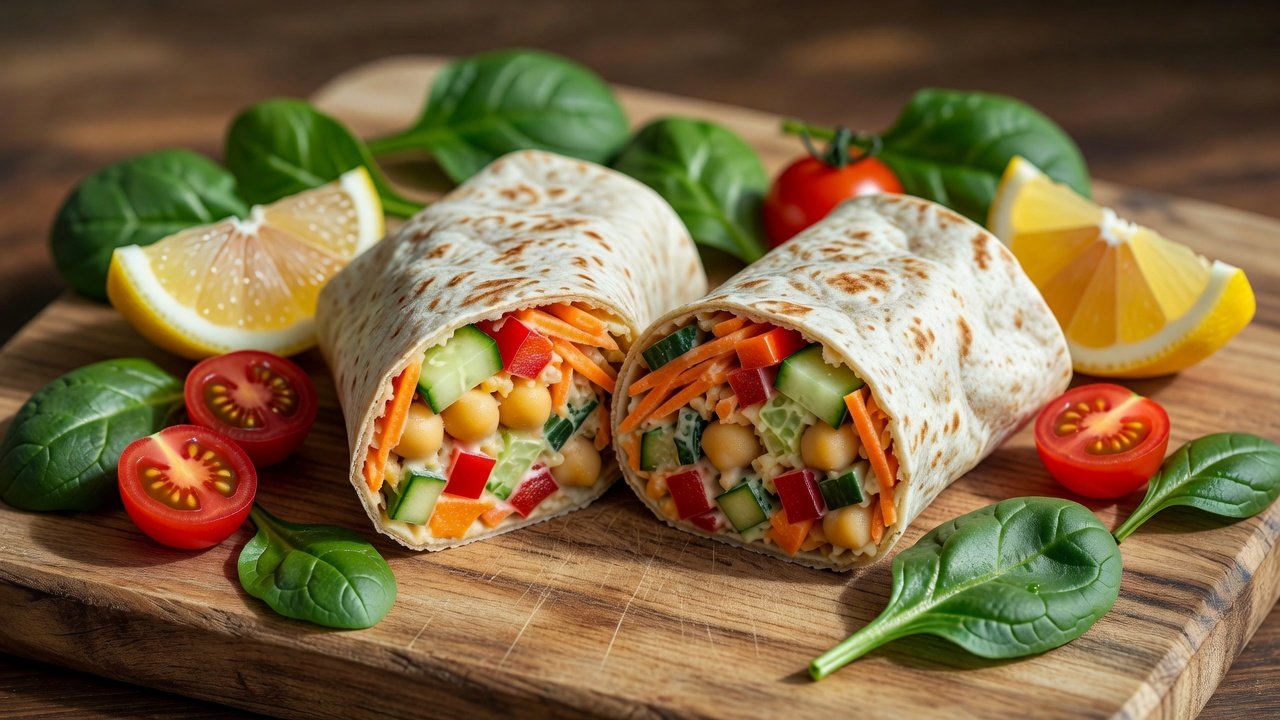
1. Chickpea Salad Wraps
Drain and rinse one can of chickpeas. Mash with two tablespoons tahini, juice of one lemon, cumin, and salt. Spread onto whole-grain wraps, add spinach leaves and sliced tomatoes, then roll tightly. Total time: 10 minutes.
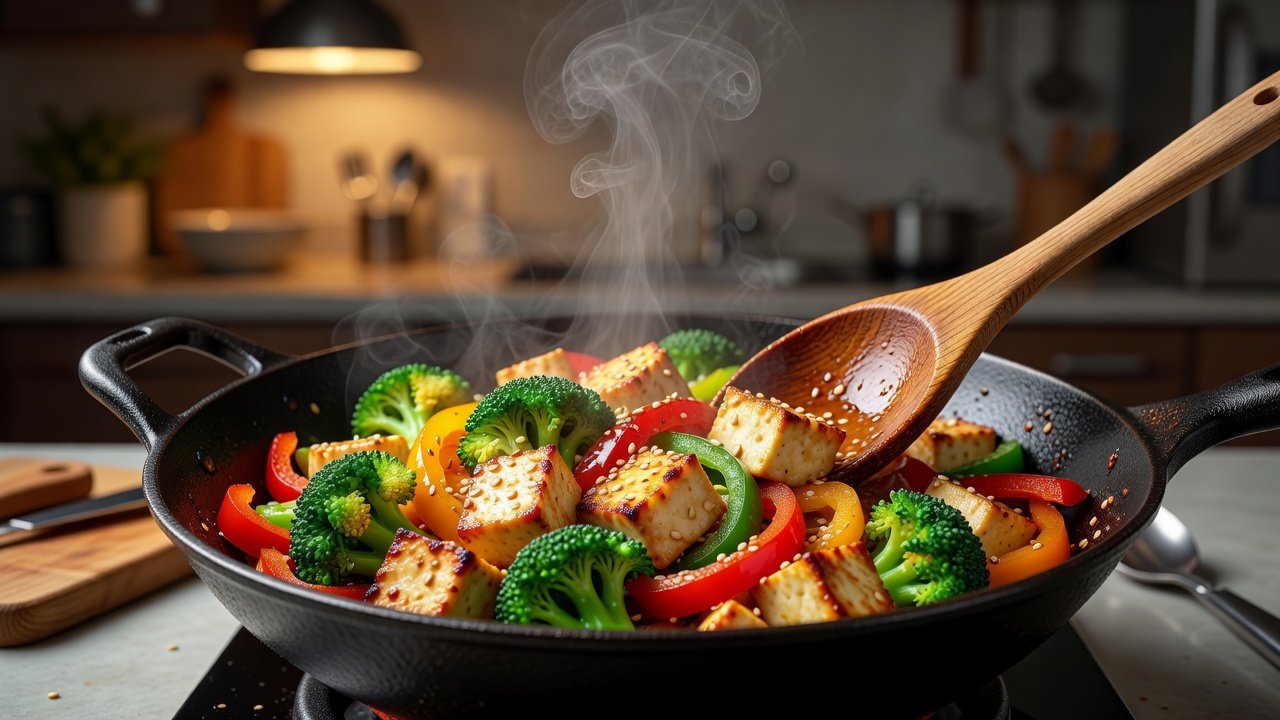
2. Tofu Vegetable Stir-Fry
Press firm tofu for two minutes, cube it, and sauté in sesame oil with minced garlic. Add broccoli florets and bell pepper strips. Stir in low-sodium soy sauce and serve over microwave rice. Ready in 15 minutes.
3. Creamy Avocado Pasta
Boil pasta for eight minutes while blending one ripe avocado, fresh basil, garlic clove, lemon juice, and olive oil. Drain pasta, toss with sauce, and top with halved cherry tomatoes.
4. One-Pot Lentil Soup
Combine rinsed canned lentils, diced carrots, celery, vegetable broth, and cumin in a pot. Simmer five minutes, stir in fresh spinach, and season with black pepper.
5. Quinoa Buddha Bowl
Layer pre-cooked quinoa with shelled edamame, cucumber slices, shredded carrots, and red cabbage. Drizzle with a quick tahini-lemon dressing and sprinkle sesame seeds.
6. Black Bean Tacos
Warm corn tortillas in a dry skillet. Fill with mashed black beans seasoned with chili powder, top with shredded cabbage slaw, salsa, and avocado slices.
7. Garlic Mushroom Toast
Sauté sliced mushrooms and garlic in olive oil, add spinach until wilted. Spoon mixture over toasted whole-grain bread and finish with nutritional yeast.
8. Peanut Noodle Salad
Cook rice noodles, rinse cold, then toss with shredded carrots, cucumber, and a sauce of peanut butter, lime juice, and sriracha. Garnish with chopped peanuts.
Flavor-Boosting Tips Without Animal Products
Creating depth without dairy or meat requires strategic seasoning. Nutritional yeast adds a savory, cheesy note to sauces and popcorn. Smoked paprika and liquid smoke replicate grilled flavors in minutes. Fresh herbs like cilantro and parsley brighten any dish, while citrus zest and vinegar provide acidity that balances richness. Miso paste and soy sauce deliver umami, and roasted garlic or chili flakes introduce complexity. Experiment by blooming spices in hot oil for thirty seconds before adding vegetables. These techniques ensure meals taste restaurant-quality rather than bland.
Comparing Vegan Meals to Traditional Takeout
Preparing 15-minute vegan dishes at home consistently outperforms takeout in both health and value. Homemade versions contain higher fiber and phytonutrients while avoiding excess sodium and added oils typical of restaurant meals. They also eliminate single-use packaging and support more sustainable food choices. Over a month, regular home cooking leads to noticeable improvements in energy levels and digestion compared with frequent delivery orders.
Sample Grocery List for the Week
- Canned chickpeas, black beans, and lentils (multiple cans)
- Firm tofu and frozen edamame
- Quinoa, brown rice, and whole-grain wraps or tortillas
- Pre-washed spinach, kale, broccoli, bell peppers, and tomatoes
- Avocados, lemons, limes, tahini, and assorted spices
- Nutritional yeast, miso paste, and low-sodium soy sauce
- Fresh herbs and cherry tomatoes for finishing touches
Variations for Different Dietary Needs
Adapt recipes easily for personal preferences. Replace wheat wraps with lettuce leaves or gluten-free tortillas for celiac needs. Boost protein further by adding pumpkin seeds or hemp hearts. For lower-carb versions, swap grains with extra vegetables or cauliflower rice. Nut-free households can use sunflower seed butter instead of tahini or peanut sauce. These flexible options make the recipes inclusive for families with mixed dietary requirements.
FAQ on Common Vegan Substitutions
- How do I replace eggs in baking? Use one tablespoon ground flaxseed mixed with three tablespoons water per egg; it gels similarly.
- What works instead of dairy milk? Unsweetened almond, oat, or soy milk perform well in smoothies and sauces.
- Is there a cheese alternative? Nutritional yeast or store-bought vegan shreds melt and taste convincingly savory.
- Can I make these recipes oil-free? Sauté in vegetable broth or use a non-stick pan with a splash of water.
Conclusion
Mastering 15-minute vegan recipes transforms plant-based eating from a chore into an enjoyable daily habit. With thoughtful ingredient choices, efficient prep strategies, and creative seasoning, anyone can prepare quick healthy meals that nourish the body and fit seamlessly into hectic 2026 routines. Start with one or two recipes this week and gradually expand your repertoire for lasting benefits.

No comments yet. Be the first!