 Func Eats
Introduction: How an Anti-Inflammatory Diet Combats Fatigue
Chronic low-grade inflammation is a hidden driver of persistent fatigue for many people. By focusing on foods that reduce inflammation, support mitochondrial function, and stabilize blood sugar, an anti-inflammatory diet can restore steady energy levels. This approach targets the root causes rather than masking symptoms with caffeine or sugar spikes. Everyday stressors, poor sleep, and processed foods contribute to elevated inflammatory markers that drain vitality over time. Adopting targeted nutrition helps reverse these effects naturally.
Research from major health authorities shows that diets rich in omega-3s and antioxidants help lower inflammatory markers like CRP. When combined with practical 2026 habits such as seasonal buying, the results become sustainable and cost-effective. Readers seeking lasting energy often notice improvements in focus and mood within weeks of consistent implementation.
Understanding the Science: Inflammation, Mitochondria, and Blood Sugar
Chronic inflammation disrupts cellular energy production by damaging mitochondria, the powerhouses inside cells. This leads to reduced ATP output and feelings of exhaustion. Antioxidant-rich foods neutralize free radicals, while omega-3 fatty acids support cell membrane integrity and reduce pro-inflammatory cytokines. Steady blood sugar prevents insulin spikes that promote inflammation. Together, these mechanisms create a foundation for all-day energy without crashes.
Examples include swapping refined carbs for fiber-rich vegetables, which slows glucose absorption. Studies link higher intake of these compounds to improved energy scores in adults. Integrating this knowledge helps beginners make informed swaps in daily meals.
Key Foods That Support Energy Through Reduced Inflammation
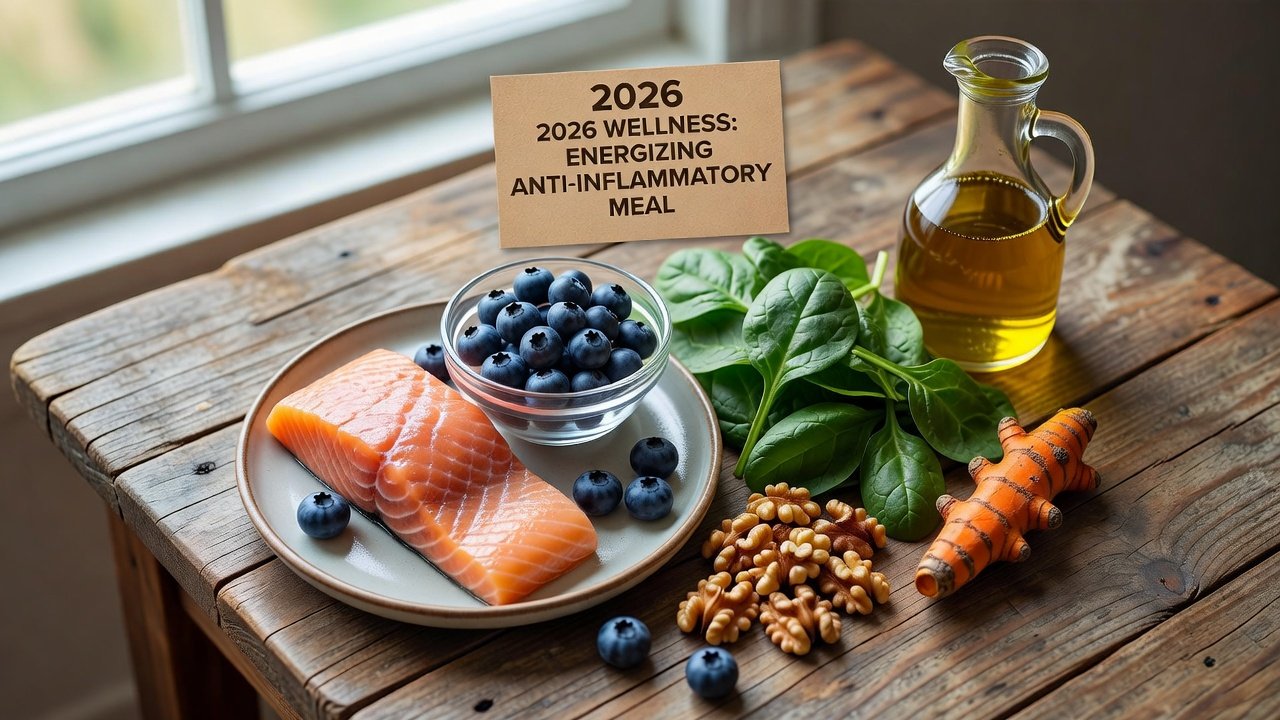
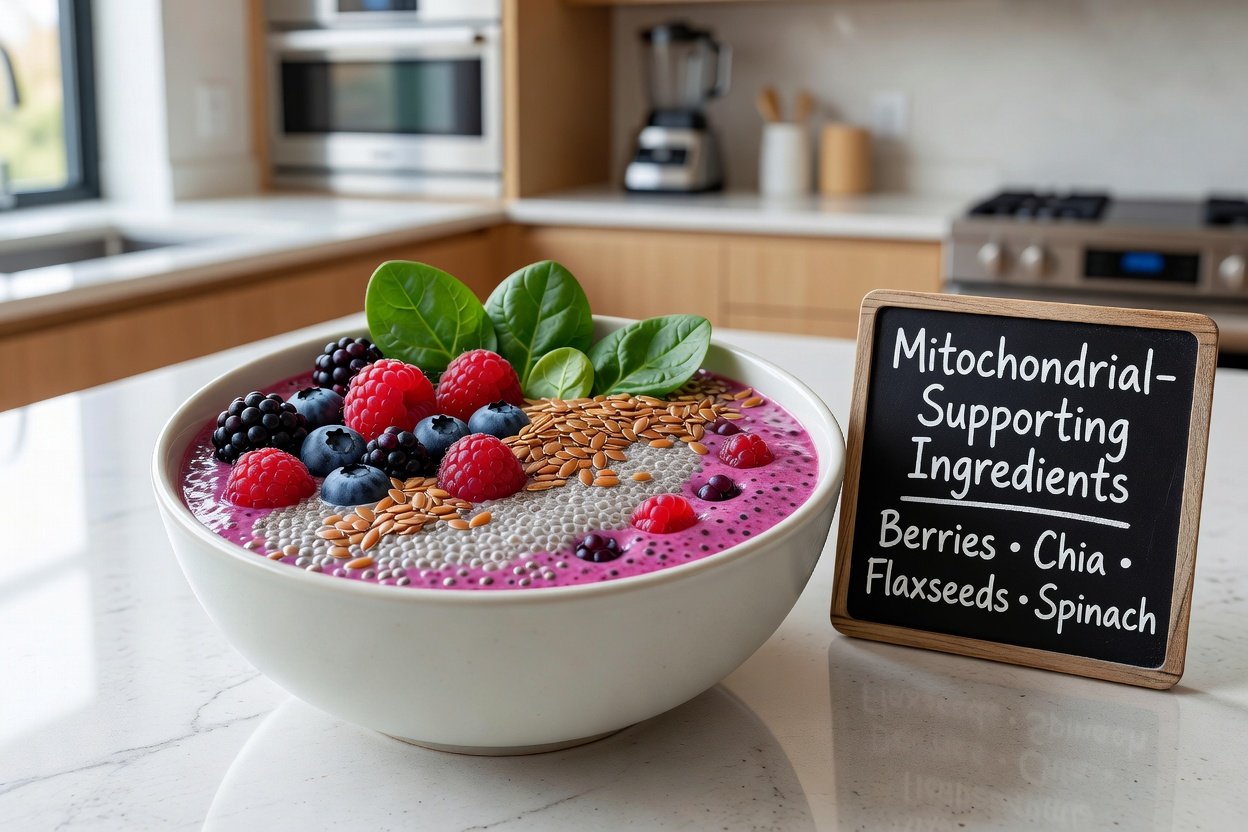
Focus on whole foods that deliver anti-inflammatory compounds. Fatty fish provide omega-3s that improve mitochondrial efficiency. Berries and leafy greens supply antioxidants that protect cells from oxidative stress. Nuts and seeds offer healthy fats and fiber for steady blood sugar.
- Salmon, sardines, and mackerel for EPA and DHA – aim for two servings weekly to support brain and muscle energy
- Blueberries, strawberries, and spinach for polyphenols that combat oxidative damage
- Walnuts, chia seeds, and flaxseeds for plant-based omega-3s that lower inflammation markers
- Turmeric, ginger, and olive oil for curcumin and oleocanthal compounds shown to ease joint and systemic inflammation
- Additional options like avocados and broccoli add potassium and sulforaphane for cellular repair
These choices help maintain consistent energy without afternoon crashes. Mayo Clinic resources emphasize the role of these nutrients in long-term metabolic health. Pairing them with herbs like rosemary enhances flavor while adding extra anti-inflammatory benefits.
4-5 Simple Recipes Under 20 Minutes
These quick recipes require minimal prep and deliver maximum anti-inflammatory benefits. Each takes under 20 minutes total and uses accessible ingredients.
1. Berry Chia Overnight Oats (5 minutes active)
Mix ½ cup rolled oats, 1 cup almond milk, 1 tbsp chia seeds, and a handful of frozen berries. Refrigerate overnight. Top with walnuts before eating. The chia seeds provide soluble fiber that stabilizes blood sugar overnight.
2. Turmeric Ginger Smoothie (5 minutes)
Blend 1 cup spinach, ½ cup berries, 1 tsp turmeric, 1-inch fresh ginger, 1 tbsp flaxseeds, and 1 cup coconut water. Add ice and serve immediately. Ginger aids digestion while turmeric targets inflammation pathways.
3. Avocado Salmon Toast (10 minutes)
Toast whole-grain bread, mash ½ avocado with lemon juice, top with 2 oz smoked salmon and pumpkin seeds. Drizzle with olive oil. This combines protein, healthy fats, and fiber for sustained morning energy.
4. Quinoa Veggie Bowl (15 minutes)
Cook ½ cup quinoa, toss with steamed broccoli, cherry tomatoes, olive oil, and a pinch of turmeric. Finish with fresh parsley. Quinoa offers complete protein without animal sources.
5. Walnut-Crusted Baked Apple (15 minutes)
Core an apple, fill with chopped walnuts and cinnamon, bake at 375°F for 12 minutes. Serve warm. The walnuts add crunch and omega-3s while cinnamon helps regulate blood sugar.
These recipes scale easily for families and can be customized with seasonal produce available in 2026.
Meal Prep Strategies and 2026 Seasonal Buying
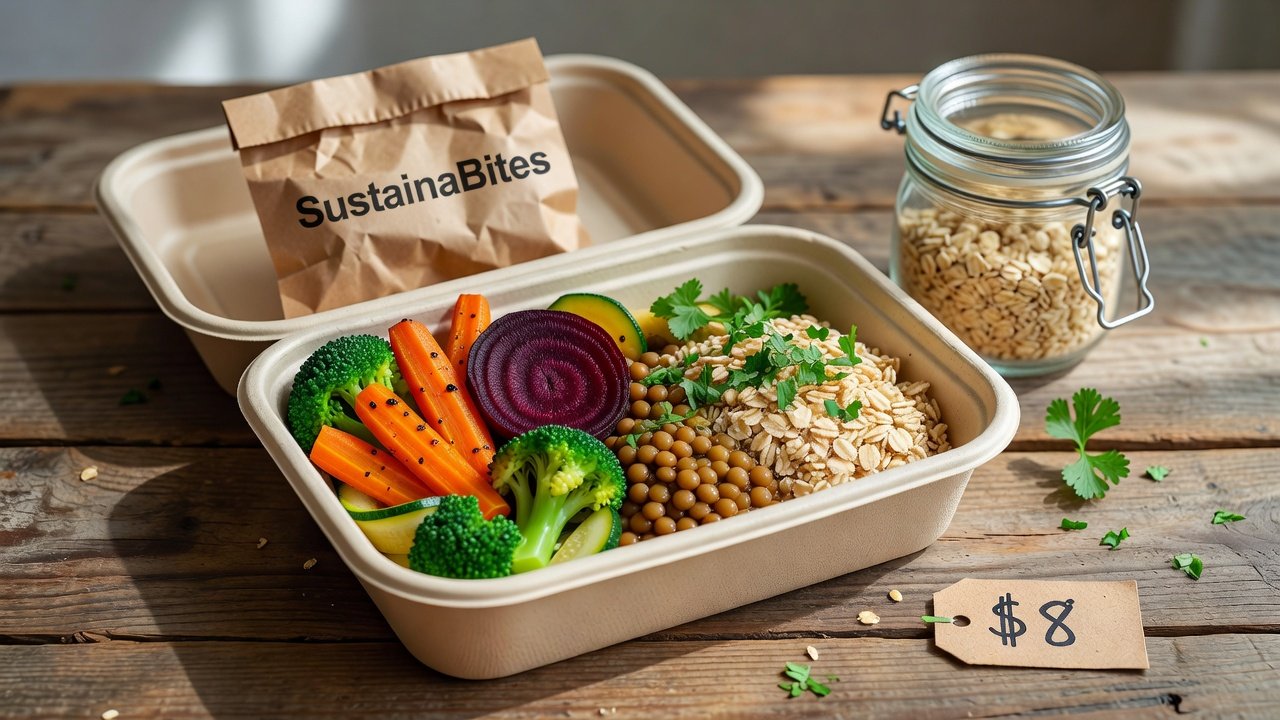
Batch-cook grains and proteins on weekends. Roast a tray of seasonal vegetables and portion them into containers. In 2026, prioritize local farmers' markets for peak-nutrient produce to maximize antioxidant content while supporting sustainability. Buying in-season reduces waste and often improves flavor and nutrient density. Create a Sunday prep routine: cook quinoa in bulk, wash and chop greens, and prepare overnight oats for the week ahead.
Practical example: Buy winter squash in fall for roasting and summer berries for freezing. Store pre-portioned smoothie packs in the freezer. This approach cuts daily decision fatigue and ensures anti-inflammatory ingredients are always on hand. Track seasonal availability through local agriculture extensions for the freshest options.
Comparisons to Other Common Energy Diets
Unlike keto, which can cause initial fatigue during adaptation, the anti-inflammatory diet emphasizes steady carbs from vegetables and whole grains. Compared to high-protein plans, it balances macros with anti-inflammatory fats that reduce muscle soreness. It shares similarities with the Mediterranean diet but places extra focus on mitochondrial-supporting nutrients like CoQ10-rich foods such as spinach. Versus intermittent fasting approaches, this method avoids energy dips by prioritizing consistent nutrient timing throughout the day. Each comparison highlights why the anti-inflammatory focus delivers balanced, sustainable results without extreme restrictions.
Practical Steps for Beginners
- Start by replacing one processed snack daily with a handful of berries or nuts.
- Track meals for one week to identify inflammatory triggers like excess sugar or refined carbs.
- Incorporate one new recipe each week and note energy changes.
- Stay hydrated and pair diet changes with consistent sleep of seven to nine hours nightly.
- Build a simple weekly plan: Monday smoothie, Wednesday salmon toast, Friday veggie bowl.
These steps create momentum. Beginners often succeed by focusing on additions rather than eliminations first.
Common Mistakes to Avoid
Many beginners over-rely on supplements instead of whole foods. Others skip meal prep and fall back on convenience items high in refined oils. Avoid drastic eliminations that lead to nutrient gaps; instead, gradually crowd out inflammatory choices with nutrient-dense alternatives. Ignoring portion sizes of even healthy fats can slow progress, so balance remains key.
FAQs on Tracking Energy and Side Effects
How do I track energy improvements?
Keep a simple daily log of energy levels on a 1-10 scale alongside food intake. Note patterns after 2-3 weeks. Many people report steadier afternoon energy within 14-21 days. Include notes on sleep and stress for fuller context.
Are there potential side effects?
Most experience improved digestion and mood. A small number may notice temporary digestive adjustment when increasing fiber. Consult a healthcare provider before major changes, especially if you have existing conditions. Rare sensitivities to specific foods like nightshades can be identified through elimination testing.
Can this diet work with exercise routines?
Yes. The anti-inflammatory foods support recovery and reduce exercise-induced inflammation. Time meals around workouts for optimal mitochondrial fueling.
How long until I see results?
Initial improvements in digestion often appear in one week, while energy gains typically build over three to four weeks of consistent adherence.
Conclusion
An anti-inflammatory diet offers a science-backed path to sustained energy by addressing inflammation at its source. With quick recipes, strategic meal prep, and seasonal 2026 practices, it becomes an accessible lifestyle upgrade. Start small, stay consistent, and enjoy the natural lift in vitality while building habits that support long-term wellness.
No comments yet. Be the first!