 Func Eats
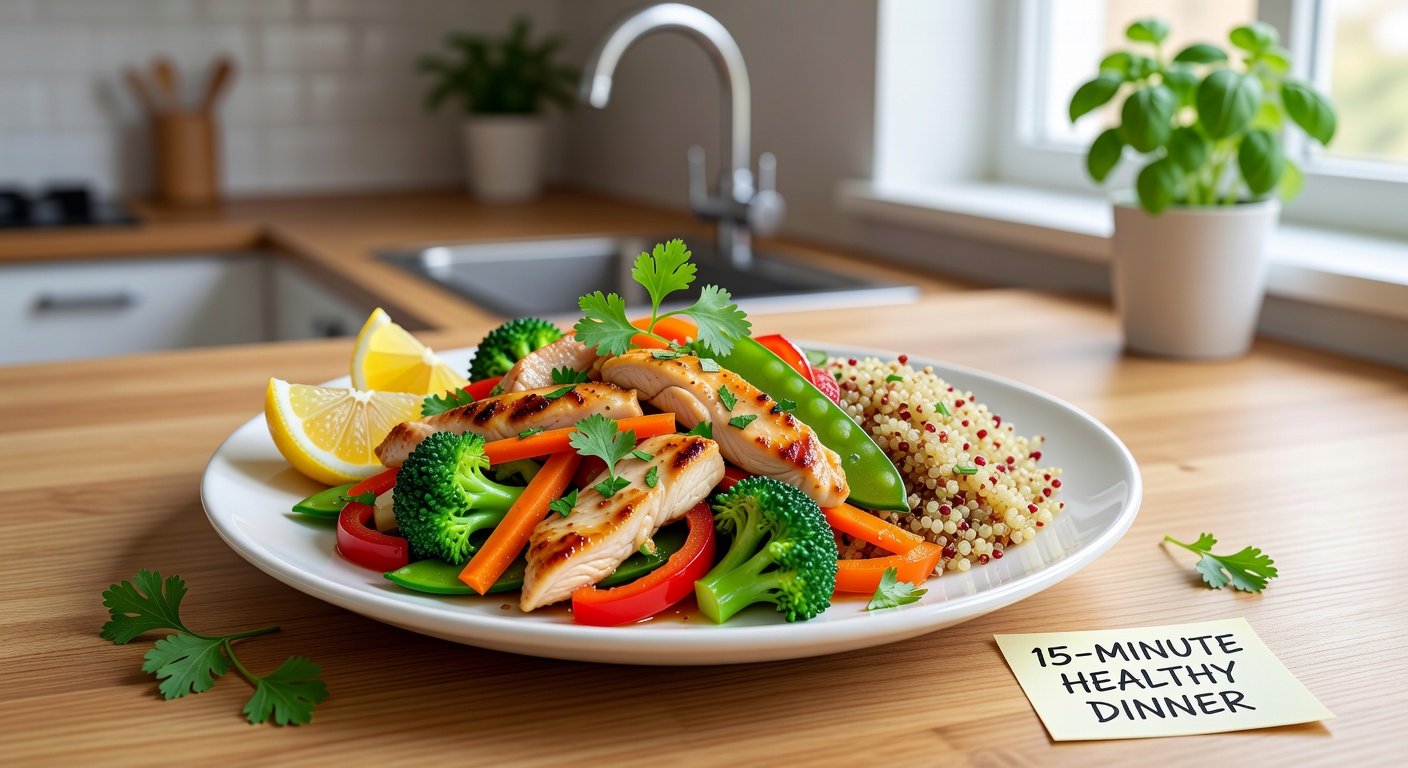
Introduction to Quick Healthy Cooking
Busy schedules often make healthy eating feel impossible, but preparing nutritious dinners in 15 minutes is entirely achievable for beginners. This guide focuses on simple methods that prioritize speed without sacrificing nutrition or flavor. By mastering a few core techniques and stocking the right ingredients, novice cooks can create satisfying meals that support overall wellness and energy levels throughout the week.
Time pressure is a common barrier, yet efficient prep turns rushed evenings into opportunities for balanced plates. We'll cover essential kitchen tools, pantry basics, healthy swaps, and speed-focused chopping and cooking strategies before diving into three full recipes. Readers will also find comparisons between cooking methods, diet customization ideas, and answers to frequent questions about maintaining nutrition and taste under time constraints. The goal is to build confidence so that quick meals become a reliable habit rather than a compromise.
Essential Tools and Pantry Basics
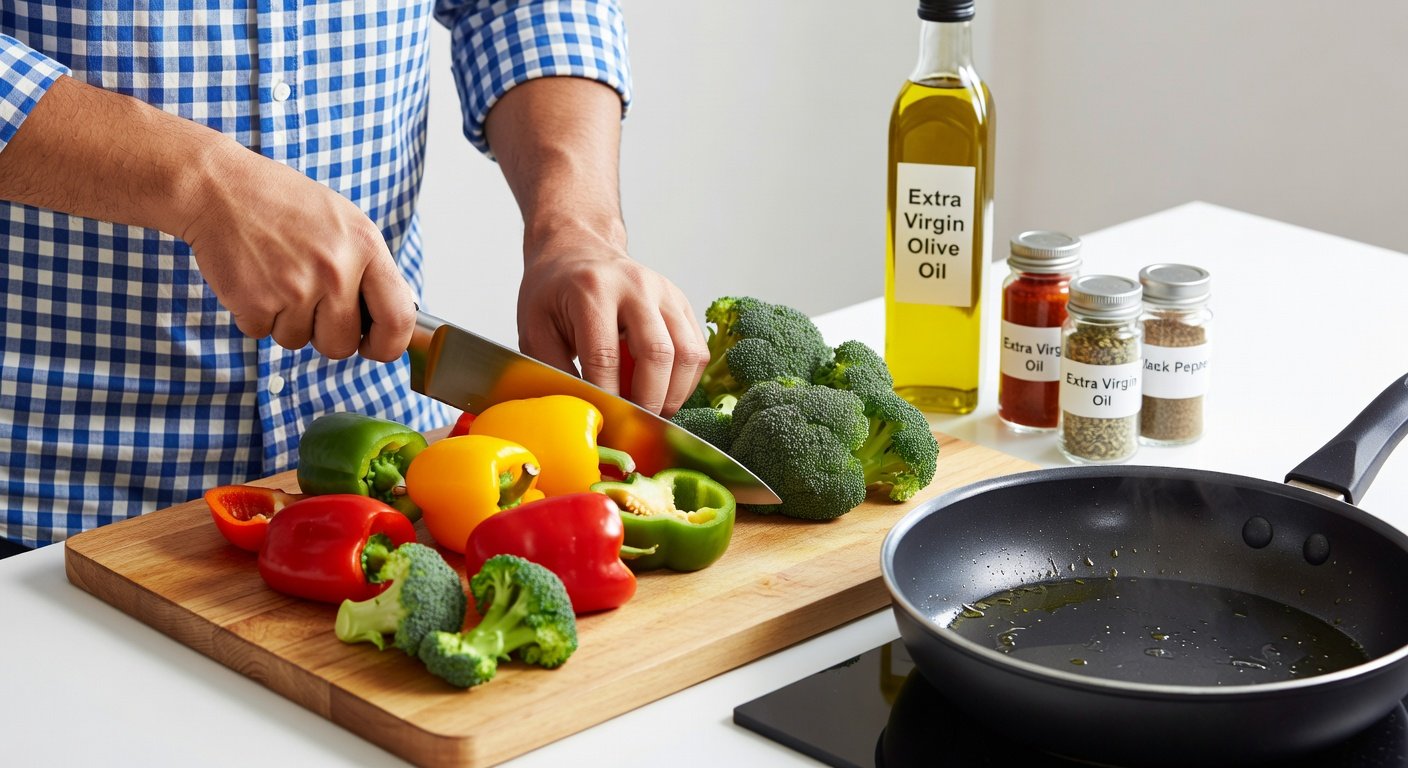
Start with a sharp chef's knife, cutting board, non-stick skillet, microwave-safe bowl, and one good spatula. These four items handle most 15-minute tasks. A digital timer helps track every step precisely and prevents overcooking. Consider adding a box grater for quick cheese or vegetable shredding and a set of measuring spoons for accurate seasoning without guesswork.
Pantry staples include canned beans, quick-cook quinoa or brown rice, olive oil, garlic, onions, frozen vegetables, eggs, and pre-washed greens. Keep low-sodium broth and spices like cumin, paprika, and Italian seasoning on hand. Stock versatile items such as canned tomatoes, peanut butter, and rolled oats for both savory and sweet options. These ingredients allow endless combinations while keeping sodium and additives low. Rotate frozen fruits for smoothies or desserts to add variety without extra shopping trips.
- Proteins: Canned tuna, pre-cooked lentils, or firm tofu
- Grains: Microwaveable brown rice pouches or couscous
- Vegetables: Pre-cut frozen mixes and bagged salads
- Flavor boosters: Lemon juice, hot sauce, and dried herbs
Healthy Ingredient Swaps for Better Nutrition
Replace refined white rice with cauliflower rice or quick-cook whole grains to increase fiber intake. Swap heavy cream sauces for Greek yogurt blended with herbs for creaminess without excess fat. Use olive oil instead of butter and choose lean proteins such as turkey or tofu over fatty cuts. These swaps maintain flavor while boosting vitamins and reducing calories. For example, trading regular pasta for zucchini noodles cuts carbohydrates while adding vitamins A and C. Experiment with nutritional yeast instead of parmesan for a dairy-free cheesy taste that pairs well with vegetables and grains.
World Health Organization healthy diet guidelines emphasize whole foods and balanced portions, principles that fit perfectly into rapid meal assembly.
Step-by-Step Techniques to Maximize Speed
Begin with mise en place: measure and chop everything before heat is applied. Slice proteins and vegetables uniformly so they cook evenly. Use the microwave for steaming vegetables in three minutes while the skillet preheats, then finish on the stove for texture. Organize your workspace by grouping similar tasks, such as washing produce first and then moving to protein prep.
Batch-chop hardy vegetables like bell peppers and broccoli the night before when possible. Cook in one pan whenever feasible to reduce cleanup time. Stir constantly during the final minutes to prevent burning and ensure even doneness. Always keep a bowl of water nearby for quick deglazing if anything sticks. Safety note: use oven mitts when handling hot microwave containers and keep knives sharp to avoid slips during rushed chopping sessions.
Three Beginner-Friendly 15-Minute Recipes
1. Speedy Veggie and Chicken Stir-Fry
Ingredients: 150g chicken strips, 2 cups frozen mixed vegetables, 1 tbsp olive oil, 2 tsp low-sodium soy sauce, garlic powder. Method: Heat oil in skillet over medium-high. Add chicken and cook 4 minutes until lightly browned. Add vegetables and seasonings; stir-fry 6 minutes until tender-crisp. Prepare quick-cook quinoa in the microwave during the stir-fry. Serve immediately for best texture. This recipe delivers lean protein and fiber in under 12 minutes. For extra flavor, add a teaspoon of grated ginger at the start.
2. Microwave Black Bean Quinoa Bowl
Ingredients: 1 cup canned black beans, 1 cup pre-cooked quinoa, 1 cup cherry tomatoes, ½ avocado, lime juice, cumin. Method: Rinse beans thoroughly. Microwave quinoa for 2 minutes. Combine with beans and tomatoes, then heat 3 more minutes. Top with sliced avocado and a squeeze of lime. Ready in 10 minutes. The dish provides plant-based protein and healthy fats. Customize by adding corn or bell peppers for more color and crunch.
3. One-Pan Egg and Spinach Scramble
Ingredients: 3 eggs, 2 cups fresh spinach, ¼ cup feta, olive oil spray. Method: Spray skillet lightly, add spinach and wilt for 2 minutes. Pour in beaten eggs and scramble for 5 minutes until set. Finish with crumbled feta. Pair with whole-grain toast on the side. Total time is 9 minutes. This breakfast-for-dinner option supplies high-quality protein and iron-rich greens. Use egg whites for a lower-calorie version if preferred.
Stovetop Versus Microwave: Time-Saving Comparison
Stovetop offers superior browning and texture for proteins and vegetables but requires active monitoring and constant stirring. It works best for recipes needing caramelization, such as the chicken stir-fry. Microwave excels at steaming and reheating, cutting passive wait time dramatically and allowing multitasking. For best results, combine both: microwave vegetables while proteins sear on the stove. This hybrid approach often saves 4–5 minutes compared with single-method cooking. In practice, a pure microwave meal like the quinoa bowl finishes fastest, while stovetop-only options shine when crisp edges are desired. Test both methods with the same recipe to see which fits your kitchen rhythm.
Customization Tips for Various Diets
Vegetarian: Swap chicken for tofu or lentils and use vegetable broth. Gluten-free: Verify all sauces and use certified grains or cauliflower rice. Low-carb: Increase non-starchy vegetables and reduce grains. Dairy-free: Omit cheese and use nutritional yeast for flavor. Keto-friendly versions emphasize added fats like avocado or olive oil. These adjustments keep meals under 15 minutes while meeting dietary needs. Always read labels quickly when trying new packaged items to confirm compatibility.
Common Mistakes to Avoid
Many beginners overcrowd the pan, leading to steaming instead of searing. Start with smaller batches if needed. Another frequent error is skipping the prep step, which wastes valuable minutes searching for ingredients mid-cook. Over-seasoning early can make dishes too salty; add spices gradually and taste as you go. Finally, neglecting to cover microwave containers can cause splatters and uneven heating. Using a vented lid solves this quickly.
Frequently Asked Questions
Can rushed meals still deliver balanced nutrition?
Yes. Focus on pairing protein, fiber-rich vegetables, and healthy fats in each plate. Mayo Clinic nutrition resources confirm that thoughtful combinations meet daily requirements even with limited prep time.
How do I keep flavor high without extra time?
Lean on pre-measured spice blends, citrus zest, and fresh herbs added at the end. A squeeze of lemon or splash of vinegar brightens dishes instantly without additional cooking steps.
Are frozen vegetables as healthy as fresh?
Often yes. They are picked at peak ripeness and flash-frozen, preserving nutrients. CDC nutrition information supports their use in quick meals for convenience and quality.
What if I don't have a microwave?
Steam vegetables in a covered skillet with a splash of water instead. The process takes only 2–3 extra minutes but still keeps total time low.
How can I scale recipes for meal prep?
Double ingredients and store portions in airtight containers for the next day. Most of these meals reheat well in the microwave for 1–2 minutes.
Conclusion
With the right tools, pantry items, and techniques, anyone can prepare healthy dinners in 15 minutes. Practice the three recipes above, experiment with swaps, and soon these fast meals will become second nature. Consistent effort leads to better eating habits even on the busiest days, improving both health and peace of mind.
No comments yet. Be the first!