 Func Eats
Why 15-Minute Meals Work for Modern Families in 2026
Busy parents need reliable dinner solutions that deliver nutrition without sacrificing time or flavor. In 2026, families continue to juggle work, school, and activities, making fast dinner recipes essential. These meals prioritize whole ingredients, balanced macros, and easy cleanup while appealing to both kids and adults. Research from health authorities shows that consistent family meals support better eating habits and stronger connections at the table, even when preparation time is limited.
Adapting recipes for family preferences starts with simple swaps. For example, replace spicy elements with milder herbs or add familiar toppings like cheese. This approach keeps meals exciting yet approachable, ensuring everyone enjoys dinner together. Parents can also involve children in choosing one component each night to increase ownership and reduce resistance to new foods.
Kid-Friendly Flavor Twists That Actually Work
Children often prefer milder profiles and familiar textures. Introduce twists such as mild taco seasoning on ground turkey, sweet potato hidden in sauces, or colorful vegetable “confetti” stirred into rice. These changes boost acceptance without extra cooking time. Another effective strategy is to serve sauces on the side so kids control intensity while adults enjoy full flavor.
Focus on interactive elements like build-your-own bowls. Kids can assemble their plates, increasing buy-in while parents control the nutrient base. Pairing these with quick proteins and fiber-rich sides creates satisfying plates under the 15-minute limit. Over time, repeated exposure to these twists helps expand palates naturally.
Balancing Macros in Under 15 Minutes
Each meal should include lean protein, complex carbs, and healthy fats plus vegetables. Use pre-cooked grains, canned beans, or rotisserie chicken to hit targets fast. A typical plate might feature 4–6 oz protein, ½ cup whole grains, and 1 cup produce for balanced energy that sustains kids through homework and activities. Adding a small portion of healthy fat, such as a few avocado slices or a drizzle of olive oil, improves satiety and nutrient absorption.
Nutrition.gov emphasizes variety and portion awareness for growing families. Quick checks like adding avocado for fats or Greek yogurt for extra protein keep macros on track without complex calculations. Parents can track patterns over a week rather than every single meal to stay flexible.
4 Practical 15-Minute Recipe Examples with Timed Steps
1. Turkey Veggie Skillet (Stovetop)
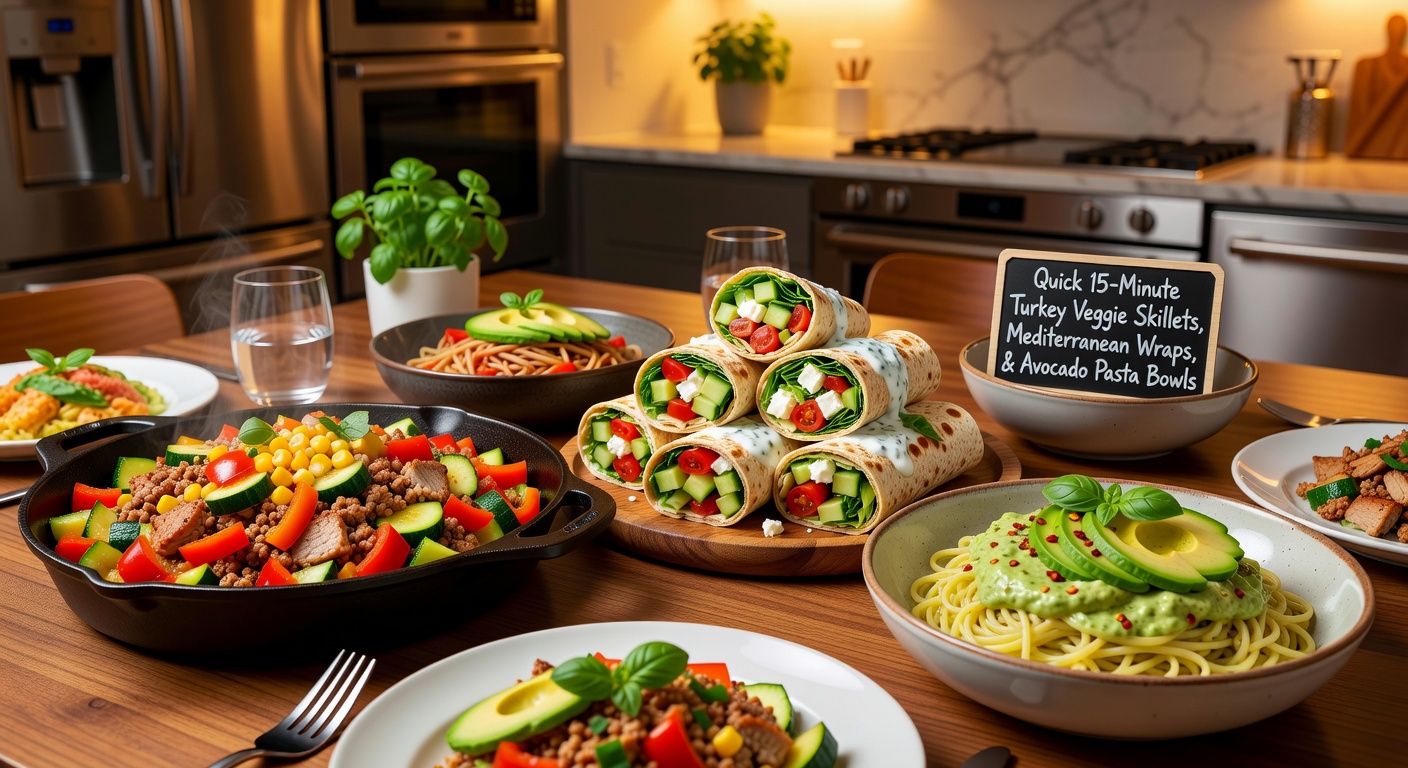
Minutes 0–3: Heat 1 tbsp oil in a large skillet over medium heat. Minutes 3–8: Brown 1 lb lean ground turkey with minced garlic and a pinch of mild seasoning. Minutes 8–12: Add 3 cups frozen mixed vegetables and a splash of low-sodium broth, stirring frequently. Minutes 12–15: Stir in 2 cups cooked quinoa and finish with fresh herbs. Total time: 15 minutes. Cleanup: one pan plus a cutting board.
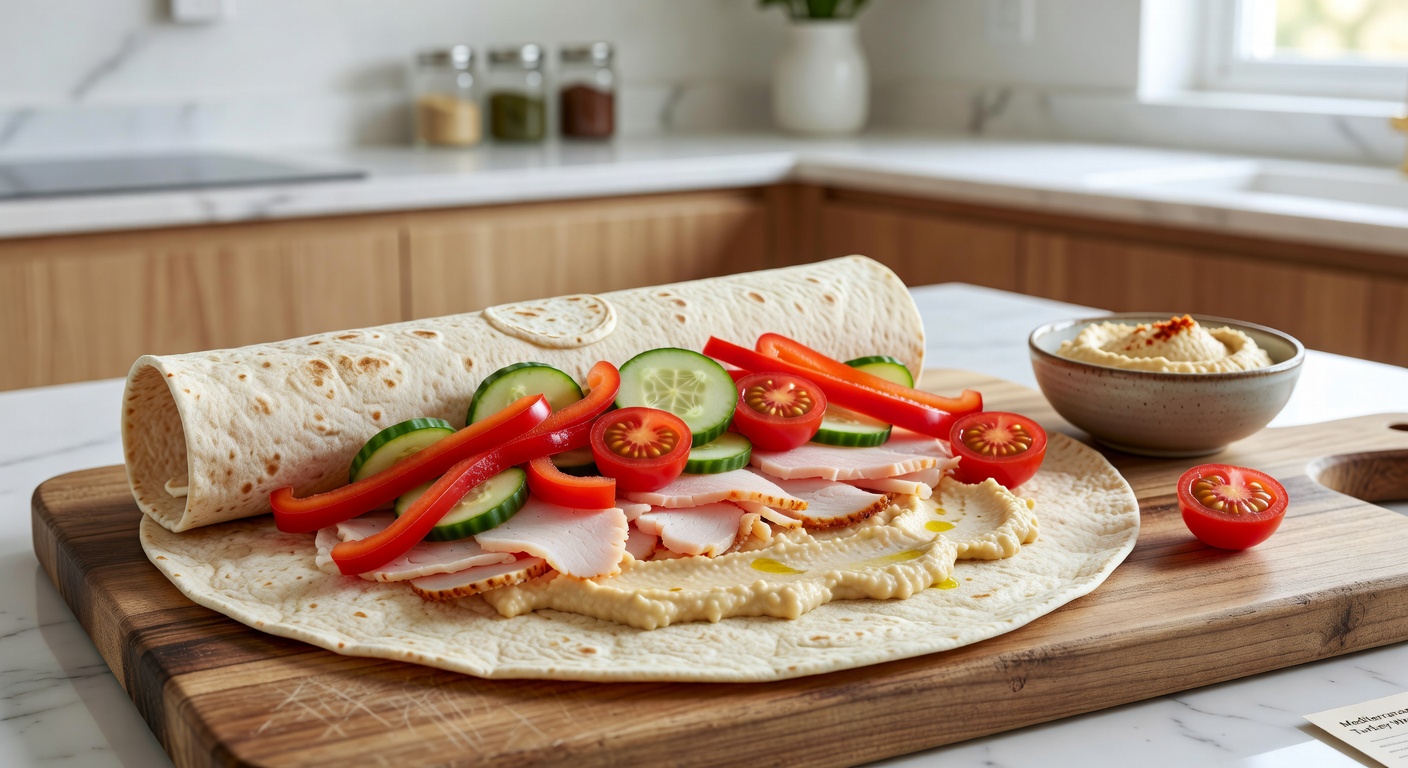
2. No-Cook Mediterranean Wraps
Minutes 0–5: Spread hummus on whole-wheat tortillas. Minutes 5–10: Layer deli turkey, cucumber slices, cherry tomatoes, and feta crumbles. Minutes 10–15: Roll tightly and slice into pinwheels. Serve with apple wedges or carrot sticks. Minimal dishes required, making this ideal for evenings when energy is low.
3. Creamy Avocado Pasta
Minutes 0–8: Boil fresh or refrigerated pasta according to package directions. Minutes 8–12: Blend ripe avocado, lemon juice, garlic, and Greek yogurt until smooth. Minutes 12–15: Toss drained pasta with sauce and handfuls of spinach. One-pot base plus a blender for fast cleanup and creamy texture kids enjoy.
4. Black Bean Quesadillas
Minutes 0–4: Mash canned black beans with cumin and a squeeze of lime. Minutes 4–10: Fill tortillas with beans and shredded cheese. Minutes 10–15: Cook in a lightly oiled skillet 2 minutes per side until golden. Serve with salsa and pre-washed salad greens for a complete meal.
Batch Scaling Tips for Leftovers and Weekly Planning
Double protein portions on Sunday for quick reheats later in the week. Store components separately to maintain texture and prevent sogginess. Reheat skillets in the same pan used originally to reduce dishes. These strategies cut weeknight effort while preserving nutrition and flavor. Consider preparing extra grains in bulk and portioning them into containers for grab-and-go assembly.
CDC nutrition resources support planning ahead to maintain consistent healthy eating patterns across busy schedules. Scaling also helps control grocery costs by reducing last-minute purchases.
Stovetop Versus No-Cook Methods: Detailed Comparison
- Stovetop advantages: Delivers warm comfort foods and better texture for proteins. Requires one pan and active 10–12 minutes of hands-on time. Ideal when families want a hot meal on cooler evenings or when using frozen ingredients that benefit from quick cooking.
- Stovetop considerations: Generates more dishes and requires monitoring to avoid overcooking. Best paired with non-stick pans for easiest cleanup.
- No-cook advantages: Zero heat, minimal cleanup, and fastest assembly. Best for hot weather or when stovetop space is limited. Focuses on fresh produce and pre-cooked items that retain maximum nutrients.
- No-cook considerations: Relies on quality pre-made components. Works well for lunches the next day since items stay crisp in the refrigerator.
Choose based on season, energy level, and kitchen equipment. Both approaches support the same macro goals when ingredients are prepped thoughtfully and portions are balanced.
Shopping Shortcuts and a Starter Pantry List
Stock rotisserie chicken, microwaveable grain pouches, frozen vegetables, and pre-washed greens. Keep canned beans, tuna, Greek yogurt, and quick-cook pasta on hand. These staples enable all recipes above with one quick store run. Create a reusable shopping template organized by category to speed up weekly trips and reduce decision fatigue.
Additional shortcuts include buying pre-cut vegetables when available and keeping a rotating selection of mild seasonings that appeal to the whole family. This prevents repetitive meals while staying within the time budget.
Common Mistakes to Avoid
Overcomplicating recipes by adding too many ingredients leads to longer prep. Forgetting to read labels on pre-cooked items can result in excess sodium. Skipping the vegetable component reduces nutritional balance. Planning two backup no-cook options prevents last-minute stress when plans change.
FAQ: Handling Picky Eaters, Allergies, and Make-Ahead Strategies
How do I handle picky eaters?
Offer “deconstructed” plates where kids pick components. Gradually introduce new flavors alongside favorites. Keep portions small and colorful to reduce pressure. Celebrate small wins, such as trying one new vegetable bite, rather than expecting full plates.
Can these meals be prepped ahead?
Yes. Chop vegetables on weekends and portion proteins into containers. Assemble wraps or bowls in the morning for grab-and-go dinners. Reheat skillets straight from the fridge in under five minutes. Label containers with dates to maintain freshness.
What about common allergies?
Substitute nut butters with seed butters, gluten-free wraps, or dairy-free yogurts. All recipes adapt easily while staying within 15 minutes. Always double-check labels on packaged items for hidden allergens.
How can I keep cleanup truly minimal?
Use one-pan methods whenever possible and line baking sheets with parchment if oven use is needed. Soak pans immediately after cooking. Keep a dedicated “quick dinner” cutting board and knife set to streamline the process.
Are these meals suitable for different dietary needs?
Most adapt well to vegetarian, dairy-free, or lower-carb preferences through simple swaps. Focus on the core structure of protein plus produce plus grain to maintain balance regardless of restrictions.
Conclusion
Fast dinner recipes that fit 15 minutes empower busy families to eat well without stress. By focusing on kid-friendly twists, macro balance, and smart shortcuts, parents create repeatable meals that please everyone and minimize cleanup. Start with one recipe this week, experiment with scaling, and build a rotation that works for your household for lasting healthy habits in 2026 and beyond.
No comments yet. Be the first!