 Func Eats
Introduction: Mastering Healthier Air Fryer Dinners
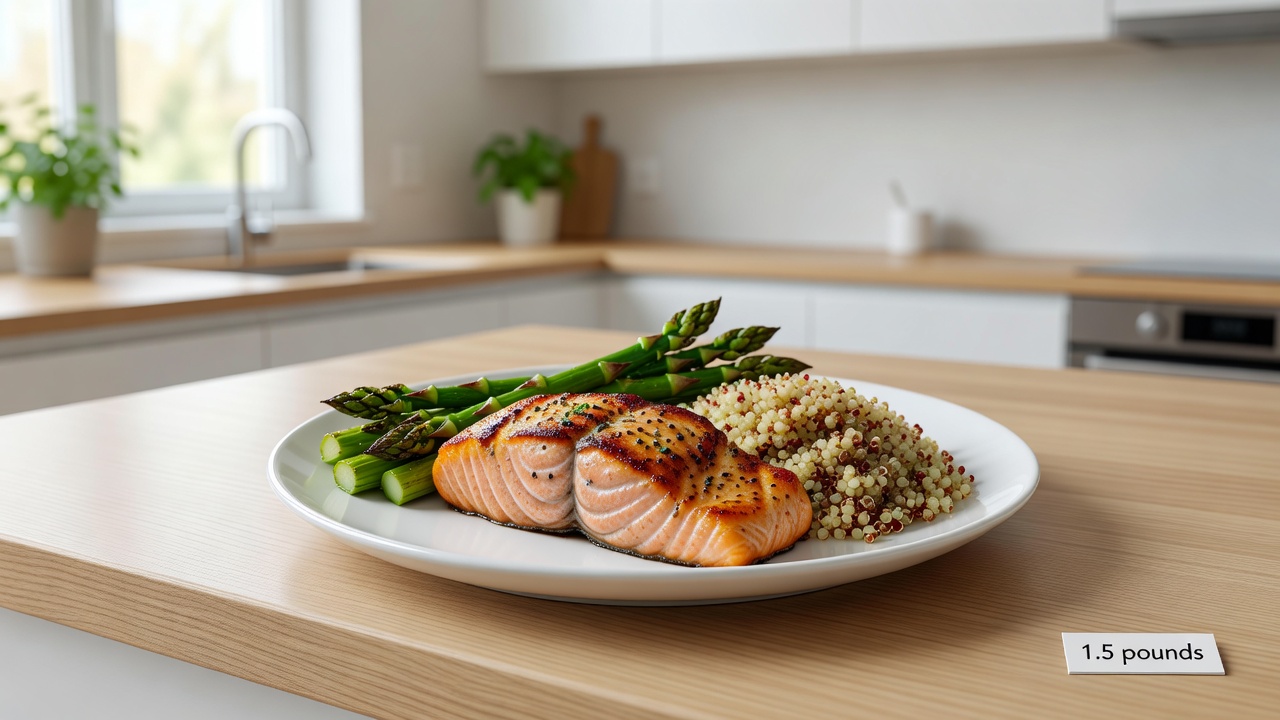
Air fryers have become a staple in many kitchens for preparing quick, crispy meals with less oil than traditional frying. However, common mistakes can undermine your efforts to create healthier dinner options, leading to uneven results, wasted nutrients, or unnecessary calories. This guide addresses frequent errors such as overcrowding, improper oil use, and poor temperature control, providing practical fixes backed by real examples and step-by-step methods. By understanding these pitfalls, you can optimize your air fryer recipes for better health outcomes while maintaining that satisfying crunch. Whether you're preparing salmon, vegetables, or chicken, avoiding these issues ensures meals retain more vitamins and minerals. Many home cooks turn to air fryers hoping to cut calories, but without proper technique the appliance can actually increase fat intake or reduce nutritional value through overcooking. The following sections break down the most common errors and deliver actionable corrections that transform dinner results.
Overcrowding the Basket: The #1 Cause of Uneven Cooking
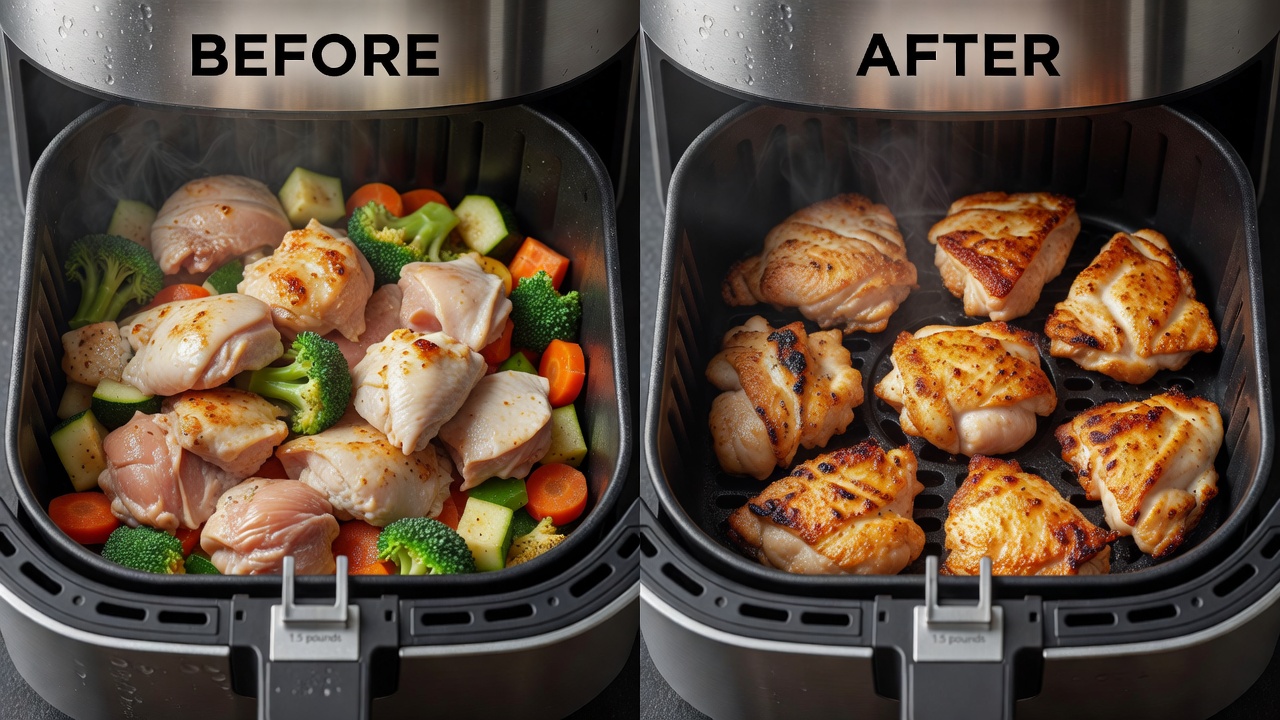
One of the most frequent errors is stuffing the air fryer basket too full. This blocks hot air circulation, resulting in some pieces cooking thoroughly while others remain soggy or underdone. For healthier dinners, aim for single-layer arrangements to promote even browning without added fats. Overcrowding also forces longer cook times, which can degrade texture and increase the temptation to add extra oil as compensation.
Step-by-step fix:
- Check your model's capacity—most standard units handle 1-1.5 pounds of food at once.
- Cut ingredients into uniform sizes for consistent results.
- Cook in batches if needed, keeping portions manageable for family dinners.
- Leave at least half an inch of space between items so air can flow freely around each piece.
Before-and-after comparison: Before: A crowded basket of broccoli yields limp edges and raw centers. After: Spacing pieces out produces uniformly crisp florets with enhanced flavor and retained nutrients. Real-world example: When cooking a family-sized batch of sweet potato wedges, divide them into two rounds rather than forcing everything in at once. The second batch finishes while the first rests, keeping all pieces equally crisp.
Excess Oil Use: Adding Unnecessary Calories
Many users drizzle too much oil thinking it improves crispiness, but air fryers require only a light spritz or none at all for most foods. This mistake increases calorie intake, countering health goals for lighter dinners. Excess oil can also create smoke and unpleasant odors while adding unwanted saturated fats.
Practical tip: Use an oil sprayer for a thin, even coat—about 1 teaspoon total for a full basket. Focus on high-smoke-point oils like avocado for better results without compromising nutrition. Alternatives include brushing with a silicone brush dipped in broth or using nonstick cooking spray designed for high heat. USDA guidelines emphasize minimal added fats for balanced meals, supporting the air fryer’s natural advantage when used correctly.
Skipping Preheating: Impact on Texture and Safety
Failing to preheat leads to longer cook times and inconsistent textures, often requiring extra oil to compensate. Preheat for 3-5 minutes at your target temperature to lock in juices and achieve crisp exteriors faster. This step also helps kill surface bacteria more effectively on proteins. Real example: For chicken thighs, preheating at 380°F ensures golden skin without drying out the meat, preserving protein quality. Without preheating, the chicken may release excess moisture that steams rather than crisps the exterior.
Over-Reliance on High Temperatures: Nutrient Loss Concerns
Cranking the heat too high can degrade heat-sensitive vitamins like C and B in vegetables. Opt for moderate settings around 350-375°F for most dinner items to balance crispiness with nutrient retention. High heat also increases the formation of advanced glycation end products in proteins, which some research links to inflammation. Mayo Clinic nutrition principles recommend gentler cooking methods to protect antioxidants in produce. Comparison: High heat (400°F+) on asparagus causes wilting and vitamin breakdown. Moderate heat maintains vibrancy and antioxidants while still delivering tender-crisp results.
Incorrect Portion Sizing and Ingredient Handling
Portions that are too large or dense prevent proper airflow. Slice proteins and veggies evenly, and shake the basket halfway through cooking for optimal results. Different ingredients require tailored approaches: root vegetables benefit from a light cornstarch dusting for extra crunch, while delicate fish should be placed on parchment liners with perforations. Mistakes to avoid include stacking pieces or ignoring thickness variations, both of which lead to dry edges and raw centers.
- Portion proteins to 4-6 oz per serving.
- Separate wet and dry ingredients when possible.
- Adjust timing by 2-3 minutes based on thickness.
- Pat foods dry with paper towels before seasoning to remove surface moisture.
Additional Common Mistakes and How to Correct Them
Many users overlook frozen food handling. Never thaw items first unless the recipe specifically instructs it; instead, add 5-8 minutes and shake more often. Another frequent error is neglecting to clean the basket regularly, which can harbor old grease that affects flavor and introduces unwanted compounds. Wash the basket after every use with warm soapy water and dry thoroughly. Finally, using the wrong accessories, such as solid liners that block airflow, reduces the appliance’s effectiveness for healthy cooking.
Practical Tips for Crisp Textures Without Added Calories
Use parchment liners with holes for easy cleanup, or add a light coating of cornstarch to veggies for extra crunch. Flip items midway and avoid overcrowding as noted earlier. These methods support lower-calorie meals aligned with FDA food safety recommendations. Experiment with spice rubs instead of oil-based marinades to boost flavor without calories. For breaded items, use panko mixed with a small amount of egg white for adhesion rather than full oil dips.
FAQ: Common Reader Questions on Timing and Ingredients
How do I adjust timing for frozen ingredients? Add 5-10 extra minutes and shake more frequently to ensure even cooking without thawing first.
What about delicate foods like fish? Use lower temps (around 350°F) and check at the 8-minute mark to prevent overcooking and nutrient loss.
Can I reuse marinades? No—discard after use to avoid bacterial risks, per standard food safety practices from the World Health Organization.
How should I handle breaded coatings? Lightly spray the coated item rather than the basket to keep the breading intact and reduce oil absorption.
What if my vegetables come out too dry? Mist with water instead of oil before cooking and reduce temperature by 10-15 degrees.
Conclusion
By correcting these air fryer mistakes, you'll enjoy healthier, more consistent dinner results with better textures and preserved nutrients. Experiment with the fixes outlined here for meals that support your wellness goals and make the most of your appliance every night.

No comments yet. Be the first!