 Func Eats
Introduction to Custom Air Fryer Dinners
Creating custom healthy air fryer dinners allows you to tailor meals to your preferences, dietary needs, and available ingredients while achieving restaurant-quality crispiness with minimal oil. In 2026, home cooks are moving beyond rigid recipes to build flexible meals that support balanced nutrition and busy lifestyles. This approach emphasizes selecting quality base ingredients, experimenting with flavors, and mastering time and temperature controls for consistent outcomes. Personalization also means adjusting for allergies, preferences like low-carb or high-fiber diets, and household schedules without relying on pre-packaged meal kits.
By focusing on personalization, you can scale portions for families or individuals and track nutritional intake effectively. Whether you have a small air fryer or a large model, the principles remain the same: prioritize lean proteins and fiber-rich vegetables for satisfying dinners without excess calories. This method reduces food waste by using what is already in your pantry and fridge, promotes variety to prevent meal boredom, and encourages mindful eating habits that align with long-term wellness objectives.
Selecting Base Proteins and Vegetables
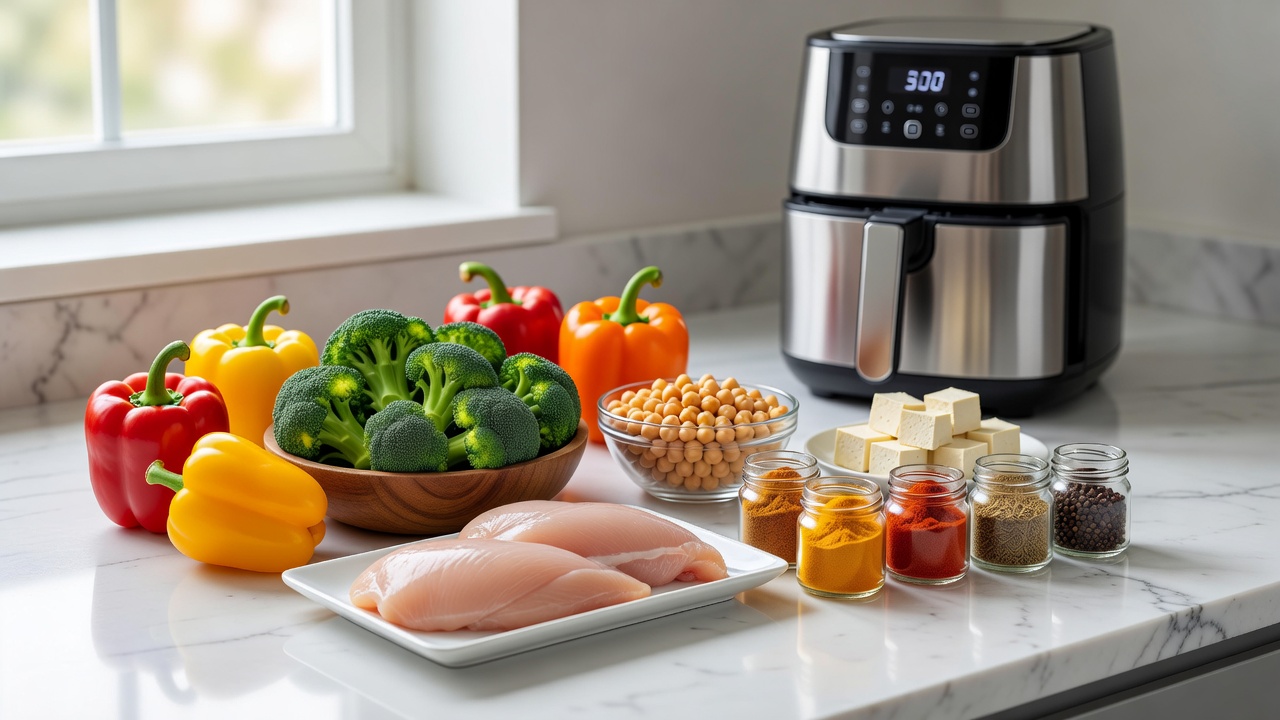
Start with high-quality proteins such as chicken breast, turkey tenderloin, salmon fillets, lean beef strips, or plant-based options like tofu, tempeh, and chickpeas. Pair these with vegetables including broccoli, bell peppers, zucchini, asparagus, Brussels sprouts, cauliflower, and green beans. These combinations deliver protein for muscle maintenance and fiber for digestion while keeping meals colorful and nutrient-dense. Consider sourcing from local markets or frozen sections for freshness and convenience, ensuring proteins are trimmed of excess fat and vegetables are cut into uniform pieces for even cooking.
Choose fresh or frozen items based on seasonality and budget. For balanced meals, aim for roughly equal portions of protein and vegetables by volume, with a small addition of whole grains like quinoa if desired for extra energy. This creates satisfying plates that align with guidelines from USDA on nutrient-dense eating. Experiment with seasonal swaps, such as using root vegetables in cooler months or leafy greens in summer, to maintain variety and maximize flavor profiles naturally.
Experimenting with Seasoning Blends and Marinades
Custom seasoning is where creativity shines. Build blends using pantry staples like garlic powder, paprika, cumin, oregano, chili flakes, black pepper, onion powder, and dried herbs. For marinades, combine olive oil, lemon juice, soy sauce alternatives, apple cider vinegar, and fresh herbs. Marinate proteins for 15–30 minutes before cooking to infuse flavor without added fats, or use dry rubs for quicker preparation. Consider making larger batches of signature blends and storing them in airtight containers for repeated use throughout the week.
Popular combinations include Mediterranean (oregano, lemon, garlic), Asian-inspired (ginger, sesame, mild chili), or smoky BBQ (paprika, cumin, touch of honey). Always taste and adjust before air frying to avoid overpowering the natural flavors of your ingredients. Incorporate acidity from citrus or vinegar to tenderize proteins and enhance crispiness on the exterior. This experimentation phase encourages trying new global flavors while staying within healthy boundaries, turning routine dinners into exciting culinary adventures.
Adjusting Time and Temperature for Optimal Crispiness
Optimal crispiness comes from the right balance of heat and airflow. Most proteins cook well at 375–400°F for 12–20 minutes, while vegetables often need 350–380°F for 8–15 minutes. Shake the basket halfway through for even browning and check internal temperatures with a reliable thermometer to ensure safety. Reduce oil to a light spray or none at all for truly healthy results, relying instead on the air fryer's convection technology to achieve golden textures.
Test small batches first, as air fryer models vary in power and basket size. Overcrowding leads to steaming instead of crisping, so cook in single layers when possible or work in batches. For thicker cuts like pork chops or whole fish, lower the temperature slightly and extend time to cook through without burning the outside. Monitoring progress visually and adjusting mid-cycle builds confidence in creating perfectly textured meals every time.
Scaling Portions for Different Household Sizes
Scale recipes easily by multiplying ingredients proportionally. For one person, use 4–6 oz protein and 1–2 cups vegetables. For a family of four, increase to 1.5–2 lbs protein and 6–8 cups vegetables. Adjust cooking time slightly for larger batches by adding 2–4 minutes and checking doneness frequently. This flexibility supports meal prep for the week ahead while keeping portions controlled for nutrition goals, allowing you to prepare individual servings or shared platters with minimal extra effort.
Consider storage solutions such as dividing cooked portions into containers immediately after cooling to preserve texture. Larger households may benefit from dual cooking cycles or investing in a model with multiple baskets for simultaneous customization of different preferences within the same meal.
Practical Examples: Three Unique Dinner Combinations
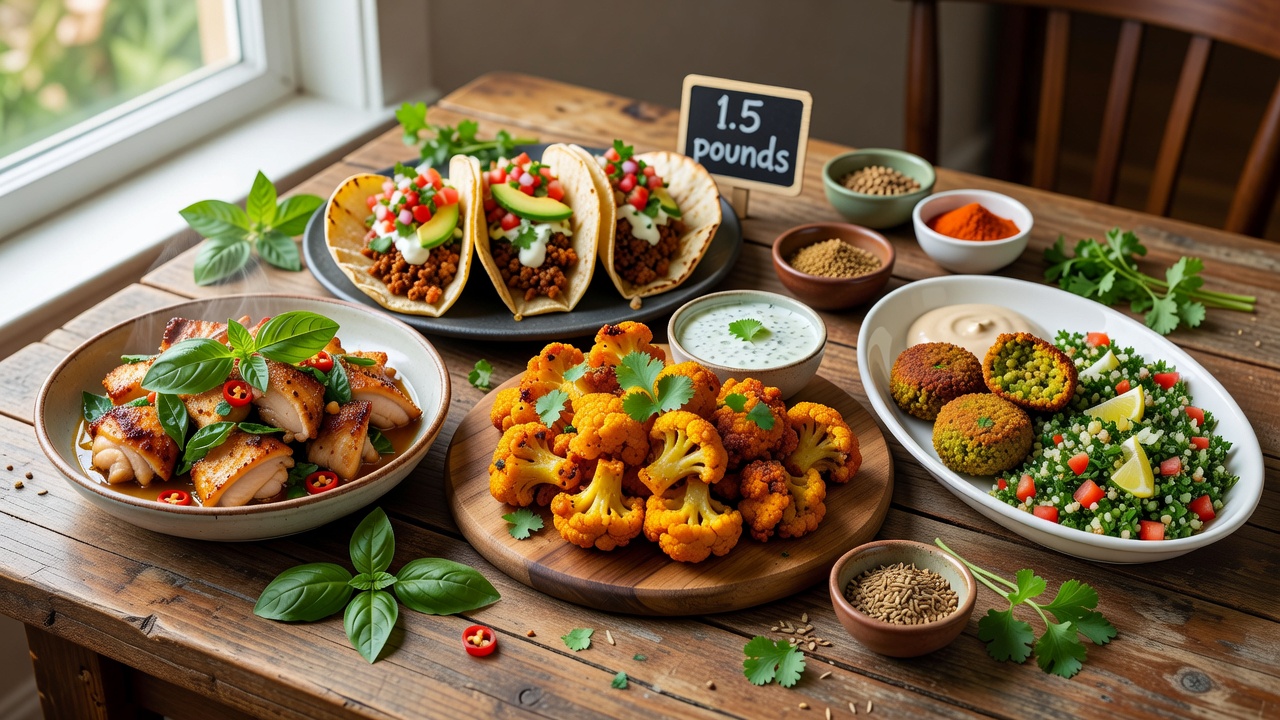
Here are three customizable dinners built from common pantry and fridge staples, with full step-by-step guidance:
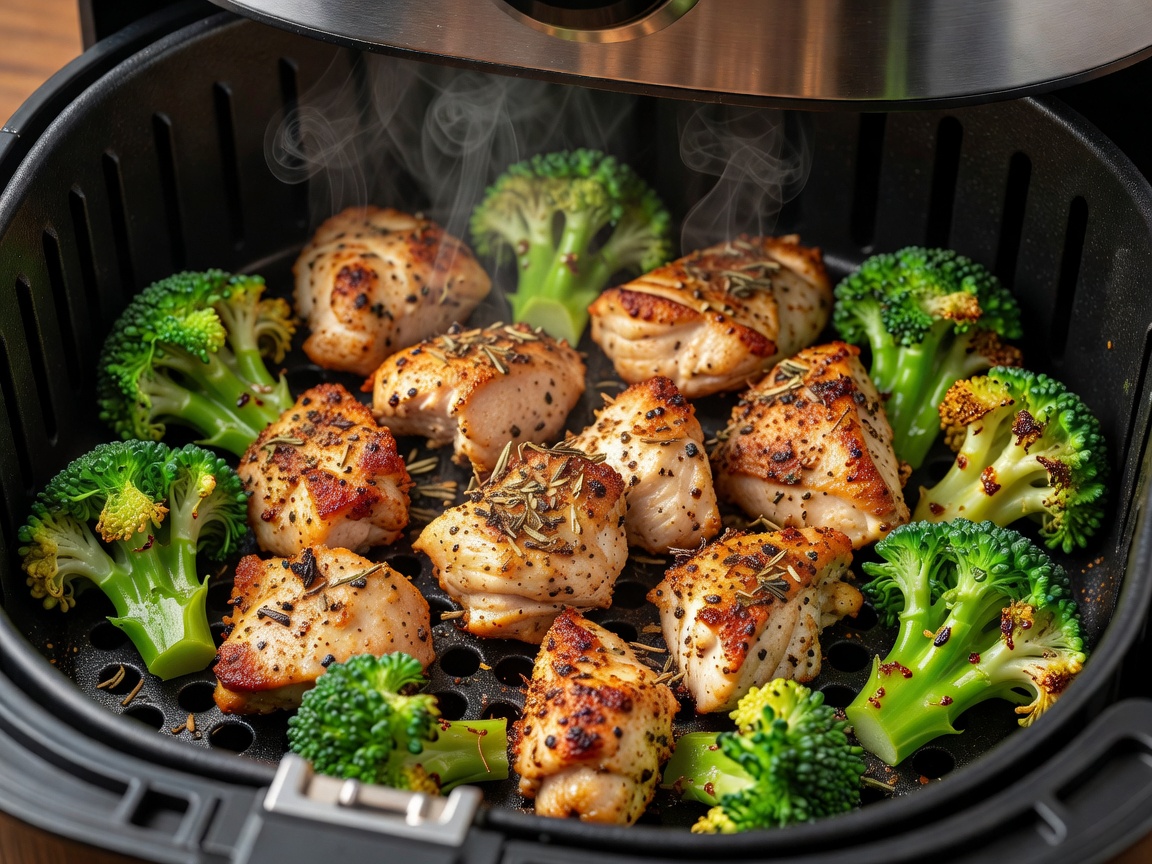
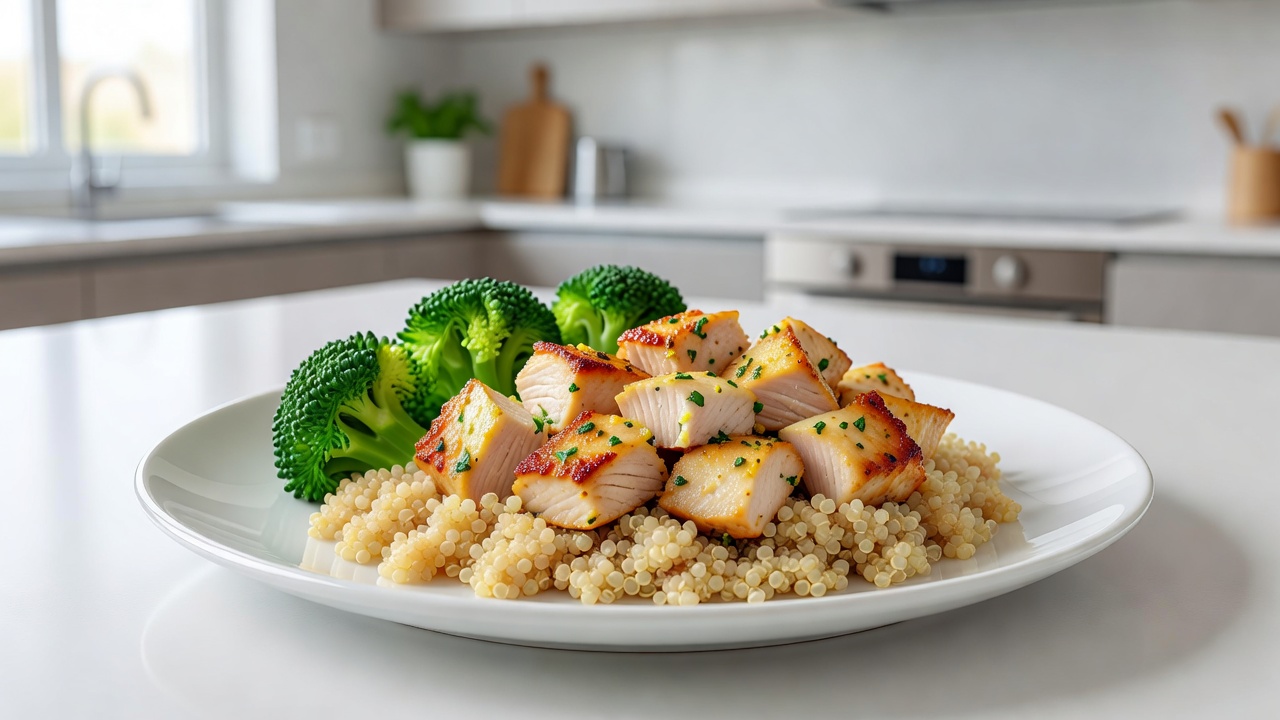
- Garlic Herb Chicken with Broccoli: Chicken thighs seasoned with garlic, rosemary, and olive oil spray. Air fry at 380°F for 18 minutes alongside broccoli florets tossed in lemon zest. Serve over a bed of mixed greens for added volume and vary by adding a sprinkle of parmesan after cooking.
- Spiced Salmon with Bell Peppers: Salmon fillet rubbed with paprika, cumin, and black pepper. Cook at 400°F for 12 minutes with sliced peppers for a colorful, omega-3 rich meal. Pair with a quick side of air-fried asparagus and experiment with adding a yogurt-based sauce on the side.
- Chickpea Tofu Stir-Fry Bowl: Cubed tofu and chickpeas marinated in ginger-soy blend. Air fry at 375°F for 15 minutes with zucchini and carrots for a plant-forward option. Enhance with fresh cilantro and lime wedges post-cooking for brightness and texture contrast.
These examples demonstrate how to mix and match based on what you have on hand, allowing endless variations by rotating proteins or vegetables weekly.
Tracking Nutrition in Your Custom Meals
Use apps or simple logging methods to monitor macros and micronutrients. Weigh ingredients before cooking and reference databases from FDA resources. Focus on protein intake around 25–35g per serving and vegetable volume for fiber and vitamins. Consistent tracking helps refine recipes over time for better health outcomes, such as logging weekly averages to identify patterns in energy levels or satiety. Integrate tools like digital scales and barcode scanners for accuracy, and cross-reference with professional dietary advice when needed for specific conditions.
Manual vs Preset Modes Comparison
Manual mode offers full control over temperature and time, ideal for custom experiments and precise adjustments based on ingredient thickness or desired doneness. Preset modes provide convenience with one-touch settings for common foods but may not suit unique combinations or desired crisp levels. Most users benefit from starting with presets then switching to manual for fine-tuning based on results, especially when scaling recipes or incorporating new seasonings. Manual mode typically yields superior customization for healthy, low-oil meals and encourages a deeper understanding of how different foods respond to heat and airflow.
In practice, presets work well for beginners testing the appliance, while manual settings unlock advanced personalization for repeat users seeking optimal nutrition and texture balance.
FAQ: Common Customization Mistakes to Avoid
How do I prevent food from drying out?
Avoid overcooking by checking early and using a light marinade or spray of oil to retain moisture throughout the process.
Can I mix raw proteins and vegetables?
Yes, but ensure proteins reach safe internal temperatures without overcooking vegetables by adding veggies later in the cycle or using separate baskets if available.
What if my seasonings burn?
Apply delicate herbs after cooking and use lower temperatures for sugary marinades to prevent charring while maintaining flavor integrity.
How do I handle different household preferences?
Prepare base ingredients separately and customize seasonings per serving before or after cooking to accommodate varied tastes efficiently.
Should I thaw frozen items first?
Most frozen proteins and vegetables can go straight into the air fryer with a slight increase in cooking time, but always pat dry to promote crispiness.
How can I ensure even cooking across batches?
Arrange items in a single layer, flip halfway, and avoid overloading the basket to allow proper hot air circulation for uniform results.
Conclusion
Customizing healthy air fryer dinners empowers you to create nutritious, delicious meals tailored exactly to your needs. With practice in ingredient selection, seasoning, and cooking techniques, you will enjoy consistent results while supporting your wellness goals in 2026 and beyond. Embrace the process of trial and refinement to develop a personal repertoire of go-to dinners that fit seamlessly into daily life.
No comments yet. Be the first!