 Func Eats
Unlocking the Power of Anti-Inflammatory Foods in 2026
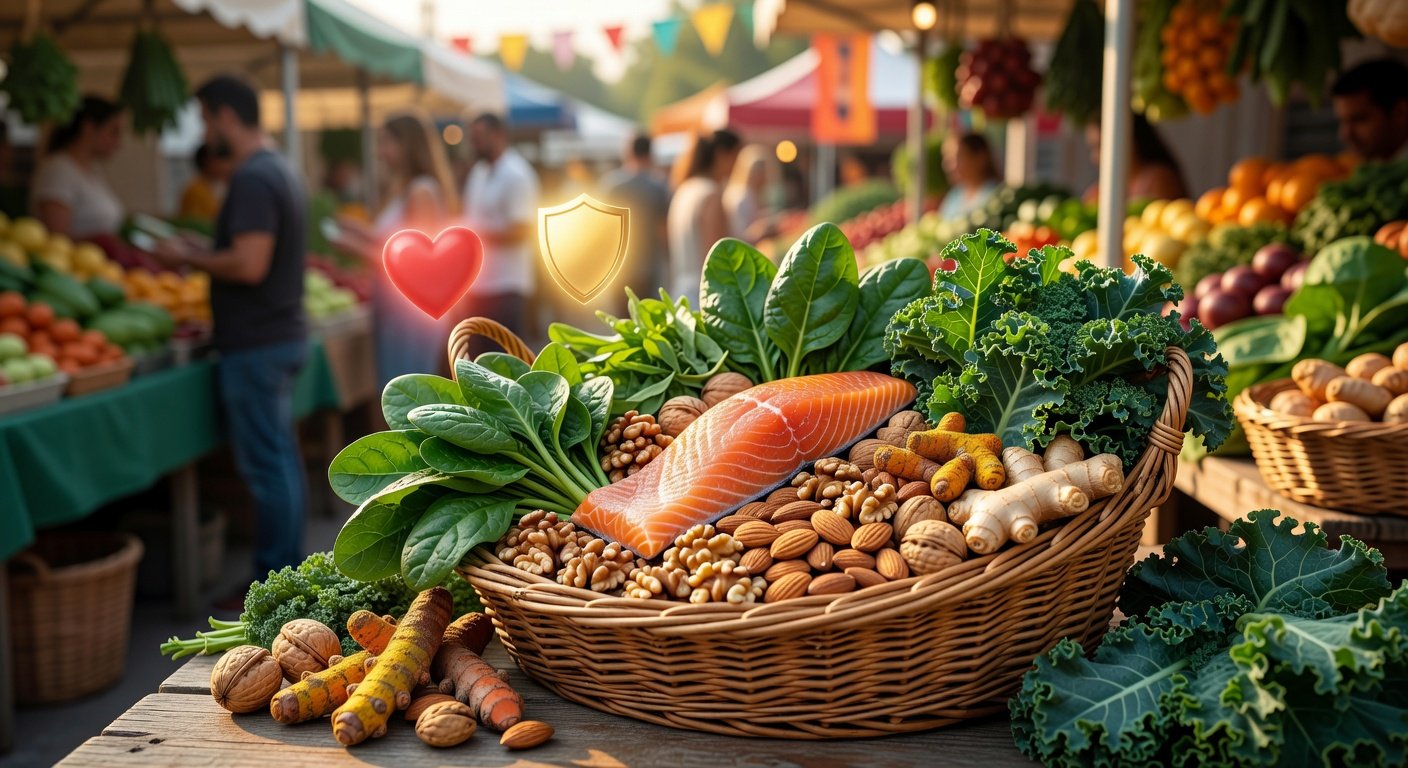
Chronic inflammation is linked to heart disease, arthritis, diabetes, and more. But your grocery cart can be your best defense. Recent 2026 studies, including those from leading nutrition researchers, highlight how specific foods rich in omega-3s, antioxidants, and polyphenols combat inflammation markers like C-reactive protein (CRP). This guide categorizes top anti-inflammatory superstars—fatty fish, leafy greens, nuts, and spices—plus seasonal picks for 2026, budget hacks, and three easy recipes with dietary swaps.
Backed by emerging data, diets like the Mediterranean pattern reduce inflammation by up to 20%, per a Harvard Health review. Let's build your shopping list.
Categorized Grocery Shopping Guide
Fatty Fish: Omega-3 Powerhouses
Salmon, mackerel, sardines, and anchovies deliver EPA and DHA, fatty acids that block inflammatory prostaglandins. A 2026 meta-analysis in the Journal of Nutrition showed weekly intake lowers CRP by 15-25%.
- Wild-caught salmon fillets
- Canned sardines in olive oil
- Fresh mackerel
Seasonal 2026 Pick: Spring salmon runs peak in March-May; opt for Pacific varieties.
Leafy Greens: Antioxidant Greens
Spinach, kale, Swiss chard, and collards are loaded with vitamins K, C, and flavonoids that neutralize free radicals. 2026 research from the NIH confirms daily servings slash oxidative stress.
- Baby spinach (pre-washed bags)
- Kale bunches
- Arugula for peppery bite
Seasonal 2026 Pick: Winter kale thrives November-February in the Northern Hemisphere.
Nuts: Healthy Fats and Fiber
Almonds, walnuts, and pistachios provide monounsaturated fats and vitamin E, inhibiting NF-kB pathways. A 2026 cohort study linked 1 oz daily to 18% lower inflammation scores.
- Raw almonds
- Walnut halves
- Pistachios (unsalted)
Seasonal 2026 Pick: Fresh walnuts harvest in fall (September-November).
Spices: Potent Anti-Inflammatory Boosters
Turmeric (curcumin), ginger, garlic, and black pepper amplify bioavailability. 2026 trials show curcumin rivals ibuprofen for joint inflammation relief.
- Fresh turmeric root or powder
- Ginger knobs
- Garlic bulbs
- Black peppercorns
Bonus Items: Berries (blueberries, strawberries for anthocyanins), extra-virgin olive oil, and avocados round out your cart. For more on inflammation-fighting diets, check Mayo Clinic resources.
Budget Tips for Anti-Inflammatory Shopping in 2026
Eating this way doesn't require a fortune. Here's how to save:
- Buy in Bulk: Nuts and spices from warehouse clubs like Costco cut costs 30%.
- Choose Frozen/Canned: Frozen berries and canned fish match fresh nutrition at half the price.
- Shop Seasonal & Local: Farmers' markets offer 2026 peak-season greens for 20-40% less.
- Store Smart: Freeze fish portions; nuts last 6 months in airtight jars.
- Apps & Alerts: Use Ibotta or Flipp for deals on olive oil and produce.
Aim for $50-70 weekly for a family of four, per 2026 USDA estimates.
3 Simple Inflammation-Fighting Recipes
These 20-minute meals use your list items. Each serves 2; scale up as needed.
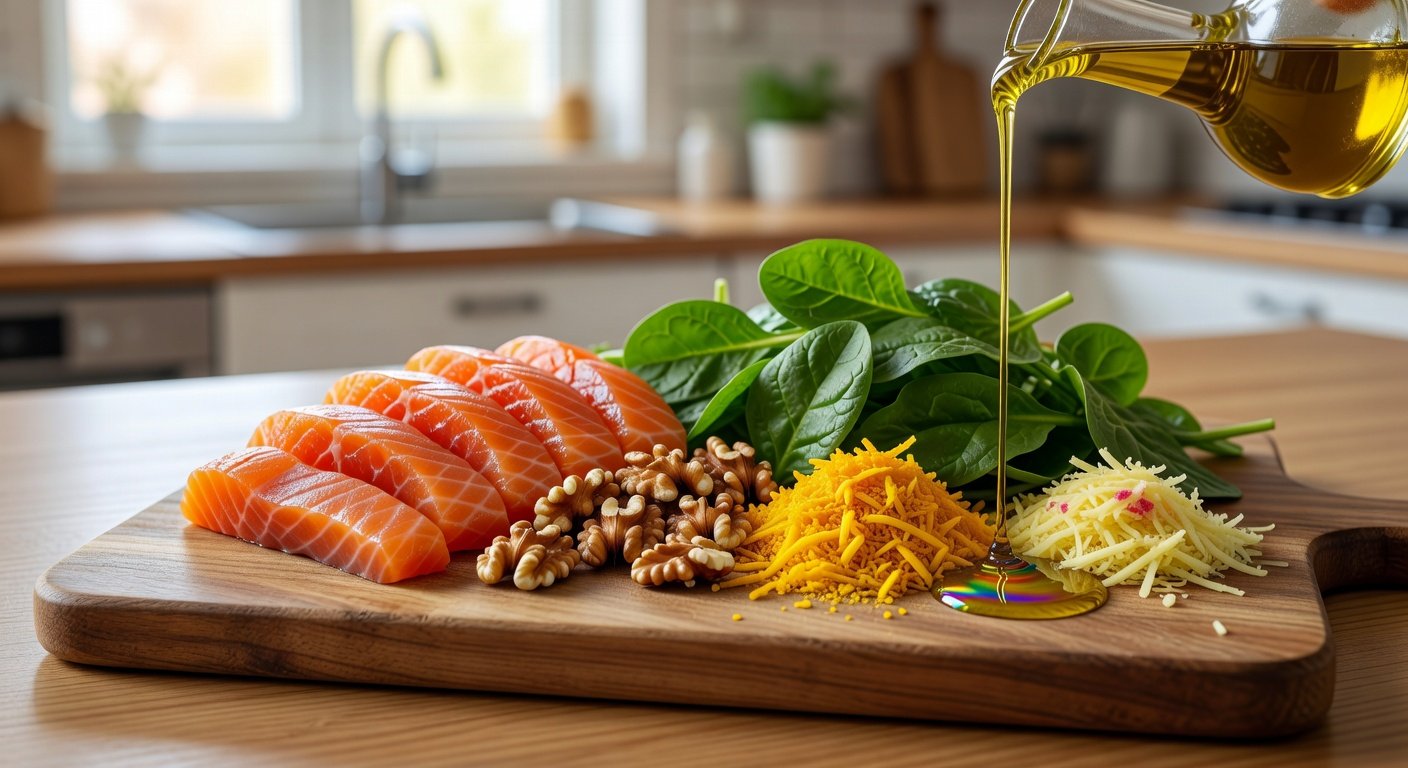
Recipe 1: Turmeric Salmon Spinach Bowl
Ingredients:
- 2 salmon fillets
- 4 cups spinach
- 1 tsp turmeric + black pepper
- 1 tbsp olive oil
- Juice of 1 lemon
- Bake salmon at 400°F for 12 mins with turmeric rub.
- Sauté spinach in oil.
- Top with salmon, lemon, and 1 oz crushed walnuts.
Nutrition (per serving): 450 cal, high omega-3s. Substitutions: Tofu for vegan; kale for spinach; almonds for walnuts.
Recipe 2: Ginger Kale Nut Stir-Fry
Ingredients:
- 4 cups kale
- 1-inch ginger, grated
- ½ cup mixed nuts
- 2 garlic cloves
- 1 tbsp olive oil
- Sauté garlic, ginger, oil 2 mins.
- Add kale, nuts; stir 5 mins.
- Serve over quinoa if desired.
Nutrition: 350 cal, fiber-packed. Substitutions: Spinach for kale (low-iron needs); pistachios for allergies; skip nuts for nut-free.
Recipe 3: Spiced Berry Nut Smoothie
Ingredients:
- 1 cup berries
- 1 oz almonds
- 1 tsp turmeric
- 1 cup spinach
- 1 cup almond milk
Blend all. Nutrition: 300 cal, antioxidant blast. Substitutions: Banana for berries (FODMAP); dairy milk for non-vegan; ginger for turmeric.
Pro tip: Pair with NIH Office of Dietary Supplements guidelines for optimal dosing.
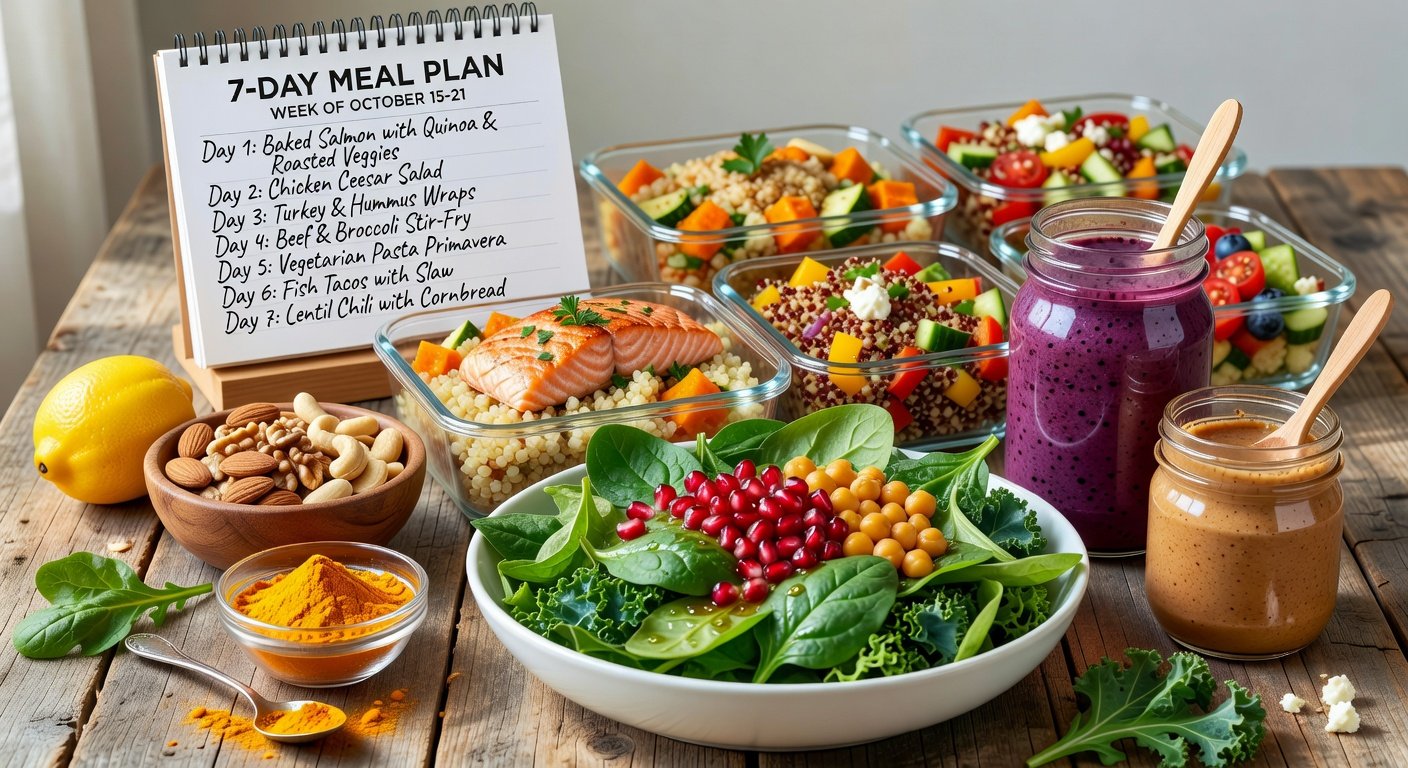
Make It Sustainable: Weekly Meal Plan
Shop once weekly: Day 1 salmon bowl, Day 3 stir-fry, daily smoothies. Track inflammation via apps or bloodwork. Consult a doctor for personalized advice, especially with conditions.
In 2026, anti-inflammatory eating is simpler than ever. Stock up, cook smart, and feel the difference—backed by science.
No comments yet. Be the first!