 Func Eats
Introduction: Merging Anti-Inflammatory Eating with Sustainability and Savings
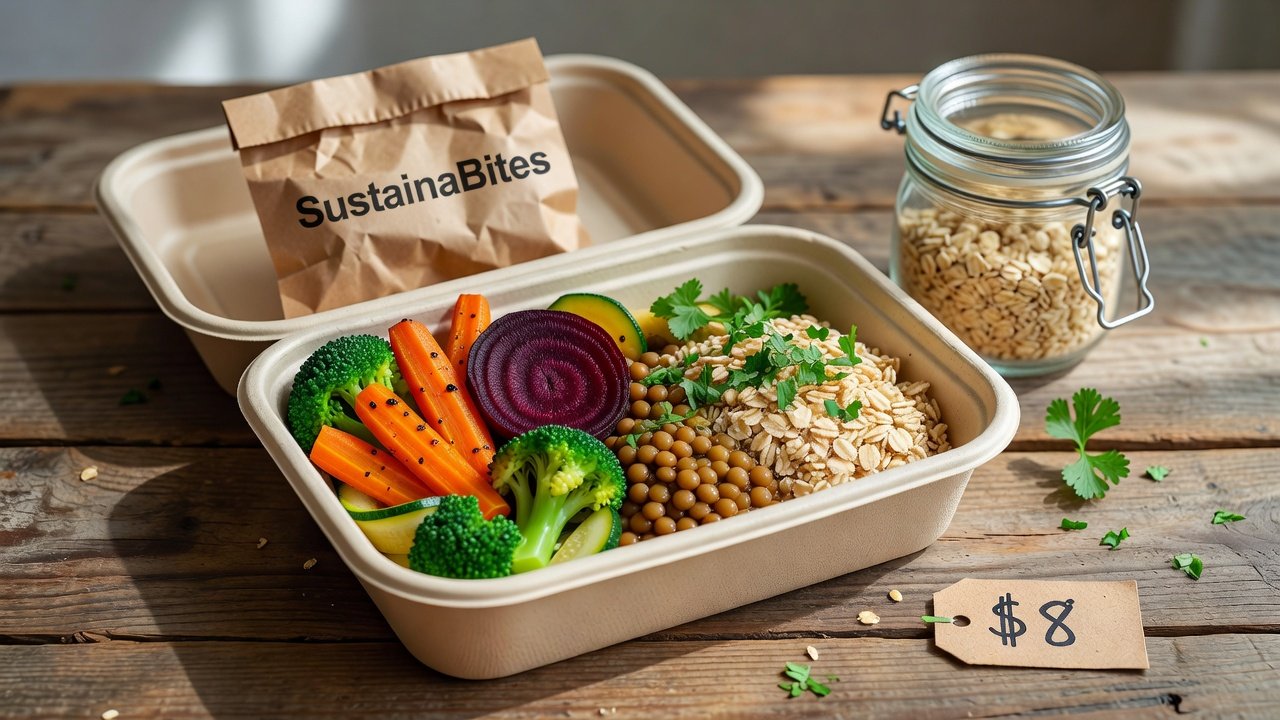
Searchers looking for a sustainable anti-inflammatory diet on a budget in 2026 often seek practical ways to reduce inflammation while lowering grocery costs and environmental impact. This approach combines nutrient-dense foods known to fight inflammation—such as leafy greens, berries, fatty fish alternatives, nuts, and spices—with strategies like buying seasonal produce and minimizing waste. Unlike standard anti-inflammatory plans that can feel expensive due to specialty items, a budget version emphasizes pantry staples and zero-waste techniques to keep costs down without sacrificing health benefits.
Research from authoritative sources like the Mayo Clinic highlights how chronic inflammation contributes to conditions like arthritis and heart disease. By focusing on whole foods and reducing processed items, you can achieve similar results to pricier plans while supporting eco-friendly habits. This article explores sourcing tips, meal prep methods, comparisons, and seven practical recipes—all under $8 per serving as of 2026-11-04. Readers searching this topic typically want actionable, cost-effective guidance that aligns personal health goals with broader sustainability efforts in the current economic climate.
Core Principles of a Sustainable Anti-Inflammatory Diet
Anti-inflammatory eating prioritizes foods rich in omega-3s, antioxidants, and fiber while avoiding refined sugars and trans fats. Sustainability adds layers: choosing seasonal produce cuts transportation emissions, and waste reduction strategies like using vegetable scraps for broth prevent landfill contributions. In 2026, rising awareness of climate impacts makes these practices essential for health-conscious consumers on tight budgets. Core foods such as beans, lentils, oats, cabbage, carrots, apples, turmeric, and ginger provide powerful compounds like curcumin and polyphenols that combat oxidative stress. These deliver inflammation-fighting compounds similar to more costly berries or salmon in traditional plans, but at a fraction of the price when sourced locally and seasonally.
Understanding the science behind these choices helps maintain motivation. For instance, turmeric's active ingredient has been studied for its ability to lower inflammatory markers, while fiber from beans supports gut health, which in turn influences systemic inflammation levels. Pairing this knowledge with practical application creates a sustainable lifestyle rather than a short-term diet.
Affordable Sourcing and Waste Reduction Strategies
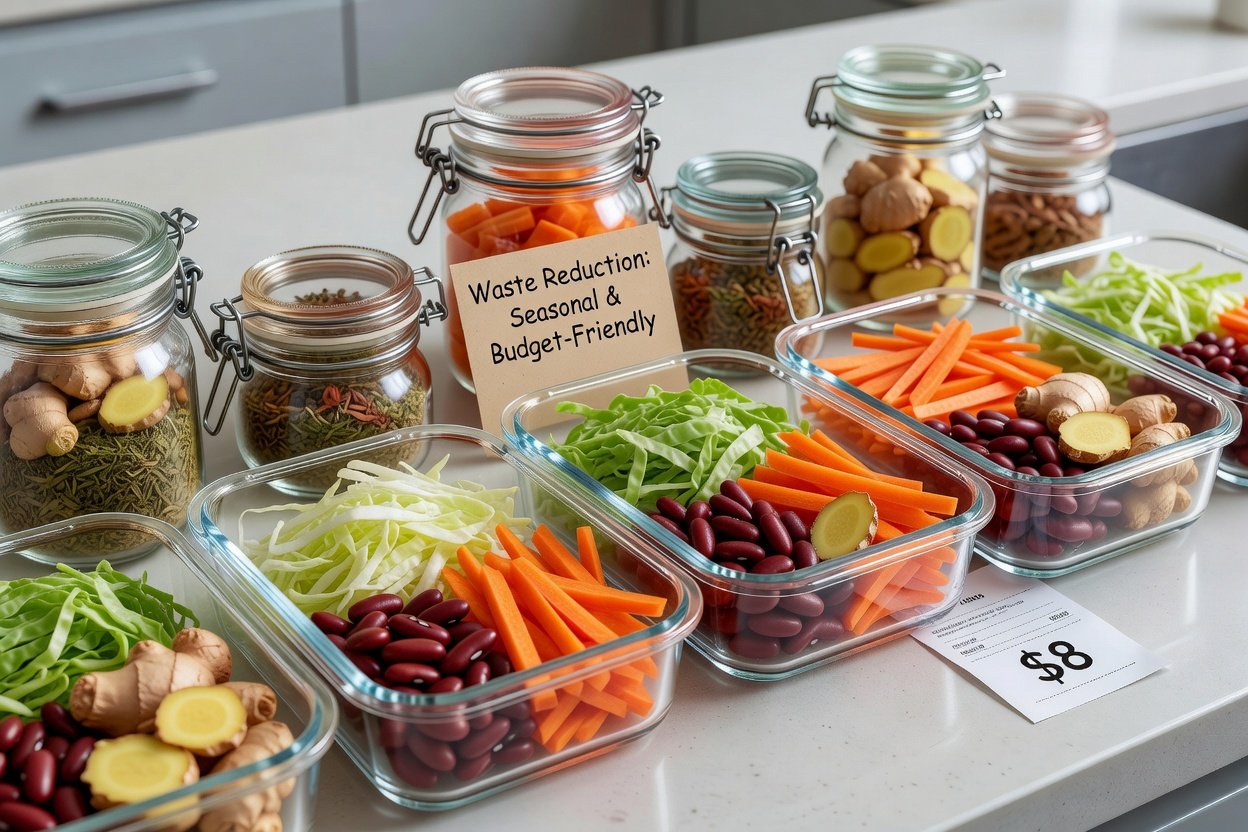
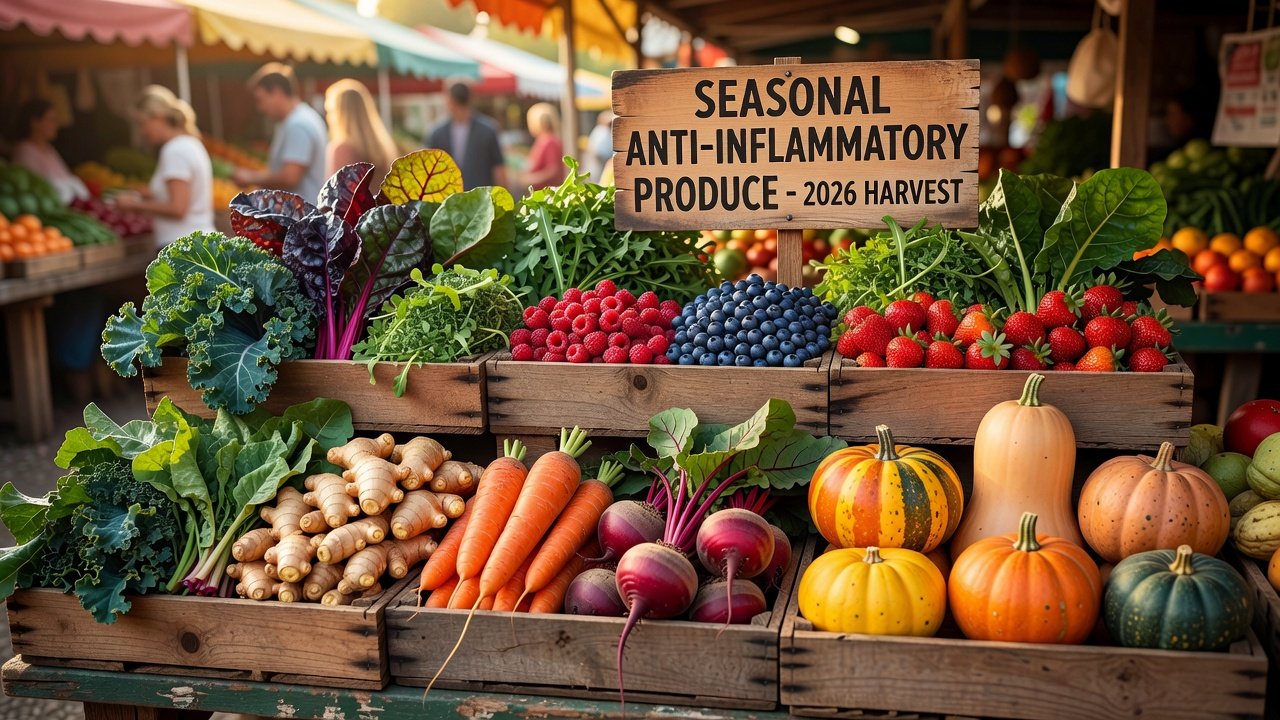
Shop at local markets or discount grocers for seasonal items like winter squash and root vegetables, which peak in flavor and price during colder months. Buy in bulk for staples such as dried beans and oats to slash per-unit costs by up to 40 percent compared to packaged versions. Minimize packaging by bringing reusable bags and containers, opting for loose produce over pre-packaged options. In 2026, many stores offer refill stations for grains and spices, further reducing plastic use.
Reduce waste by planning meals around what you already have and repurposing leftovers—turn roasted vegetable scraps into soups or use herb stems in teas. Freeze excess herbs in ice cube trays with olive oil for future use. These tactics align with environmental goals from sources like the National Institutes of Health, which connect dietary patterns to both personal and planetary health. Additional tips include joining community-supported agriculture shares for predictable seasonal deliveries and checking apps for discounted near-expiry produce that still retains full nutritional value.
Meal Prep Techniques for Efficiency and Savings
Batch cooking once or twice weekly saves time and money. Prepare large pots of lentil stew or grain bowls on Sunday, portion into reusable containers, and freeze extras. This method cuts daily decision fatigue and prevents impulse buys. Focus on versatile bases like quinoa or brown rice that pair with rotating seasonal veggies. Label containers with dates to rotate stock effectively and avoid spoilage.
Track inflammation improvements by noting symptoms in a journal—many report reduced joint pain within 4-6 weeks of consistent eating. Scale recipes easily for families by doubling ingredients while maintaining the same per-serving cost structure. Incorporate one-pot methods to minimize cleanup and energy use, aligning with sustainability principles. For example, cook a base of onions, garlic, and spices that can be divided into multiple dishes throughout the week, stretching ingredients further and reducing overall shopping trips.
7 Practical Recipes Under $8 Per Serving
Here are seven recipes designed for 2026 budgets, using pantry staples and costing under $8 per serving as of 2026-11-04. Each serves 4 and fights inflammation through anti-inflammatory ingredients. Detailed steps ensure even beginners can succeed while maximizing flavor and nutrition.
- Lentil Turmeric Soup: Sauté one onion, three garlic cloves, two carrots, and one teaspoon turmeric in olive oil. Add two cups dried lentils, six cups broth, and simmer 30 minutes. Season with salt and pepper. This dish provides high fiber and curcumin for gut and joint support.
- Chickpea Cabbage Stir-Fry: Drain two cans chickpeas, shred half a cabbage, mince ginger and garlic. Stir-fry in olive oil for 10 minutes. Serve over cooked oats or rice. The combination delivers plant protein and anti-inflammatory sulfur compounds from cabbage.
- Berry Oatmeal Bowls: Cook two cups rolled oats with water, top with one cup frozen berries, cinnamon, and a handful of walnuts. Quick to prepare and rich in antioxidants that help lower C-reactive protein levels.
- Bean and Root Vegetable Stew: Combine two cans white beans, two potatoes, three carrots, and rosemary in a pot with broth. Slow-cook for 45 minutes. Root vegetables add beta-carotene for immune and inflammatory balance.
- Ginger Carrot Salad: Grate four carrots, slice one apple, add fresh ginger dressing made with olive oil and lemon. Sprinkle pumpkin seeds. This raw dish preserves enzymes and provides easy digestion support.
- Spiced Quinoa Pilaf: Cook two cups quinoa with spinach, cumin, and a few dried apricots from the pantry. Fluff and serve warm. Quinoa's complete protein profile pairs well with anti-inflammatory spices.
- Herb-Infused Broth Bowl: Make broth from veggie scraps, add one cup barley and two cups kale. Simmer 25 minutes. This zero-waste recipe maximizes every ingredient for maximum value and minimal environmental impact.
Comparing to Standard Anti-Inflammatory Plans
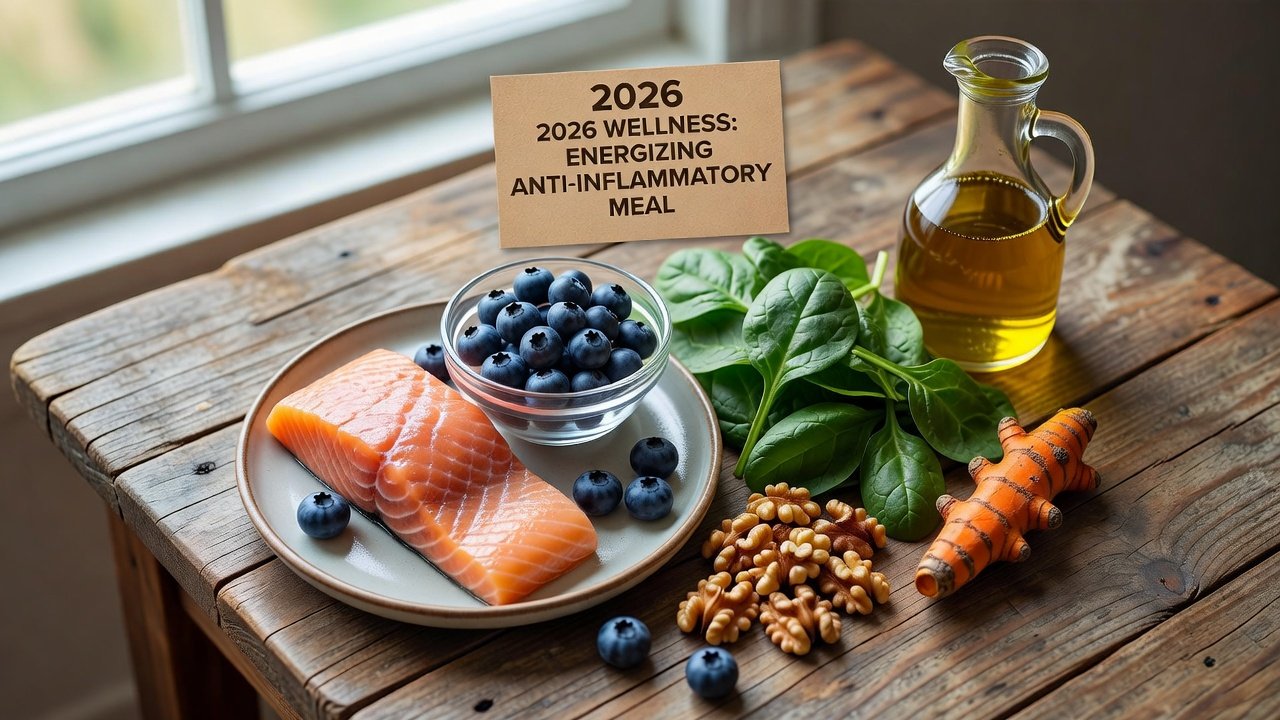
Traditional plans often recommend expensive items like fresh salmon or imported superfoods, pushing weekly costs higher by 50 percent or more. The sustainable budget version achieves comparable anti-inflammatory effects using local, seasonal swaps and waste-minimizing prep, making it more accessible for families while reducing environmental footprint. For example, replacing wild salmon with lentils maintains omega-3 benefits through ALA conversion while cutting costs dramatically. This approach also encourages mindfulness around consumption, leading to better long-term adherence than restrictive premium diets.
Common Mistakes to Avoid
Many beginners overlook proper seasoning, leading to bland meals that discourage continuation. Always taste and adjust spices like turmeric and ginger early. Another pitfall is not prepping enough variety, causing burnout—rotate recipes weekly. Finally, ignoring portion control can inflate costs; stick to planned servings to maintain the under-$8 target.
FAQ
How do I scale these recipes for a family of six?
Simply double or triple ingredient quantities proportionally. The per-serving cost remains under $8 as of 2026-11-04, and batch prep ensures leftovers freeze well for future meals. Adjust seasoning gradually to suit larger batches.
How can I track improvements in inflammation?
Monitor symptoms like joint stiffness or energy levels weekly. Consult a healthcare provider for blood markers if needed, and maintain consistency for 4-8 weeks to notice changes. Use a simple 1-10 scale for daily notes.
Are these recipes suitable for beginners?
Yes, they rely on simple techniques and common pantry items with step-by-step instructions that require minimal equipment. Start with one recipe per week to build confidence.
What if I have dietary restrictions like gluten-free needs?
Substitute oats with certified gluten-free grains and ensure broth is gluten-free. Most recipes adapt easily without increasing costs or losing anti-inflammatory properties.
How does this diet compare environmentally to standard eating?
By prioritizing seasonal and low-packaging items, it significantly lowers carbon emissions compared to imported or processed foods, as supported by global health guidelines from the World Health Organization.
Conclusion
Adopting a sustainable anti-inflammatory diet on a budget empowers you to improve health while supporting the planet in 2026. By leveraging seasonal produce, smart sourcing, and the recipes above, you can enjoy flavorful meals without overspending. Start small, track your progress, and enjoy the lasting benefits of reduced inflammation and lower waste.
No comments yet. Be the first!