 Func Eats
Understanding Chronic Inflammation and Why It Matters
Chronic inflammation is the silent culprit behind many modern health issues, from heart disease and diabetes to arthritis and even cognitive decline. Unlike acute inflammation, which is your body's short-term response to injury, chronic low-grade inflammation simmers in the background, fueled by poor diet, stress, and sedentary lifestyles. In 2026, with rising awareness of longevity and preventive health, diets targeting inflammation are more popular than ever.
Two powerhouse approaches stand out: the anti-inflammatory diet, rich in colorful fruits, vegetables, and spices, and the keto diet, a high-fat, low-carb regimen. But which one truly reigns supreme in the inflammation showdown? This article dives deep into their mechanisms, compares their effectiveness, shares pros and cons, provides sample recipes tailored for busy modern lives, and offers evidence-based tips to pick the winner for your goals.
What is the Anti-Inflammatory Diet?
The anti-inflammatory diet isn't a strict regimen but a flexible eating pattern inspired by Mediterranean and plant-based principles. It emphasizes foods that combat oxidative stress and inflammatory markers like C-reactive protein (CRP) and cytokines.
Key stars include:
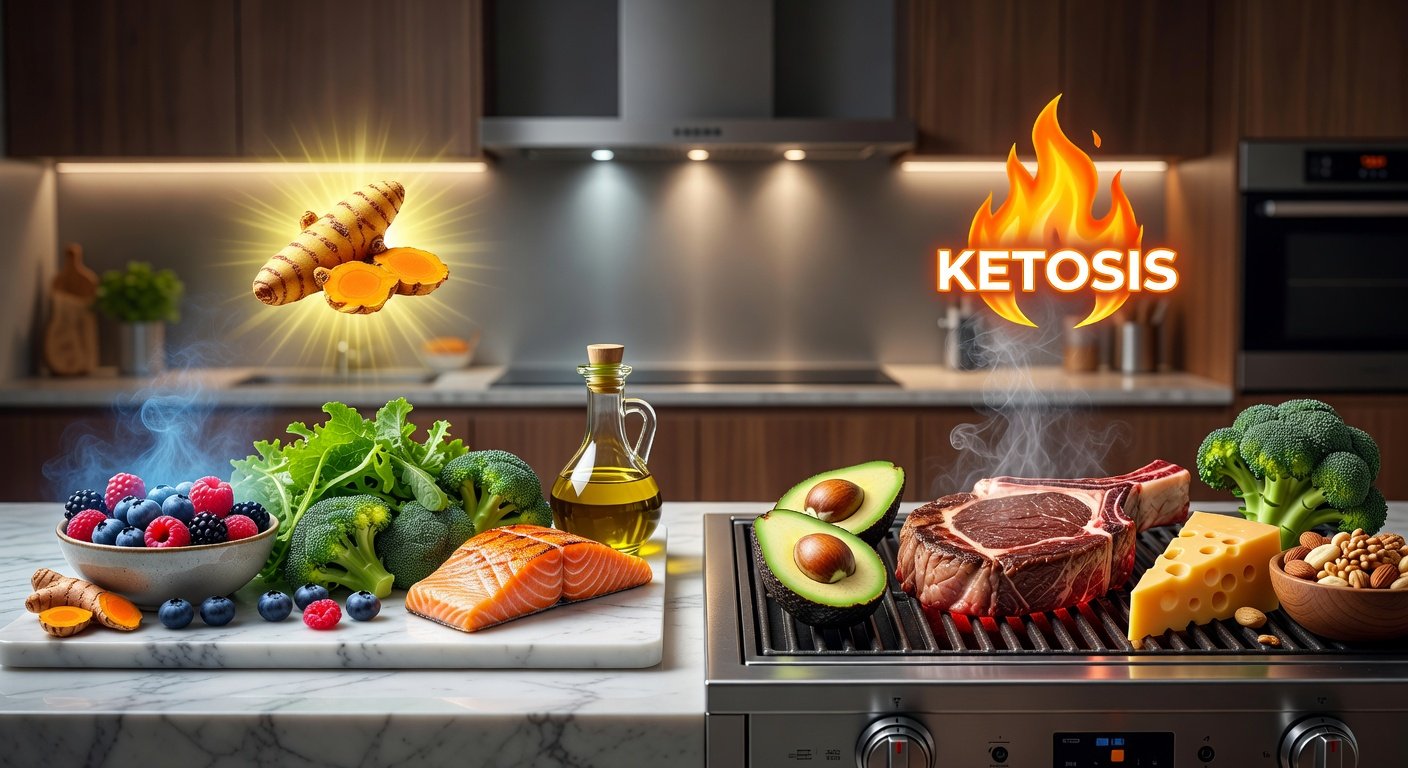
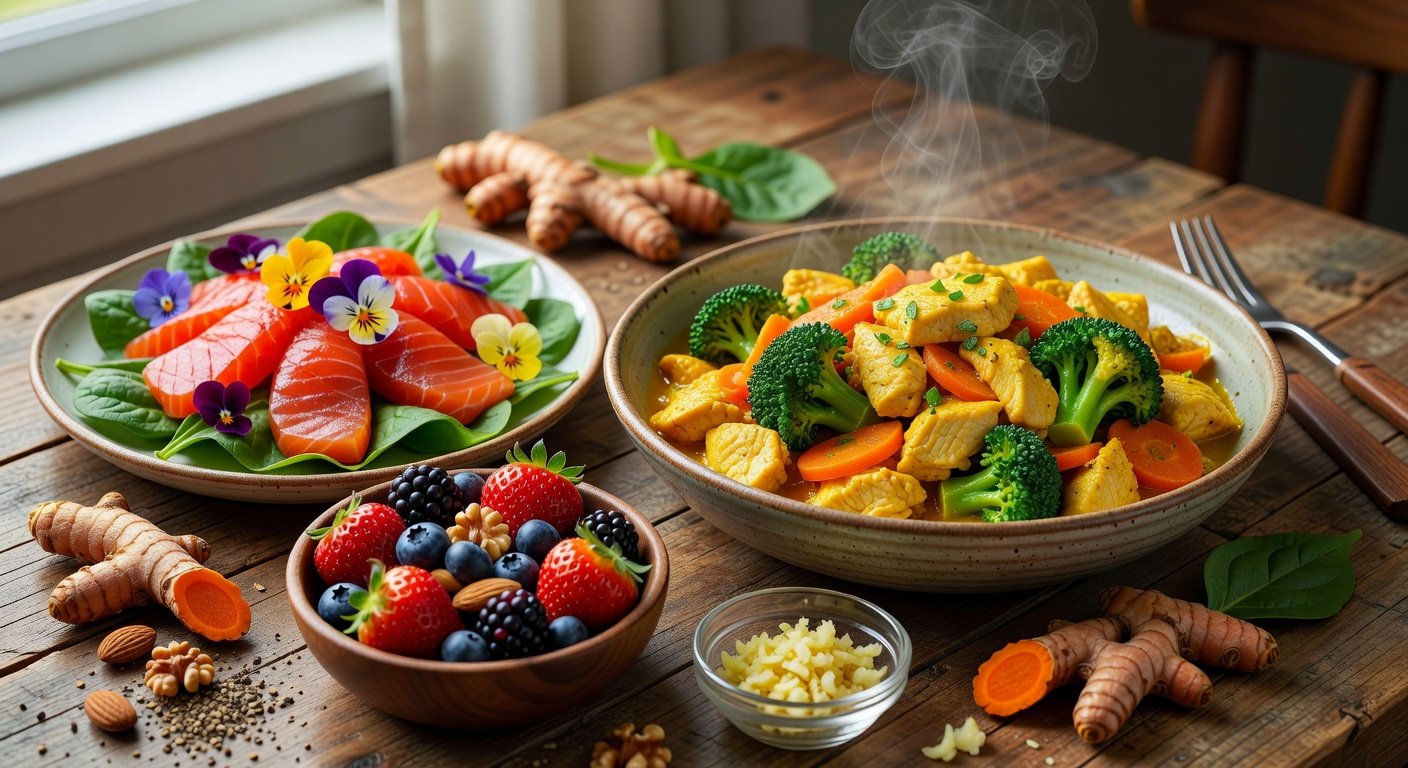
- Turmeric: Contains curcumin, a potent anti-inflammatory compound. Studies show it rivals some NSAIDs in reducing joint pain.
- Berries: Blueberries, strawberries, and raspberries are loaded with antioxidants like anthocyanins that neutralize free radicals.
- Fatty fish: Salmon and mackerel provide omega-3s, which dampen pro-inflammatory pathways.
- Leafy greens: Spinach and kale offer vitamins C and E, plus polyphenols.
- Nuts and olive oil: Monounsaturated fats and vitamin E for sustained anti-inflammatory effects.
Avoid processed foods, refined sugars, and trans fats, which spike inflammation. For more on foundational principles, check Harvard Health.
What is the Keto Diet?
The ketogenic (keto) diet shifts your body into ketosis, burning fat for fuel instead of carbs. Typically 70-80% fats, 15-20% protein, and under 5-10% carbs, it drastically cuts inflammation by stabilizing blood sugar and reducing insulin spikes—major inflammation triggers.
Keto staples include:
- Avocados and olive oil: Healthy fats that support ketone production.
- Meat and fatty fish: Grass-fed beef, bacon, and salmon for omega-3s and CLA (conjugated linoleic acid).
- Low-carb veggies: Broccoli, cauliflower, and zucchini to keep carbs minimal.
- Nuts and seeds: Macadamias and chia for fiber without carb overload.
- Dairy: Full-fat cheese and butter for satiety.
While effective short-term, long-term adherence can be challenging. Learn basics from Mayo Clinic.
Head-to-Head: Anti-Inflammatory Diet vs Keto on Inflammation
Both diets reduce inflammation, but through different paths. The anti-inflammatory diet floods your system with diverse antioxidants and phytonutrients, directly quenching inflammatory fires. Keto, meanwhile, tackles root causes like insulin resistance and gut dysbiosis via carb restriction and gut-healing fats.
Key Metrics Comparison:
| Aspect | Anti-Inflammatory Diet | Keto Diet |
|---|---|---|
| Inflammation Markers (CRP, IL-6) | 20-30% reduction (polyphenol-rich) | 25-40% reduction (ketosis-induced) |
| Weight Loss | Moderate, sustainable | Rapid initial, then plateaus |
| Gut Health | High fiber promotes diversity | Short-chain fats feed good bacteria |
| Sustainability | High (flexible) | Medium (restrictive) |
Recent meta-analyses, like those on PubMed, show keto excels in obese individuals with metabolic syndrome, dropping CRP by up to 40% in 12 weeks. Anti-inflammatory diets shine for autoimmune conditions, with turmeric supplementation enhancing effects.
Pros and Cons of Each Diet
Anti-Inflammatory Diet
Pros:
- Diverse, nutrient-dense foods prevent deficiencies.
- Supports heart health and longevity per Blue Zones research.
- Easy social integration—no carb counting.
Cons:
- Slower weight loss.
- Requires consistent veggie intake.
- May not suit severe insulin resistance.
Keto Diet
Pros:
- Quick appetite suppression and fat loss.
- Neurological benefits (e.g., epilepsy, Alzheimer's risk reduction).
- Reduces joint pain via lower body weight.
Cons:
- 'Keto flu' during adaptation.
- Potential nutrient gaps (fiber, electrolytes).
- Not ideal for athletes needing glycogen.
Sample Recipes for 2026 Lifestyles
These quick, meal-prep-friendly recipes fit hectic schedules with air fryers and one-pan methods.
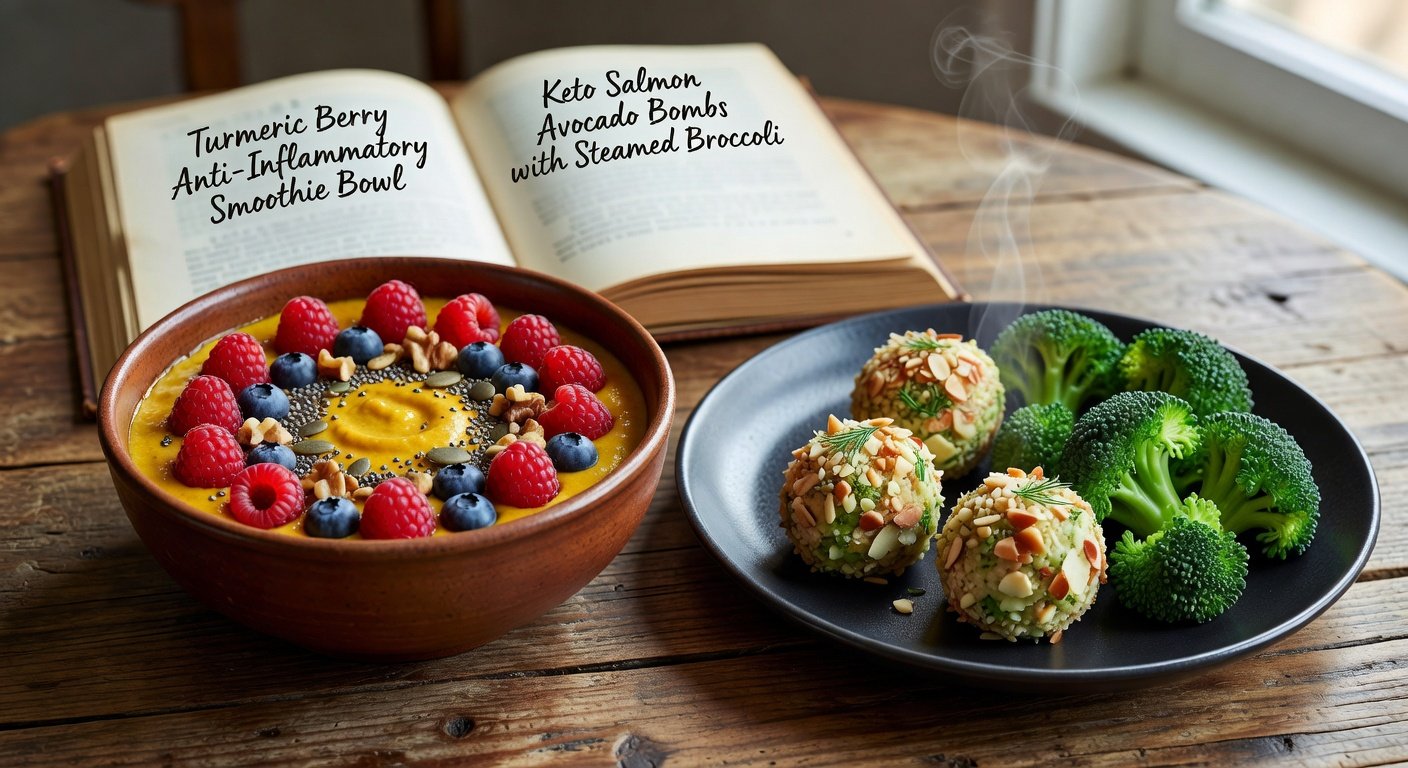
Anti-Inflammatory: Turmeric Berry Smoothie Bowl (5 mins)
- Blend 1 cup frozen berries, ½ banana, 1 tsp turmeric, 1 tbsp ginger, 1 cup almond milk, and a handful spinach.
- Top with chia seeds, walnuts, and coconut flakes.
- Nutrition: 300 cal, high antioxidants. Fight inflammation on-the-go!
Keto: Salmon Avocado Bombs (15 mins)
- Bake 4oz salmon with olive oil, garlic, and lemon at 400°F for 12 mins.
- Mash ½ avocado with salt, wrap around salmon bites.
- Side: Sautéed broccoli in butter. Total: 500 cal, zero-carb bliss.
Batch-prep for the week—perfect for hybrid work warriors.
Recent Studies and Science-Backed Insights
A 2023 randomized trial in The American Journal of Clinical Nutrition found keto reduced TNF-alpha (inflammation marker) more than low-fat diets in 8 weeks. Conversely, a 2024 Mediterranean (anti-inflammatory proxy) study on American Society for Nutrition site-linked research showed 25% arthritis improvement.
Hybrid approaches? Emerging 2026 trends blend both: keto with anti-inflammatory add-ins like turmeric keto fat bombs.
How to Choose the Best Diet for Your Goals
Pick Anti-Inflammatory if:
- You want long-term sustainability and variety.
- Focus: Autoimmunity, gut health, or heart disease.
- Test: Track CRP via bloodwork.
Pick Keto if:
- Metabolic issues like PCOS or prediabetes dominate.
- Short-term reset needed (8-12 weeks).
- Monitor ketones with strips/apps.
Tips to Avoid Mistakes:
- Start slow: Ease into keto to dodge flu; rotate anti-inflammatory foods.
- Hydrate and electrolyte-up on keto.
- Consult a doctor for meds or conditions.
- Track symptoms: Journal pain, energy, digestion.
Personalize via genetic tests or apps like MyFitnessPal for inflammation scores.
Conclusion: Your Inflammation Champion
No one-size-fits-all—anti-inflammatory wins for holistic, joyful eating; keto for rapid metabolic overhaul. Experiment for 4 weeks, measure biomarkers, and hybridize for 2026 optimization. Reclaim vitality by fueling smarter today.
No comments yet. Be the first!