 Func Eats
Introduction
Traveling frequently disrupts even the most disciplined eating routines, yet sticking to an anti-inflammatory diet remains achievable through careful preparation and flexible strategies. This dietary approach emphasizes foods packed with antioxidants, omega-3 fatty acids, fiber, and polyphenols while reducing intake of processed sugars, refined carbohydrates, and unhealthy fats that can trigger chronic inflammation. Whether navigating long-haul flights, road trips, or international adventures, the focus should be on anticipating obstacles such as restricted healthy choices, tight schedules, and unfamiliar food environments. By integrating these principles into your travel plans, you can sustain energy, support immune function, and minimize post-trip recovery time. Experts highlight that consistent adherence to anti-inflammatory eating patterns contributes to better joint mobility, mental clarity, and overall resilience during periods of stress and disruption.
Many travelers report improved outcomes when they treat their diet as a priority rather than an afterthought. This guide explores actionable methods to overcome common barriers while providing concrete examples drawn from real travel scenarios.
Understanding Common Travel Challenges
Airports, train stations, and highway rest stops often prioritize speed over nutrition, leading travelers toward packaged snacks loaded with preservatives and inflammatory additives. Time constraints during layovers or business meetings further complicate matters, as does the temptation of regional cuisines that may rely heavily on fried items or sugary sauces. Jet lag compounds these issues by altering circadian rhythms, which in turn affects digestion and appetite regulation. For instance, a professional attending back-to-back conferences might skip balanced meals in favor of quick pastries, resulting in bloating and fatigue. Recognizing these patterns early allows for targeted interventions like pre-planning meal windows and identifying reliable food sources at each destination. Studies from reputable institutions underscore the value of proactive nutrition management in mitigating travel-related inflammation.
Packing Portable Snacks and Meals
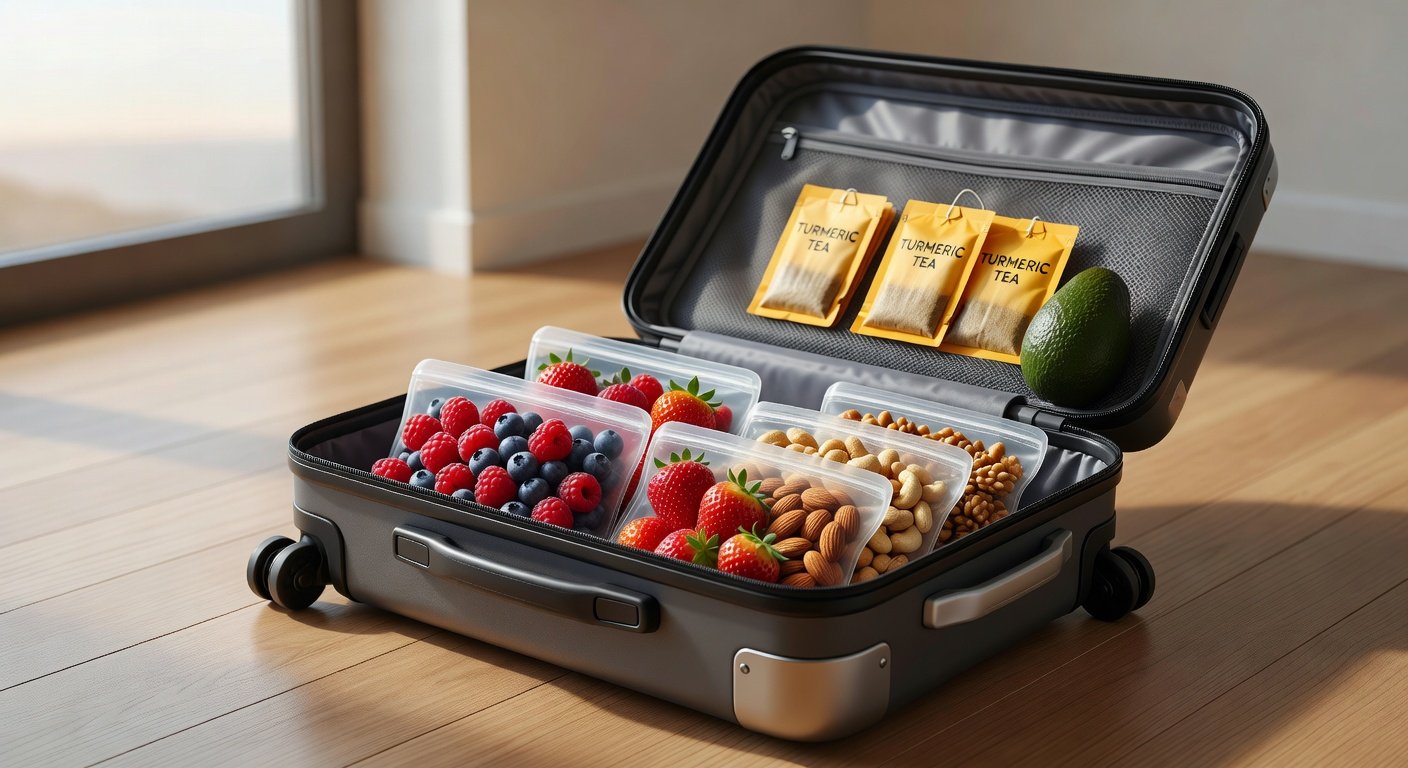
Effective packing forms the foundation of success. Focus on shelf-stable or easily transportable items that deliver sustained anti-inflammatory benefits without requiring refrigeration for short durations. Ideal options include raw or dry-roasted nuts such as almonds and walnuts, which provide healthy fats and vitamin E; seeds like pumpkin, chia, or flax for omega-3s and fiber; and antioxidant-rich dried fruits including goji berries or tart cherries. Include powdered superfoods such as turmeric, ginger, or matcha that can be mixed into hot water or plant-based milk obtained on the go. For longer journeys, consider vacuum-sealed portions of cooked quinoa or lentil salads prepared at home and stored in leak-proof containers.
A frequent flyer who logs over 100,000 miles annually keeps a dedicated travel pouch stocked with individual packets of almond butter, pre-measured spice blends, and dehydrated vegetable chips. This approach prevents reliance on airport vending machines. Another practical example involves assembling DIY trail mixes combining walnuts, pumpkin seeds, and cacao nibs for a satisfying crunch that curbs cravings without blood sugar spikes. Always check airline regulations for liquids and gels, opting for powders and solids whenever possible. Create a reusable checklist covering protein sources, healthy fats, complex carbohydrates, and hydration aids to ensure balanced nutrition throughout your trip.
- Raw or roasted almonds, walnuts, and cashews for sustained energy
- Chia or flax seeds to sprinkle on meals for added omega-3s
- Dried berries and tart cherries rich in antioxidants
- Canned sardines or tuna in olive oil for portable protein
- Turmeric and ginger tea bags for soothing beverages
- Dark chocolate bars with 70% or higher cocoa content
Choosing Restaurant Options Wisely
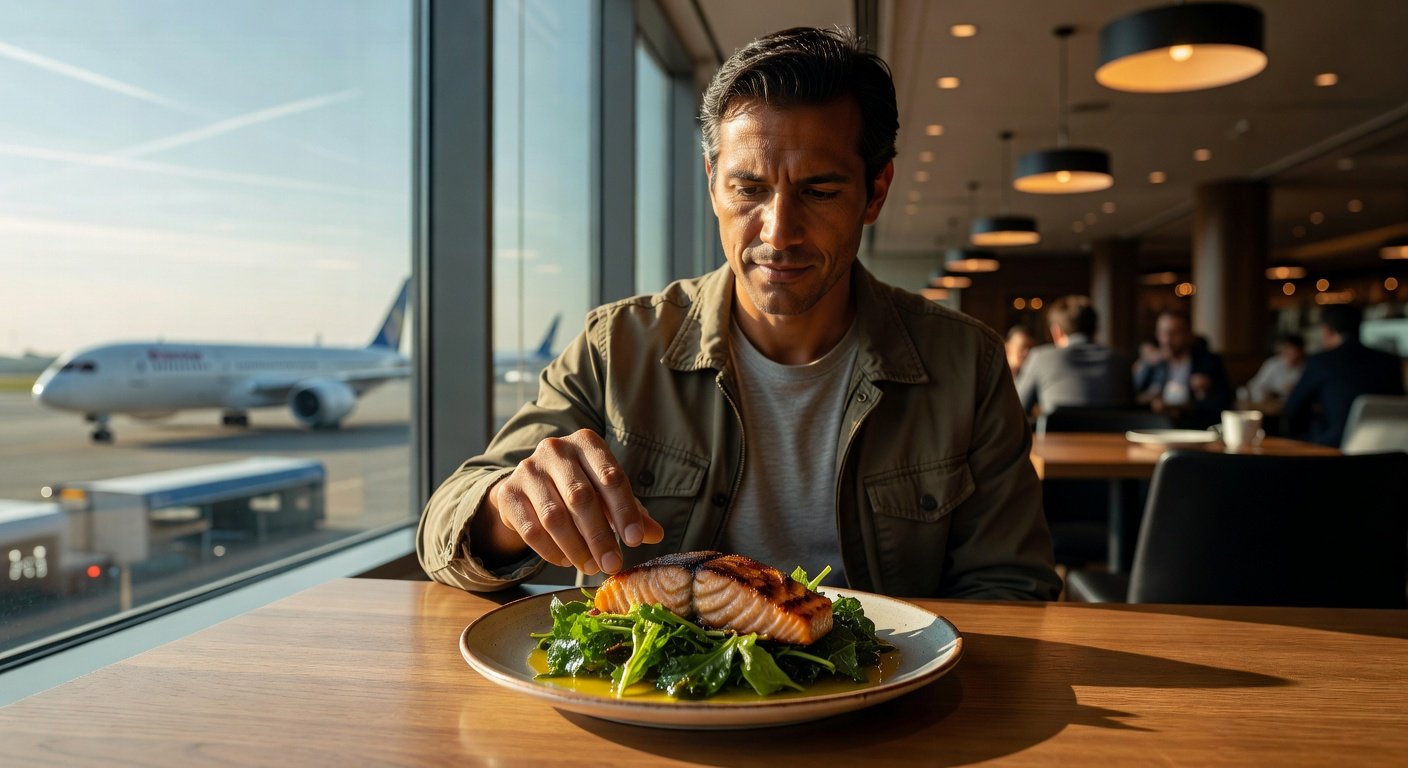
Restaurant meals require strategic navigation. Scan menus for grilled or baked proteins such as wild-caught fish, lean poultry, or plant-based alternatives like tofu and lentils. Prioritize vegetable-forward dishes prepared with olive oil, avocado, or nuts rather than creamy or fried preparations. Request modifications including dressings served separately, extra steamed vegetables, or substitutions like cauliflower rice instead of grains. International cuisines offer opportunities too: Mediterranean spots often feature olive oil and herbs, while Asian restaurants can provide ginger-based broths or seaweed salads when ordered thoughtfully.
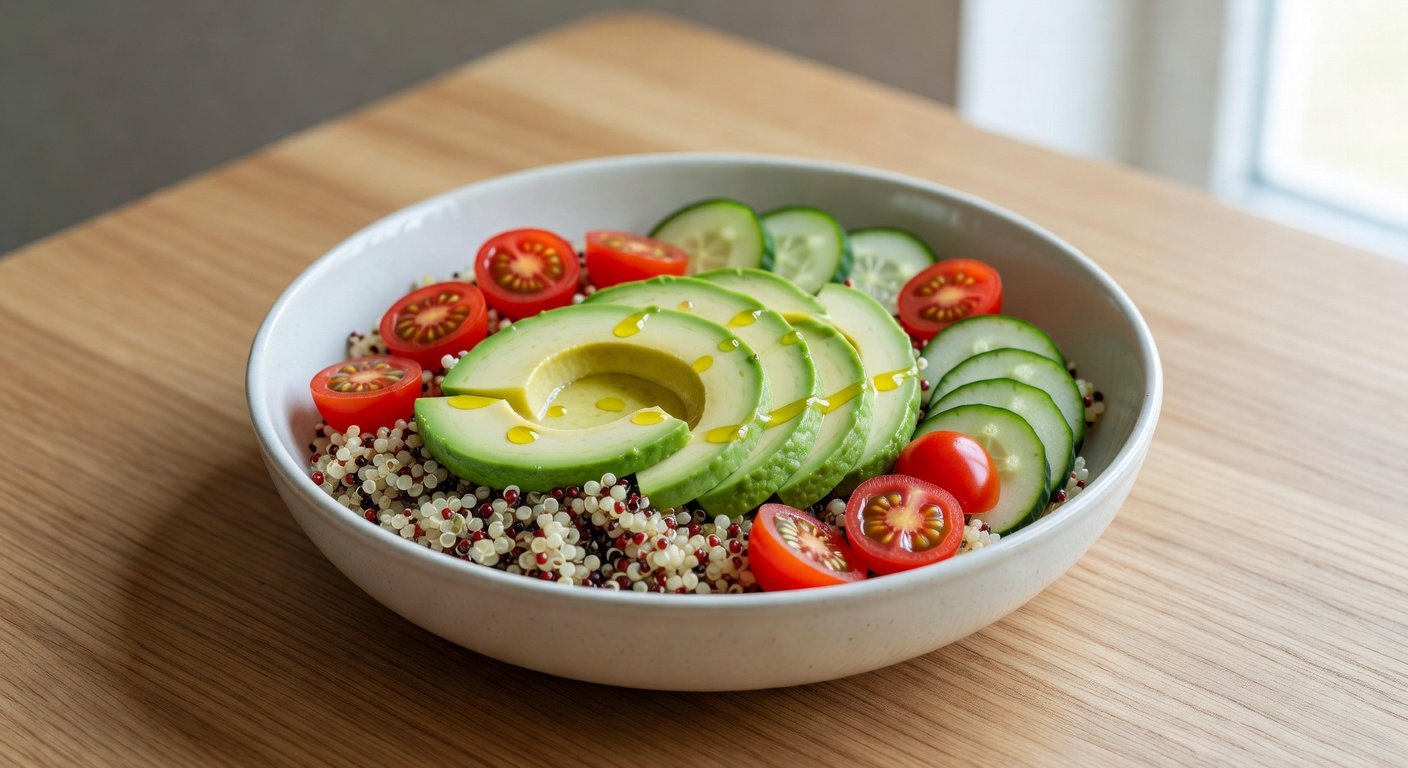
Real-world application includes a family vacation where parents selected a local eatery offering customizable grain bowls and asked for added spinach and salmon. This kept everyone aligned with dietary goals. Consult resources from Mayo Clinic for evidence-based guidance on inflammation-reducing ingredients when planning ahead.
Adapting Recipes for Hotel Rooms or Flights
Hotel accommodations frequently include microwaves, kettles, or small refrigerators that enable simple meal assembly. Prepare overnight oats using rolled oats, chia seeds, and frozen berries the evening before arrival. In the morning, top with a drizzle of nut butter for a complete breakfast. For lunch or dinner, combine canned beans with pre-washed greens and olive oil packets purchased locally. On flights, focus on portion control with pre-packed items and periodic movement to support circulation. A step-by-step method for golden milk involves mixing turmeric powder, black pepper, and a plant milk alternative in a travel mug, then requesting hot water from flight attendants.
Another adaptable recipe is a quick lentil soup: rehydrate dried lentils with boiling water and add powdered vegetable broth plus anti-inflammatory spices. These techniques transform limited facilities into functional kitchens.
Sample Daily Menu for Travelers
Breakfast: Overnight oats prepared with almond milk, chia seeds, blueberries, and a dash of cinnamon, assembled in a portable jar the previous night.
Mid-morning snack: A handful of mixed nuts and a piece of fresh fruit purchased at a market.
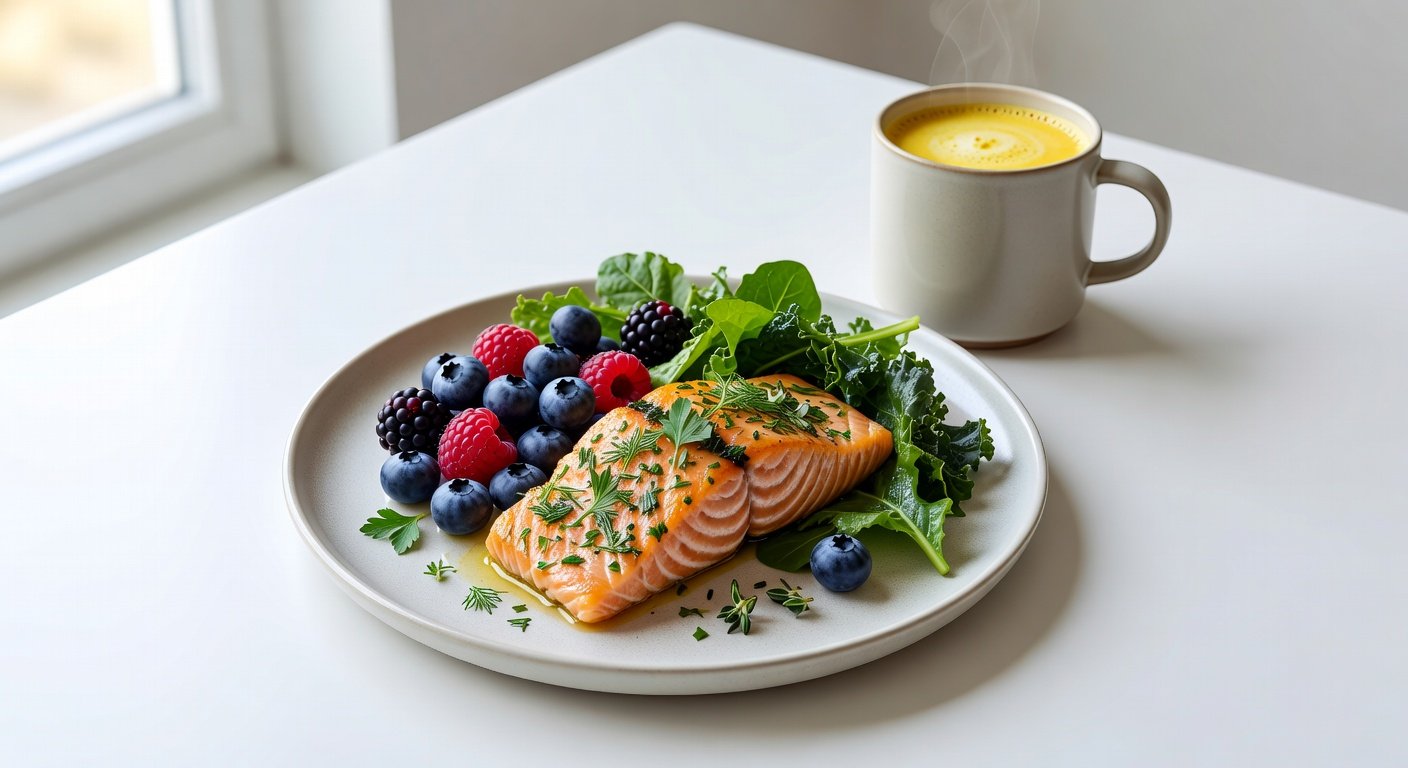
Lunch: Grilled salmon or chickpea salad with leafy greens, cucumbers, and olive oil vinaigrette from a nearby restaurant.
Afternoon pick-me-up: Carrot sticks paired with individual hummus cups or roasted chickpeas.
Dinner: Stir-fried broccoli, bell peppers, and tofu seasoned with ginger and garlic, sourced from takeout with custom instructions.
Evening wind-down: Ginger or turmeric tea to promote relaxation and digestion.
Repeat variations across multiple days by rotating proteins and vegetables to maintain interest and nutrient diversity.
Handling Jet Lag and Ingredient Substitutions
Jet lag disrupts metabolic processes, so align meal timing with the destination time zone immediately upon boarding. Stay hydrated with water infused by lemon slices or herbal teas. For substitutions, replace fresh spinach with powdered greens or use canned tomatoes when produce is unavailable. Common swaps include sardines for fresh fish, dried herbs for fresh varieties, and coconut yogurt for dairy-based options. Monitor portion sizes and incorporate short walks after meals to aid digestion and reduce inflammatory markers.
Additional Strategies for Long-Term Success
Beyond daily meals, consider mindful eating practices such as pausing between bites and avoiding screens during snacks. Research from health authorities like CDC supports combining nutrition with movement for optimal results. Track your intake via a simple notes app to identify patterns and refine future trips.
Frequently Asked Questions
How do I handle limited airport food options?
Prioritize packing the bulk of your meals and use airport options only as supplements, selecting fresh fruit, plain yogurt, or salads when available. Avoid sugary beverages and opt for herbal teas instead.
Can I maintain the diet on long road trips?
Absolutely. Plan stops at grocery stores for restocking rather than relying solely on fast food. Keep a cooler with prepped items and identify restaurants with healthy menus via apps beforehand.
What about ingredient allergies or preferences?
Focus on tolerated whole foods and always carry safe backup snacks. Communicate needs clearly when ordering and research local allergen-friendly spots in advance.
How does hydration factor into inflammation control?
Dehydration can exacerbate inflammatory responses, so carry a reusable bottle and aim for consistent water intake, flavoring it with anti-inflammatory additions like cucumber or mint when possible.
Conclusion
Mastering an anti-inflammatory diet while traveling empowers you to enjoy journeys with greater vitality and fewer setbacks. Begin by implementing one or two strategies on your next trip and gradually expand your toolkit. Resources such as World Health Organization provide further context on nutrition's role in wellness. With consistent effort, these habits become second nature, turning potential dietary pitfalls into opportunities for sustained health.
No comments yet. Be the first!