 Func Eats
Introduction to Advanced Anti-Inflammatory Strategies
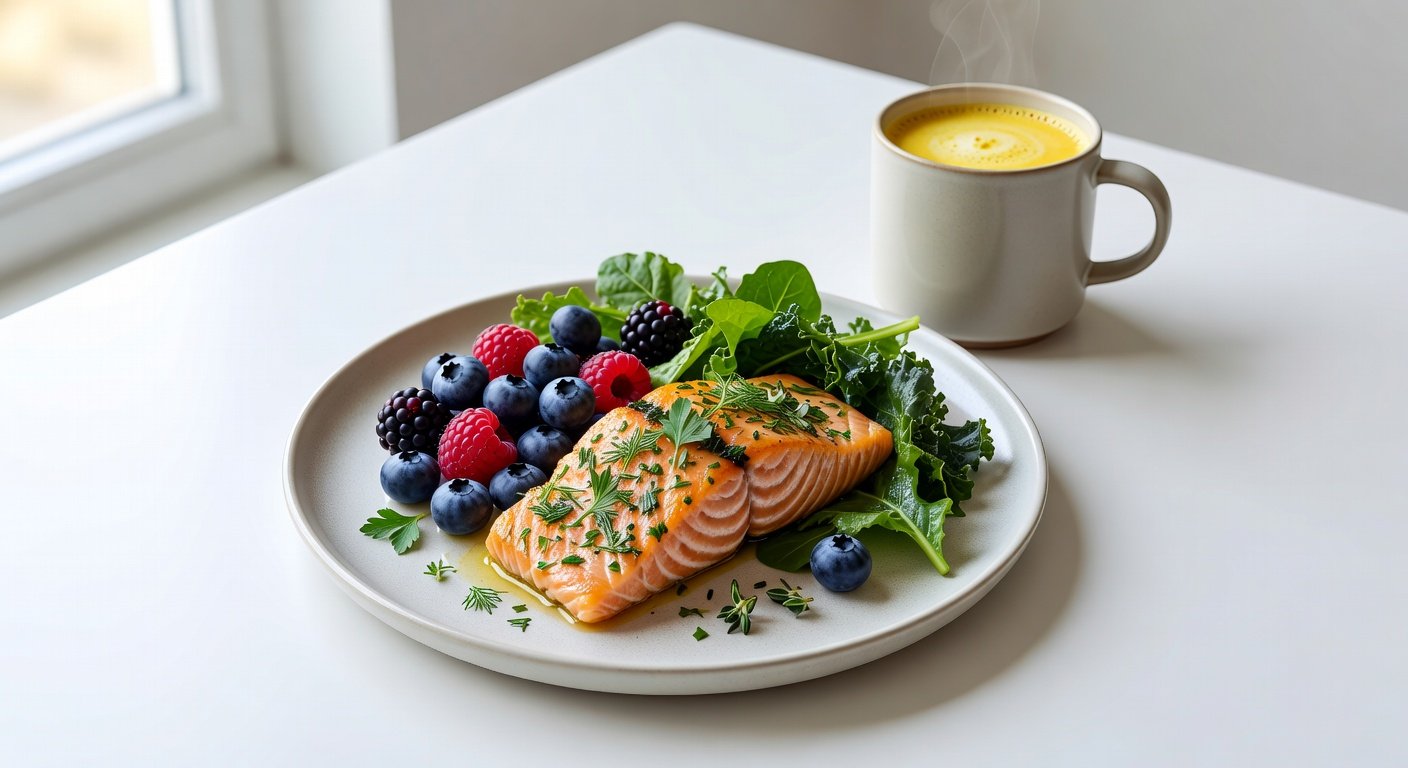
For readers who have already mastered foundational anti-inflammatory eating patterns such as incorporating fatty fish, berries, and leafy greens, 2026 presents a new frontier of optimization. This comprehensive guide delves into sophisticated methods that leverage timing precision, molecular synergies, biomarker tracking, and holistic lifestyle alignment. These techniques aim to deliver measurable reductions in inflammatory markers like C-reactive protein and interleukin-6, supported by emerging research trends emphasizing personalized nutrition and circadian biology. By moving beyond generic meal plans, individuals can achieve targeted outcomes through data-informed adjustments and advanced preparation methods.
Precision Food Timing for Maximum Impact
Aligning nutrient intake with the body's natural circadian rhythms can significantly amplify the anti-inflammatory effects of foods. Research indicates that consuming polyphenol-dense items like blueberries and green tea within a consistent 8- to 10-hour eating window enhances metabolic efficiency and lowers oxidative stress. For example, start the day at 8 AM with a timed smoothie featuring tart cherries and turmeric to kickstart antioxidant pathways. Midday meals around 1 PM should prioritize omega-3 sources such as wild salmon paired with cruciferous vegetables to support sustained energy without spiking inflammation. Evening intake by 6 PM, limited to lighter options like ginger-infused broths, allows for optimal overnight cellular repair. Practical implementation involves using smartphone apps to log meal times and observe patterns over 4-week cycles, adjusting windows based on energy fluctuations and sleep quality. This approach aligns with 2026 trends in chrononutrition, where timing becomes as critical as food selection itself.
Synergistic Herb Pairings
Herb combinations create multiplicative effects on inflammation pathways by targeting multiple enzymes simultaneously. Turmeric paired with black pepper boosts curcumin absorption dramatically, while adding ginger amplifies the trio's impact on COX-2 inhibition. Other powerful pairings include rosemary with oregano for enhanced carnosic acid activity against free radicals, and holy basil combined with cinnamon to modulate cortisol responses. In practice, create a daily tea blend by steeping 1 teaspoon each of fresh ginger, turmeric root, and rosemary for 10 minutes, then add a pinch of black pepper. These synergies extend to culinary applications, such as marinating proteins in herb mixtures 24 hours in advance to maximize flavor and bioavailability. Users report noticeable improvements in joint comfort and digestion after consistent use over 6 weeks.
Lab-Tracked Inflammation Reduction
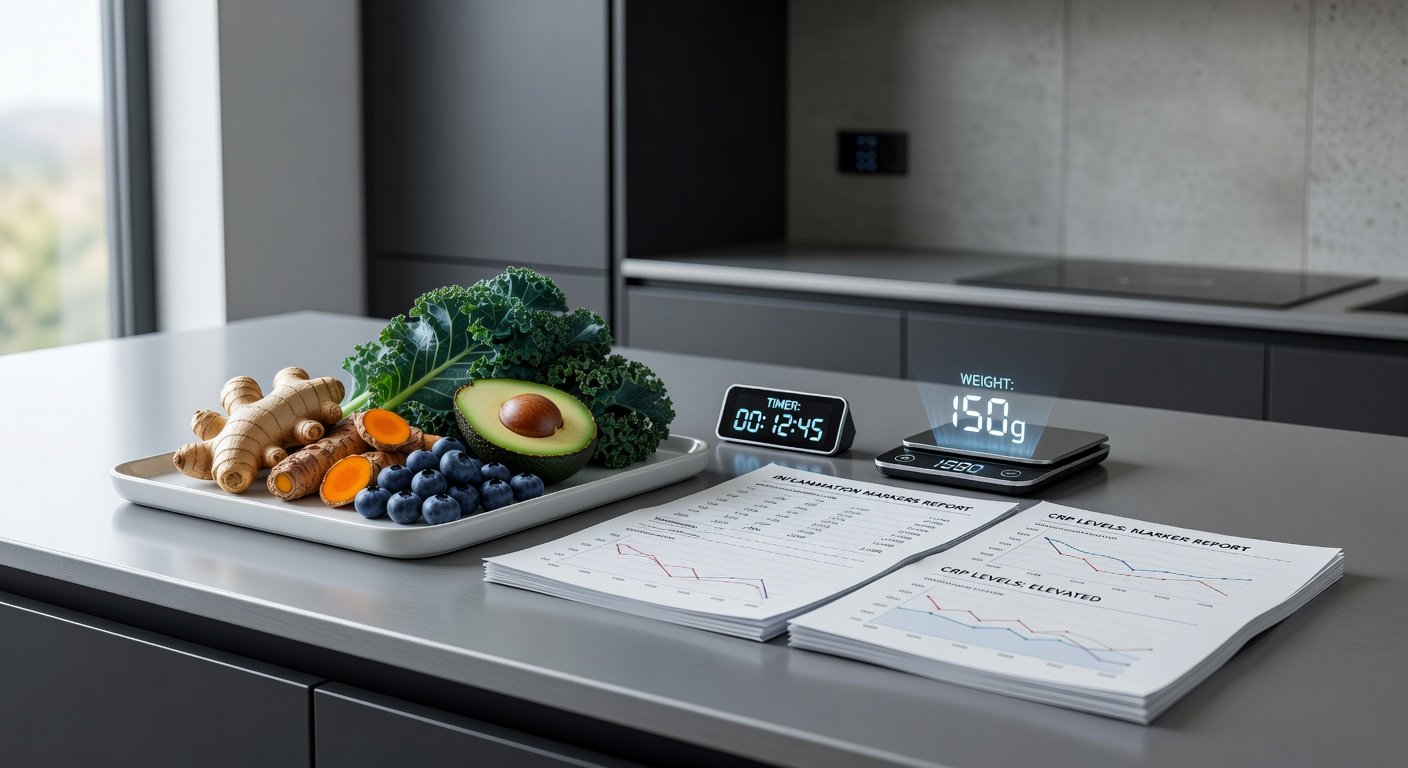
Objective measurement forms the cornerstone of advanced optimization. Schedule quarterly blood panels focusing on high-sensitivity CRP, IL-6, and homocysteine levels to quantify progress. Begin with a baseline test, then introduce targeted foods like extra servings of fatty fish or moringa powder and retest after 8 weeks. Track trends rather than single data points, aiming for a 20-30% reduction in CRP over 6 months. Integrate wearable devices that monitor heart rate variability as a proxy for systemic inflammation. Resources from Mayo Clinic emphasize combining lab data with dietary logs for accurate interpretation. This method allows precise tweaks, such as increasing specific superfood portions when markers plateau.
Advanced Cooking Techniques to Preserve Nutrients
Heat-sensitive compounds in anti-inflammatory foods degrade rapidly under improper preparation. Employ gentle steaming for broccoli and kale at 5-7 minutes to retain over 90% of glucosinolates. Sous-vide cooking of salmon at 52°C for 45 minutes preserves delicate omega-3 fats without oxidation. Fermentation techniques, such as making turmeric-ginger kraut, introduce probiotics that further reduce gut-derived inflammation. Avoid microwaving leafy greens, which can diminish antioxidant capacity; instead, use quick blanching followed by ice baths. Batch-prep staples like herb-infused olive oils stored in dark glass to maintain polyphenol integrity for up to 3 months.
Personalized Recipe Scaling
Customization based on individual metrics ensures sustainability and efficacy. Calculate daily targets using body weight and activity: for a 75 kg moderately active adult, aim for 400-500 grams of vegetables scaled proportionally. Adjust spice quantities linearly while maintaining ratios—for instance, double turmeric when scaling a recipe from 2 to 4 servings. Create modular templates where base recipes for smoothies or salads allow variable additions of herbs or seeds. Track responses in a journal noting symptoms like fatigue or joint stiffness after scaled meals to refine portions iteratively.
Integration with Sleep and Stress Management
Diet alone yields suboptimal results without addressing sleep and stress. Prioritize 7-9 hours of consistent sleep by consuming magnesium-rich foods like pumpkin seeds 2 hours before bed. Practice 10-minute mindful eating sessions to lower cortisol, which otherwise promotes inflammatory cascades. Combine evening meals with stress-reduction rituals such as herbal tea consumption alongside breathing exercises. Studies linked via National Center for Biotechnology Information demonstrate that integrated approaches reduce inflammatory markers more effectively than diet changes in isolation. Monitor progress by correlating sleep scores from trackers with weekly inflammation symptoms.
Weekly Optimization Examples
Implement a structured plan with daily variations:
- Monday: 8 AM timed berry-turmeric smoothie; 1 PM herb-marinated chicken with steamed greens; 6 PM light ginger broth.
- Tuesday: Focus on fermented additions like kimchi with lunch; evening stress-relief tea ritual.
- Wednesday: Midday omega-3 focus with lab review preparation; adjust portions based on prior energy logs.
- Thursday: Introduce moringa in salads; maintain strict 10-hour window.
- Friday: Full herb synergy dinner featuring rosemary-oregano fish; reflection on weekly markers.
- Saturday: Scale recipes upward for social meals while preserving ratios.
- Sunday: Rest day with lighter intake and extended sleep alignment.
Review and adjust every Sunday evening using biomarker trends and symptom journals.
Comparisons of Emerging Superfoods
Evaluate options for targeted inclusion. Matcha provides concentrated catechins superior to standard green tea for EGCG content. Moringa delivers higher iron and vitamin A levels than kale, supporting immune modulation. Tart cherries outperform common berries in anthocyanin density for sleep and recovery benefits. Compare against staples like turmeric by testing individual tolerance through 2-week rotations and noting inflammatory symptom changes. Authoritative overviews from World Health Organization support evidence-based selection of functional foods for chronic inflammation management.
Addressing Plateaus and Sustainability
FAQ
Q: What causes a plateau after initial improvements? A: Common triggers include inconsistent timing or overlooked stress factors. Solution: Reintroduce lab testing and rotate herb pairings every 4 weeks while extending sleep hygiene practices.
Q: How to ensure long-term adherence without burnout? A: Build flexibility by preparing modular components in advance and varying superfood rotations seasonally. Focus on enjoyment through flavor experimentation rather than strict rules.
Q: Are there risks with advanced tracking? A: Over-reliance on numbers can increase anxiety; balance data with intuitive body awareness and consult professionals for interpretation.
Additional context on dietary inflammation research is accessible through established health databases.
Conclusion
By integrating precision timing, synergistic pairings, lab monitoring, and lifestyle factors, experienced practitioners can elevate their anti-inflammatory diet to new levels of effectiveness in 2026. Consistent application of these techniques yields sustainable health optimizations grounded in measurable outcomes and practical adaptability.
No comments yet. Be the first!