 Func Eats
Understanding the Gut-Brain-Inflammation Connection
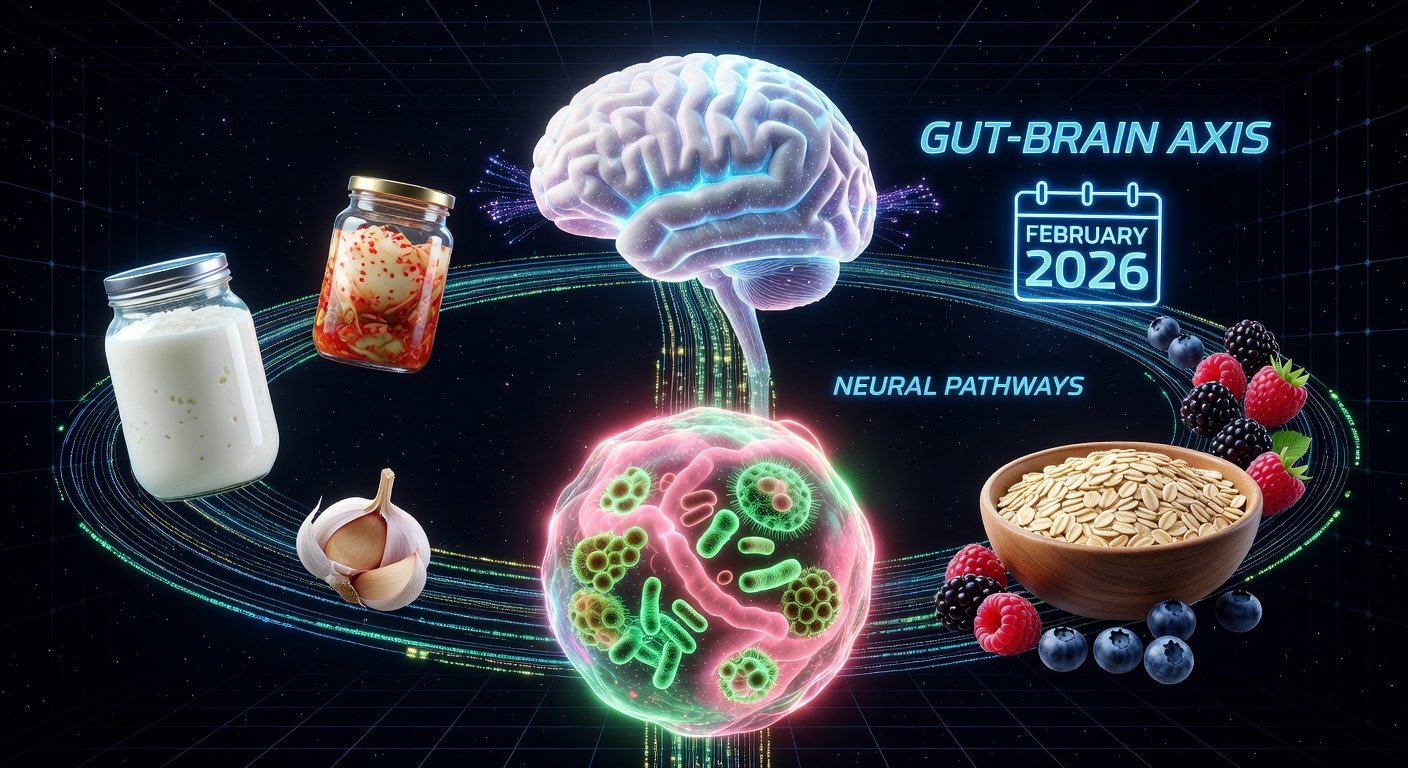
Chronic low-grade inflammation contributes to brain fog, memory lapses, and long-term cognitive decline. The gut microbiome communicates directly with the brain through the vagus nerve and inflammatory signaling molecules. When the gut barrier weakens, pro-inflammatory cytokines travel to the brain, increasing oxidative stress and impairing neurotransmitter balance. Anti-inflammatory nootropic foods interrupt this cycle by supplying polyphenols, omega-3s, and antioxidants that calm microglial activation and strengthen tight junctions in the intestinal lining.
Mechanisms Backed by 2026 Research
Recent studies published in 2026 confirm that curcumin from turmeric downregulates NF-κB pathways while boosting BDNF levels for neurogenesis. Anthocyanins in berries cross the blood-brain barrier to neutralize reactive oxygen species. Omega-3 fatty acids from fish incorporate into neuronal membranes, improving fluidity and reducing cytokine production. Leafy greens deliver folate and vitamin K that support methylation and reduce homocysteine, a known neurotoxin.
Top Anti-Inflammatory Nootropic Foods
- Turmeric – curcumin provides potent NF-κB inhibition
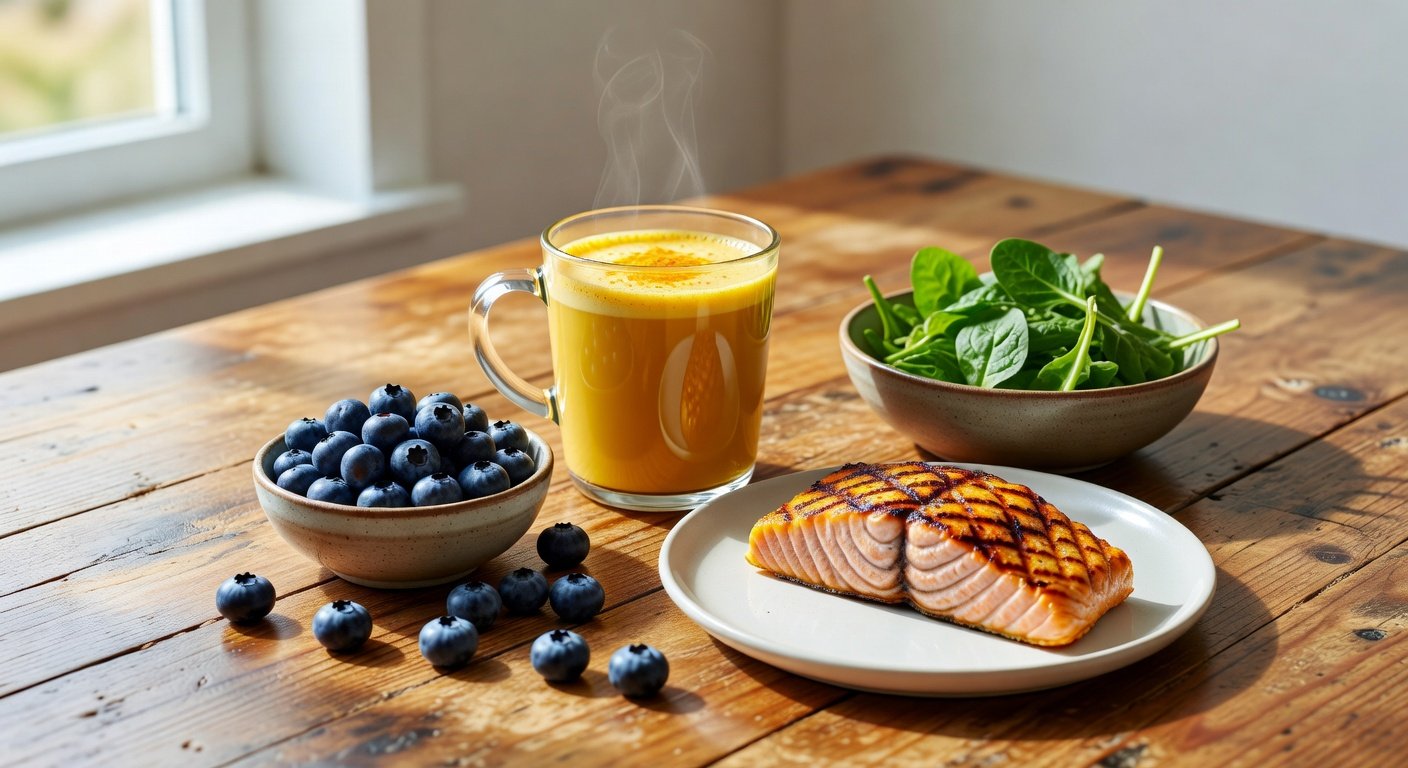
- Blueberries & strawberries – rich in anthocyanins for memory support
- Wild salmon & sardines – supply DHA and EPA for membrane health
- Spinach, kale & Swiss chard – packed with folate and lutein
Four Easy Recipes to Get Started
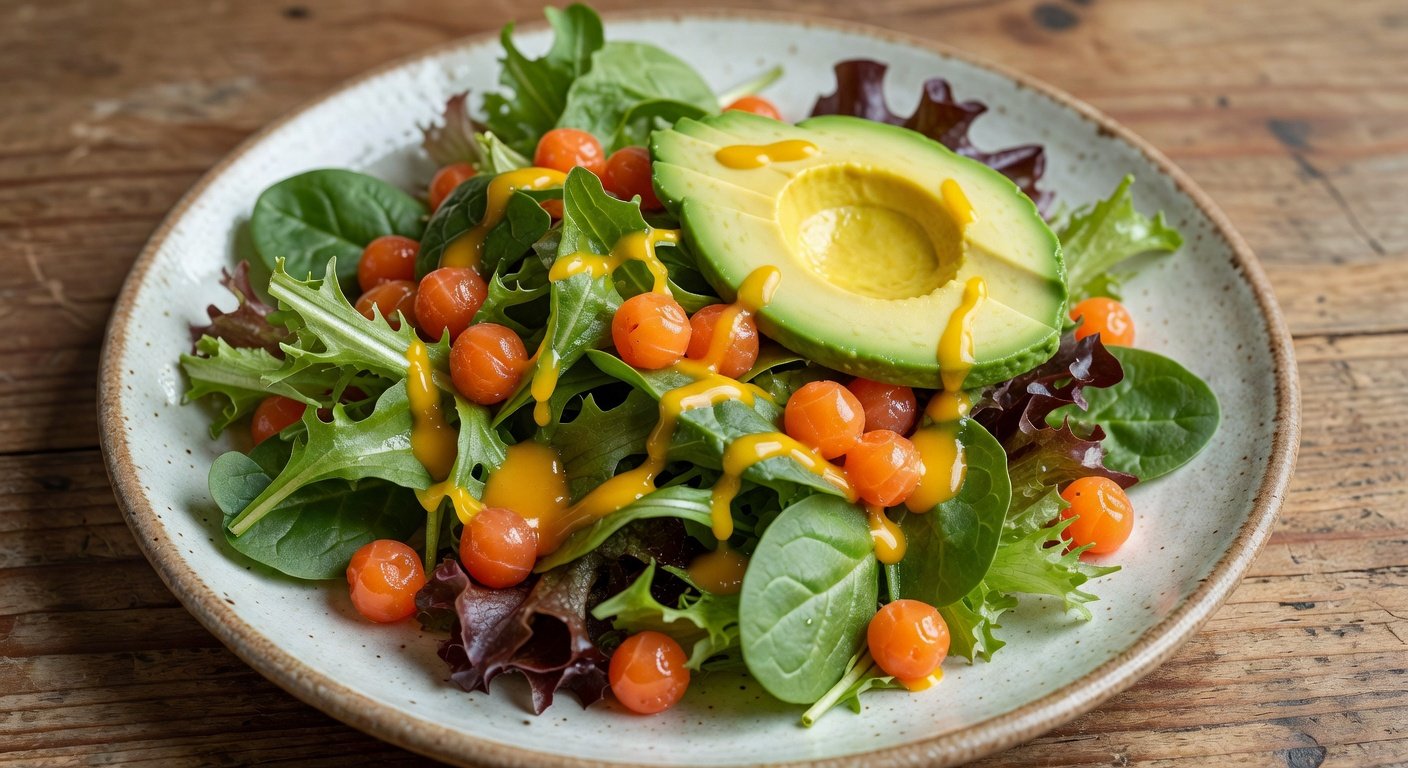
Golden Turmeric Latte: Warm almond milk with 1 tsp turmeric, pinch of black pepper, and honey. Salmon Berry Salad: Grilled salmon over mixed greens, blueberries, avocado, and olive-oil dressing. Green Brain Smoothie: Spinach, frozen berries, flaxseed, and Greek yogurt. Turmeric Roasted Vegetables: Cauliflower and kale tossed with turmeric and olive oil, roasted until crisp.
Daily Integration Steps
- Start the day with a golden latte or berry smoothie
- Include one serving of fatty fish three times weekly
- Add a large handful of leafy greens to lunch and dinner
- Snack on fresh berries instead of processed sweets
Foods to Limit or Avoid
Common pro-inflammatory choices such as refined sugars, processed meats, and excessive omega-6 oils from fried foods promote cytokine release and impair cognition. Replacing these with the foods above yields measurable improvements in focus within four to six weeks.
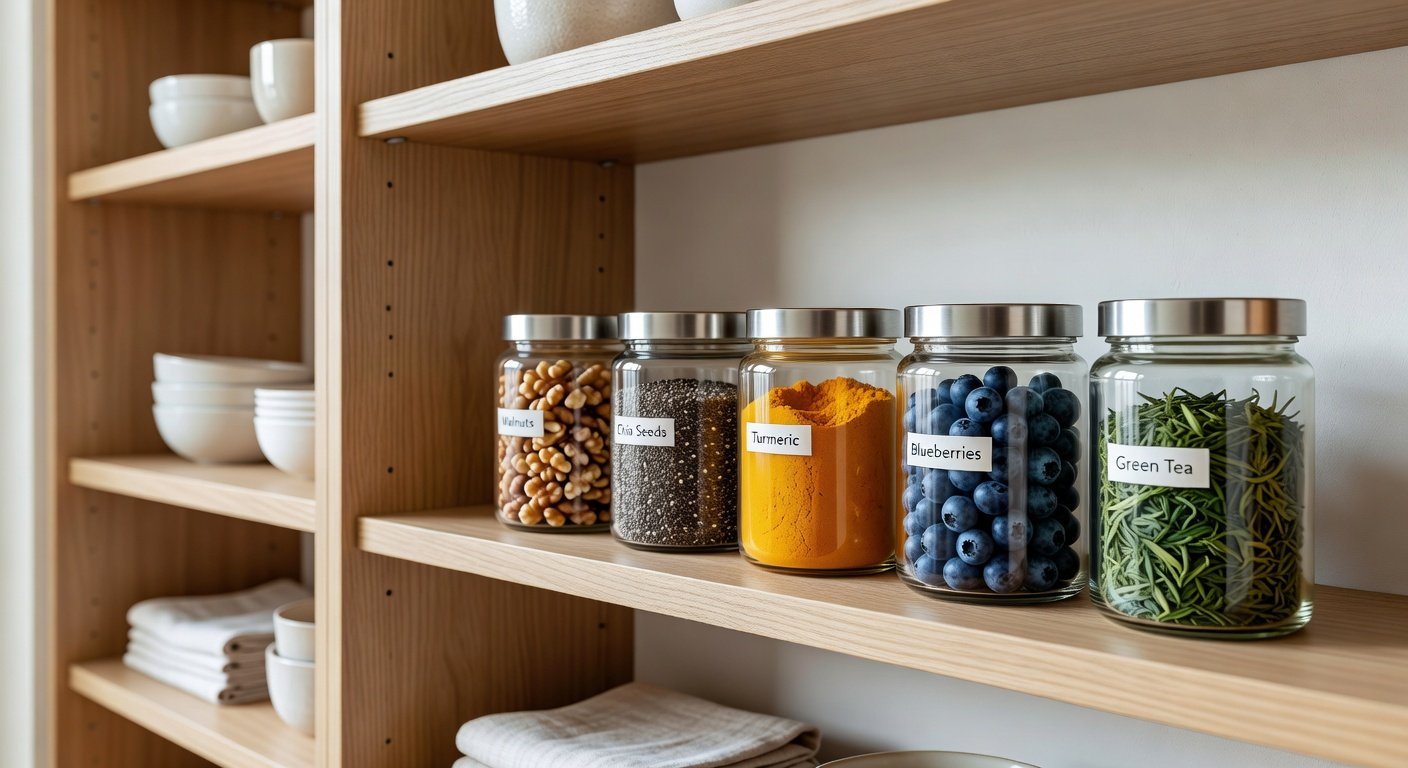
Shopping List for Brain Protection
- Fresh turmeric root and ground turmeric
- Organic blueberries and strawberries
- Wild-caught salmon or canned sardines
- Spinach, kale, and mixed salad greens
- Extra-virgin olive oil and black pepper
FAQ: Dosage and Safety
How much turmeric should I consume daily? Aim for 500–1000 mg of curcumin with black pepper for absorption. Is it safe to eat fatty fish every day? Two to three servings weekly provide optimal omega-3 levels without mercury concerns. Can children use these foods? Yes, in age-appropriate portions they support developing brains. Always consult a healthcare provider before starting supplements if you take medications.
Conclusion
Adopting these anti-inflammatory nootropic foods creates a sustainable foundation for lifelong brain health. Small, consistent dietary shifts deliver compounding benefits for focus, memory, and mood while lowering inflammation throughout the body.
No comments yet. Be the first!