 Func Eats
Introduction: Why a Nootropic Pantry Matters in 2026
Busy adults often seek quick fixes for focus and memory, yet sustainable cognitive nutrition comes from consistent daily habits rather than short-term supplements. Building a nootropic pantry provides versatile staples that support long-term brain health without complex meal plans or restrictive diets. Recent 2026 research from institutions like the National Institute on Aging highlights how regular intake of nutrient-dense foods can improve neuroplasticity, enhance memory retention, and reduce the risk of cognitive decline over time. This approach targets busy professionals and parents who need practical, repeatable strategies that fit into existing routines.
This comprehensive guide covers selecting versatile staples, comparing whole versus minimally processed options, mastering storage techniques, and integrating foods seamlessly into hectic schedules. You will find detailed shopping lists, step-by-step prep methods, real-world examples, and an expanded FAQ that addresses shelf life, cost considerations, and optimal food combinations. By the end, you will have a clear blueprint for creating a pantry that delivers consistent cognitive nutrition year-round.
Understanding Nootropics Through Everyday Foods
Nootropics are natural or synthetic compounds that enhance cognitive functions such as attention, memory, and executive function. While isolated supplements are popular, whole foods deliver a broader spectrum of synergistic nutrients including omega-3 fatty acids, polyphenols, flavonoids, and essential B vitamins. These compounds work together to support neurotransmitter production, reduce oxidative stress, and promote healthy blood flow to the brain. Studies published in 2026 emphasize that consistent dietary patterns built around everyday foods outperform sporadic supplementation for sustained mental clarity and resilience against age-related decline.
Key mechanisms include the anti-inflammatory effects of curcumin from turmeric and the neuroprotective properties of anthocyanins found in berries. Incorporating these foods daily creates cumulative benefits that support hippocampal health and overall cognitive performance without requiring major lifestyle overhauls.
Essential Staples for Your Nootropic Pantry
Focus on versatile, shelf-stable items that store well and pair easily with minimal preparation. Prioritize these core categories for maximum impact:
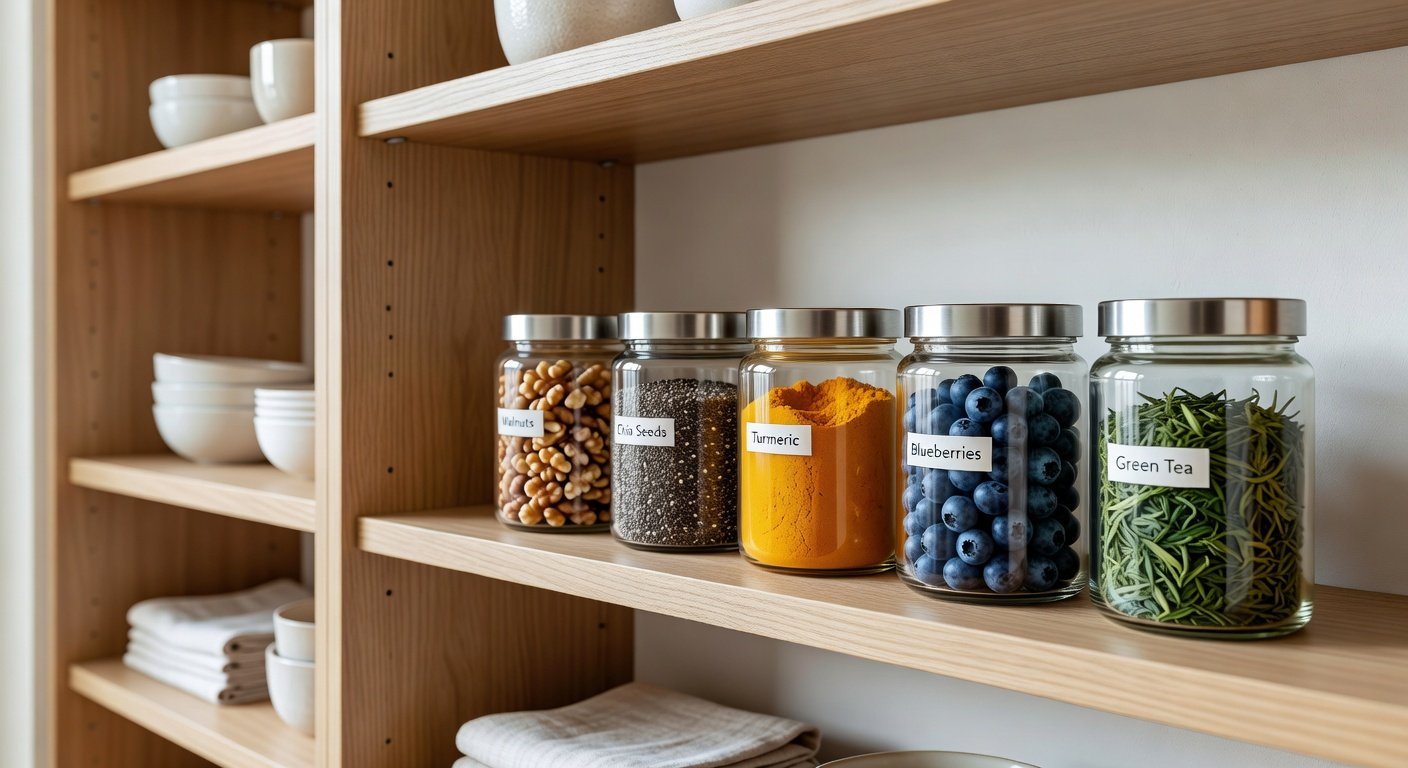
- Walnuts and almonds: Rich in vitamin E and healthy fats that protect brain cell membranes. A handful daily supports focus during long work sessions.
- Blueberries and dried goji berries: Packed with antioxidants that combat free radicals linked to cognitive fatigue. Use fresh or frozen for smoothies and snacks.
- Chia seeds and flaxseeds: Excellent sources of plant-based omega-3s that aid in reducing brain inflammation. Grind flaxseeds fresh for better absorption.
- Dark chocolate (70%+ cacao): Provides flavonoids that improve cerebral blood flow and mood regulation.
- Green tea and matcha powder: Contain L-theanine and catechins for calm alertness without jitters.
- Turmeric root powder and black peppercorns: Curcumin absorption increases dramatically when paired with piperine from black pepper.
- Leafy green powders or dried kale: Deliver folate and other B vitamins essential for homocysteine regulation and brain signaling.
Practical Shopping List and Budget Tips
Start with a core list designed for one month of daily use. Choose organic options where residue concerns are higher, such as berries. Compare bulk bins at local co-ops versus pre-packaged items to reduce both cost and packaging waste. Example weekly additions might include two pounds of mixed nuts, one bag of frozen blueberries, and a jar of high-quality matcha. Rotate seasonal items like fresh turmeric root when available to keep flavors interesting and nutrients varied.
Whole vs Minimally Processed Options
Whole foods retain maximum nutrient density and fiber. For instance, raw walnuts outperform roasted and salted versions by preserving delicate omega-3 integrity and avoiding added sodium. Minimally processed items such as freeze-dried berries or cold-pressed seed oils offer convenience with minimal nutrient degradation, making them suitable for time-pressed mornings. Heavily processed snacks, however, often introduce added sugars and artificial additives that counteract cognitive benefits. When choosing between options, read labels carefully and favor single-ingredient products whenever possible.
Proper Storage Techniques for Longevity
Effective storage preserves both flavor and active compounds. Keep nuts and seeds in airtight glass jars or vacuum-sealed bags placed in a cool, dark pantry cabinet to slow oxidation. Freeze portions of chia and flax for extended freshness up to 12 months. Store dried berries in opaque containers to protect light-sensitive antioxidants. Turmeric and other spices maintain potency longer when kept away from direct heat and moisture. Label jars with purchase dates and rotate stock using a first-in, first-out system. These simple practices can double the usable life of your staples while ensuring every serving delivers full cognitive value.
Quick Daily Integration Methods
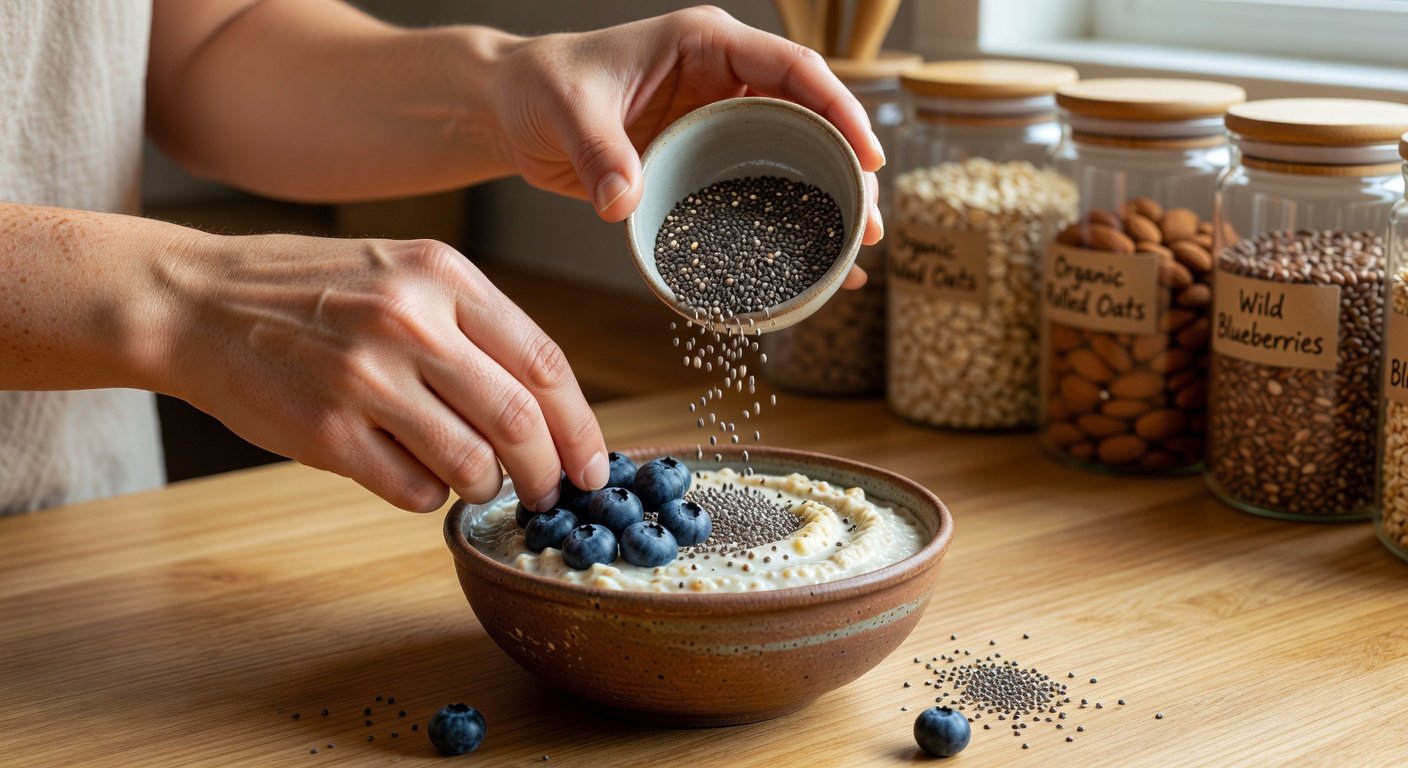
Incorporate staples without adding significant time to your day. Blend a tablespoon of chia seeds and a handful of blueberries into your morning smoothie for sustained energy. Sprinkle ground flax over yogurt or oatmeal at breakfast. Prepare a quick turmeric golden milk by warming plant milk with a pinch of black pepper and turmeric after dinner. An afternoon focus ritual could involve steeping green tea alongside a small piece of dark chocolate. For variety, create overnight oats jars layered with goji berries and walnuts the night before. These micro-habits require under five minutes yet build powerful cumulative effects backed by recent longitudinal research.
Combining Foods for Maximum Effect
Strategic pairings enhance bioavailability and target multiple brain pathways simultaneously. Combine black pepper with turmeric to increase curcumin absorption by up to 2000 percent. Pair walnuts with blueberries to supply complementary fats and antioxidants that support both cell membrane health and oxidative balance. Add matcha to chia pudding for a gentle caffeine and L-theanine synergy that promotes focused calm. Rotate these combinations throughout the week to prevent taste fatigue while covering a wide range of cognitive nutrients.
2026 Research on Long-Term Brain Health Outcomes
Emerging 2026 data from the National Institute on Aging indicates that adults who consistently consume polyphenol-rich diets experience measurable improvements in memory scores and a 15-20 percent lower incidence of mild cognitive impairment after five years. Parallel findings reported by Mayo Clinic researchers link regular intake of omega-3 and flavonoid sources to better preservation of hippocampal volume, a key region for learning and memory. These outcomes underscore the value of pantry-based habits over isolated interventions.
Common Mistakes to Avoid
Many beginners overlook proper storage, leading to rancid nuts that lose nutritional value. Others rely too heavily on one or two ingredients instead of rotating for broad nutrient coverage. Avoid purchasing large quantities of trendy superfoods that expire before use; instead, build gradually around versatile staples. Finally, do not expect overnight results—cognitive benefits accumulate through consistent daily exposure rather than single heroic meals.
FAQ
How long do pantry staples last?
Properly stored nuts and seeds remain fresh for 6-12 months. Dried berries and powders last up to 18 months when kept in airtight, light-protected containers. Always check for off odors before use.
Is building this pantry expensive?
Expenses depend on sourcing and location, but bulk buying and seasonal choices keep overall costs manageable for most households. Prioritizing versatile staples maximizes value across multiple recipes.
Can I combine these foods with supplements?
Yes, many people do so successfully, but consult a healthcare professional first. Whole-food approaches provide synergistic nutrients that often work better than isolated compounds alone.
What if I have dietary restrictions?
The staples listed are naturally adaptable. Substitute chia for flax if needed, or use caffeine-free herbal alternatives to green tea. Focus on the core nutrient categories rather than specific items.
How soon will I notice benefits?
Some individuals report improved focus within two to three weeks of consistent intake, while deeper structural brain health benefits typically require three to six months of regular consumption according to 2026 observational data.
Conclusion
A thoughtfully stocked nootropic pantry transforms everyday nutrition into a reliable foundation for cognitive resilience. By selecting versatile staples, applying smart storage methods, comparing whole and processed choices thoughtfully, and integrating foods through quick daily habits, busy adults can establish sustainable routines that support brain health well into the future. Begin with a modest core selection, stay consistent, and allow emerging 2026 research to inform your ongoing refinements. The result is a practical system that delivers lasting mental clarity without complexity or disruption.

No comments yet. Be the first!