 Func Eats
What Are Adaptogenic Superfoods?
Adaptogens are a unique class of herbs and functional foods that help the body adapt to stress, promoting balance and resilience. Unlike typical supplements, adaptogens work by modulating the body's stress response system, particularly the hypothalamic-pituitary-adrenal (HPA) axis, which regulates cortisol production. In our fast-paced world, where chronic stress affects over 75% of adults according to recent surveys, these superfoods offer a natural way to build mental and physical fortitude.
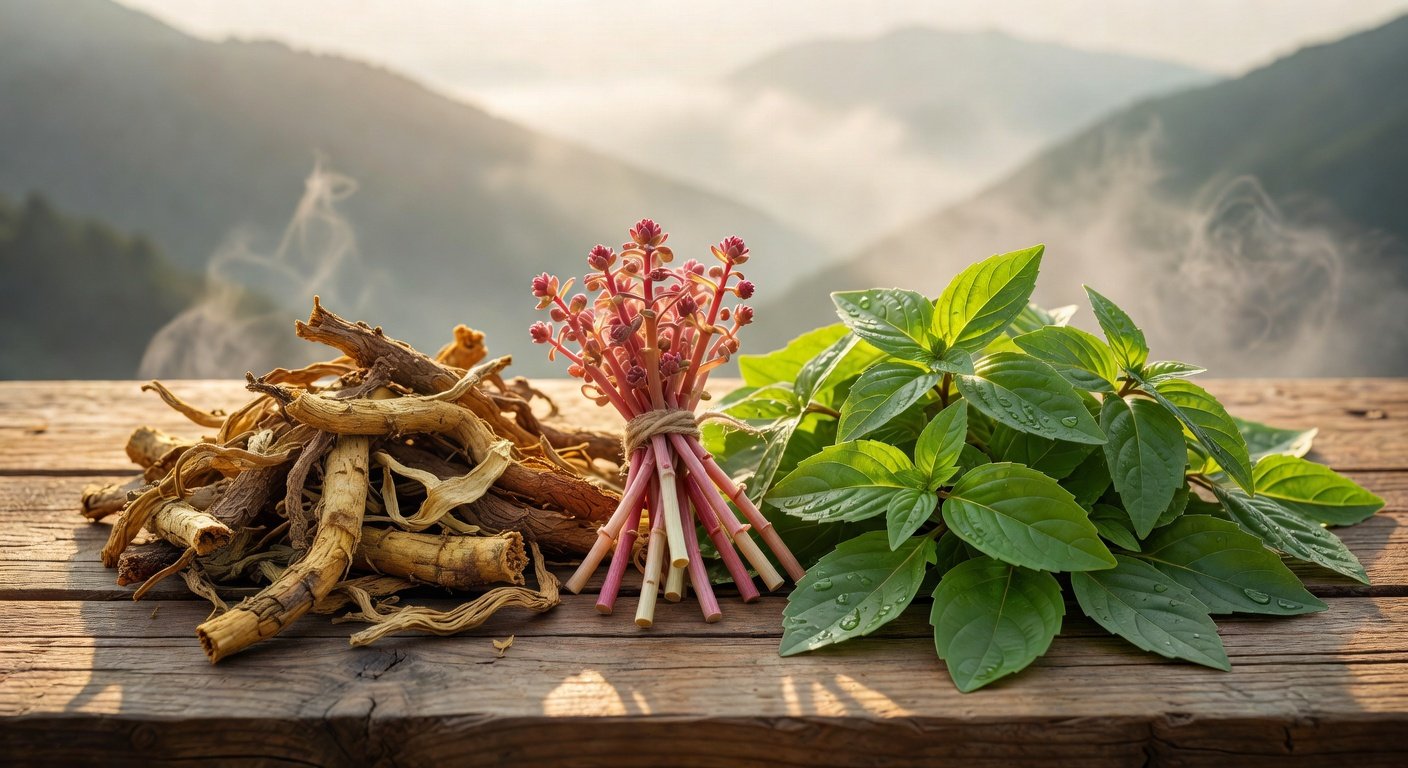
Popular adaptogenic superfoods include ashwagandha (Withania somnifera), rhodiola (Rhodiola rosea), and holy basil (Ocimum sanctum, also known as tulsi). These bioactive powerhouses have been used in Ayurvedic and traditional Chinese medicine for centuries, but modern science is catching up with compelling evidence. This 2026 guide dives into their stress-busting benefits, backed by the latest research, and provides practical, beginner-friendly ways to incorporate them into your daily routine.
The Science Behind Adaptogens and Stress Relief
Stress triggers cortisol release, the primary stress hormone. Chronic elevation leads to fatigue, anxiety, weight gain, and weakened immunity. Adaptogens shine here by lowering cortisol levels, enhancing mood via serotonin and dopamine pathways, and improving overall resilience.
Key mechanisms include:
- Balancing the HPA Axis: Adaptogens normalize cortisol without suppressing it entirely, unlike pharmaceuticals.
- Antioxidant Protection: They combat oxidative stress from free radicals produced during stress episodes.
- Neuroprotection: Supporting brain health to reduce anxiety and improve focus.
For authoritative insights, check the National Center for Complementary and Integrative Health (NCCIH), which reviews herbal adaptogens extensively.
Top Adaptogenic Superfoods for 2026
Ashwagandha: The Ultimate Stress Reducer
Ashwagandha, an evergreen shrub from India, is the most studied adaptogen. Its root extract contains withanolides, compounds that mimic the body's natural stress fighters. Clinical trials show it reduces cortisol by up to 30% after 60 days of use.
2026 updates from ongoing meta-analyses highlight its role in post-pandemic stress recovery, with new studies linking it to improved sleep quality and reduced inflammation markers like CRP.
Rhodiola: Energy and Mood Booster
Rhodiola rosea, a cold-climate Arctic root, combats fatigue and burnout. Rosavins and salidrosides in rhodiola enhance ATP production, providing clean energy without jitters. Research from 2025-2026 Scandinavian trials demonstrates 20-25% improvements in mental performance under stress.
Ideal for high-performers, it also elevates serotonin, making it a go-to for seasonal affective disorder (SAD).
Holy Basil (Tulsi): The Sacred Stress Shield
Holy basil, revered in Hinduism, offers eugenol and ursolic acid for potent anti-anxiety effects. It lowers blood sugar and cortisol while boosting gamma-aminobutyric acid (GABA), akin to a natural benzodiazepine but without sedation.
Emerging 2026 data from Indian longitudinal studies show tulsi users report 40% less perceived stress after three months.
Learn more about herbal safety from Mayo Clinic.
2026 Research Updates: What's New?
By 2026, adaptogen research has exploded with randomized controlled trials (RCTs) and longitudinal studies. Key findings:
- Cortisol Modulation: A 2026 meta-review in Journal of Ethnopharmacology confirms ashwagandha and rhodiola reduce cortisol by 23-32% in stressed populations.
- Mood Enhancement: fMRI studies reveal adaptogens increase prefrontal cortex activity, improving emotional regulation.
- Longevity Links: Animal models suggest adaptogens activate sirtuins, mimicking calorie restriction for anti-aging.
- Synergistic Blends: Combining adaptogens yields better results than solo use, per new polyphenol interaction research.
Access abstracts via PubMed.
Beginner-Friendly Ways to Incorporate Adaptogens
Start slow to assess tolerance. Aim for 300-600mg standardized extracts daily, cycled 5 days on/2 off.
Daily Routines and Recipes
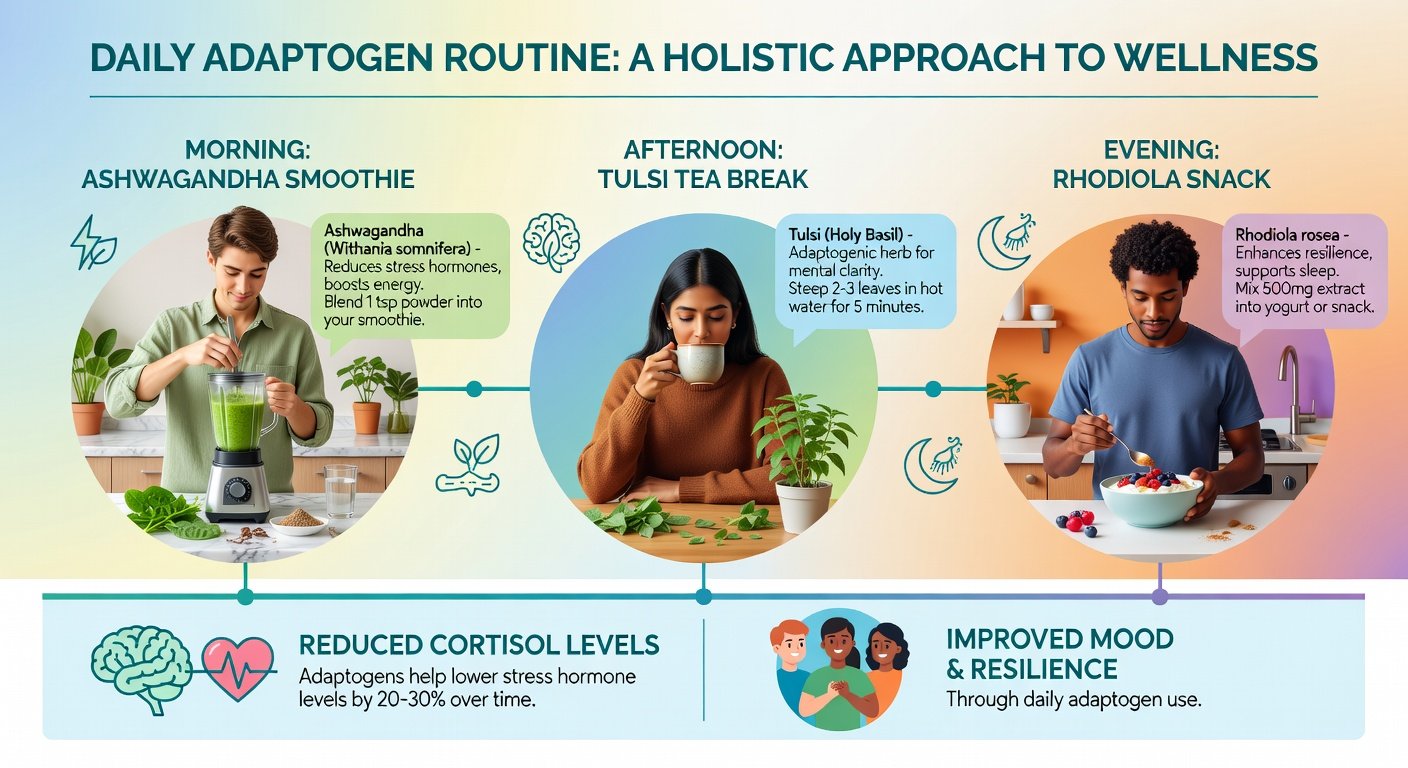
- Morning Elixir: Blend 1 tsp ashwagandha powder into a smoothie with banana, almond milk, and spinach. Add rhodiola for an energy kick.
- Midday Tea: Steep holy basil leaves (1 tbsp) in hot water for 10 minutes. Sweeten with honey; sip during work breaks.
- Evening Latte: Mix ashwagandha and tulsi into golden milk (turmeric, coconut milk, black pepper). Perfect for winding down.
- Snack Boost: Sprinkle rhodiola powder on yogurt or energy balls with oats, dates, and nuts.
Functional Food Integrations
Incorporate into meals: Add holy basil to pesto for pasta, ashwagandha to overnight oats, or rhodiola to salad dressings. For baked goods, try adaptogen-infused muffins—reduce sugar to amplify benefits.
Sample Weekly Plan:
| Day | Morning | Afternoon | Evening |
|---|---|---|---|
| Mon | Ashwagandha Smoothie | Rhodiola Tea | Tulsi Latte |
| Tue | Rhodiola Oats | Holy Basil Pesto | Ashwagandha Yogurt |
Potential Side Effects and Mistakes to Avoid
Adaptogens are safe for most, but consult a doctor if pregnant, on thyroid meds, or autoimmune conditions. Common pitfalls:
- Overdosing: Stick to labels; excess causes drowsiness.
- Ignoring Quality: Choose organic, third-party tested (USP verified).
- No Cycling: Prevents tolerance buildup.
- Expecting Miracles: Pair with sleep, exercise, mindfulness.
Who Benefits Most?
Busy professionals, parents, athletes, and anyone with HPA dysregulation. Track progress with journals or apps monitoring mood and energy.
Conclusion: Build Resilience with Adaptogens
Adaptogenic superfoods like ashwagandha, rhodiola, and holy basil are game-changers for stress management in 2026. With robust science supporting their cortisol-lowering, mood-enhancing prowess, they're essential for functional eating. Start small, stay consistent, and reclaim your calm. Your body will thank you.


No comments yet. Be the first!