 Func Eats
Introduction to Brain-Boosting Functional Foods
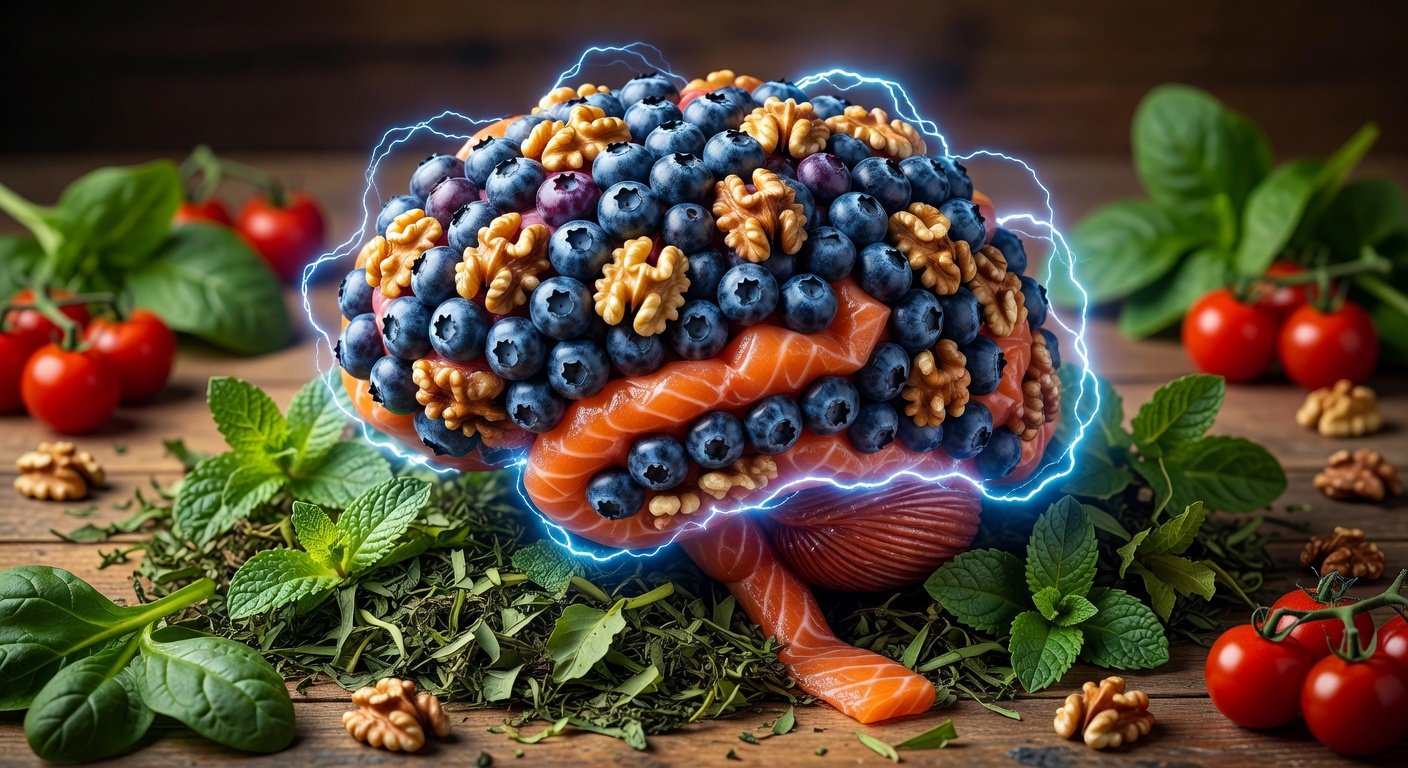
In today's fast-paced world, maintaining sharp cognitive function is more important than ever. Functional foods—those packed with bioactive compounds—offer a natural way to support brain health. This 2026 guide dives deep into superfoods like blueberries, walnuts, fatty fish, and green tea, backed by the latest research on antioxidants, omega-3s, and neuroprotection. Whether you're aiming to enhance memory, improve focus, or protect against age-related decline, incorporating these foods can make a real difference.
Unlike supplements, functional foods deliver nutrients in whole-food form, maximizing absorption and synergies. We'll explore their key compounds, proven benefits, practical recipes, a 7-day integration plan, comparisons to everyday alternatives, emerging 2026 trends, and sourcing tips. Let's fuel your brain for peak performance.
Key Functional Foods and Their Brain Benefits
Blueberries: Antioxidant Powerhouses
Blueberries top the list for brain health due to their high levels of anthocyanins—potent antioxidants that cross the blood-brain barrier. Studies show these compounds reduce oxidative stress, inflammation, and improve memory. A Harvard Health review highlights how regular blueberry consumption enhances cognitive performance in older adults.
Key benefits:
- Boosts short-term memory and learning.
- Protects neurons from damage.
- Supports delayed brain aging by up to 2.5 years per some metrics.
Walnuts: Omega-3s and Polyphenols
Walnuts are rich in alpha-linolenic acid (ALA), a plant-based omega-3, plus polyphenols that promote neuroplasticity. Research from the National Institutes of Health (NIH) links walnut intake to better executive function and reduced cognitive decline risk.
Benefits include:
- Improved focus and attention.
- Enhanced mood regulation.
- Lower amyloid plaque buildup, linked to Alzheimer's prevention.
Fatty Fish: DHA and EPA Essentials
Salmon, mackerel, and sardines provide DHA and EPA—critical omega-3 fatty acids that form brain cell membranes. The Mayo Clinic emphasizes their role in reducing depression risk and supporting overall brain structure.
- Sharpens problem-solving skills.
- Promotes hippocampal growth for memory.
- Anti-inflammatory effects for long-term neuroprotection.
Green Tea: Catechins and L-Theanine
Green tea's EGCG catechins and L-theanine combo boosts alertness without jitters. 2026 studies confirm it enhances brain connectivity and protects against neurodegeneration.
Standout perks:
- Increased alpha brain waves for calm focus.
- Improved working memory.
- Potential Parkinson's disease risk reduction.
Comparisons: Superfoods vs. Everyday Alternatives
While superfoods shine, how do they stack up against common options? Here's a quick comparison:
| Superfood | Key Compound | Everyday Alt. | Benefit Gap |
|---|---|---|---|
| Blueberries | Anthocyanins (high) | Strawberries | 2x antioxidant potency |
| Walnuts | ALA Omega-3 (4g/oz) | Almonds | 10x more brain-specific fats |
| Fatty Fish | DHA/EPA (1-2g/serving) | Chicken | Essential for brain vs. none |
| Green Tea | EGCG (50-100mg/cup) | Black Tea | 3x neuroprotection |
Opt for superfoods when possible, but alternatives still beat processed snacks.
2026 Research Trends in Functional Foods
Emerging 2026 trends focus on personalized nutrition via gut-brain axis research. Probiotic-rich fermented foods paired with these superfoods show amplified effects. AI-driven studies predict anthocyanin-omega synergies could enhance BDNF (brain-derived neurotrophic factor) by 30%. Clinical trials emphasize sustainable sourcing for maximal bioactive retention.
Practical Integration: 7-Day Brain-Boosting Meal Plan
Seamlessly add these foods with this beginner-friendly plan. Aim for 1-2 servings daily per food.
- Day 1: Breakfast: Blueberry smoothie (1 cup berries, yogurt). Lunch: Walnut salad. Dinner: Baked salmon. Snack: Green tea.
- Day 2: Breakfast: Oatmeal with walnuts. Lunch: Tuna (fatty fish alt.) wrap. Dinner: Stir-fry with blueberries. Snack: Green tea latte.
- Day 3: Breakfast: Green tea & blueberry muffin. Lunch: Salmon poke. Dinner: Walnut-crusted chicken. Snack: Handful walnuts.
- Day 4: Repeat favorites, swap fish for mackerel.
- Day 5: Breakfast: Walnut butter on toast. Lunch: Blueberry quinoa bowl. Dinner: Grilled sardines. Snack: Iced green tea.
- Day 6: Focus on green tea throughout; add fatty fish lunch.
- Day 7: Full feast: All four foods in meals.
Simple Recipes to Try
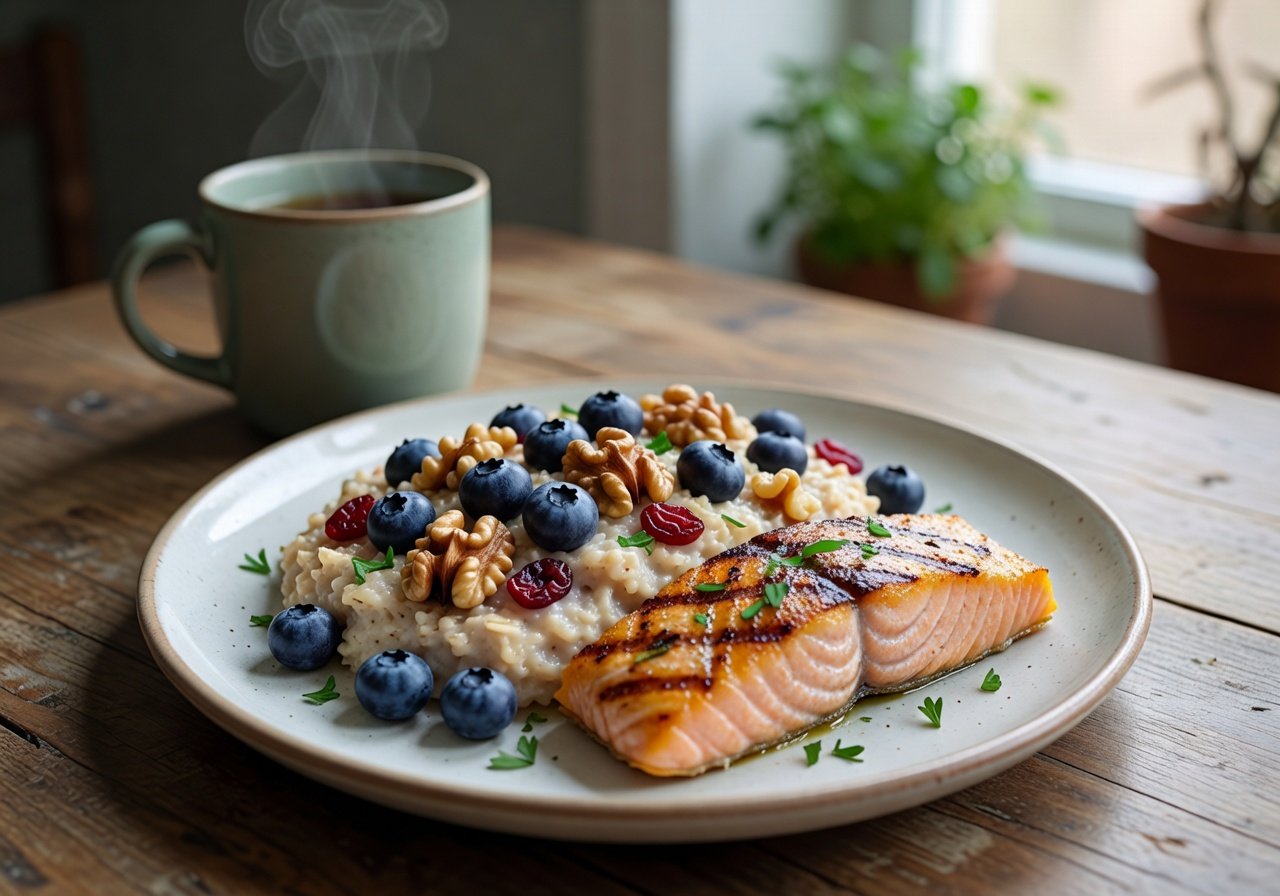
Blueberry-Walnut Overnight Oats: Mix ½ cup oats, 1 cup almond milk, ½ cup blueberries, ¼ cup walnuts. Refrigerate overnight. (Prep: 5 min)
Omega-3 Salmon Bowl: Grill 4oz salmon, top with greens, walnuts, blueberry vinaigrette. (15 min)
Matcha Green Tea Smoothie: Blend green tea ice cubes, banana, spinach, walnuts. (Brain boost in a glass!)
Sourcing Tips for Maximum Efficacy
To get the most bioactives:
- Blueberries: Organic, wild varieties; frozen retains nutrients.
- Walnuts: Raw, unsalted; store in fridge to prevent rancidity.
- Fatty Fish: Wild-caught, low-mercury like sardines; check sustainability labels.
- Green Tea: High-EGCG Japanese sencha; loose-leaf over bags.
Avoid pesticides—opt for certified organic. Freshness preserves compounds.
Common Mistakes to Avoid
- Overcooking fish: Destroys omegas—bake or poach gently.
- Ignoring portions: 1oz walnuts daily max to balance calories.
- Skipping variety: Rotate for broad nutrient coverage.
Conclusion
Embracing brain-boosting functional foods in 2026 is a smart, delicious strategy for cognitive vitality. Start with the meal plan, experiment with recipes, and track improvements in focus and memory. Pair with exercise, sleep, and mindfulness for synergistic gains. Your brain will thank you.
FAQs
What are safe daily dosages? 1 cup blueberries, 1oz walnuts, 2-3 servings fish weekly, 2-3 cups green tea.
Best synergies? Omega-3s + antioxidants amplify protection; add turmeric for extra anti-inflammation.
Lifestyle pairings? Combine with 30min walks, meditation, and 7-9 hours sleep for optimal results.
Vegetarian options? Algal oil for DHA, flaxseeds (though less bioavailable) for ALA.

No comments yet. Be the first!