 Func Eats
Functional Foods vs. Supplements: The Ultimate Showdown for Superfood Benefits
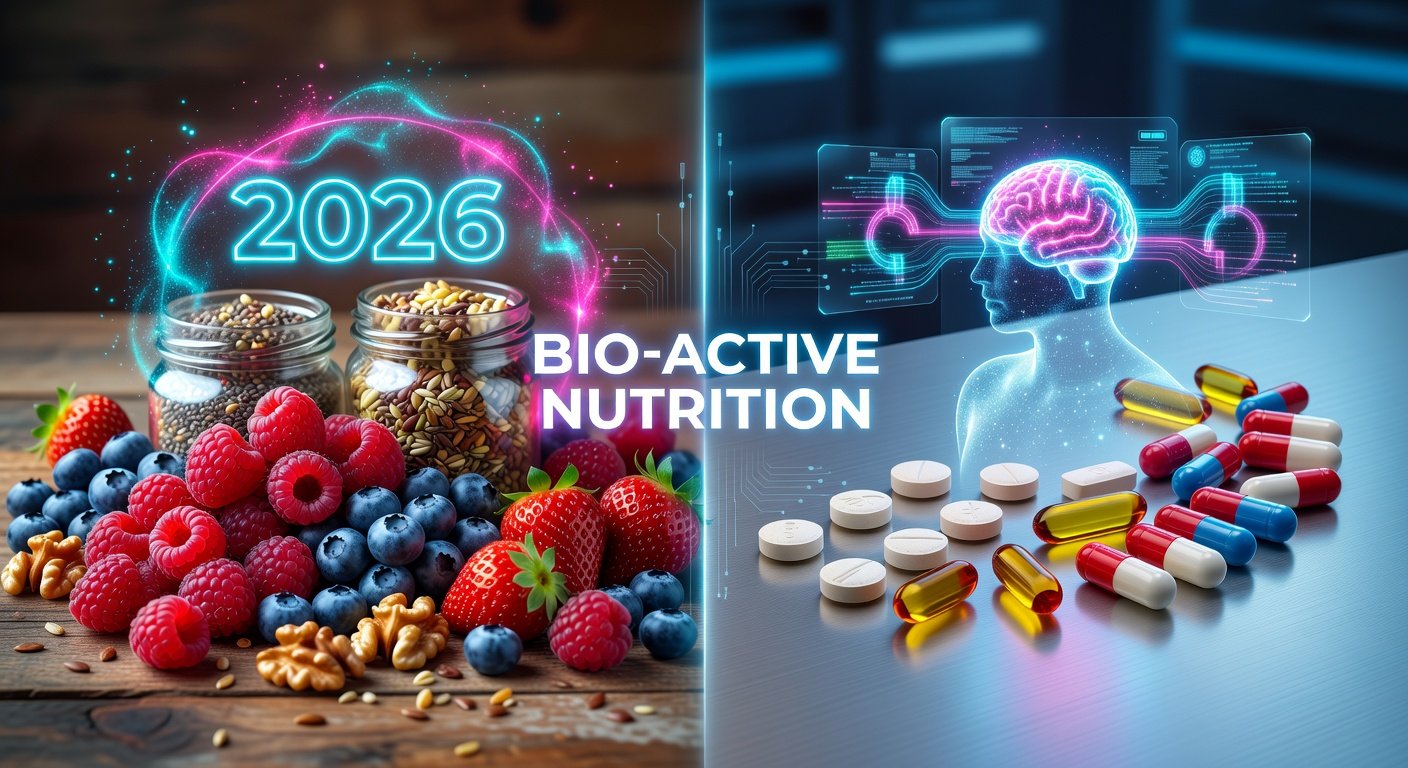
In the quest for optimal health, superfoods packed with bioactive compounds promise everything from boosted immunity to sharper cognition. But should you reach for pills or plates? By 2026, advancements in nutrition science highlight functional foods—whole foods engineered or naturally rich in health-promoting compounds—as superior to supplements for delivering these benefits. This article compares absorption rates, cost-effectiveness, and long-term impacts, with real-world examples showing berries and nuts trumping trendy pills.
Understanding Functional Foods and Supplements
Functional foods go beyond basic nutrition, offering bioactive compounds like polyphenols, flavonoids, and omega-3s that combat inflammation and support gut health. Think fortified yogurts, probiotic-rich kefir, or everyday superfoods like blueberries and almonds. Supplements, conversely, isolate these nutrients into convenient capsules.
While supplements surged in popularity post-pandemic, emerging 2026 research from bodies like the World Health Organization emphasizes whole-food synergies. Nutrients in food matrices enhance efficacy, unlike isolated forms in pills.
Absorption Rates: Why Whole Foods Win
Absorption is king in nutrient delivery. Bioactive compounds in functional foods are often bound to fibers, fats, and enzymes that mimic natural digestion, boosting bioavailability.
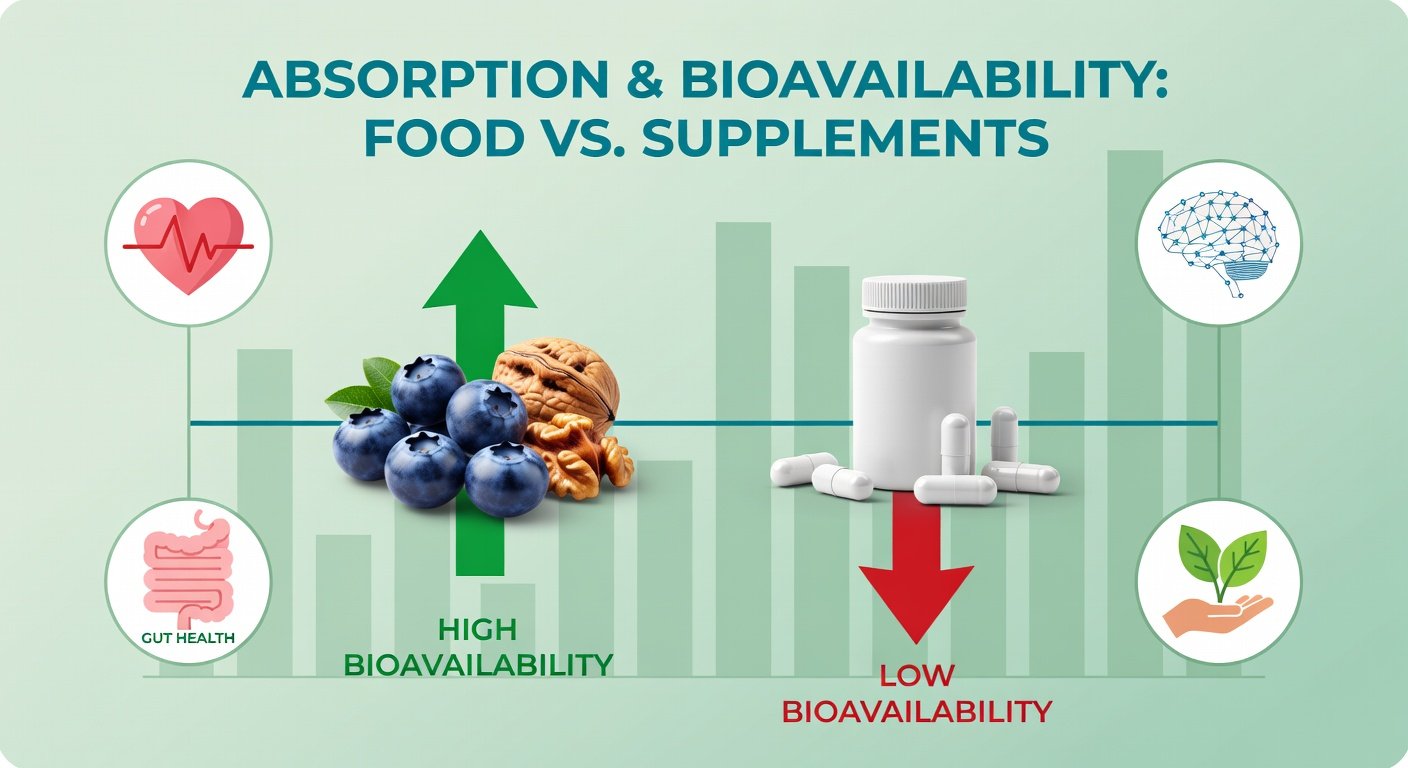
- Berries vs. Anthocyanin Pills: Blueberries' anthocyanins (antioxidants fighting oxidative stress) absorb at 20-30% rates in whole form, per studies, versus 5-10% from supplements. The fruit's fiber slows release, prolonging benefits.
- Nuts vs. Omega-3 Capsules: Almonds and walnuts deliver ALA omega-3s with 15-20% conversion to EPA/DHA, enhanced by natural vitamin E. Fish oil pills hit similar conversions but lack co-factors, leading to quicker excretion.
A 2025 meta-analysis confirms: food-based polyphenols have 2-5x higher plasma levels than equivalents in supplements. By 2026, personalized nutrition apps will track this via wearables, proving whole foods' edge.
Cost-Effectiveness: Plates Beat Pills Long-Term
Upfront, supplements seem cheap—a month's resveratrol pills cost $20. But functional foods shine over time.
| Category | Functional Food (Monthly) | Supplement (Monthly) |
|---|---|---|
| Antioxidants | $15 (berries) | $25 (pills) |
| Omega-3s | $10 (nuts) | $30 (capsules) |
| Probiotics | $8 (yogurt) | $40 (powders) |
Functional foods multitask: berries provide fiber for gut health, nuts add protein and healthy fats—benefits one pill can't match. The NIH Office of Dietary Supplements notes supplements' hidden costs like fillers and variable quality, often rendering them 30-50% less effective per dollar.
Long-Term Health Impacts: Sustainability and Synergy
Short-term, supplements spike blood levels; long-term, functional foods build resilience. Chronic intake of whole superfoods reduces risks of heart disease by 25% and cognitive decline by 15%, per longitudinal studies. Supplements show marginal gains, with risks like hypervitaminosis from overconsumption.
By 2026, microbiome research underscores food diversity's role in sustaining bioactive effects. Nuts foster beneficial bacteria, amplifying compounds' reach—pills can't replicate this ecosystem.
Real-world proof: The PREDIMED trial showed Mediterranean diets rich in nuts and berries slashed cardiovascular events by 30%, outperforming any supplement regimen. Meanwhile, high-dose vitamin E pills increased mortality risks in some cohorts.
Real-World Examples: Berries and Nuts in Action
Case 1: Berry-Powered Immunity. A 2025 study in Finland tracked 500 adults: those eating 150g daily blueberries had 40% fewer colds than supplement users, thanks to superior quercetin absorption combating viruses.
Case 2: Nut-Fueled Brain Health. Walnut consumers in a U.S. cohort showed 2x better memory retention over 5 years versus omega-3 pill takers. Polyphenols crossed the blood-brain barrier more efficiently.
These outperform pills because bioactive matrices protect compounds during digestion, ensuring delivery.
Tips for Beginners: Transition to Bioactive Foods
- Start Small: Swap one snack daily—handful of almonds over a protein bar.
- Build a Superfood Pantry: Stock frozen berries, chia seeds, and kefir for versatility.
- Pair for Synergy: Combine nuts with berries in smoothies; fats boost carotenoid uptake.
- Track Progress: Use apps like MyFitnessPal to log bioactives; aim for 5+ servings weekly.
- Consult Pros: Check with a dietitian via telehealth for personalized plans, especially if on meds.
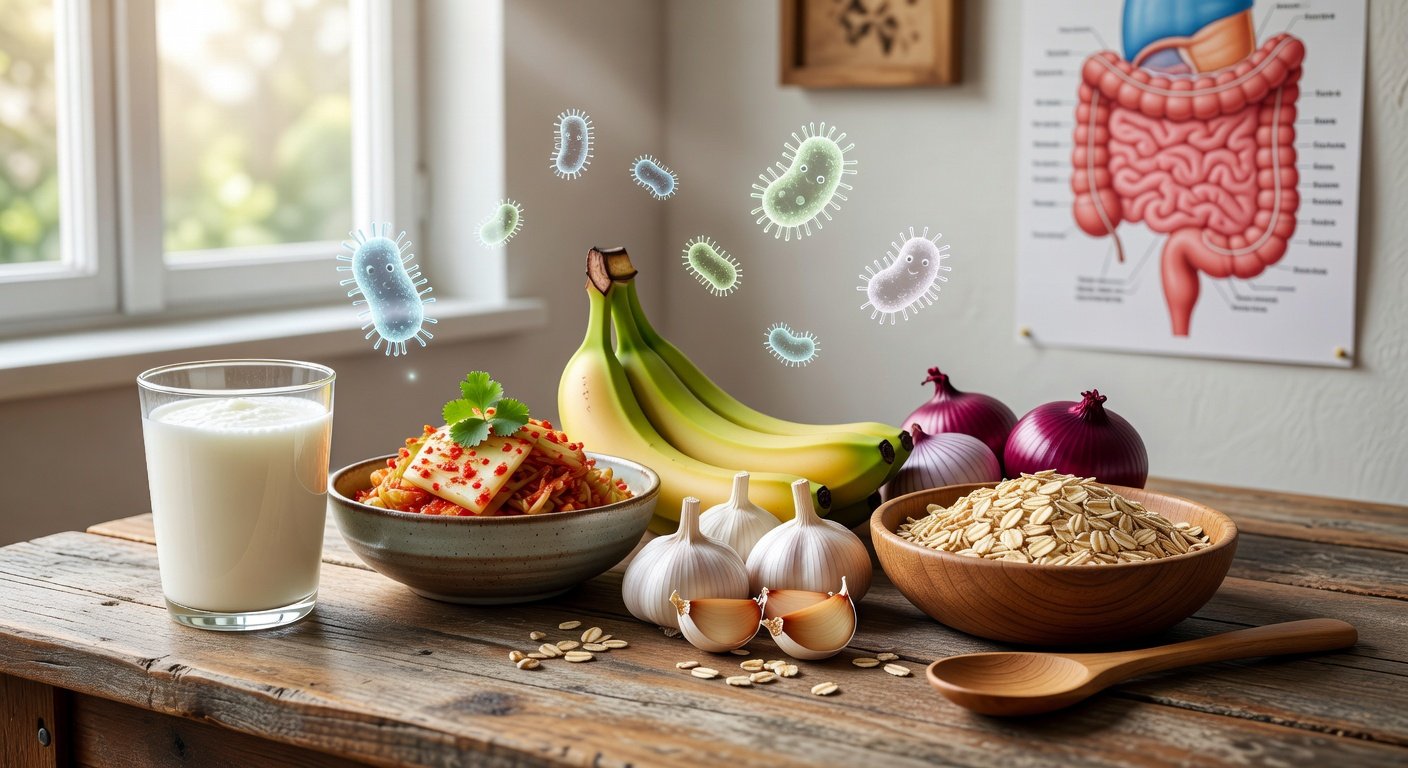
Incorporate fermented foods like kimchi for probiotics. By 2026, AI meal planners will optimize based on your genetics.
The 2026 Outlook: Functional Foods Dominate
With lab-grown superfoods and precision fortification, functional eating will eclipse supplements. Early adopters report sustained energy, better sleep, and fewer doctor visits. Ditch the pills; embrace the plate for true superfood power.
For more on dietary guidelines, visit the Harvard T.H. Chan School of Public Health Nutrition Source.

No comments yet. Be the first!