 Func Eats
Introduction to Bioactive Foods in 2026
Bioactive foods are packed with natural compounds that deliver health benefits extending far beyond basic calorie and nutrient provision. In 2026, with growing awareness of preventive wellness, more people are turning to these foods to support immunity, reduce inflammation, and improve long-term vitality. This comprehensive guide walks beginners through identifying key bioactive options, creating realistic meal plans, and adopting habits that align with current wellness trends. Whether you are new to functional eating or looking to refine your approach, the strategies here offer clear, actionable steps tailored for modern lifestyles.
Understanding Bioactive Compounds and Their Role in Health
Bioactive compounds such as polyphenols, flavonoids, carotenoids, and glucosinolates work at the cellular level to combat oxidative stress and support metabolic function. These elements differ from essential vitamins because they actively influence gene expression and signaling pathways. According to experts at the National Institutes of Health, consistent intake of these compounds is linked to lower risks of cardiovascular issues and improved cognitive performance over time. Understanding their mechanisms helps explain why simply eating more fruits and vegetables creates noticeable differences in energy and recovery compared with standard diets.
Identifying and Sourcing Common Bioactive Foods
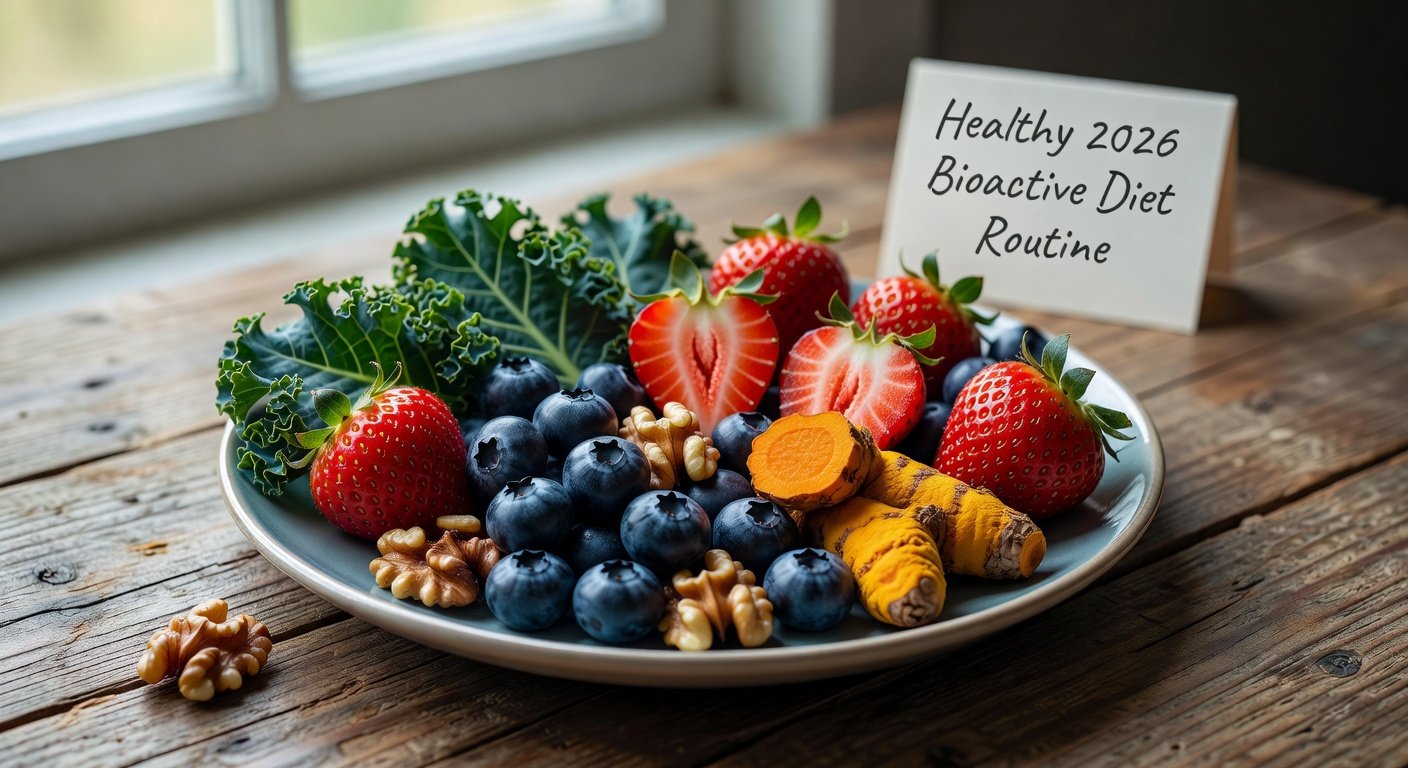
Focus first on widely available items that fit easily into any grocery list. Berries stand out for their high anthocyanin content, which supports vascular health and brain function. Leafy greens deliver lutein and beta-carotene, aiding eye health and reducing inflammation markers. Additional powerhouses include cruciferous vegetables like broccoli for sulforaphane, alliums such as garlic and onions for allicin, and spices like turmeric and ginger for curcumin and gingerol respectively. When shopping, prioritize seasonal and organic options when possible to maximize compound concentration. Farmers markets and well-stocked produce sections provide the freshest selections, while frozen berries retain most bioactive properties year-round.
- Blueberries and strawberries: Aim for one to two cups daily in smoothies or as snacks
- Kale, spinach, and Swiss chard: Add to salads, soups, or lightly steamed sides
- Broccoli and cauliflower: Roast or steam for sulforaphane activation
- Garlic and onions: Use raw or lightly cooked to preserve allicin
- Turmeric and fresh ginger: Incorporate into teas, curries, and dressings
- Nuts and seeds: Walnuts and flaxseeds offer complementary polyphenols and omega-3s
Step-by-Step Strategies for Seamless Integration
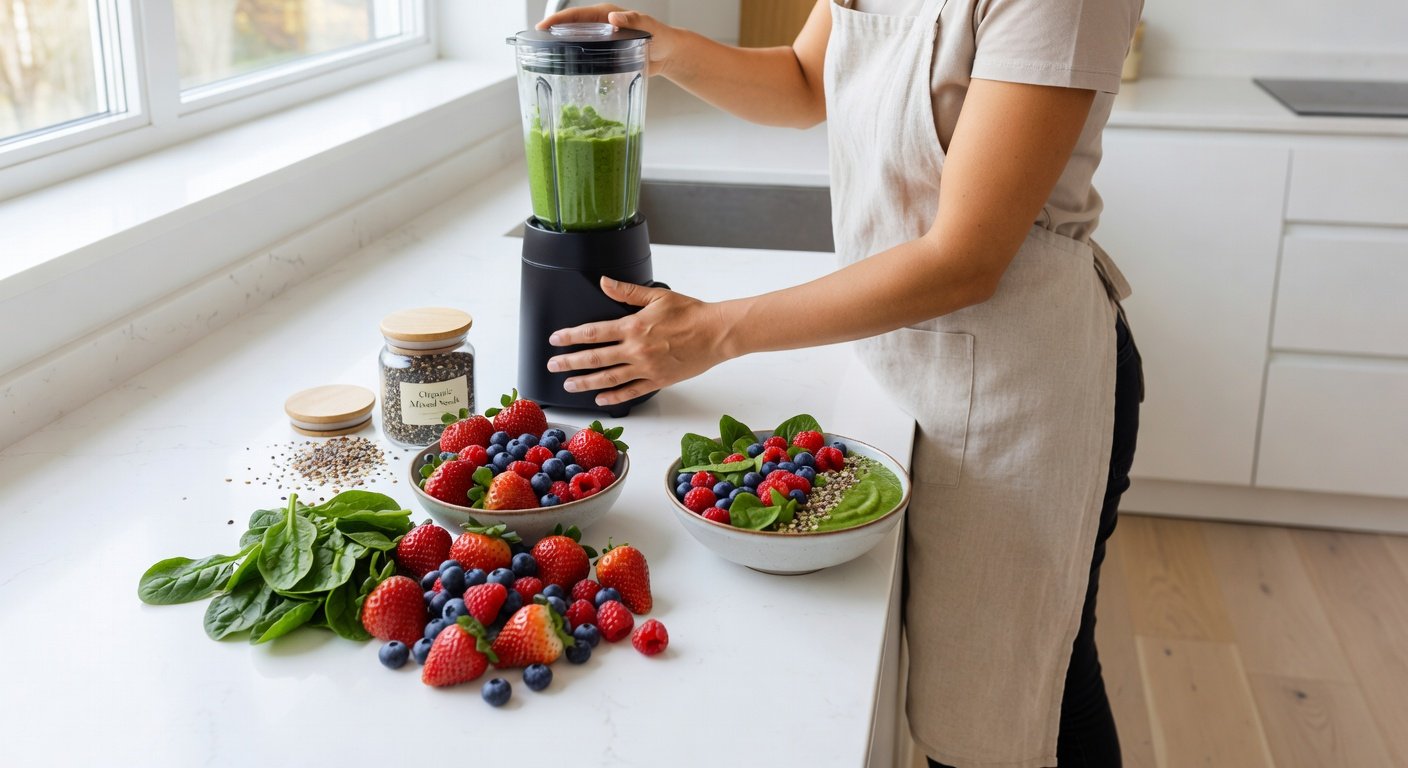
Begin with a simple audit of your current eating patterns. Identify two meals or snacks you can upgrade immediately. Next, stock your kitchen with staples such as frozen berries, pre-washed greens, and spice blends. Gradually introduce one new bioactive food each week to avoid overwhelm. Track how your body responds through a basic journal noting energy levels, digestion, and mood. Over several weeks these small shifts compound into sustainable functional eating habits that feel natural rather than restrictive.
Detailed Meal Planning Examples for Every Part of the Day
Breakfast can start with overnight oats made from rolled oats, almond milk, a handful of blueberries, ground flaxseeds, and a pinch of cinnamon. This combination delivers fiber, antioxidants, and anti-inflammatory compounds that stabilize blood sugar until lunch. For a quicker option, blend spinach, banana, frozen strawberries, and Greek yogurt into a smoothie and top with chia seeds. Lunch ideas include a grain bowl with quinoa, massaged kale, roasted sweet potatoes, avocado slices, and a turmeric-tahini dressing. Dinner might feature baked salmon alongside steamed broccoli, garlic sautéed greens, and a side salad of mixed berries with balsamic vinaigrette. Snacks bridge the gaps effectively: apple slices with almond butter or carrot sticks dipped in hummus enhanced with fresh ginger. These examples scale easily for meal prep on weekends, ensuring bioactive-rich options remain convenient during busy weekdays.
Processed Foods Versus Functional Eating: A Clear Comparison
Processed foods typically undergo heavy refinement that strips away bioactive compounds while adding preservatives and excess sugars. The result is short-term satisfaction followed by energy crashes and increased inflammation. Functional eating, by contrast, emphasizes minimally processed whole foods that retain their natural protective elements. Consider a typical morning of sugary cereal and orange juice versus a bowl of steel-cut oats topped with berries and walnuts. The latter provides sustained energy and active compounds that support cellular repair. Common mistakes include over-relying on supplements instead of food sources, cooking vegetables too long which degrades heat-sensitive compounds, and neglecting variety which limits the range of bioactives consumed. Avoiding these pitfalls leads to better outcomes and greater enjoyment of meals.
Practical Tips for Maximizing Nutrient Absorption
Bioavailability improves dramatically with smart food pairings. Combine vitamin C sources such as citrus or bell peppers with iron-rich leafy greens to enhance mineral uptake. Lightly cooking tomatoes increases lycopene absorption, while adding olive oil or avocado to salads helps the body absorb fat-soluble carotenoids. Avoid consuming large amounts of tea or coffee with meals, as tannins can inhibit certain compound uptake. Rotating preparation methods between raw, lightly steamed, and roasted preserves a broader spectrum of bioactives. Resources from Mayo Clinic emphasize that consistent attention to these details yields measurable improvements in nutrient status within weeks.
Real-World Daily Routines and Adaptations
Many individuals following 2026 wellness trends begin mornings with warm lemon water and a turmeric-ginger tea to kickstart digestion and reduce morning stiffness. Midday meals often incorporate leftovers from dinner prep, ensuring greens and colorful vegetables appear at least twice daily. Evening wind-down routines might include a small bowl of berries with yogurt after dinner. Those with demanding schedules batch-cook roasted vegetable trays and pre-portion smoothie packs for the freezer. Adjustments for different dietary preferences, such as vegetarian or low-carb approaches, remain straightforward by swapping proteins while keeping the bioactive core intact. Over time these routines become intuitive and require minimal planning.
Frequently Asked Questions About Bioactive Foods
How quickly can I expect to feel benefits from adding bioactive foods?
Improved digestion and steadier energy often appear within the first two weeks. Skin clarity, reduced joint discomfort, and better sleep quality typically emerge after four to eight weeks of consistent intake.
Is it necessary to buy organic produce for bioactive benefits?
Organic options may contain slightly higher levels of certain compounds, but conventional produce still delivers meaningful amounts. Focus on washing thoroughly and eating a wide variety regardless of farming method.
Can bioactive foods replace prescribed medications?
These foods complement medical treatments but do not replace them. Always discuss major dietary changes with your healthcare provider, especially if managing chronic conditions.
What if I dislike the taste of certain greens or spices?
Blend strong flavors into smoothies or sauces, or start with milder varieties like baby spinach and fresh basil. Gradual exposure often increases acceptance over time.
Are there age-specific recommendations for bioactive intake?
Needs remain similar across adulthood, though older adults may benefit from extra emphasis on anti-inflammatory options like berries and turmeric to support joint and cognitive health.
Conclusion
Integrating bioactive foods into your 2026 diet routine creates a practical pathway toward sustained health and vitality. Through thoughtful sourcing, strategic meal planning, smart pairings, and consistent daily habits, you can harness the protective power of these compounds without drastic lifestyle overhauls. Begin with small upgrades today, monitor your progress, and refine your approach as you experience the cumulative benefits. The result is a more resilient body and a more enjoyable relationship with food that supports wellness for years ahead.
No comments yet. Be the first!