 Func Eats
Introduction to Functional Foods for Beginners
Functional foods go beyond basic nutrition by offering bioactive compounds that support health. In 2026, more people are seeking affordable ways to incorporate these into daily eating without relying on expensive supplements. This guide focuses on accessible superfoods, their proven advantages, and practical steps for new users. Many beginners start their journey because they want to improve energy, support digestion, or simply eat more mindfully without overhauling their entire budget or lifestyle.
Unlike conventional foods, functional options contain extra nutrients like antioxidants and fiber that may help reduce inflammation, boost immunity, and improve digestion. Research from sources such as the World Health Organization highlights the role of whole foods in preventive health strategies. The appeal lies in their accessibility—most items are already available in standard grocery stores and do not require specialty shopping trips or premium pricing tiers.
Understanding Bioactive Compounds in Functional Foods
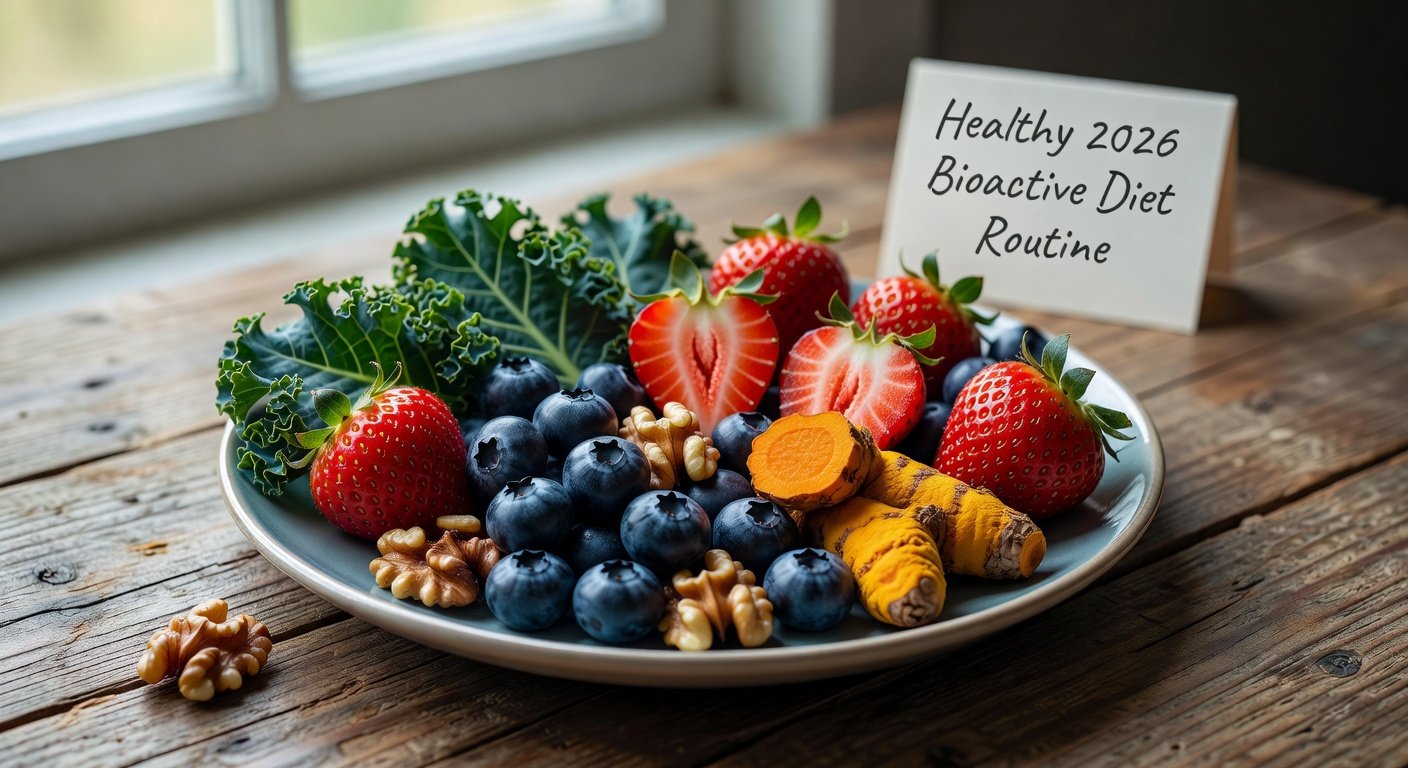
Bioactive compounds are natural chemicals in plants and some animal products that interact with the body at a cellular level. Examples include polyphenols in berries, beta-glucan in oats, and omega-3 fatty acids in seeds. These differ from standard vitamins because they provide targeted benefits like supporting heart health or managing blood sugar levels through mechanisms such as reducing oxidative stress or modulating inflammation pathways.
Starting with functional eating means choosing whole foods over processed items. This approach avoids the need for pills while delivering nutrients in their natural matrix, which often enhances absorption and provides synergistic effects. For instance, the fiber in beans works alongside their protein content to create a more sustained release of energy compared to isolated supplements.
Key Benefits of Affordable Superfoods
Evidence shows regular consumption of superfoods can support energy levels, cognitive function, and overall wellness. For instance, incorporating fiber-rich options may aid gut health by feeding beneficial bacteria, while antioxidant-packed foods help combat oxidative stress that accumulates from daily environmental exposure. Additional benefits include potential improvements in immune response and better management of everyday stress through steady nutrient intake.
Studies indicate these benefits accumulate over time with consistent intake. Beginners often notice improved digestion and sustained energy within weeks of simple swaps, such as replacing sugary snacks with nutrient-dense alternatives. Long-term adherence can also contribute to healthier weight maintenance and reduced reliance on processed convenience foods that lack these bioactive elements.
Top Budget-Friendly Superfoods and Their Advantages
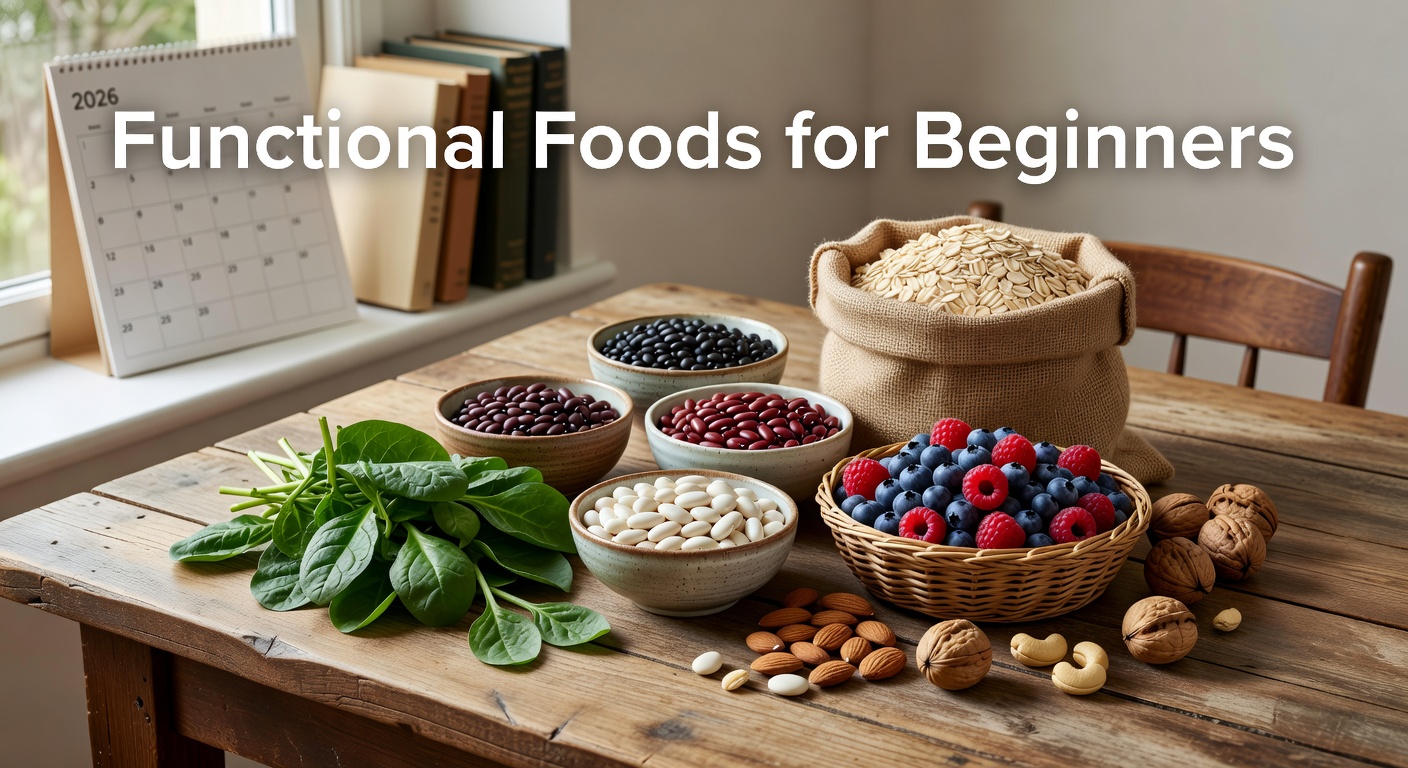
Focus on accessible items available at most grocery stores year-round. Oats provide beta-glucan for cholesterol support and can be prepared in multiple ways. Beans and lentils offer plant protein and soluble fiber that helps stabilize blood sugar. Leafy greens like spinach deliver vitamins A, C, and K along with minerals such as iron and calcium. Berries, even in frozen form, supply anthocyanins and vitamin C for antioxidant protection. Nuts and seeds in small portions add healthy fats and additional minerals like magnesium.
Each has research-backed perks: oats for cardiovascular support, beans for digestive regularity and blood sugar control, greens for bone and eye health, berries for brain function, and nuts for satiety. Rotate these throughout the week to maximize variety and nutrient coverage without increasing costs or causing dietary boredom. Frozen options often retain comparable nutrient levels to fresh produce while offering longer storage times and lower waste.
Label-Reading Tips for Functional Food Selection
Check ingredient lists first, prioritizing whole foods over additives or lengthy chemical names. Look for terms like "whole grain oats" or specific superfood mentions early in the list. The nutrition facts panel reveals fiber, protein, and sugar content per serving, helping you compare options quickly. Pay attention to serving sizes, as some packages list unrealistically small portions that can mislead on actual nutrient delivery.
Avoid products with added sugars or artificial colors when possible. The U.S. Food and Drug Administration provides guidance on understanding labels to identify true functional value in everyday items. Cross-reference with the ingredient list to ensure the product delivers on its functional promise rather than relying on marketing claims alone.
Simple Steps to Integrate Functional Foods Daily
Begin by adding one superfood per meal. Breakfast could include oats with berries and a sprinkle of seeds. Lunch might feature bean salads mixed with leafy greens. Dinner can incorporate spinach or other greens in stir-fries, soups, or smoothies. Snacks like a small handful of nuts or roasted chickpeas complete the day and prevent energy dips between meals.
Track progress with a simple journal noting how you feel after each addition. Consistency matters more than perfection, and gradual changes lead to sustainable habits. Start with familiar recipes you already enjoy and layer in the new ingredients rather than creating entirely new dishes from scratch.
Sample Meals and a 7-Day Starter Checklist
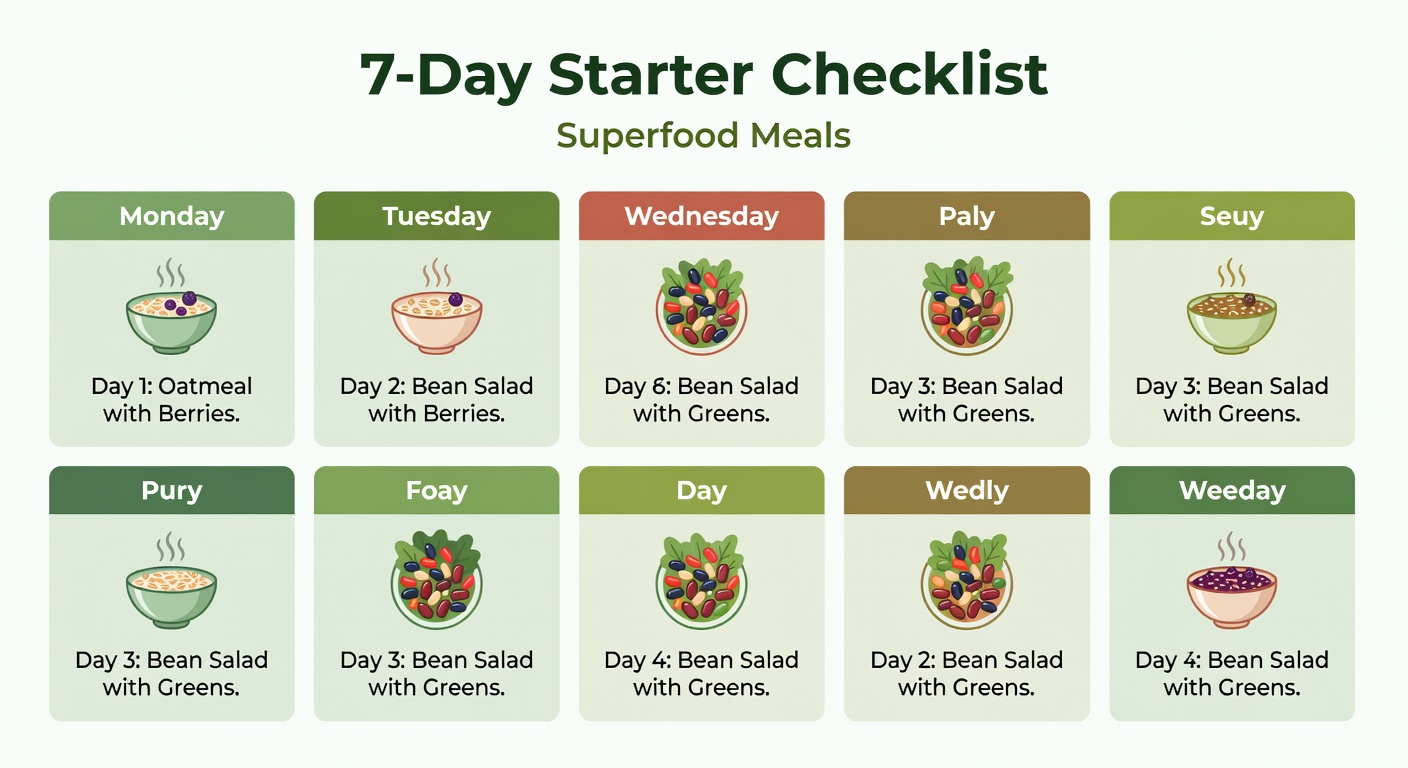
Day 1: Oatmeal topped with frozen berries and chia seeds for breakfast, lentil soup with spinach for lunch, and grilled chicken with mixed greens for dinner. Day 2: Greek yogurt with nuts and fruit, a bean and vegetable wrap, and a quinoa salad featuring leafy greens. Day 3: Smoothie with oats and berries, chickpea salad, and baked fish with steamed spinach. Continue through the week by varying proteins and vegetables while emphasizing the core superfoods.
- Prepare overnight oats on Sunday for quick weekday mornings.
- Batch-cook beans or lentils for multiple lunches and dinners.
- Keep frozen berries and greens on hand for convenience and year-round availability.
- Experiment with herbs and spices to enhance flavor naturally without extra cost.
- Plan one meatless day midweek to highlight plant-based superfoods.
- Store nuts in small pre-portioned containers to control portions easily.
- Review your grocery list each week to ensure at least four superfood categories are included.
This checklist builds momentum without overwhelming new users and creates a repeatable pattern for ongoing success.
Comparing Functional Eating to Conventional Habits
Conventional diets often rely on refined grains and added sugars, leading to energy crashes and nutrient gaps. Functional approaches emphasize nutrient density, potentially reducing cravings and supporting better long-term outcomes. Swapping white bread for whole-grain versions or soda for water infused with berries illustrates the shift. Over time, these replacements can improve overall diet quality without requiring drastic calorie counting or restrictive rules.
Common Mistakes Beginners Should Avoid
One frequent error is trying to add too many new foods at once, which can lead to overwhelm and abandonment. Another is overlooking portion sizes—superfoods are nutrient-rich but still contribute calories. Ignoring variety can also limit benefits, so aim to cycle through different options rather than repeating the same item daily. Finally, neglecting preparation methods matters; overcooking greens can reduce certain nutrient levels, while raw or lightly steamed preparations often preserve more value.
Frequently Asked Questions
Are functional foods safe for everyone?
Most whole superfoods are safe when consumed in normal dietary amounts, but individuals with allergies, digestive sensitivities, or medical conditions should consult professionals before major changes. Start slowly to monitor personal tolerance and introduce one new item at a time.
Do I need supplements alongside these foods?
No, the guide emphasizes food-first strategies. Whole sources often provide synergistic benefits not found in isolated supplements, and the fiber and other compounds in foods enhance overall nutrient utilization according to guidance from the National Institutes of Health.
How long until I see results?
Many report subtle improvements in digestion and energy within 2-4 weeks, though benefits vary by individual lifestyle, starting point, and consistency. Tracking simple markers like energy levels or regularity can help quantify progress.
Can functional foods replace medication?
They complement but do not replace prescribed treatments. Always follow healthcare advice for specific conditions, and view these foods as supportive additions rather than substitutes.
What if I have a limited grocery budget?
Prioritize versatile staples like oats, dried beans, frozen berries, and seasonal greens that stretch across multiple meals. Buying in bulk for non-perishables and using frozen produce reduces waste and cost while maintaining nutritional value.

No comments yet. Be the first!