 Func Eats
Introduction to Foil Packet High Protein Meals
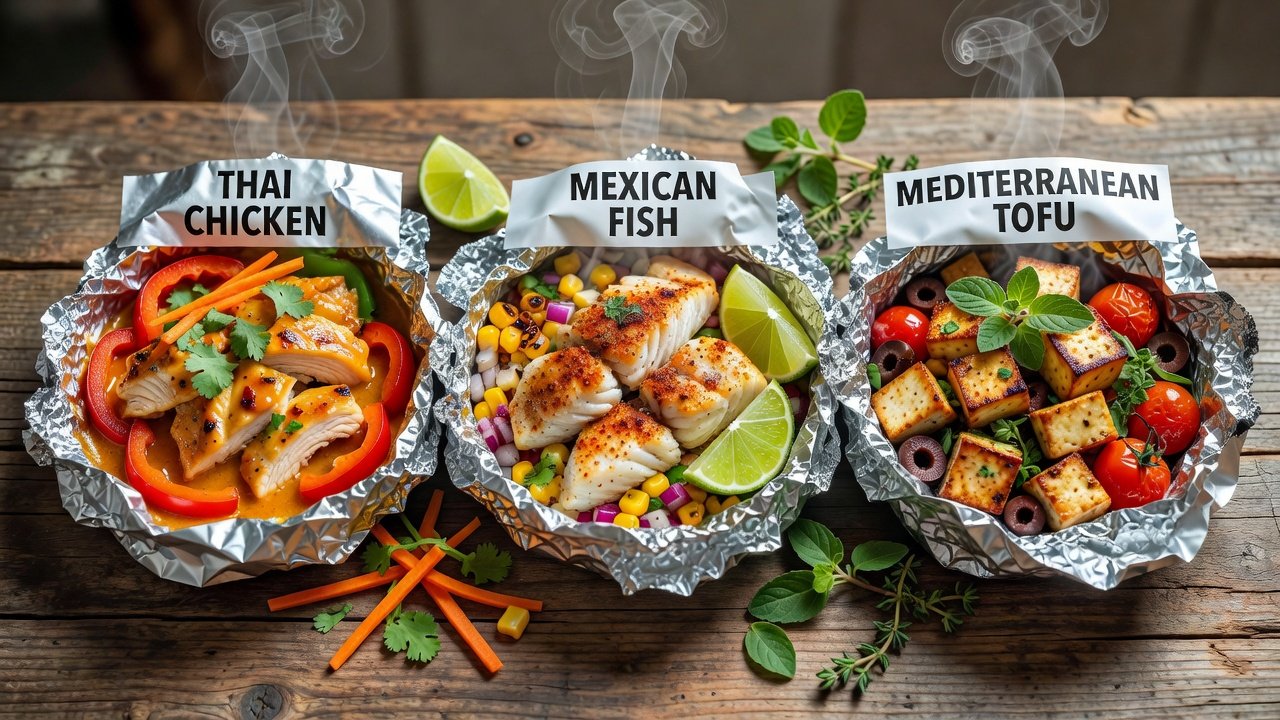
Foil packet cooking has become a staple for busy households seeking quick, nutritious dinners in 2026. This method involves sealing lean proteins and vegetables inside aluminum foil packets that cook evenly whether placed on a grill or inside an oven. The approach delivers 25-40g of protein per serving while requiring only 15 minutes of active prep time. International flavor profiles from Thai, Mexican, and Mediterranean cuisines add exciting variety that encourages repeat use among home cooks tired of repetitive meals.
The sealed environment traps steam and concentrates flavors without added fats or extra pans. Cleanup reduces to simply discarding the foil after eating. These packets suit families with varying schedules because they can be assembled ahead and stored in the refrigerator until cooking time. Customizable spice levels allow adults to enjoy bold heat while keeping portions mild for children.
Why Foil Packets Excel for Quick High-Protein Dinners
Modern households face constant time pressure. Foil packet meals solve multiple pain points simultaneously by combining protein, vegetables, and seasonings in one vessel. No separate saucepans or roasting trays are needed. The packets retain moisture, preventing lean proteins such as chicken breast or white fish from drying out during cooking. This natural steaming process also preserves water-soluble vitamins that might otherwise leach into cooking water.
Portion control becomes effortless because each packet serves one person. Macros remain consistent across servings, helping track daily protein intake. Busy professionals appreciate the grab-and-go nature: packets travel well in coolers for park picnics or late office dinners. The format also supports dietary preferences, including gluten-free and dairy-free variations without special equipment.
Essential Foil Folding Techniques and Safety Tips
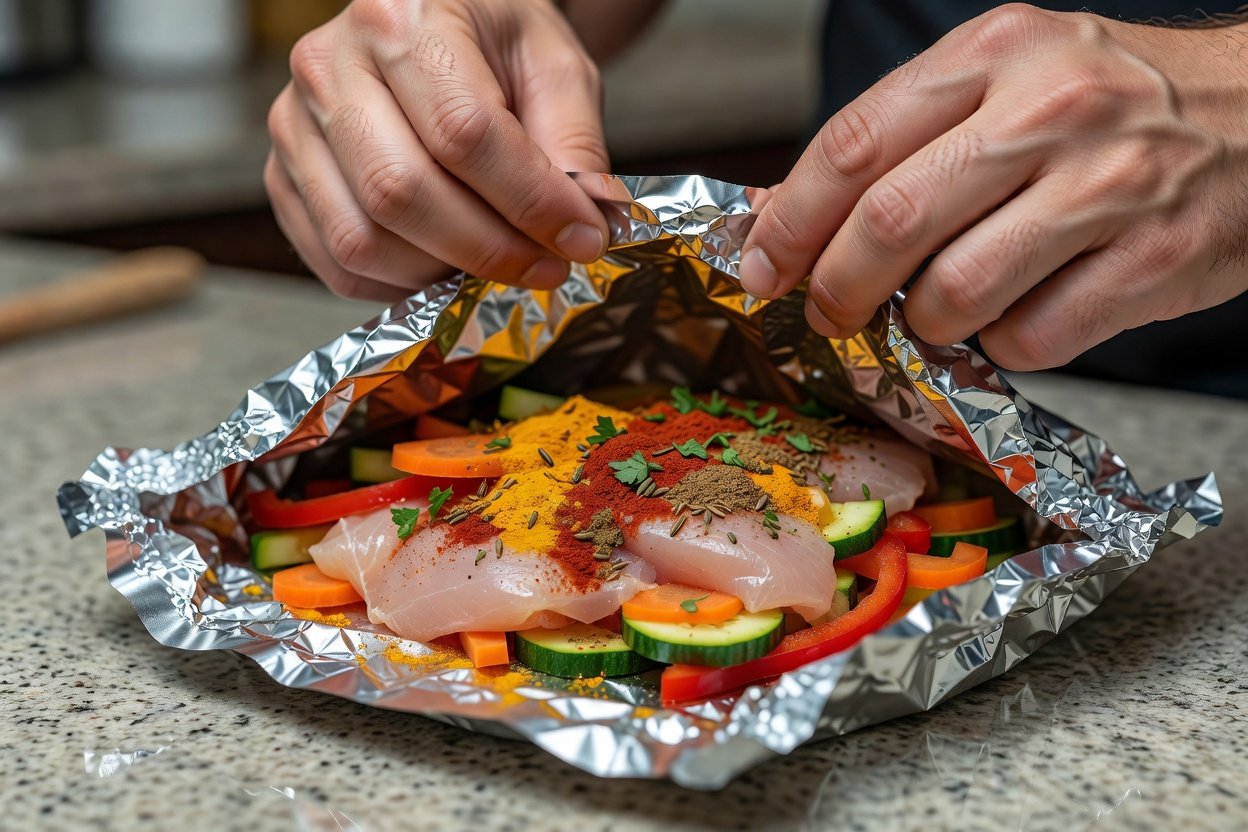
Begin with heavy-duty aluminum foil cut into 12-by-12-inch squares. Place protein in the center, surround it with sliced vegetables, then drizzle seasonings. Bring opposite edges together and fold tightly three times to create a secure seam. Tuck the remaining ends to form a complete seal that traps steam. For grill cooking, wrap the first packet inside a second layer of foil to prevent punctures from grill grates.
Always leave a small pocket of air inside so steam can circulate. Overly tight packets may burst. Use oven mitts when opening hot packets because escaping steam reaches high temperatures. Discard foil after one use to avoid aluminum transfer concerns. These techniques ensure consistent results across all six recipes described below.
Six Global High-Protein Recipes with Step-by-Step Assembly
1. Thai Basil Chicken Packet
Combine 6 ounces boneless skinless chicken breast sliced into strips, one cup bell pepper strips, half cup sliced onion, one tablespoon low-sodium fish sauce, one teaspoon chili garlic sauce, and a handful of fresh Thai basil leaves. Layer ingredients in the foil center, fold, and cook 20 minutes at 400°F or 18 minutes on medium grill. Result: 32g protein and 280 calories per serving. Add extra chili flakes for adults who prefer stronger heat.
2. Thai Coconut Fish Packet
Use 6 ounces firm white fish such as cod, one cup zucchini rounds, quarter cup light coconut milk, one stalk lemongrass smashed, and fresh cilantro. The coconut milk creates a silky sauce while fish cooks gently. Macros average 28g protein and 310 calories. Grill time shortens to 12-15 minutes to avoid overcooking delicate fish.
3. Mexican Chicken Fajita Packet
Season 6 ounces chicken breast with cumin, smoked paprika, lime juice, and minced garlic. Add one cup sliced onions and bell peppers plus a few cherry tomatoes. This combination yields 35g protein and 290 calories. Serve with warm corn tortillas if desired, though the packet alone remains complete.
4. Mexican Shrimp Packet
Combine 6 ounces peeled shrimp, half cup corn kernels, half cup diced tomatoes, and one teaspoon chili powder. Shrimp cooks rapidly, requiring only 12 minutes on the grill. Each serving provides 30g protein and 240 calories. The natural sweetness of corn balances the spice.
5. Mediterranean Herb Chicken Packet
Layer 6 ounces chicken with quarter cup olives, half cup cherry tomatoes, one teaspoon dried oregano, and a drizzle of olive oil. The olives contribute healthy fats while chicken supplies the bulk of protein at 34g per packet. Oven baking at 400°F takes 22-25 minutes.
6. Mediterranean Lemon Tofu Packet
Press and cube 6 ounces firm tofu, then combine with one cup spinach, half cup artichoke hearts, lemon zest, and garlic. This plant-based option delivers 27g protein and remains suitable for vegan diets. Tofu absorbs surrounding flavors during the steaming process inside the packet.
Grill Versus Oven Cooking Times Comparison
Choosing between grill and oven depends on weather and available equipment. The table below outlines recommended times at medium grill heat versus 400°F oven temperature. Always verify doneness with an instant-read thermometer.
| Method | Chicken Recipes | Fish Recipes | Tofu or Shrimp Recipes |
|---|---|---|---|
| Grill (medium heat) | 18-22 minutes | 12-15 minutes | 12-18 minutes |
| Oven (400°F) | 22-25 minutes | 15-18 minutes | 18-22 minutes |
Internal temperature targets remain 165°F for chicken and 145°F for fish. Tofu does not require temperature checking but benefits from the full time to heat through and absorb flavors.
Nutritional Benefits and Protein Source Comparisons
Each recipe centers on lean protein sources recognized by major health authorities for supporting muscle maintenance and satiety. Chicken breast provides complete amino acids with minimal saturated fat. Fish supplies omega-3 fatty acids alongside high-quality protein. Tofu offers plant-based protein plus isoflavones that may support heart health. For authoritative guidance on balanced eating patterns, consult resources from the World Health Organization and the USDA.
Vegetables added to every packet increase fiber and micronutrient density without extra calories. The steaming method preserves these nutrients better than high-heat open-pan cooking. Families can rotate recipes throughout the week to prevent flavor fatigue while consistently meeting daily protein goals of 25-40g per meal.
Customizing Spice Levels and Dietary Adjustments
Start with the base seasoning listed and adjust according to preference. For milder versions, omit chili elements and substitute sweet paprika or extra herbs. Those seeking more heat can double the chili quantities or add fresh sliced jalapeños before sealing. Gluten-free diners already benefit because none of the recipes rely on wheat-based ingredients. Dairy-free status holds across all six variations. Individuals monitoring sodium can reduce or replace fish sauce and soy-based condiments with coconut aminos or fresh citrus.
Common Mistakes to Avoid
- Overcrowding packets prevents even cooking; limit ingredients to a single layer when possible.
- Skipping the double-wrap step on grills often leads to leaks and lost juices.
- Opening packets too early releases steam and extends total cook time.
- Using thin foil instead of heavy-duty increases the risk of tearing during handling.
Storage and Reheating FAQ
- How long do cooked packets last in the refrigerator? Up to three days when sealed in an airtight container after cooling.
- Can packets be frozen before cooking? Yes; assemble, seal, and freeze for up to two months. Thaw overnight in the refrigerator before grilling or baking.
- What is the best reheating method? Return packets to a 350°F oven for 10 minutes to restore texture without drying the protein.
- Are leftovers safe to eat cold? Yes, though reheating improves flavor and kills any surface bacteria that may have developed during storage.
Additional food safety recommendations appear on the FDA website and the Mayo Clinic healthy cooking pages.
Conclusion
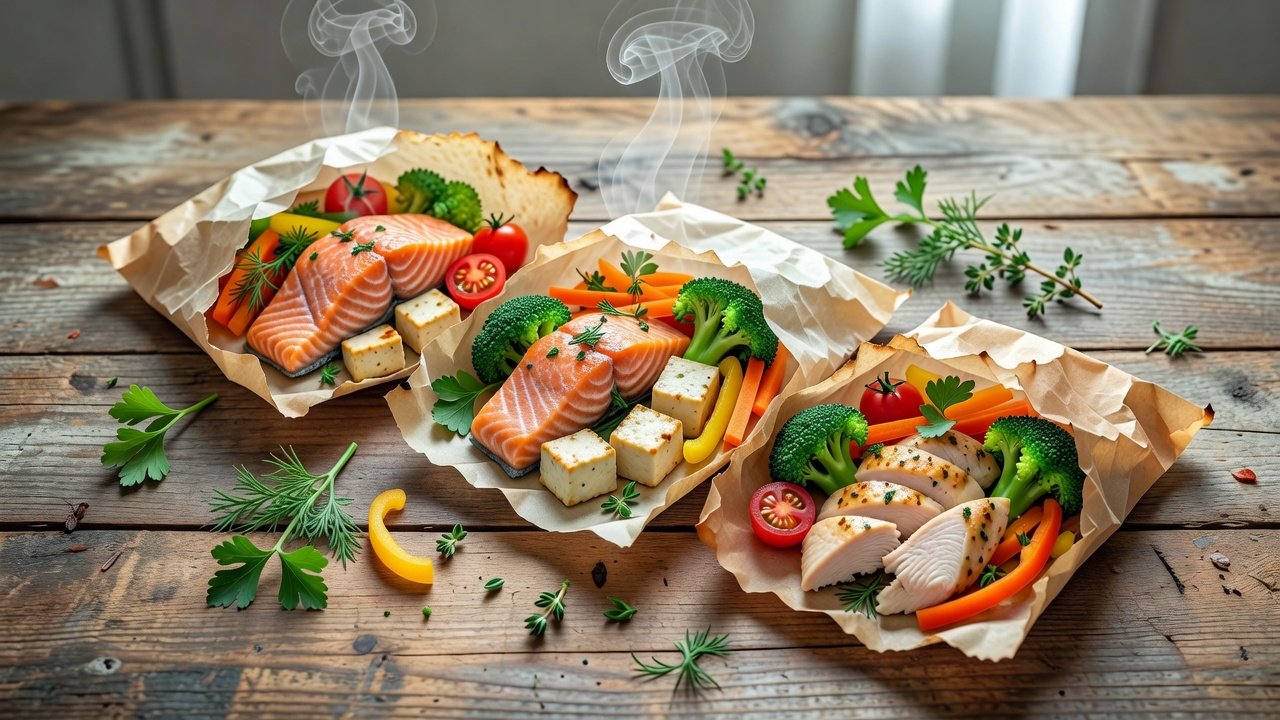
Foil packet meals with global flavor twists deliver convenient, high-protein dinners that require minimal effort and cleanup. The six recipes presented here provide reliable templates that busy 2026 households can adapt to personal tastes and dietary needs. Experiment with different protein and vegetable combinations to keep weeknight meals interesting while consistently hitting protein targets.
No comments yet. Be the first!