 Func Eats
Introduction to High-Protein Freezer Prep
Busy weeknights often leave little time for cooking nutritious meals, but high-protein freezer prep changes that. By batch-cooking and freezing proteins in advance, you can assemble complete dinners in just 15 minutes. This approach targets anyone searching for high protein meals and quick protein recipes while cutting daily kitchen time dramatically. Many families struggle with the daily decision of what to cook after a long day, leading to reliance on less healthy options. Freezer prep solves this by creating a ready-to-go system that delivers balanced nutrition without stress.
Why High-Protein Meals Matter for Busy Lifestyles
Protein plays a central role in maintaining muscle mass, supporting metabolism, and promoting feelings of fullness. According to guidelines from the World Health Organization, adequate protein intake contributes to overall health and energy balance. For people with demanding schedules, having pre-portioned high-protein options means avoiding the temptation of fast food. Studies show that consistent protein consumption helps stabilize blood sugar and reduces afternoon energy crashes, making these meals ideal for professionals and parents alike.
Benefits of Batch Freezer Prep
Freezer prep saves hours each week and ensures balanced nutrition without last-minute decisions. It reduces food waste and keeps costs predictable. Research from major health organizations highlights how consistent protein intake supports muscle health and satiety. Additional advantages include better portion control, which aids weight management goals, and the ability to incorporate a variety of proteins to prevent meal boredom. Over time, this method builds confidence in the kitchen and encourages healthier eating patterns across the household.
Selecting Freezer-Friendly Protein Sources
Choose lean meats like chicken breast, turkey, and fish that freeze well without texture loss. Plant-based options such as lentils, beans, and tofu also perform excellently. Avoid high-moisture items that become soggy upon thawing. Focus on fully cooked proteins for safety and convenience. Consider rotating between animal and plant proteins to provide dietary variety and meet different nutritional needs. For example, salmon offers omega-3 fatty acids while black beans deliver fiber alongside protein.
Equipment for Successful Freezer Prep
Invest in quality tools to streamline the process. Essential items include heavy-duty freezer bags, airtight glass or plastic containers, a digital scale for accurate portioning, and permanent markers for labeling. A slow cooker or large stockpot helps with bulk cooking, while sheet pans are useful for baking items like meatballs evenly. Having these on hand prevents common frustrations and makes sessions more efficient.
Portioning Techniques for Easy Use
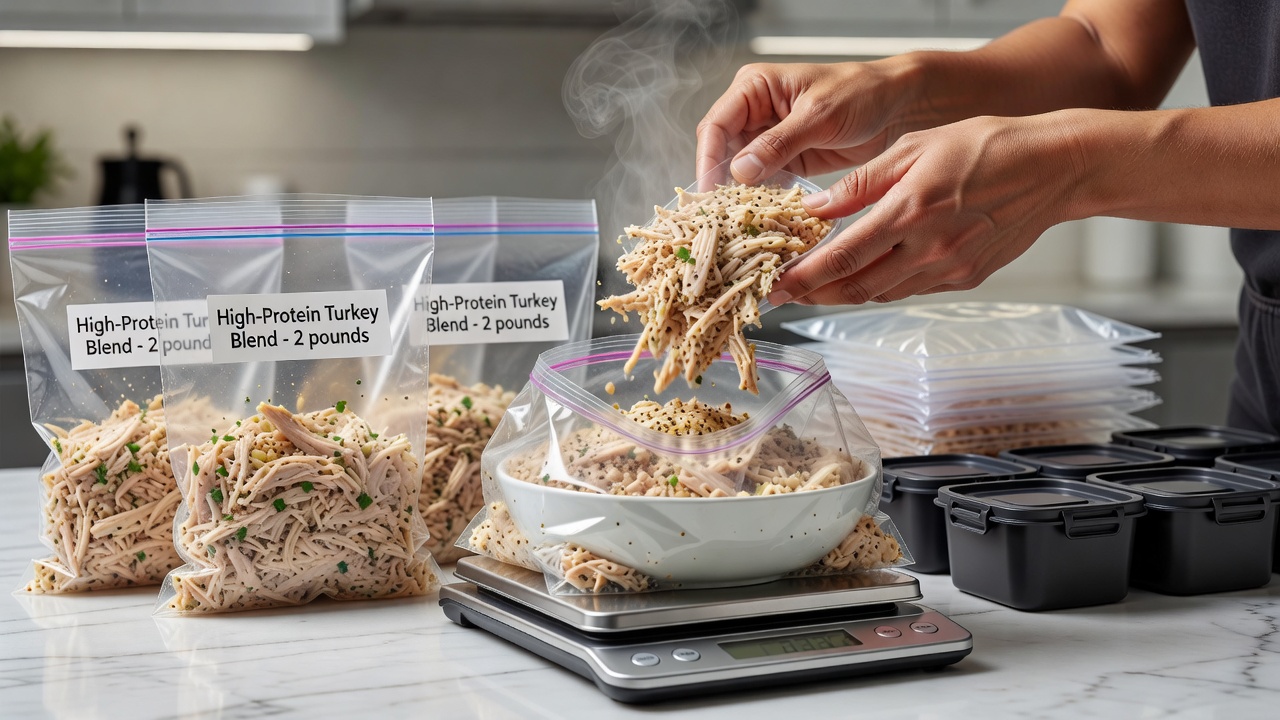
Divide cooked proteins into single or family-sized portions using freezer-safe bags or containers. Label each with the date and contents. Flat freezing in bags saves space and speeds thawing. Aim for 4-6 ounce servings per person to align with high-protein goals. Consider individual needs: athletes may prefer larger portions while lighter eaters can use smaller ones. Double-bagging helps prevent leaks and freezer burn over longer storage periods.
Storage Guidelines and Timelines
Store items at 0°F or below. Most cooked proteins remain optimal for 2-3 months. Use airtight packaging to prevent freezer burn. Follow a first-in, first-out system to maintain freshness. Keep a simple inventory list on the freezer door to track what is available and avoid overbuying ingredients. Proper storage preserves both safety and taste, ensuring meals remain enjoyable weeks later.
Thawing and Reheating Methods
Thaw overnight in the refrigerator for best results, or use the cold-water method for faster prep. Reheat in a skillet, microwave, or oven to reach safe internal temperatures. These steps ensure meals stay juicy and flavorful. Always check that reheated food reaches at least 165°F internally for safety, following recommendations from the U.S. Food and Drug Administration. Avoid refreezing thawed items to maintain quality and reduce waste.
Sample Recipe: Turkey Meatballs
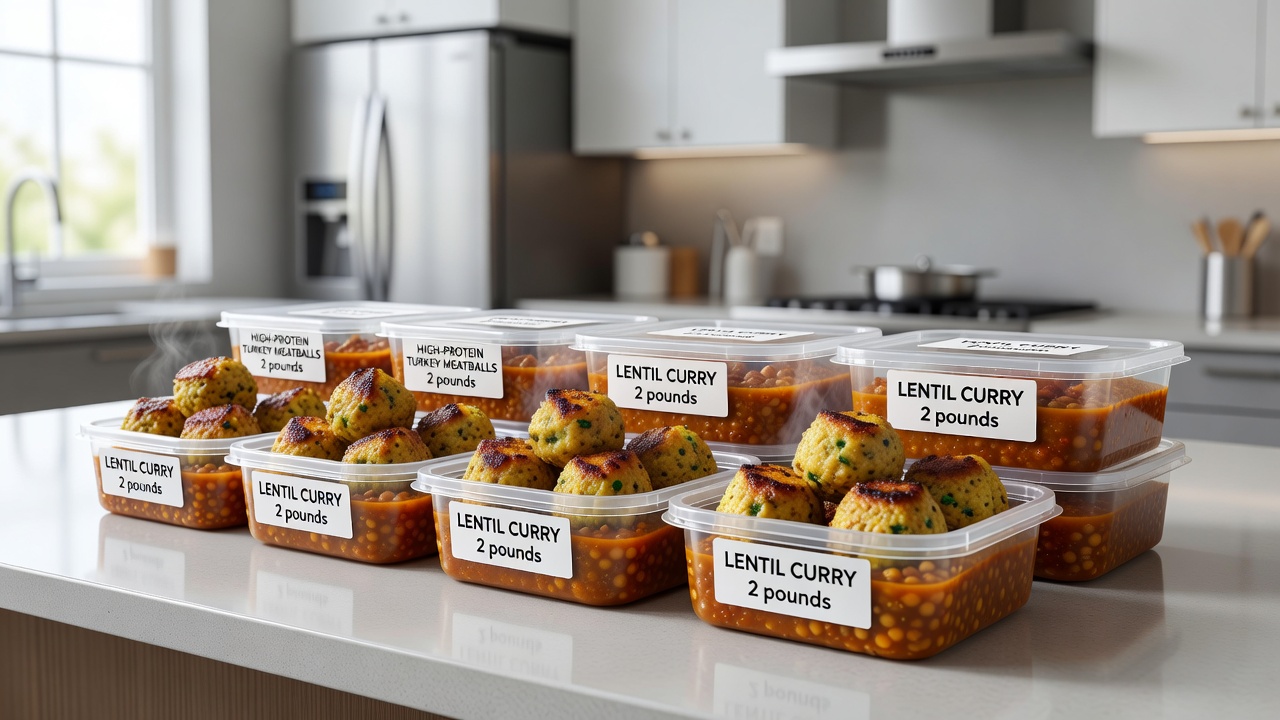
Prepare a large batch of turkey meatballs with lean ground turkey, oats, and herbs. Ingredients for 24 meatballs include 2 pounds ground turkey, 1 cup rolled oats, 2 eggs, minced garlic, onion powder, dried oregano, salt, and pepper. Mix everything thoroughly, form into 1.5-inch balls, and bake at 400°F for 20 minutes until cooked through. Cool completely on a wire rack before portioning into bags. On busy nights, simmer frozen meatballs in marinara sauce for 15 minutes and serve with steamed vegetables or whole-grain pasta for a complete meal.
Sample Recipe: Lentil Curries
Cook lentils with spices, tomatoes, and coconut milk. For a batch serving 8, use 2 cups dry lentils, one can diced tomatoes, one can light coconut milk, onion, garlic, ginger, curry powder, turmeric, and spinach. Sauté aromatics, add spices and lentils, then simmer with tomatoes and coconut milk until tender. Stir in spinach at the end. Cool, portion into containers, and freeze. Reheat directly from frozen in a saucepan or microwave in under 15 minutes for a complete vegetarian high-protein meal that pairs well with rice or naan.
Nutrition Comparisons
Compare homemade freezer meals to takeout: a turkey meatball dinner provides about 35 grams of protein per serving versus lower amounts in many restaurant options. Lentil curry delivers 25 grams of plant protein plus fiber. These choices support sustained energy without excess calories. Tracking macros becomes simpler when meals are pre-planned, helping users meet daily targets more consistently than with spontaneous cooking.
Step-by-Step Prep Timeline
- Day 1: Shop for ingredients and prep proteins in bulk (2 hours total).
- Day 2: Cook two recipes simultaneously while cooling items on sheet pans (1.5 hours).
- Day 3: Portion into containers, label clearly, and load into the freezer (45 minutes).
This schedule yields 10-12 dinners ready for reheating and can be adjusted based on available time.
Scaling Your Prep Sessions
Start small with one recipe if new to the process, then expand to multiple proteins in future weeks. Doubling recipes works well for larger families. Keep notes on what freezes best and adjust seasoning slightly stronger since flavors can mellow during storage. This iterative approach builds an efficient system tailored to your household preferences.
Assembling 15-Minute Dinners
Pair frozen proteins with quick sides such as pre-washed salad greens, microwaveable rice, or roasted vegetables from the freezer. Add fresh elements like herbs or a squeeze of lemon after reheating to brighten flavors. This modular system allows endless combinations without additional planning.
Common Mistakes to Avoid
- Overfilling containers leading to uneven freezing and longer thaw times.
- Skipping labels and losing track of dates, resulting in forgotten meals.
- Thawing at room temperature, which risks bacterial growth and texture changes.
- Using low-quality bags that tear easily during handling.
Flavor Retention Tips
Add fresh herbs after reheating to brighten flavors. Use broth-based sauces instead of cream to maintain texture. Test small batches first to refine seasoning for frozen storage. Consider adding a touch of acid like vinegar or citrus during the final reheat to revive taste profiles that may have dulled.
Conclusion
High-protein freezer prep transforms weeknight dinners into effortless, nutritious experiences. Start with one recipe this weekend and build your rotation for lasting results. The initial time investment pays off through saved evenings and improved dietary consistency.
FAQ
How long can frozen high-protein meals last?
Most last 2-3 months at proper freezer temperatures while retaining quality and safety.
Can I freeze raw proteins instead of cooked?
Cooked proteins are safer and faster for 15-minute meals; raw requires extra cooking time later and carries higher risk.
Do lentils lose protein when frozen?
No, freezing preserves protein content and nutrients effectively when stored properly.
What if meals taste bland after thawing?
Re-season lightly during reheating and incorporate fresh ingredients for best flavor retention.
Is it safe to freeze meals containing dairy?
Some dairy separates upon thawing; opt for recipes with minimal dairy or add it fresh when serving.
No comments yet. Be the first!