 Func Eats
High Protein Power Bowls Ready in 10 Minutes
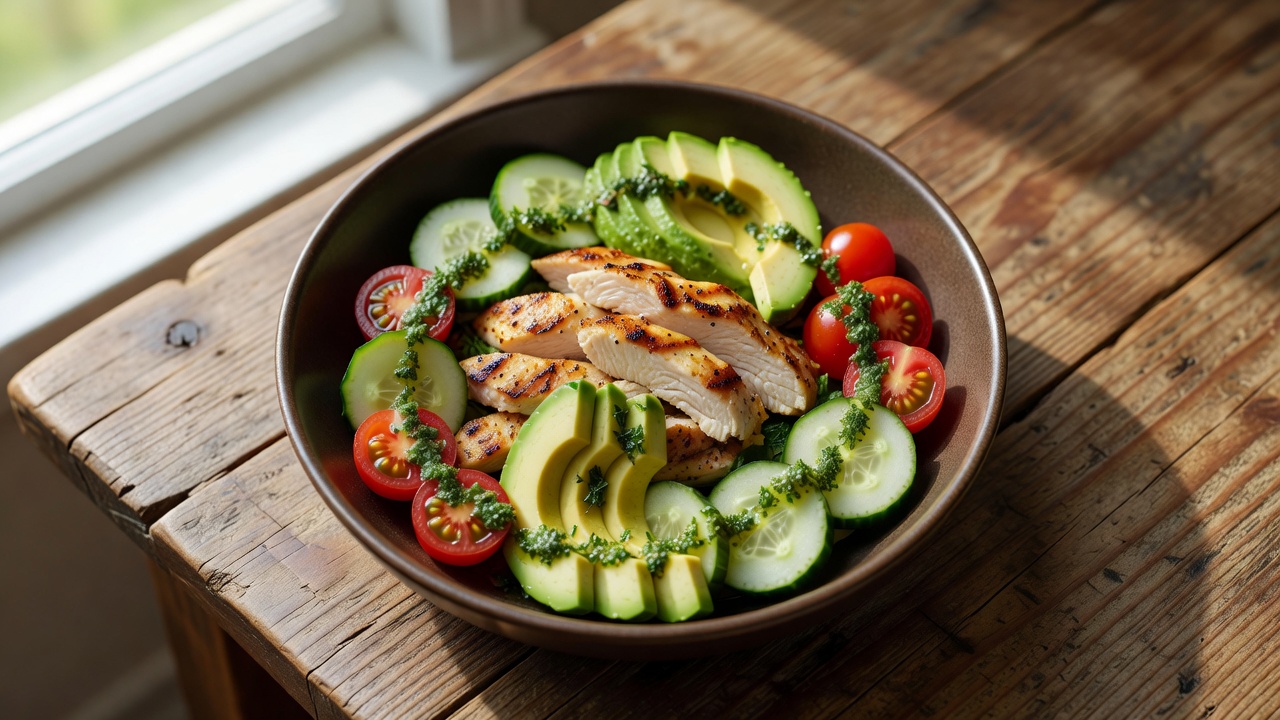
Busy schedules often make healthy eating feel impossible, but high-protein power bowls prove otherwise. These modular meals combine pre-cooked or no-cook proteins with fast vegetables and bold sauces for satisfying results in under 10 minutes. Whether your goal is muscle maintenance, weight management, or simply hitting daily protein targets, these bowls deliver flexibility without sacrificing nutrition or flavor. The beauty lies in their adaptability—anyone from fitness enthusiasts to busy parents can tailor them to specific dietary needs while keeping active kitchen time minimal.
Why Power Bowls Excel for Quick High-Protein Meals
Traditional cooking methods demand time and attention, yet power bowls rely on assembly rather than complex techniques. Pre-cooked proteins like rotisserie chicken, canned tuna, or hard-boiled eggs eliminate the cooking step entirely. Pair them with microwaveable or raw vegetables, and you create balanced meals that support recovery and satiety. Mayo Clinic emphasizes that consistent protein intake throughout the day helps maintain muscle mass and energy levels. Beyond convenience, these bowls promote better portion control because each component is measured and visible, reducing the likelihood of overeating. They also accommodate various dietary preferences, including gluten-free, dairy-free, and vegetarian adaptations, making them suitable for households with mixed needs.
Protein Base Options
Choose from a variety of ready-to-eat proteins to customize each bowl. Rotisserie chicken provides lean white meat that shreds easily and absorbs sauces well. Canned salmon or tuna offers omega-3 fatty acids with zero prep and long shelf stability. Greek yogurt or cottage cheese serves as a creamy base for sweet-leaning bowls and adds probiotics for gut health. Tofu or tempeh works for plant-based versions when purchased pre-marinated, delivering complete amino acid profiles. Hard-boiled eggs add choline and complete protein in portable form. For variety, consider smoked salmon, pre-cooked turkey slices, or even leftover steak from the night before. Aim for 25–40 grams of protein per serving depending on your daily needs, adjusting based on activity level and body weight goals.
Low-Carb and Grain Alternatives
Traditional grains like quinoa or rice can extend prep time and increase carbohydrate load. Instead, use cauliflower rice (microwaved from frozen in two minutes), shredded cabbage slaw, or spiralized zucchini for lower-carb volume. These options keep net carbs low while adding fiber and micronutrients that support digestion. For those who prefer grains, pre-cooked quinoa pouches heat in 90 seconds and provide sustained energy. Compare textures: cauliflower rice mimics the fluffy quality of grains without the starch load, while cabbage provides satisfying crunch that contrasts soft proteins. Other alternatives include konjac noodles for ultra-low calories or mixed greens for maximum volume with minimal calories. Each choice impacts the final macro balance differently, so experiment to find what keeps you full longest.
Six Flavor Profiles with Exact Ingredients
Rotate these profiles to prevent boredom while consistently meeting protein goals. Each uses common pantry staples and requires no cooking beyond optional microwaving.
1. Mediterranean Lemon Herb
- 4 oz shredded rotisserie chicken
- 1 cup cucumber slices and cherry tomatoes
- 2 tbsp feta cheese
- 1 tbsp olive oil + lemon juice + oregano dressing
- Optional: olives and fresh dill
2. Spicy Thai Peanut
- 4 oz canned salmon
- 1 cup shredded carrots and bell peppers
- 2 tbsp natural peanut butter mixed with sriracha and lime
- Handful of cilantro and crushed peanuts
3. Mexican Chipotle
- 4 oz black beans and grilled chicken
- 1 cup corn, avocado, and red onion
- 2 tbsp Greek yogurt mixed with chipotle powder
- Lime wedge and fresh cilantro
4. Asian Sesame Ginger
- 4 oz pre-cooked shrimp or tofu
- 1 cup edamame and snap peas
- 2 tbsp sesame-ginger dressing
- Top with sesame seeds and green onions
5. BBQ Ranch
- 4 oz pulled rotisserie chicken
- 1 cup roasted broccoli (microwaved) and pickles
- 2 tbsp Greek yogurt ranch mixed with sugar-free BBQ sauce
6. Italian Caprese
- 4 oz turkey or chicken slices
- 1 cup cherry tomatoes, basil, and mozzarella
- 1 tbsp balsamic glaze and olive oil
Each profile can be doubled for larger appetites or modified with extra vegetables for increased volume without many additional calories.
Step-by-Step Assembly Instructions
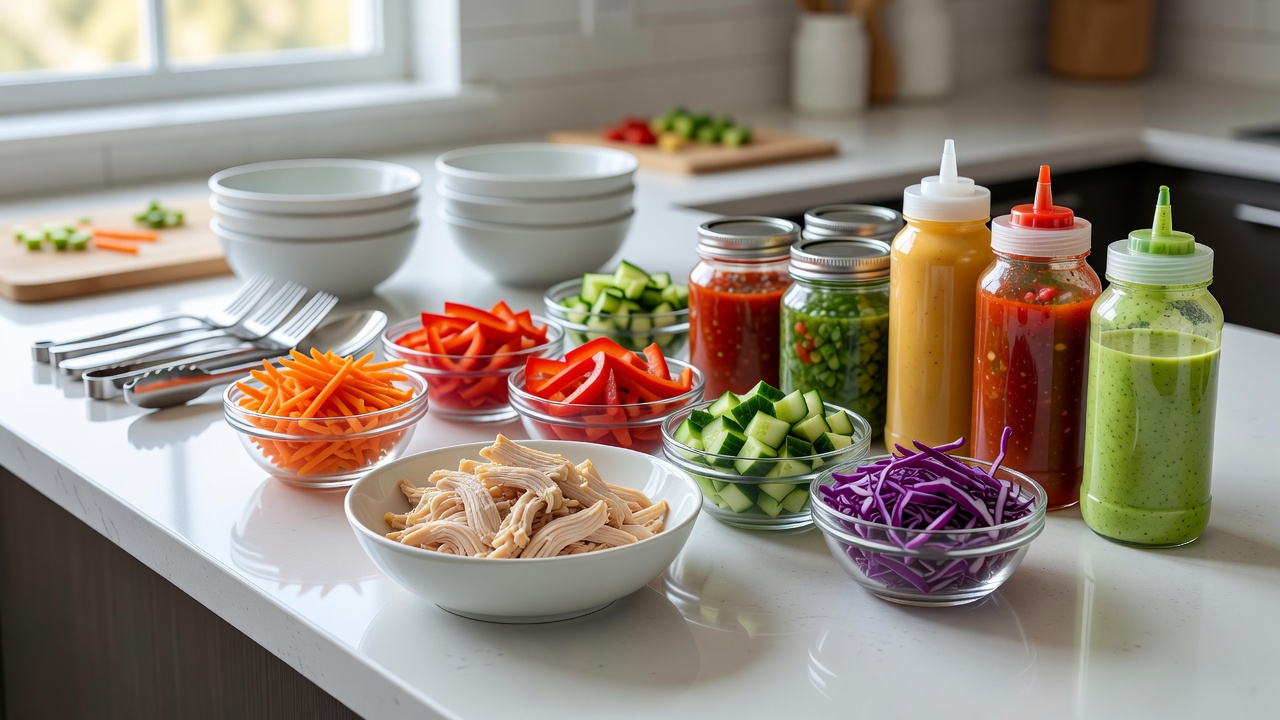
- Select your bowl base (cauliflower rice, slaw, or greens) and portion into a wide bowl for easy mixing.
- Add 25–40 g protein from pre-cooked sources, arranging it prominently for visual appeal.
- Layer 1–2 cups of quick vegetables to create color contrast and nutrient density.
- Drizzle 1–2 tablespoons of prepared sauce evenly to coat ingredients without sogginess.
- Finish with texture elements like seeds, nuts, or cheese for crunch and flavor depth.
- Stir gently and enjoy immediately, or pack components separately for on-the-go meals.
Following this order ensures even distribution of flavors and prevents any single ingredient from dominating the bite.
Macro Estimates Per Bowl
Each profile above yields approximately 30–40 g protein, 15–25 g fat, and 10–20 g net carbs when using low-carb bases. For example, the Mediterranean Lemon Herb bowl typically lands around 35 g protein, 18 g fat, and 12 g net carbs. The Spicy Thai Peanut version offers 32 g protein with slightly higher fat from the peanut butter at 22 g. Exact numbers vary by portion size and specific brands, so tracking with a reliable app provides precision for those monitoring macros closely.
Prep Method Comparisons
Batch-cooking proteins on weekends saves the most time during the week but requires initial planning. Buying pre-cooked options like rotisserie chicken or canned fish reduces active time to under five minutes and minimizes cleanup. Microwaveable vegetable mixes offer convenience but may contain added sodium that affects blood pressure for sensitive individuals. Raw veggie slaws require no heat and maintain maximum crunch and enzyme activity. Choose based on your weekly schedule and storage space—pre-cooked proteins work best for minimalists, while batch prepping suits those with larger refrigerators.
FAQ: Storage and Scaling for Meal Prep
How long do assembled bowls last?
Store components separately in airtight containers for up to four days. Combine just before eating to preserve texture and prevent wilting.
Can I scale recipes for family meals?
Multiply ingredients by the number of servings. Prepare sauces in larger batches and store in the refrigerator for up to a week to streamline daily assembly.
Are these bowls freezer-friendly?
Proteins and cooked vegetables freeze well for up to three months, but fresh greens and sauces should be added after thawing to maintain quality.
What if I have dietary restrictions?
Substitute proteins and sauces freely—use dairy-free yogurt for lactose intolerance or seed butters for nut allergies while keeping the same assembly method.
Tips for Rotating Ingredients
Keep a rotating list of proteins, vegetables, and sauces on hand. Swap chicken for turkey or tuna weekly to introduce new amino acid combinations. Introduce new vegetables like radishes or jicama for variety in texture and micronutrients. Experiment with spice blends or herb infusions to refresh familiar bases without extra calories. Consistent rotation helps maintain adherence while steadily hitting daily protein targets of 1.6–2.2 g per kg of body weight. World Health Organization highlights the importance of varied protein sources for overall nutrient density and long-term health.
Common Mistakes to Avoid
Overloading on sauces can quickly add unwanted calories and sodium. Always measure dressings rather than pouring freely. Neglecting texture contrast leads to monotonous meals—always include at least one crunchy element like seeds or raw vegetables. Forgetting to balance macros by skipping vegetables results in less satisfying bowls. Finally, using only one protein source repeatedly causes taste fatigue; rotate between animal and plant options for sustained interest.
Conclusion
High-protein power bowls transform hectic days into opportunities for nourishing meals. With modular components, six distinct flavor profiles, and straightforward assembly, they remove barriers to consistent healthy eating. Start with one profile this week, then expand your rotation to discover what works best for your lifestyle and goals.
No comments yet. Be the first!