 Func Eats
Introduction to Flexible High Protein Meals
Busy professionals and families in 2026 often seek quick protein recipes that accommodate dietary restrictions without extra time or complexity. High protein meals support muscle maintenance, satiety, and overall wellness while fitting vegan or keto preferences. This guide provides adaptable strategies for dinner that emphasize speed, using core swaps and assembly methods to deliver satisfying results in under 20 minutes. Whether you follow a fully plant-based approach, a strict low-carb ketogenic plan, or need options that shift between the two, these methods focus on real-world application for hectic schedules. The demand for versatile high protein meals continues to grow as more people balance health goals with limited cooking time.
Core Ingredients for Vegan and Keto High Protein Meals
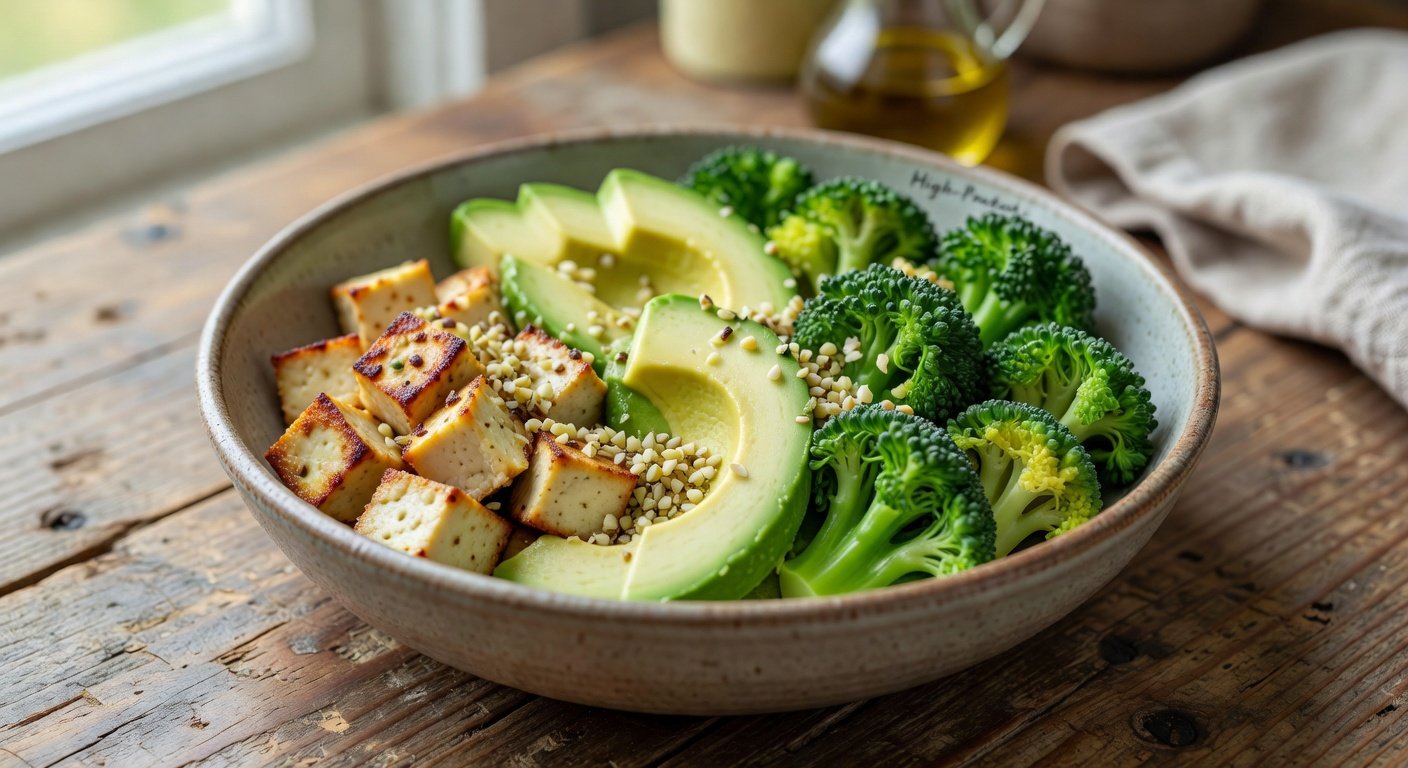
Both diets benefit from prioritizing protein-dense foods that require minimal preparation. Vegan options center on tofu, tempeh, lentils, chickpeas, seitan, and edamame, each providing substantial protein while remaining neutral enough for quick seasoning. Keto versions rely on eggs, Greek yogurt, fatty fish like salmon, poultry, and cheese to meet macronutrient targets without excess carbohydrates. Overlapping choices like hemp seeds, pumpkin seeds, and certain nut butters work across both diets when portions are adjusted for carb limits. Stocking a pantry with these staples allows for spontaneous meal creation that stays aligned with dietary needs.
Essential Ingredient Swaps
Start with a base protein and modify for each diet to maintain speed and satisfaction. Replace chicken or turkey with extra-firm tofu or tempeh in stir-fries and skillets, pressing the tofu briefly to remove moisture for better texture. Swap dairy yogurt for unsweetened coconut yogurt on keto or fortified soy yogurt for vegan needs, ensuring similar creaminess in sauces or bowls. Use zucchini noodles, spaghetti squash, or cauliflower rice instead of grains to keep meals low-carb while maintaining volume and flavor absorption. These swaps preserve the core cooking time and technique, making transitions seamless between vegan and keto versions of the same dish.
Flavor-Building Techniques
Enhance taste quickly with spices, herbs, and acids that require no advanced skills. Garlic, smoked paprika, cumin, chili flakes, and nutritional yeast add depth to vegan dishes without additional cooking steps. Keto meals gain richness from olive oil, avocado oil, butter, and fresh herbs like basil or cilantro. A quick five-minute marinade of lemon juice, tamari or coconut aminos, ginger, and garlic transforms basic proteins into restaurant-quality results. Experiment with combinations such as curry powder with coconut milk for vegan curries or Italian herbs with olive oil for keto protein bakes to keep meals interesting across multiple days.
Time-Saving Assembly Methods
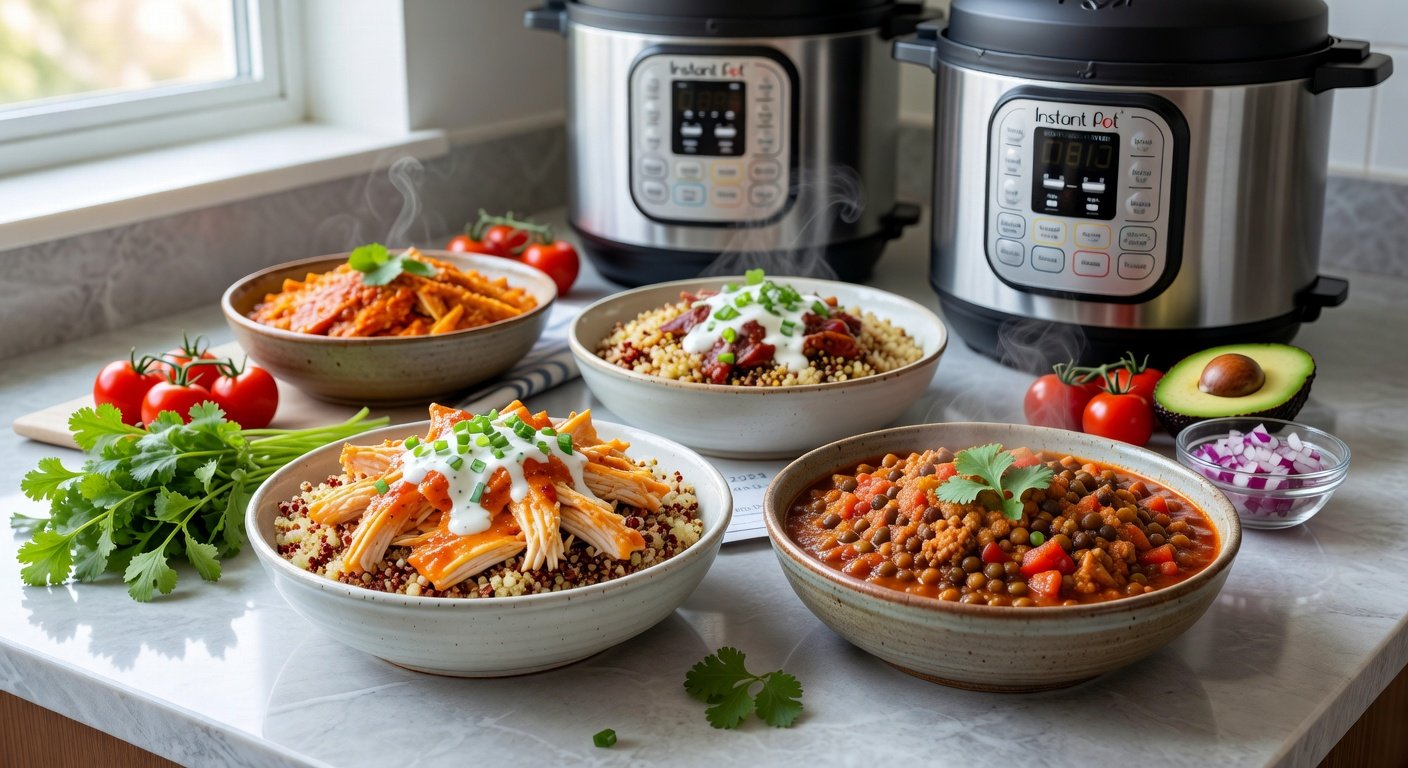
Batch-prep proteins on weekends and store in the fridge for fast weekday dinners that reheat in minutes. Use sheet-pan roasting or one-pan skillets to minimize cleanup while cooking multiple components simultaneously. Pre-chopped frozen vegetables and canned legumes further reduce active cooking time while preserving nutrients and texture. Consider investing in an air fryer or instant pot for hands-off cooking that delivers consistent results. These methods ensure that high protein meals fit into 15-20 minute windows even on the busiest evenings.
Side-by-Side Recipe Comparisons
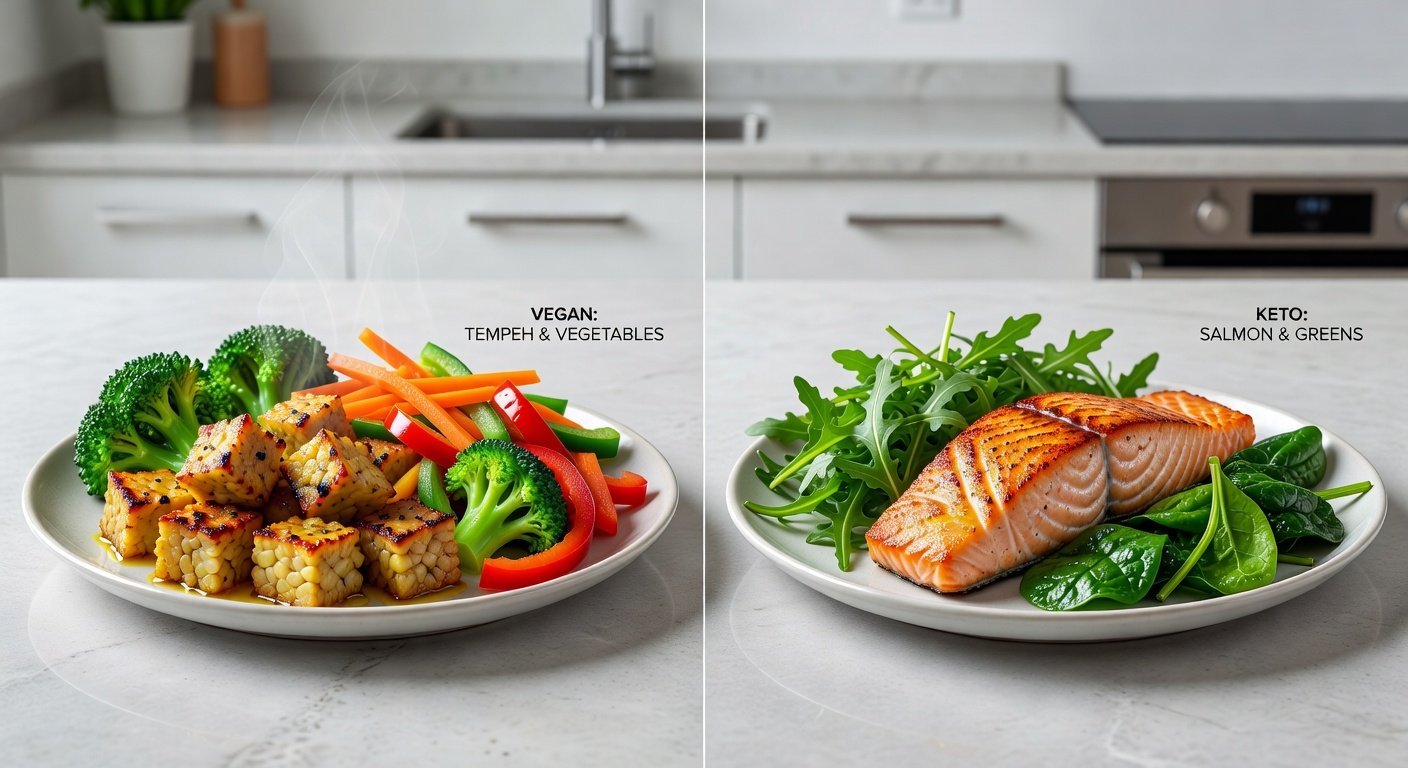
Consider these adaptable dinner ideas that demonstrate flexibility. A vegan chickpea curry uses coconut milk and spinach for creaminess alongside spices for bold flavor, delivering around 28 grams of protein per serving. The keto version swaps chickpeas for shredded chicken and adds heavy cream or cream cheese, maintaining similar protein levels with fewer carbs. Both cook in 15 minutes using the same base seasonings. Another option pairs seitan stir-fry with broccoli and bell peppers for vegan eaters or salmon with asparagus for keto followers, using identical garlic-ginger sauce. A third comparison features lentil salad bowls versus egg and avocado salads, each customizable with herbs and lemon for brightness. These examples highlight how minor adjustments create diet-specific meals from shared foundations.
Step-by-Step Customization Examples
Begin with a neutral protein such as tofu or eggs. Add vegetables like spinach or zucchini, then layer fats or sauces according to diet. For a vegan twist, finish with tahini or sriracha drizzle; for keto, incorporate avocado slices or shredded cheese. Test small batches to refine seasoning before scaling up for the family. Example one: Start with pan-seared tempeh, add broccoli and bell peppers, season with soy sauce and sesame oil for vegan, or switch to chicken thighs with the same vegetables and add butter for keto. Example two: Assemble a salad base with mixed greens, top with chickpeas and tahini dressing for vegan or canned tuna and olive oil for keto. These step-by-step approaches encourage experimentation while keeping preparation straightforward.
Common Pitfalls and How to Avoid Them
- Over-relying on processed substitutes that add hidden carbs or sodium, which can derail both vegan and keto goals.
- Skipping healthy fats on keto, which can reduce meal satisfaction and energy levels throughout the evening.
- Neglecting variety, leading to flavor fatigue in vegan meals and reduced adherence over time.
- Ignoring portion awareness when combining high-protein ingredients, potentially exceeding carb limits unintentionally.
- Failing to account for cooking times of different proteins, resulting in uneven textures or overcooked vegetables.
Frequently Asked Questions
Can the same meal work for both diets simultaneously?
Yes, with careful planning. Focus on shared ingredients like leafy greens, avocado, olive oil, and herbs, then customize the protein source per plate while using identical seasonings and cooking methods.
How do I ensure adequate protein intake on both diets?
Target 20-30 grams per meal using measured portions of tofu, eggs, seitan, or legumes. Combine multiple sources when needed, such as pairing lentils with hemp seeds, and track totals with a simple app for consistency across the week.
What if I have limited kitchen equipment?
One skillet or microwave-safe containers suffice for most recipes. Pre-cooked proteins from the store or frozen options accelerate assembly further without sacrificing quality or protein content.
Are these meals suitable for meal prep?
Absolutely. Prepare components separately and assemble just before eating to maintain texture. Most recipes store well in airtight containers for three to four days in the refrigerator.
How can I adjust for different spice preferences?
Keep the base recipe mild and offer customizable toppings like hot sauce, fresh herbs, or nutritional yeast on the side so each person can tailor heat and flavor intensity.
Conclusion
Customizing quick high protein meals for vegan and keto diets becomes straightforward with strategic swaps and simple techniques. These approaches deliver variety, speed, and nutrition suited to 2026 schedules. Experiment with the examples provided to discover personal favorites that support your goals. For broader nutrition guidance, consult Mayo Clinic and CDC resources.
No comments yet. Be the first!