 Func Eats
Why Repurposing Leftovers Saves Time and Boosts Nutrition
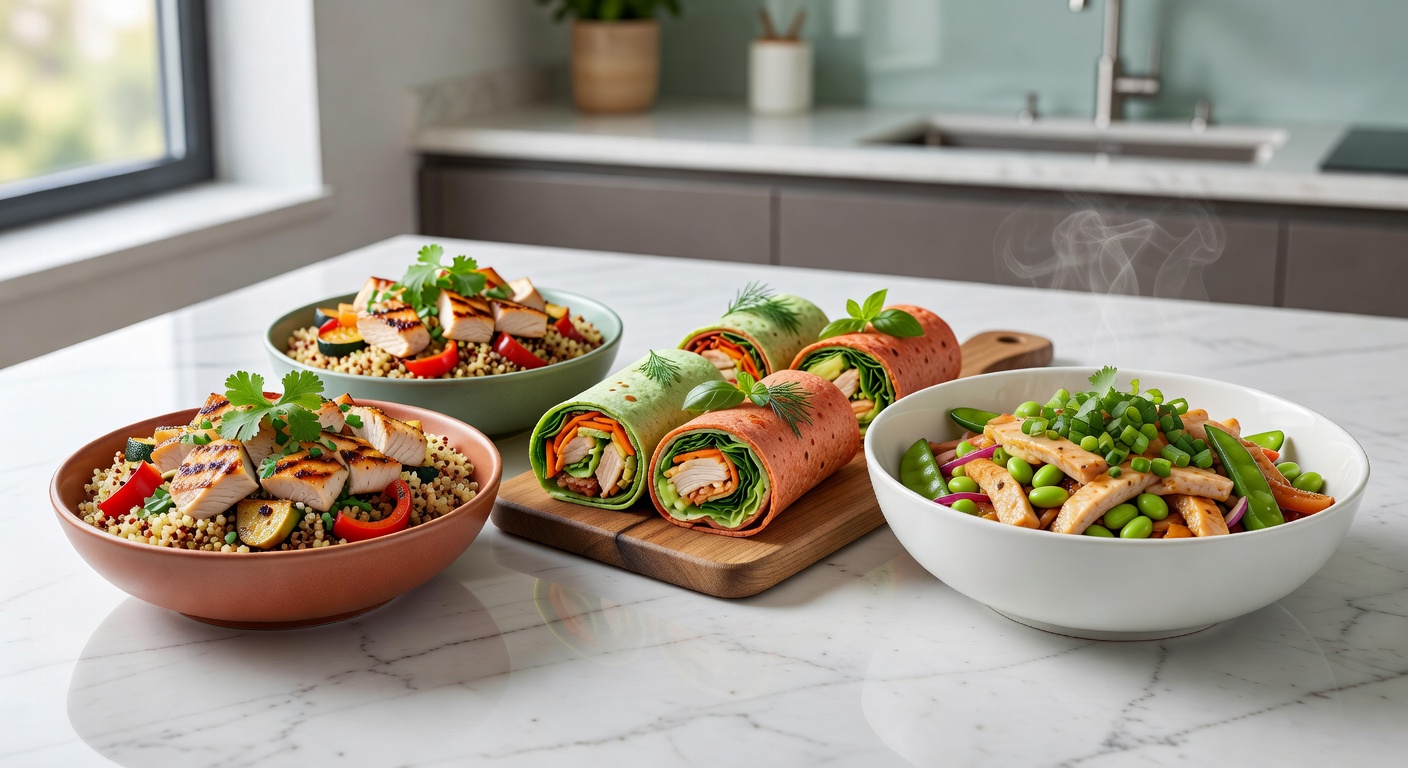
Home cooks frequently struggle with weeknight meal planning when time is limited and grocery shopping feels like an extra chore. Transforming leftovers into high-protein meals offers an efficient solution that reduces waste while delivering balanced nutrition. Batch-cooked proteins such as grilled chicken, along with versatile grains like quinoa, serve as reliable foundations that can be elevated quickly into diverse dishes. This strategy supports consistent protein intake, which is essential for muscle maintenance, satiety, and energy levels throughout busy days.
By mastering a few core techniques, anyone can create restaurant-quality meals at home without additional shopping trips. The process emphasizes using what is already available, combining pantry staples creatively, and applying precise reheating methods to preserve texture and flavor. Over time, this approach builds confidence in the kitchen and streamlines meal preparation routines.
Benefits of High-Protein Leftover Transformations
High-protein meals help regulate appetite and support metabolic health. When leftovers are upgraded thoughtfully, they retain most of their original nutritional value while gaining new dimensions through added vegetables, herbs, or sauces. For example, incorporating spinach or bell peppers boosts fiber and micronutrients without complicating the process. Individuals following fitness goals or simply aiming for better daily nutrition find these meals particularly valuable because they provide 30 to 45 grams of protein per serving in many cases.
Another advantage is cost efficiency and reduced food waste. According to guidelines from USDA, proper storage and creative repurposing can cut household food waste significantly. This method also encourages variety, preventing the boredom that often accompanies repetitive meal plans.
Essential Batch Bases and Pantry Staples
Successful transformations begin with reliable bases prepared in advance. Grill several chicken breasts or cook a large batch of quinoa on weekends. Roast chickpeas or hard-boil a dozen eggs for additional options. These items store well and reheat without losing quality when handled correctly.
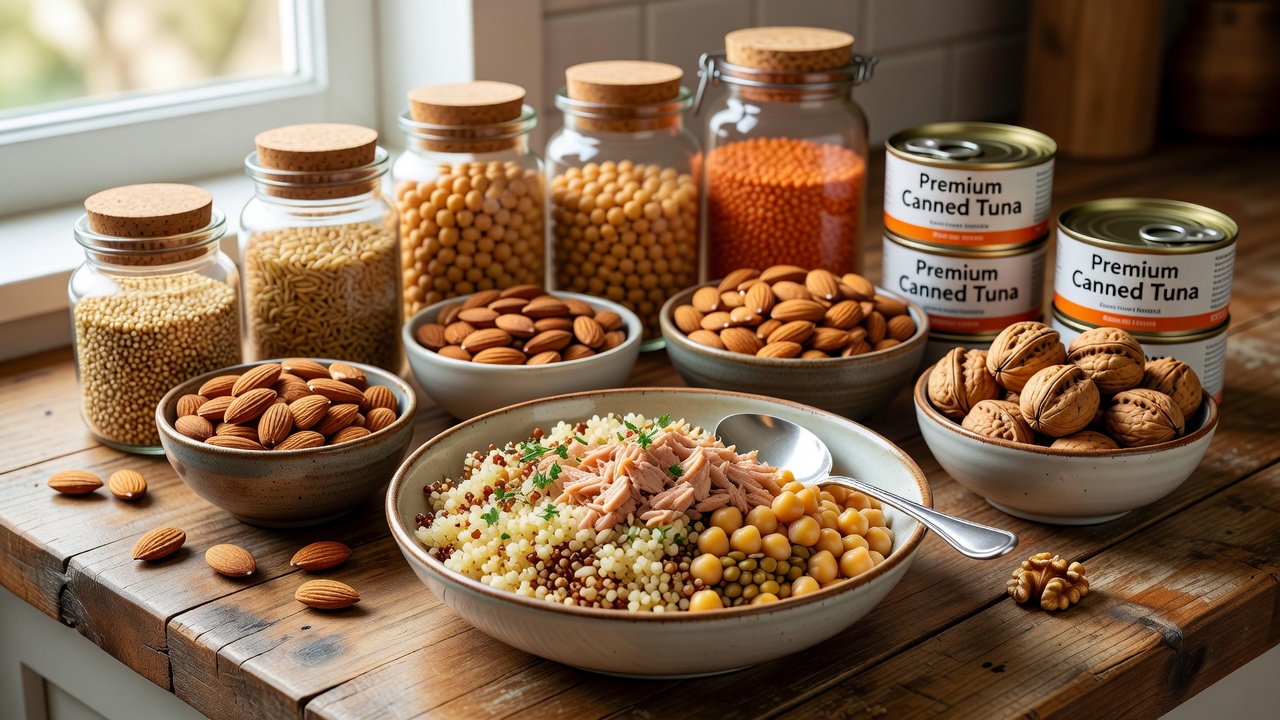
Keep a well-stocked pantry with items such as olive oil, garlic powder, cumin, smoked paprika, soy sauce, tahini, Greek yogurt, canned beans, and hot sauce. These staples enable endless flavor combinations. A quick checklist includes: spices for global cuisines, acidic elements like lemon juice or vinegar for brightness, creamy components for richness, and crunchy add-ins like seeds or nuts for texture contrast.
Step-by-Step Transformation Techniques
Start by evaluating the texture of your leftovers. Shredded or diced proteins heat more evenly than whole pieces. For grains, fluff with a fork and introduce moisture through low-sodium broth or a spoonful of yogurt. Always aim for an internal temperature of 165°F when reheating proteins to ensure safety, following recommendations from health authorities like WHO.
Layer flavors systematically: begin with a base fat such as olive oil, add aromatics, incorporate the protein, then finish with fresh herbs or acid. Experiment with profiles such as Mediterranean (oregano and lemon), Asian (ginger and sesame), or Mexican (chili and lime). These combinations transform basic ingredients into exciting meals within minutes.
Portioning, Storage Guidelines, and Macro Calculations
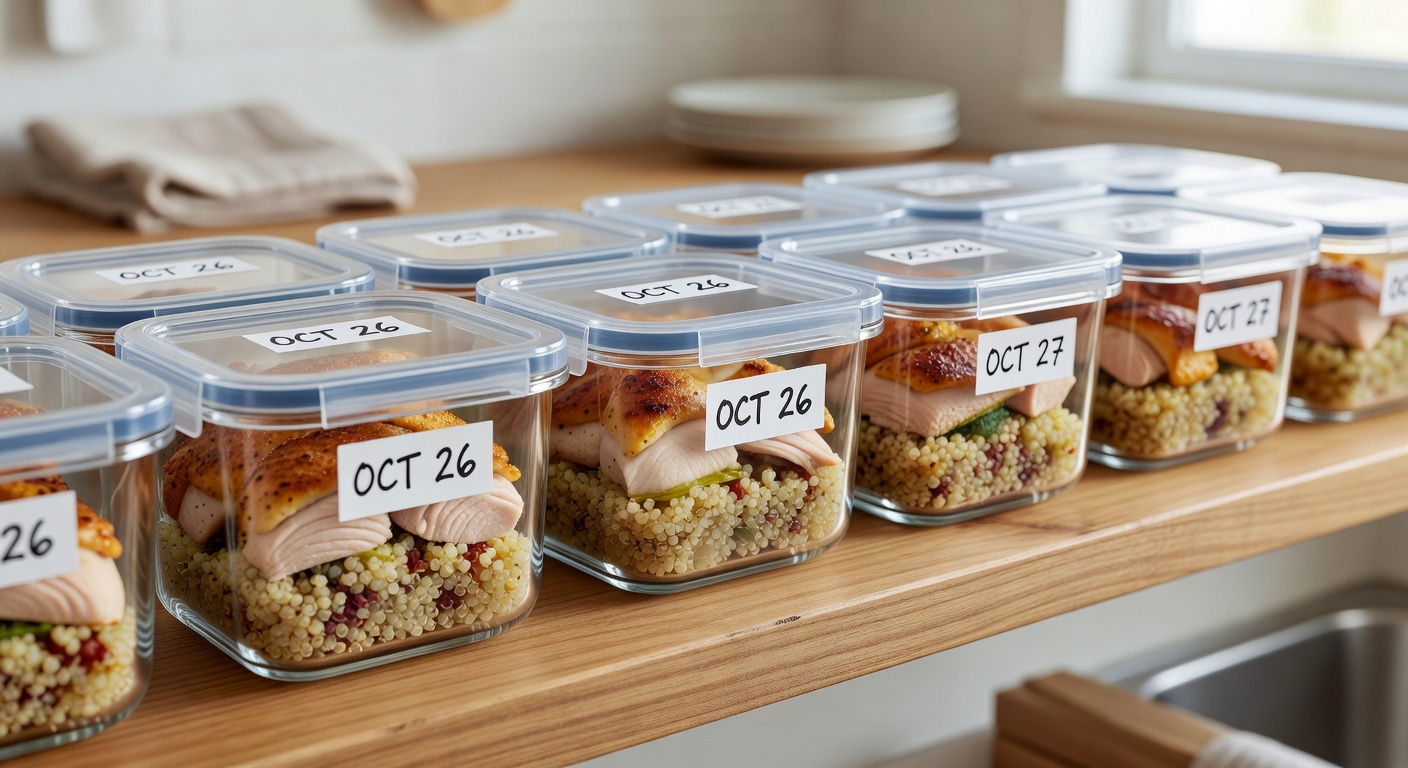
Portion meals immediately after initial cooking to avoid repeated temperature changes that degrade quality. Use glass containers for easy reheating and visibility. Most bases remain fresh for four days in the refrigerator. For longer storage, freeze portions in freezer-safe bags, removing excess air to prevent freezer burn.
Macro tracking becomes straightforward with simple calculations. A standard 4-ounce portion of grilled chicken delivers approximately 35 grams of protein. One cup of cooked quinoa contributes 8 grams of protein along with complex carbohydrates. Adding Greek yogurt or eggs can increase totals further. Weigh ingredients initially to build familiarity, then estimate based on visual cues for speed.
6 Practical High-Protein Leftover Recipes with Timings
1. Chicken Quinoa Power Bowl (12 minutes)
Ingredients include 4 ounces leftover grilled chicken, ¾ cup cooked quinoa, ½ cup fresh spinach, 1 tablespoon tahini, and a pinch of smoked paprika. Dice the chicken, warm it with quinoa in a nonstick skillet over medium heat for 5 minutes, then stir in spinach until wilted. Drizzle tahini and season. Total protein: 42 grams. Swap suggestion: Replace chicken with roasted chickpeas for a plant-based alternative that maintains 30 grams of protein.
2. Egg Fried Quinoa Skillet (10 minutes)
Use 1 cup leftover quinoa, 2 large eggs, ½ cup mixed frozen vegetables, and garlic powder. Heat a skillet, scramble the eggs first, then fold in quinoa and vegetables. Cook for 6 minutes total. Protein: 28 grams. Swap: Incorporate canned tuna instead of eggs for a seafood variation yielding 32 grams of protein.
3. Spicy Chickpea Chicken Wrap (8 minutes)
Combine 3 ounces shredded chicken, ½ cup roasted chickpeas, 2 tablespoons Greek yogurt, and hot sauce in a whole-wheat tortilla. Warm the filling briefly before assembly. Protein: 38 grams. Swap: Use large lettuce leaves for a lower-carbohydrate wrap option.
4. Quinoa Egg Muffins (15 minutes)
Mix 1 cup quinoa with 4 egg whites, chopped herbs, and a handful of spinach. Spoon into a greased muffin tin and bake at 375°F for 12 minutes. Yields 4 muffins at 22 grams protein for two. Swap: Fold in flaked leftover salmon for omega-3 enhancement.
5. Thai Basil Chicken Stir-Fry (15 minutes)
Sauté 4 ounces diced chicken with 1 cup quinoa, fresh basil, soy sauce, and sliced bell peppers in a wok. Stir continuously for 10 minutes. Protein: 40 grams. Swap: Substitute shrimp when available for a lighter seafood profile.
6. Mediterranean Quinoa Salad (7 minutes)
Toss ¾ cup quinoa with 3 ounces chicken, olives, cherry tomatoes, feta, and olive oil dressing. No cooking required beyond assembly. Protein: 35 grams. Swap: Use white beans to create a vegetarian version with comparable protein density.
Common Mistakes to Avoid
Overheating can dry out proteins, so always add moisture during reheating. Neglecting seasoning leads to bland results; taste and adjust before serving. Storing mixed dishes for too long may cause sogginess, so keep components separate when possible. Finally, skipping portion control undermines macro goals, so measure initially until patterns become intuitive.
Protein Boost Comparison Table
| Recipe Variation | Protein Content | Total Time | Recommended Swap |
|---|---|---|---|
| Chicken Quinoa Bowl | 42g | 12 min | Chickpeas for vegetarian |
| Egg Fried Quinoa | 28g | 10 min | Canned tuna |
| Chickpea Chicken Wrap | 38g | 8 min | Lettuce wrap |
| Quinoa Egg Muffins | 22g (per 2) | 15 min | Salmon flakes |
| Thai Basil Stir-Fry | 40g | 15 min | Shrimp |
| Mediterranean Salad | 35g | 7 min | White beans |
Frequently Asked Questions on Reheating and Safety
How can I prevent proteins from drying during reheating?
Add a tablespoon of broth or water, cover the container, and use medium power in the microwave or gentle heat on the stovetop to lock in moisture.
Is it safe to freeze and reheat these meals multiple times?
Freeze only once and thaw in the refrigerator overnight. Reheat thoroughly to 165°F, but avoid repeated freeze-thaw cycles to maintain quality and safety.
What adjustments work for lower-carb diets?
Substitute grains with extra vegetables or cauliflower rice while keeping the protein portions the same to preserve macros.
How accurate are the macro estimates provided?
Figures are based on standard USDA data and average portion sizes. For precision, weigh your specific ingredients and use a nutrition tracking app.
Conclusion and Ongoing Success Tips
Mastering leftover transformations turns routine cooking into an efficient, creative process. With practice, these techniques become second nature, freeing up time for other priorities while supporting health goals. Experiment with new flavor profiles each week and maintain organized storage systems for best results. Over time, this method fosters sustainable eating habits that feel both practical and rewarding.
No comments yet. Be the first!