 Func Eats
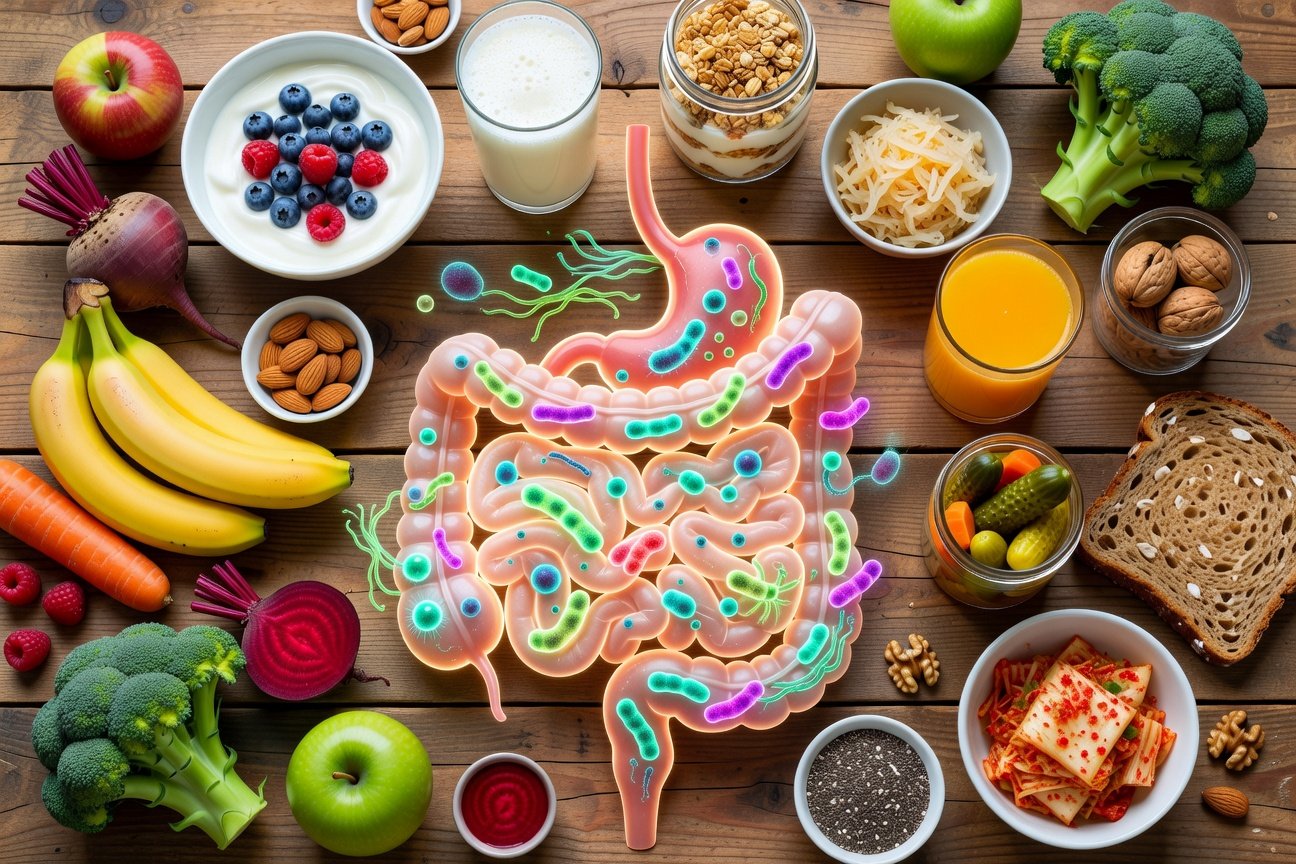
Your gut is home to trillions of microorganisms forming the gut microbiome, a key player in digestion, immunity, and overall health. Smart eating practices can nurture this ecosystem, leading to reduced bloating, stronger defenses against illness, and sustained energy. Recent studies, including projections into 2026, highlight how targeted nutrition shifts yield lasting benefits. This guide covers probiotic-rich foods, fiber strategies, mindful techniques to dodge irritants, backed by science, plus beginner-friendly meal ideas.
Understanding the Gut Microbiome's Role
The gut microbiome influences 70-80% of your immune system and breaks down food for nutrient absorption. Dysbiosis, or imbalance, links to issues like IBS, fatigue, and weakened immunity. Smart eating restores harmony by promoting beneficial bacteria like Lactobacillus and Bifidobacterium.
According to the National Institute of Diabetes and Digestive and Kidney Diseases (NIDDK), a diverse microbiome supports gut barrier integrity, preventing leaky gut syndrome.
Probiotic-Rich Foods: Live Cultures for Gut Revival
Probiotics are live beneficial bacteria in fermented foods. Incorporating them daily introduces diversity to your microbiome.
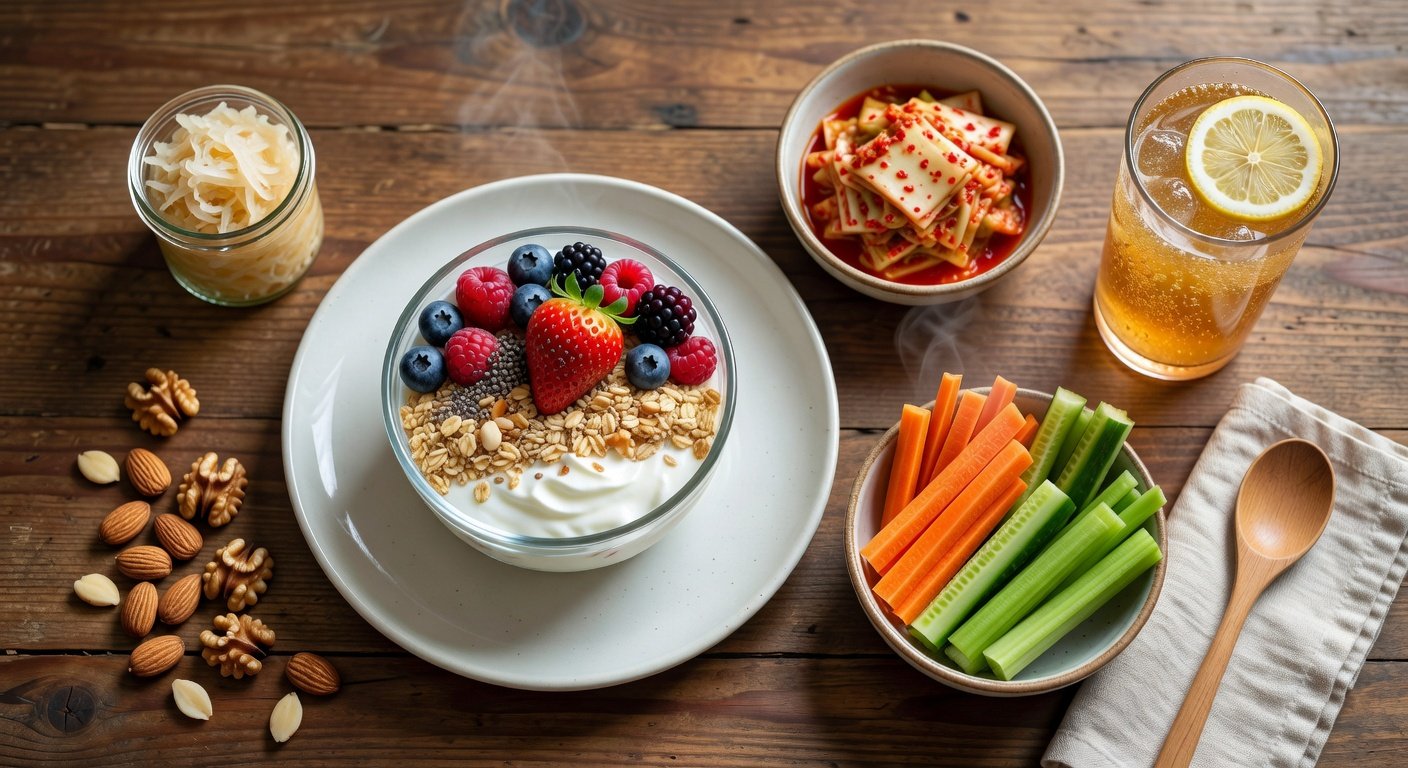
- Yogurt and Kefir: Opt for unsweetened Greek yogurt or kefir with live cultures. Start your day with a parfait layered with berries.
- Sauerkraut and Kimchi: These cabbage ferments pack Lactobacillus. Add 1-2 tablespoons to salads or sandwiches.
- Miso and Tempeh: Soy-based ferments ideal for vegans. Use miso in soups for an umami boost.
- Kombucha: Low-sugar versions provide yeast and bacteria. Limit to one bottle daily.
2026-updated meta-analyses confirm probiotics reduce digestive inflammation by 25-30% in trials, enhancing short-chain fatty acid production for gut lining repair.
Fiber Strategies: Prebiotics to Feed Good Bacteria
Prebiotic fibers act as fertilizer for probiotics. Aim for 25-38 grams daily from whole foods, not supplements, for optimal microbiome diversity.
- Soluble Fiber: Oats, apples, and beans slow digestion, stabilizing blood sugar.
- Insoluble Fiber: Bran, veggies, and nuts add bulk to prevent constipation.
- Resistant Starch: Found in cooled potatoes and green bananas; ferments into butyrate, an anti-inflammatory powerhouse.
Gradually increase intake to avoid gas. A MedlinePlus review on probiotics and prebiotics notes combined intake boosts immunity markers by 20%.
Mindful Eating Techniques: Sidestep Gut Irritants
Not all foods nurture your gut. Mindful practices help identify and avoid triggers.
- Limit Processed Sugars: They feed harmful bacteria. Swap soda for herbal tea.
- Reduce Artificial Sweeteners: Aspartame disrupts balance; use stevia sparingly.
- Cut Back on Fried Foods: Trans fats inflame the gut lining.
- Practice Slow Eating: Chew 20-30 times per bite to aid enzyme release and microbiome signaling.
- Hydrate Smartly: 8-10 glasses of water daily flushes toxins without diluting stomach acid.
Intermittent fasting (12-16 hours) allows microbiome reset, per 2026 longitudinal studies showing improved bacterial diversity.
2026 Science Updates on Gut Nutrition
Emerging research emphasizes personalization via at-home microbiome tests. Key findings:
- Polyphenol-rich foods (berries, dark chocolate) increase Akkermansia muciniphila, linked to metabolic health.
- Omega-3s from fatty fish modulate inflammation via gut-brain axis.
- Mediterranean-style diets yield 15% better immunity scores in RCTs.
The Harvard T.H. Chan School of Public Health underscores fermented foods' role in post-pandemic resilience.
Easy Meal Ideas for Smarter Nutrition
Transition with these beginner recipes:
Breakfast: Gut-Boosting Smoothie Bowl
Blend kefir, banana, oats, chia seeds, and spinach. Top with sauerkraut for probiotics. (Prep: 5 mins)
Lunch: Fiber-Packed Quinoa Salad
Mix quinoa, chickpeas, broccoli, avocado, and olive oil dressing. Add kimchi relish. (Serves 2)
Dinner: Miso-Glazed Salmon with Veggies
Bake salmon in miso marinade with asparagus and sweet potatoes. (30 mins total)
Snack: Apple Slices with Yogurt Dip
Prebiotic apple + probiotic yogurt = perfect duo.
Actionable Tips for Beginners
Build sustainable habits:
- Track Intake: Use an app for 7 days to spot irritants.
- Start Small: Add one probiotic food daily.
- Meal Prep: Batch fermented sides weekly.
- Listen to Your Body: Note digestion post-meals.
- Combine with Movement: 30 mins walking aids motility.
Sustainable changes compound: expect noticeable digestion improvements in 2-4 weeks, immunity boosts in 1-3 months.
Embrace smart eating to unlock your gut's potential. Your microbiome will thank you with vibrant health.

No comments yet. Be the first!