 Func Eats
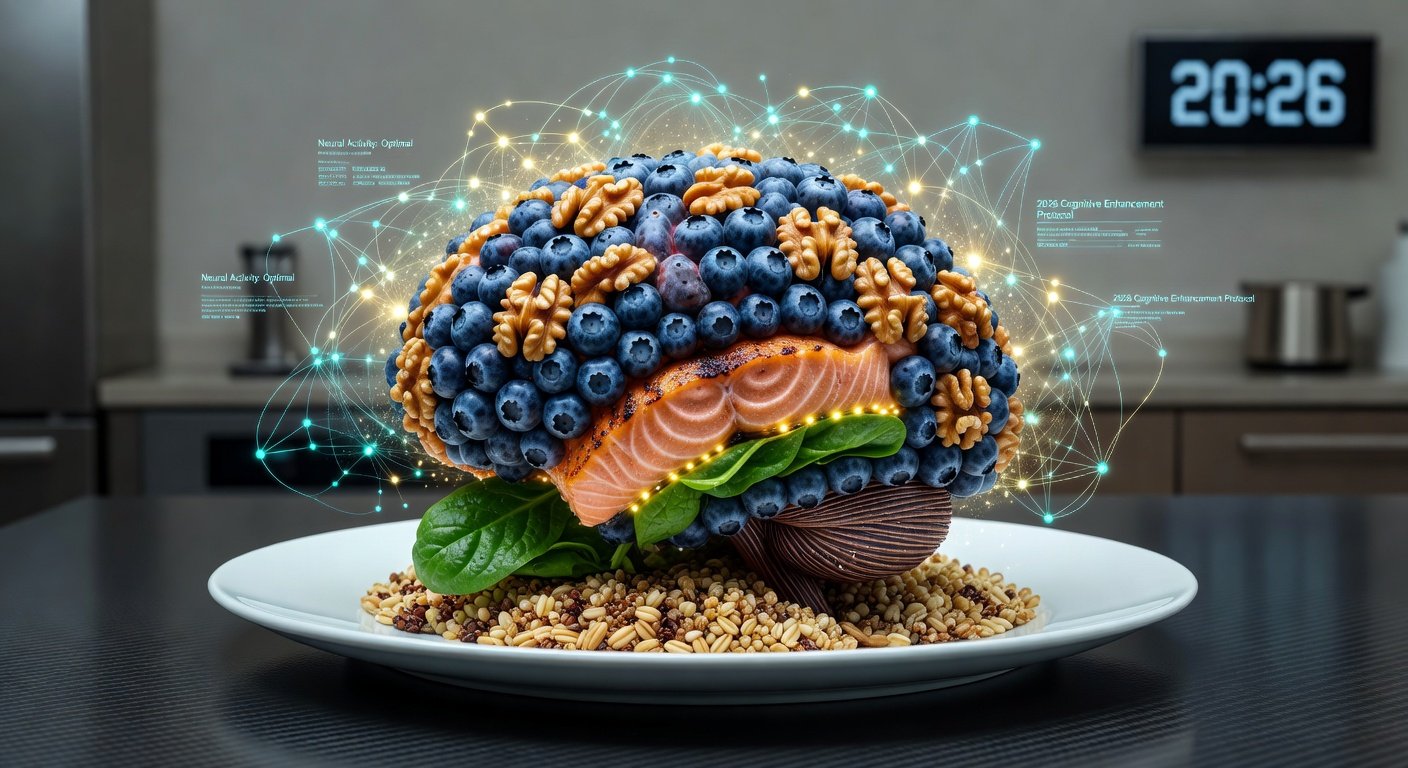
Introduction to Smart Eating for Brain Health in 2026
In the fast-paced world of 2026, where constant connectivity and demanding schedules challenge our mental acuity, maintaining cognitive function is more crucial than ever. Smart eating isn't just a buzzword—it's a science-backed strategy to fuel your brain with the right nutrients. By prioritizing nutrient-dense foods rich in omega-3 fatty acids, antioxidants, and whole grains, you can enhance memory, focus, and overall mental sharpness. This comprehensive guide dives deep into how to integrate brain-boosting nutrition into your daily life, complete with mindful eating techniques, practical meal prep ideas, sample menus, and routines tailored for modern lifestyles.
Research from leading institutions like Harvard Health shows that diet directly influences brain health, potentially reducing the risk of cognitive decline. Whether you're a busy professional, student, or lifelong learner, these strategies will help you thrive amid 2026's demands.
Why Nutrition is Key to Cognitive Function
Your brain consumes about 20% of your body's energy, making it highly sensitive to nutritional quality. Poor diets high in processed sugars and unhealthy fats can lead to inflammation and impaired neural communication, while smart eating promotes neuroplasticity—the brain's ability to form new connections.
Key mechanisms include:
- Neuroprotection: Antioxidants combat oxidative stress, a major contributor to aging brains.
- Energy Stability: Complex carbs from whole grains provide steady glucose without crashes.
- Structural Support: Omega-3s build and repair brain cell membranes.
Studies indicate that Mediterranean-style diets, rich in these elements, correlate with better cognitive scores. As we navigate 2026's stressors like AI-driven work and urban hustle, optimizing your plate is your best defense.
Essential Brain-Boosting Nutrients and Food Sources
To build a smarter diet, focus on these powerhouse nutrients. Here's a breakdown with practical food examples:
Omega-3 Fatty Acids: The Brain's Building Blocks
Omega-3s, particularly DHA and EPA, make up 60% of brain fat. They reduce inflammation and support synaptic function. Aim for 1-2 grams daily.
- Fatty fish: Salmon, mackerel, sardines (3 servings/week).
- Plant sources: Chia seeds, flaxseeds, walnuts.
- Fortified options: Algal oil supplements for vegans.
Incorporate them via baked salmon salads or chia puddings.
Antioxidants: Shielding Against Oxidative Damage
Free radicals accelerate brain aging; antioxidants like vitamins C and E, plus flavonoids, neutralize them. Berries top the list for their anthocyanins, linked to improved memory.
- Berries: Blueberries, strawberries (1 cup daily).
- Leafy greens: Spinach, kale.
- Others: Dark chocolate (70%+ cocoa), green tea.
Mayo Clinic research highlights how these foods enhance hippocampal function, crucial for learning.
Whole Grains and B Vitamins: Sustained Mental Energy
B vitamins (B6, B9, B12) aid neurotransmitter production, while whole grains offer steady energy via fiber and magnesium.
- Grains: Oats, quinoa, brown rice.
- B-rich foods: Eggs, legumes, fortified cereals.
Swap refined carbs for these to avoid blood sugar spikes that fog thinking.
Mindful Eating Techniques for Mental Clarity
Beyond what you eat, how you eat matters. Mindful eating—paying full attention to meals—reduces stress eating and improves nutrient absorption, key in 2026's distraction-filled environment.
- Slow Down: Chew each bite 20-30 times; this signals fullness to your brain in 20 minutes.
- Plate Composition: Use the 'brain plate'—half veggies, quarter protein, quarter whole grains.
- Hydration Ritual: Drink 8-10 glasses of water daily; dehydration shrinks brain tissue by 2%.
- Tech-Free Zones: Eat without screens to enhance digestion and enjoyment.
Practice gratitude journaling pre-meal to lower cortisol, boosting cognitive resilience.
Practical Meal Prep Ideas for Busy 2026 Lifestyles
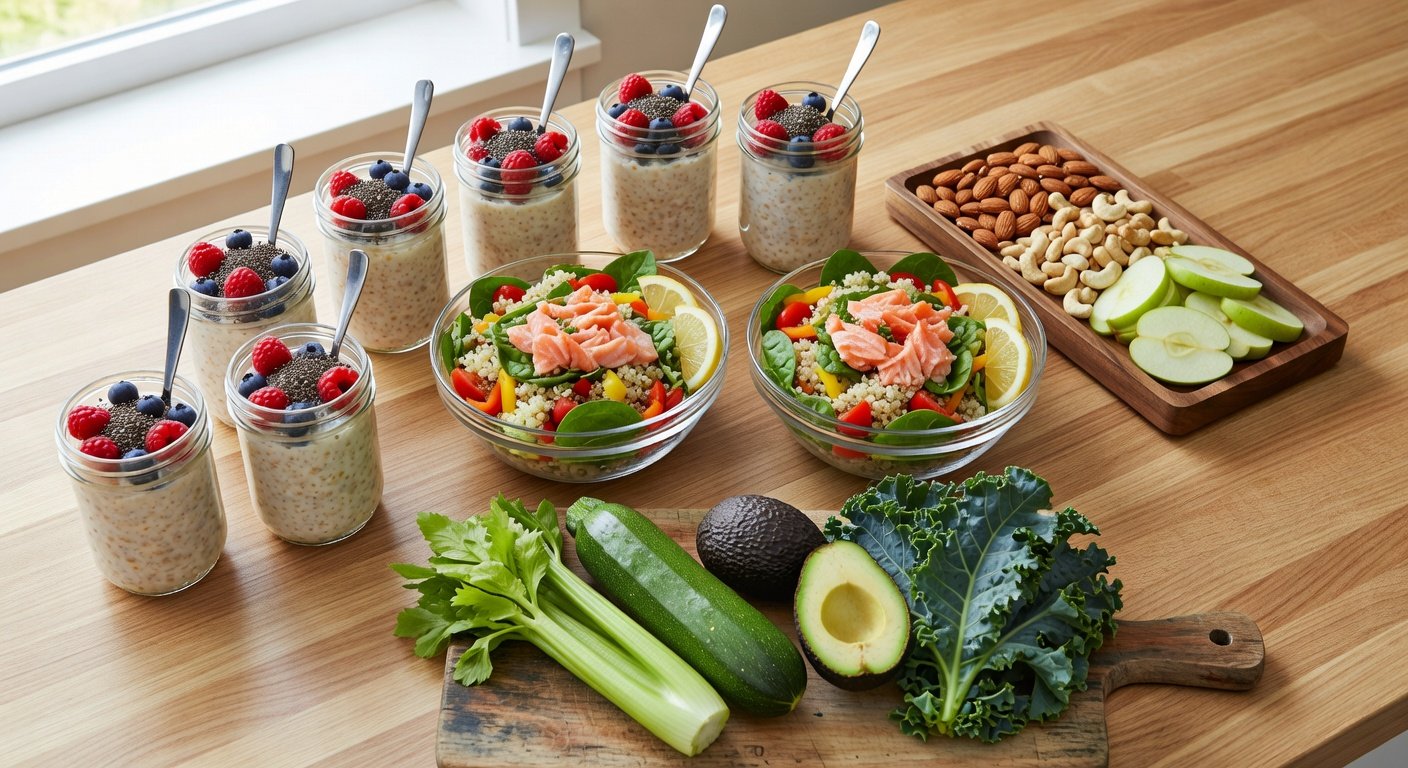
Meal prepping saves time and ensures consistency. Dedicate Sundays to batch-cooking brain foods.
Weekly Prep Blueprint
- Breakfast Jars: Layer overnight oats with chia, berries, walnuts, and almond milk (5 jars).
- Lunch Salads: Quinoa base with kale, salmon, avocado, lemon-tahini dressing (4 portions).
- Snacks: Hard-boiled eggs, apple slices with nut butter, dark chocolate squares.
- Dinners: Stir-fried broccoli, tofu, brown rice; or baked chicken with sweet potatoes.
Store in glass containers for freshness; rotate proteins to avoid boredom. This approach cuts decision fatigue, preserving mental bandwidth.
Sample Daily Routines and Menus
Here are two tailored 7-day menus: one omnivore, one plant-based, clocking ~2,000 calories with 40% carbs, 30% fats, 30% protein.
Omnivore Daily Routine
6 AM: Lemon water + meditation.
7 AM Breakfast: Oatmeal with blueberries, walnuts, Greek yogurt.
10 AM Snack: Apple + almonds.
12 PM Lunch: Grilled salmon salad with spinach, quinoa, olive oil.
3 PM Snack: Carrot sticks + hummus.
6 PM Dinner: Turkey stir-fry with broccoli, brown rice.
8 PM Wind-Down: Herbal tea + dark chocolate.
Plant-Based Menu Highlights (Days 1-3)
- Day 1: Smoothie bowl (spinach, banana, flax, berries); lentil soup lunch; tempeh quinoa bowl dinner.
- Day 2: Chia pudding; chickpea salad; veggie stir-fry with tofu.
- Day 3: Whole grain toast with avocado; black bean wrap; eggplant curry with millet.
Track with apps for personalization; adjust for activity levels.
Science-Backed Tips and Common Mistakes to Avoid
Evidence from National Institute on Aging supports intermittent fasting (16:8 window) for autophagy—brain cell cleanup. Pair with omega-3s for synergy.
Top Tips:
- Combine fats + fiber for absorption (e.g., nuts on salads).
- Cycle caffeine: Green tea mornings, avoid post-2 PM.
- Sleep synergy: Evening cherries for melatonin.
Mistakes to Dodge:
- Over-relying on supplements—whole foods win.
- Skipping breakfast—impairs focus.
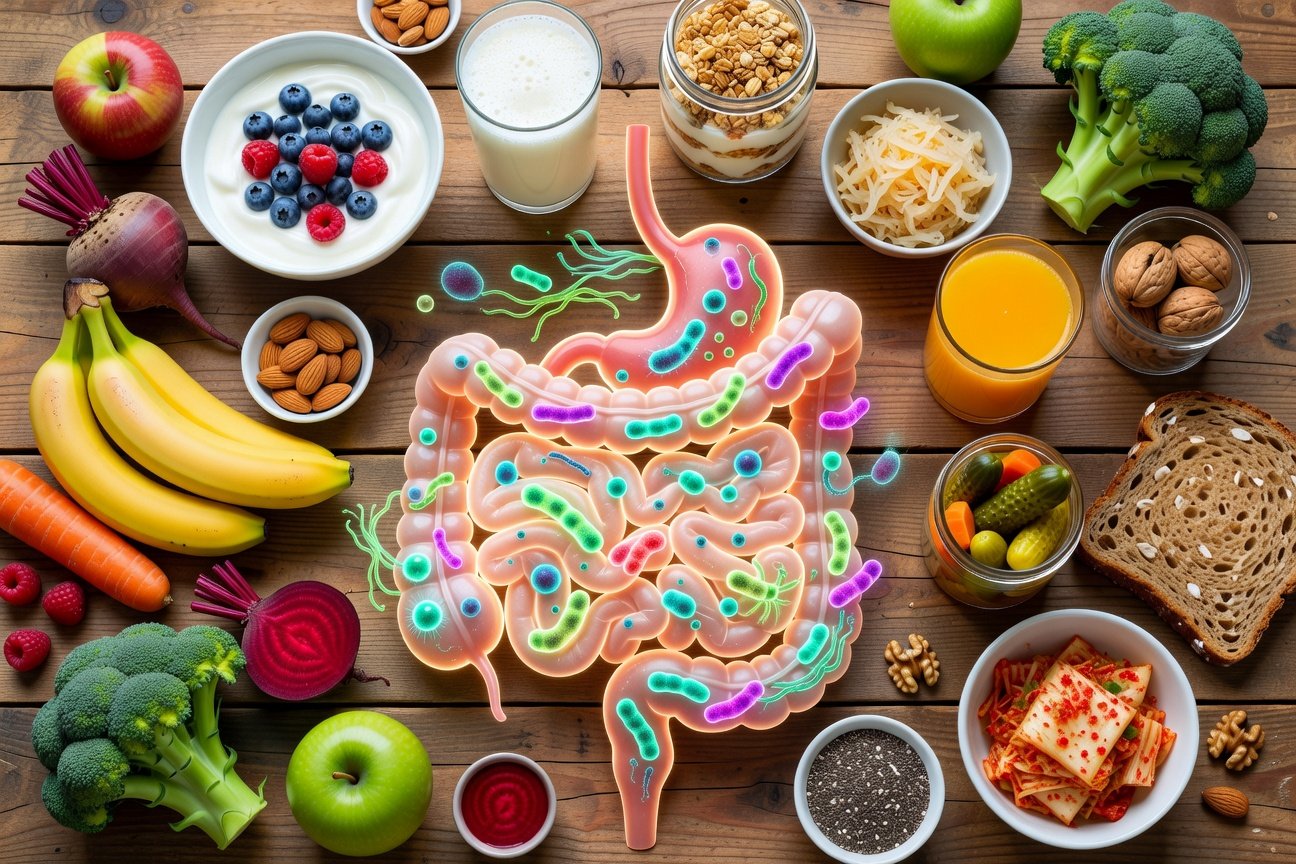
- Ignoring gut-brain axis—fermented foods like kimchi essential.
A Harvard Nutrition Source meta-analysis confirms diet trumps genetics for 70% of cognitive outcomes.
Conclusion: Fuel Your Future with Smart Eating
Embracing brain-boosting smart eating in 2026 equips you for peak performance. Start small—swap one meal today—and build habits for lifelong mental vitality. Consistency yields compounding benefits: sharper focus, resilient mood, and ageless cognition. Your brain deserves the best; nourish it wisely.
No comments yet. Be the first!