 Func Eats
Introduction to Smart Eating for Heart Health
Cardiovascular disease remains a leading health concern worldwide, but adopting smart eating habits can significantly reduce risk factors such as high blood pressure, elevated cholesterol, and inflammation. In 2026, nutrition science continues to emphasize whole foods, balanced portions, and mindful practices over restrictive diets. This comprehensive guide provides actionable strategies tailored for adults seeking long-term heart benefits through sustainable nutrition choices. Evidence shows that dietary patterns rich in fruits, vegetables, whole grains, and healthy fats support endothelial function and reduce oxidative stress. By focusing on these principles, individuals can achieve measurable improvements in heart health markers within months. Understanding the science behind these recommendations helps readers make informed decisions rather than following fleeting trends.
Heart disease risk can be lowered through consistent dietary changes that address multiple pathways including lipid profiles, blood pressure regulation, and chronic inflammation. Adults who integrate these evidence-based approaches often report better energy levels and improved lab results during routine check-ups.
Key Heart-Friendly Foods to Incorporate Daily
Selecting the right foods forms the foundation of smart eating. Prioritize items backed by extensive research from organizations like the American Heart Association and the Mayo Clinic.
- Fatty fish: Salmon, mackerel, and sardines provide omega-3 fatty acids that lower triglycerides and reduce arrhythmias. Aim for two to three servings per week to optimize benefits.
- Leafy greens and berries: Spinach, kale, blueberries, and strawberries deliver antioxidants and nitrates that improve blood vessel function and combat oxidative damage.
- Nuts and seeds: Almonds, walnuts, chia seeds, and flaxseeds offer healthy fats, fiber, and plant sterols for cholesterol management. A small daily handful provides satiety without excess calories.
- Whole grains: Oats, quinoa, and brown rice help regulate blood sugar and provide soluble fiber that binds to cholesterol in the digestive system.
- Legumes and olive oil: Beans, lentils, and extra-virgin olive oil contribute monounsaturated fats and polyphenols that support arterial health.
Aim for at least two servings of fatty fish weekly and a variety of colorful produce at every meal. These choices collectively decrease LDL cholesterol and support healthy blood pressure levels. Additional options include avocados for potassium and tomatoes for lycopene, both linked to reduced cardiovascular events in long-term observational studies.
Mastering Portion Awareness for Sustainable Results
Even nutritious foods can contribute to weight gain if portions are oversized. Use visual cues: a serving of protein should match the size of your palm, vegetables should fill half your plate, and grains should occupy a quarter. Track intake with apps or measuring tools initially to build awareness. Over time, this practice prevents overeating while maintaining satisfaction and nutrient density. Consider using smaller plates to naturally reduce serving sizes by up to 20 percent without feeling deprived. Reading nutrition labels for serving sizes helps avoid hidden calories in packaged items like nut butters or granola.
Integrating Mindful Eating Practices
Mindful eating enhances digestion and helps recognize true hunger cues. Eat without screens, chew slowly, and pause midway through meals to assess fullness. This approach reduces emotional eating and improves adherence to heart-healthy patterns. Studies link mindfulness to lower cortisol levels, indirectly benefiting cardiovascular health. Try a five-minute breathing exercise before meals to increase presence at the table. Journaling emotional triggers for eating can reveal patterns that sabotage long-term goals.
Practical Meal Examples
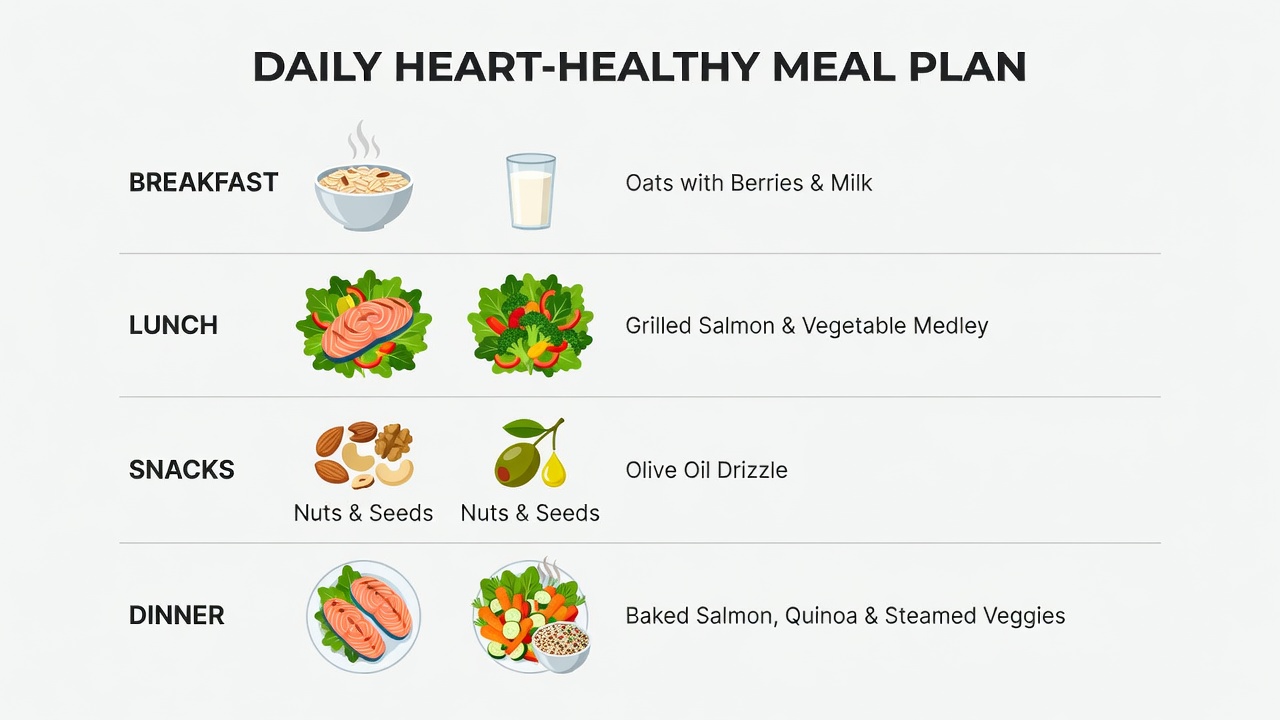
Breakfast: Overnight oats with chia seeds, blueberries, and a sprinkle of walnuts for sustained energy.
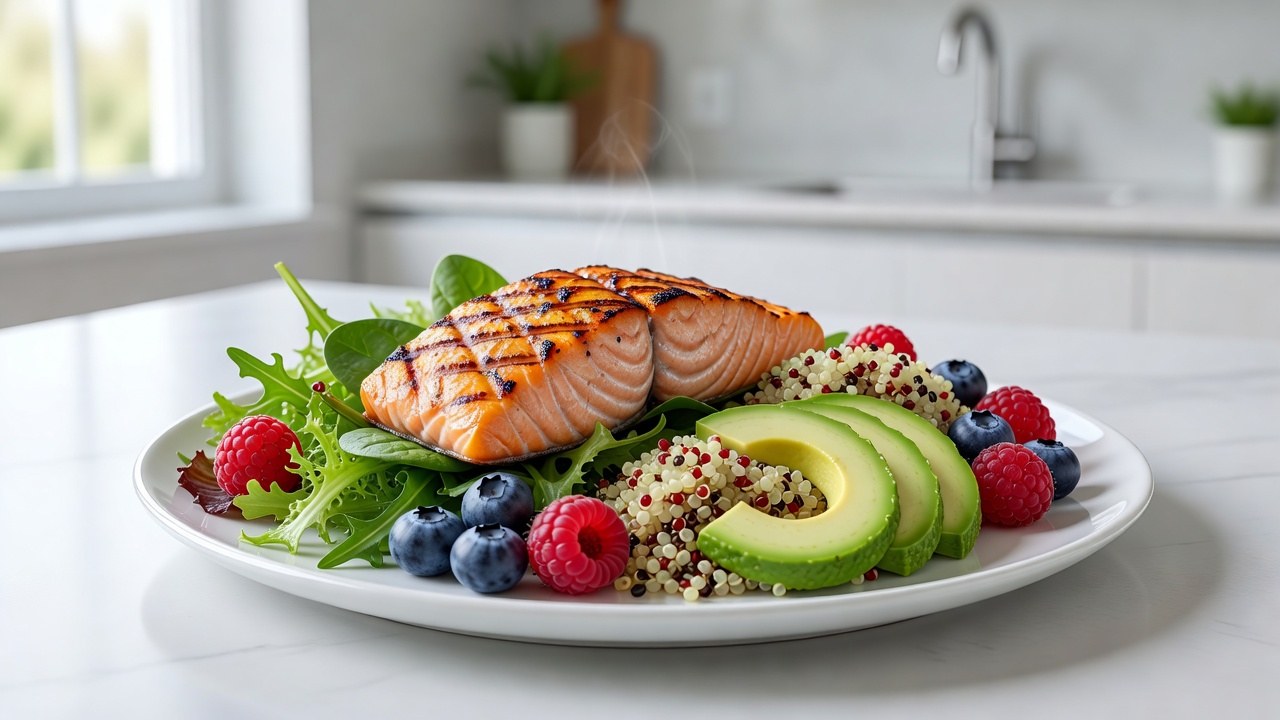
Lunch: Grilled salmon salad with mixed greens, quinoa, avocado, and olive oil dressing for balanced macros.
Dinner: Lentil soup paired with steamed broccoli and a small sweet potato to deliver fiber and antioxidants.
Snacks: A handful of almonds or Greek yogurt with strawberries to curb cravings healthfully. For variety, rotate in chickpea-based dishes or whole-grain wraps filled with vegetables and lean turkey during the week.
Step-by-Step Daily Eating Plan
- Start the day with hydration and a fiber-rich breakfast within one hour of waking to stabilize blood sugar.
- Include a mid-morning snack of fruit and nuts to prevent energy dips and maintain focus.
- Prepare lunch with at least two vegetable servings and lean protein for midday satiety.
- Choose an afternoon herbal tea break instead of sugary options to avoid blood sugar spikes.
- Finish with a balanced dinner eaten at least three hours before bedtime to support overnight recovery.
- End the evening with a short reflection on hunger and satisfaction levels to refine future choices.
Sample Monday through Friday variations can include swapping salmon for tofu on plant-forward days or adding herbs like garlic and turmeric for extra anti-inflammatory compounds.
Comparing Popular Diets for Heart Health
The Mediterranean diet stands out for its emphasis on olive oil, fish, and produce, consistently showing superior outcomes in reducing heart events compared to typical Western diets. The DASH diet excels at blood pressure control through potassium-rich foods. Plant-based diets offer benefits but require careful planning for B12 and omega-3 intake. In contrast, very low-carb approaches may raise LDL in some individuals, making them less ideal long-term without medical supervision. Consulting resources from the Centers for Disease Control and Prevention can provide additional context on population-level outcomes for each pattern.
Common Mistakes to Avoid
- Over-relying on processed “heart-healthy” labeled products high in sodium.
- Neglecting hydration, which affects blood viscosity and overall circulation.
- Skipping meals, leading to later overeating and poor food choices.
- Ignoring individual responses to foods like caffeine or salt that may vary by genetics.
- Failing to combine diet with movement, as physical activity amplifies nutritional benefits.
Frequently Asked Questions
How quickly can smart eating improve heart health markers?
Many adults notice improvements in energy and blood pressure within 4–6 weeks, with lipid profile changes often visible after 3 months of consistent habits.
Is it necessary to eliminate all fats?
No. Focus on replacing saturated fats with unsaturated sources rather than total elimination to maintain hormone health and meal enjoyment.
Can supplements replace whole foods?
Whole foods provide synergistic nutrients that isolated supplements cannot fully replicate. Consult a professional before adding any supplements.
How does this approach differ from general weight-loss diets?
Smart eating prioritizes nutrient quality and cardiovascular markers over rapid calorie restriction, promoting sustainable results without rebound effects.
What role does sodium play in heart health?
Excess sodium contributes to hypertension; limit processed foods and use herbs and spices for flavor instead.
Conclusion
Implementing smart eating strategies in 2026 empowers adults to take control of their cardiovascular future. By combining heart-friendly foods, portion awareness, and mindful practices with a structured daily plan, long-term benefits become achievable and enjoyable. Start with small, consistent changes today for lasting heart health.

No comments yet. Be the first!