 Func Eats
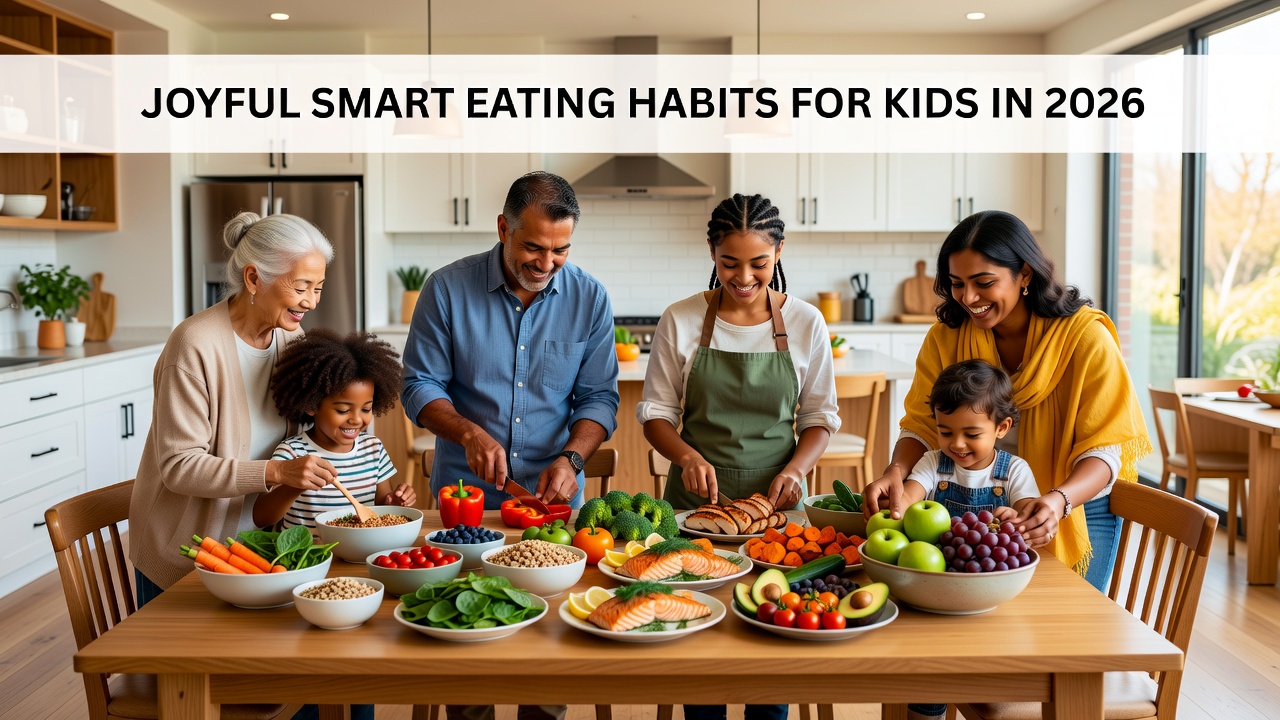
Introduction to Smart Eating Habits for Children
Establishing smart eating habits early sets the foundation for lifelong health and positive relationships with food. In 2026, parents face evolving challenges like busy schedules and abundant processed options, yet simple strategies can transform family meals into opportunities for nutrition education and bonding. This guide explores evidence-based approaches to family meal planning, addresses picky eating, provides portion guidance, and more to help your household thrive.
Smart eating emphasizes whole foods, balanced plates, and mindful practices over restrictive diets. By focusing on enjoyment and consistency rather than perfection, families can reduce mealtime stress while improving nutrient intake. Research from leading health organizations underscores that children who participate in meal decisions are more likely to try new foods and maintain healthy weights into adulthood. World Health Organization guidelines highlight the importance of diverse nutrient-rich diets starting in childhood.
Overcoming Picky Eating: Step-by-Step Introduction Techniques
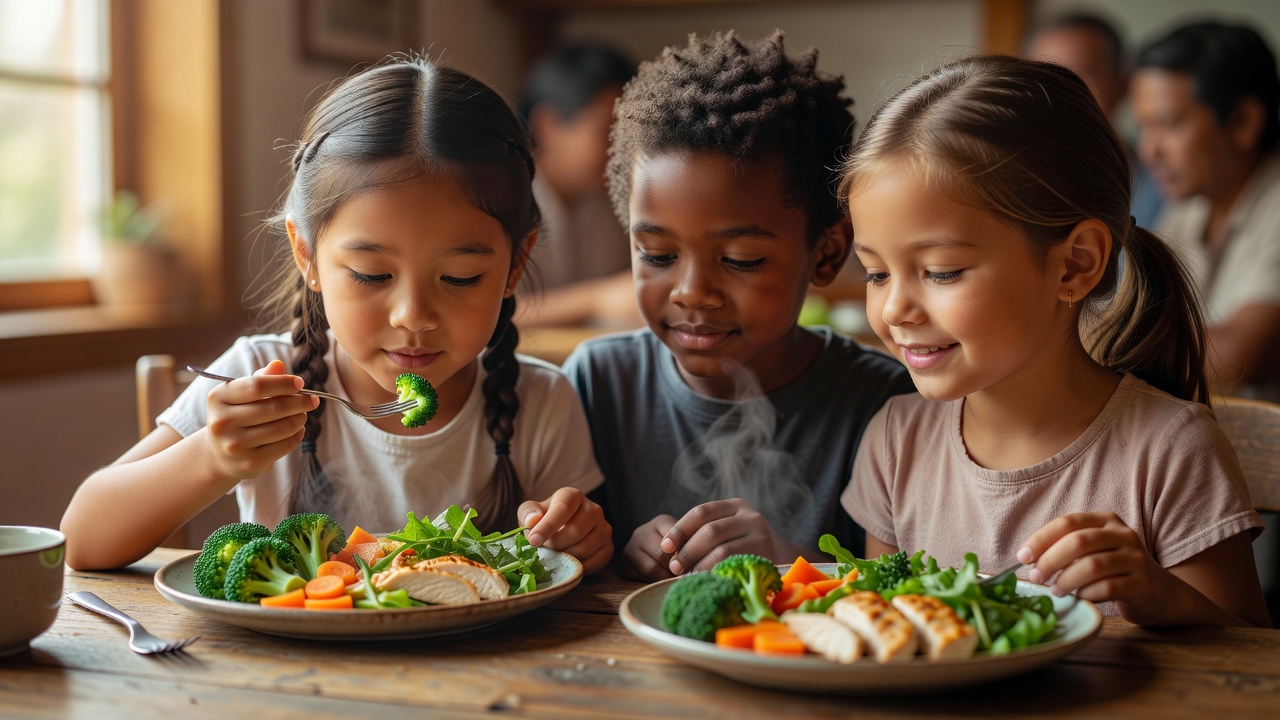
Picky eating affects up to 50% of children at some point, but persistence pays off with structured approaches. Start by involving kids in grocery shopping and simple prep tasks to build ownership and curiosity about ingredients. Introduce one new food at a time alongside familiar favorites, using playful presentations like arranging veggies into shapes or creating themed plates that match favorite stories or characters.
Follow a gradual exposure method over several weeks: Week one focuses on sight and touch without pressure to eat, week two introduces smelling and describing the food, and week three encourages tasting tiny portions without any expectation to finish the serving. Celebrate small wins with non-food rewards such as extra playtime or stickers to reinforce positive associations. Avoid short-order cooking, which can entrench selectivity; instead, offer family-style meals where everyone selects from the same options. Real examples include starting with mild flavors like sweet potatoes before progressing to stronger tastes such as broccoli or bell peppers. Parents report success when they model enjoyment by eating the new food themselves and narrating positive experiences aloud.
Age-Appropriate Portion Guidance for Balanced Plates
Portion sizes should match developmental needs rather than adult servings to prevent overeating or undernourishment. For toddlers aged 1-3, aim for 1-2 tablespoons of each food group per meal, increasing slightly based on growth spurts. School-age children (4-8) benefit from fist-sized portions of proteins and grains, with unlimited access to fruits and vegetables to encourage volume from nutrient-dense sources. Teens require more calories for growth spurts but benefit from quality over quantity, focusing on nutrient timing around activities.
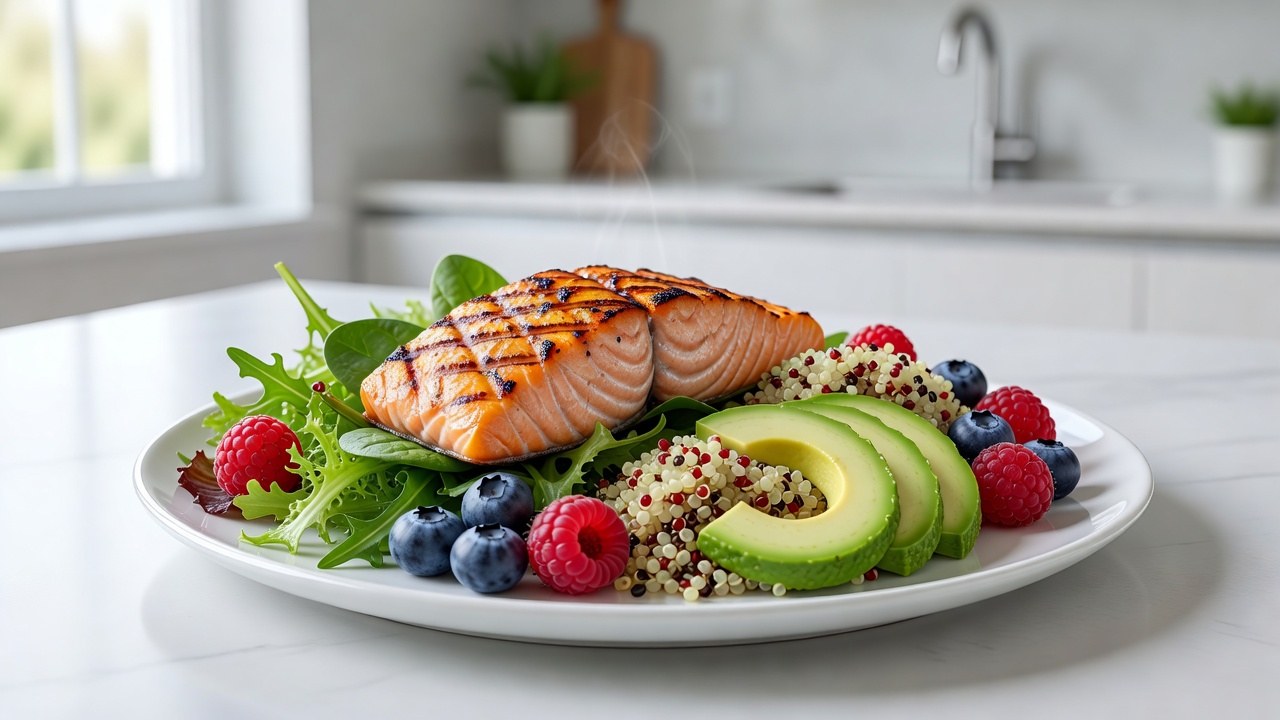
Use the plate method consistently: half vegetables or fruits, one-quarter lean protein, and one-quarter whole grains. Adjust based on activity levels, and consult pediatricians for personalized advice especially during growth phases. Consistent routines around regular meal and snack times prevent grazing and support natural hunger cues. Printable charts or visual guides placed on the fridge help children self-serve appropriately while learning independence.
Fun Meal Prep Examples for Busy Families
Batch cooking on weekends streamlines weeknights and reduces daily stress. Try make-ahead smoothie packs with spinach, berries, and yogurt for quick breakfasts, or assemble mason jar salads with layered proteins, grains, and veggies that stay fresh for several days. Involve children by assigning age-appropriate tasks like washing produce, measuring ingredients, or stirring sauces to make prep educational and fun while teaching basic kitchen skills.
Theme nights add excitement and variety—taco Tuesdays with customizable toppings using lean meats and plenty of vegetables, or build-your-own-bowl Fridays that encourage creativity with grains, proteins, and colorful toppings. These approaches reduce decision fatigue while exposing kids to diverse flavors and textures. Additional ideas include pre-portioning snack boxes with nuts, cheese, and fruit for after-school hunger, or preparing overnight oats in multiple flavor variations so children can choose their own combinations each morning.
Processed Versus Whole Food Options: Informed Comparisons
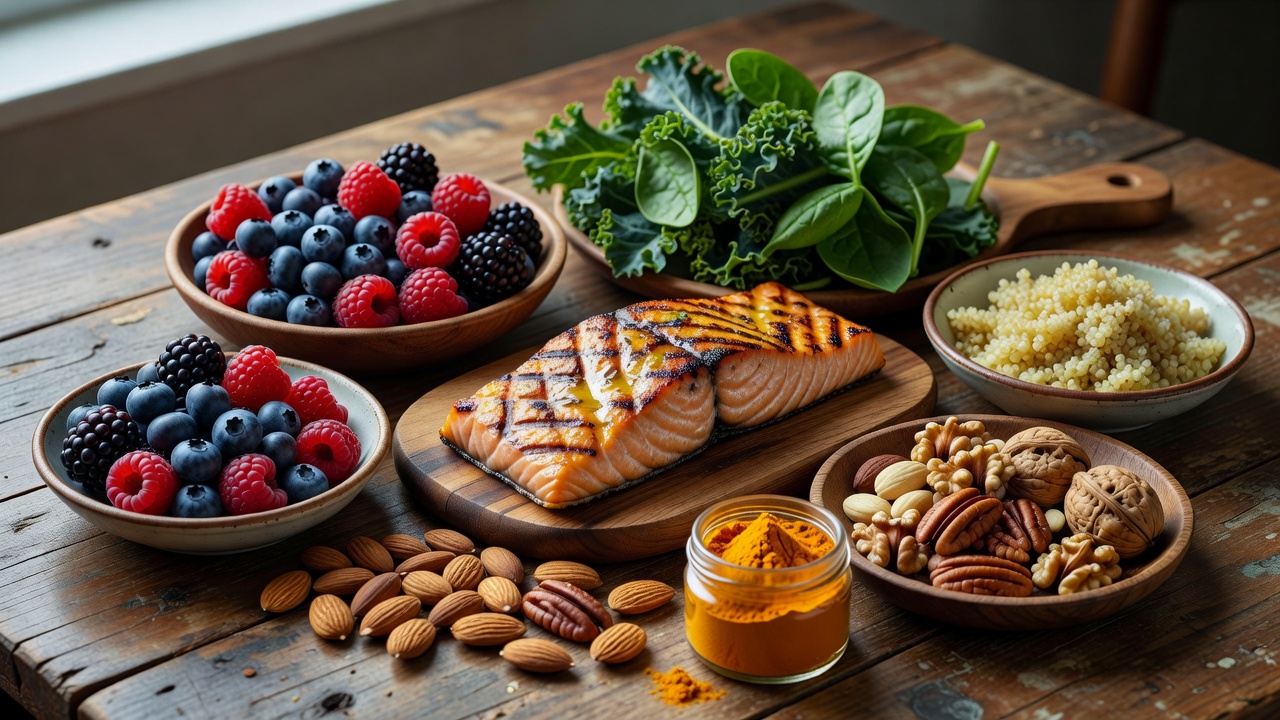
Whole foods like fresh produce, nuts, and unrefined grains deliver maximum nutrients with minimal additives and support better digestion and sustained energy. Processed items often contain excess sodium, sugars, and preservatives that can impact energy levels, focus, and long-term health outcomes. When choosing packaged foods, prioritize those with short ingredient lists and recognizable components that you would use in home cooking.
Practical swaps include replacing chips for air-popped popcorn seasoned at home with herbs, or trading sugary cereals with overnight oats topped with fruit and seeds. Small, consistent upgrades across the week accumulate into significant nutritional gains without eliminating all treats. Comparing labels side-by-side during shopping trips teaches children critical thinking skills about marketing claims versus actual nutrition content.
Integrating Mindful Eating Practices at the Table
Mindful eating helps children recognize hunger and fullness signals while reducing emotional eating patterns that can develop early. Begin meals with a gratitude moment or deep breaths to set a calm tone and transition from busy activities. Encourage describing flavors, textures, and aromas to heighten sensory awareness and slow down the eating pace naturally.
Limit screens during meals to foster conversation and presence at the table. Model the behavior yourself by eating slowly and expressing enjoyment of nutritious choices without labeling foods as good or bad. Over time, these habits translate to better self-regulation, appreciation for food's role in well-being, and reduced mealtime battles. Families can introduce simple games like rating each item on a flavor scale from one to five to keep engagement high.
Real-World Case Studies from Diverse Households
The Ramirez family in a busy urban setting implemented weekly meal planning sessions with input from all members, resulting in their previously picky 7-year-old trying broccoli after repeated low-pressure exposures over six weeks. They credit colorful plating techniques and child-led recipe choices for the lasting shift in attitudes toward vegetables.
In a suburban household, the Patel family integrated mindful pauses before dessert, helping their teens manage portions naturally and develop better awareness of satiety. Budget-conscious single parent Maria Lopez focused on seasonal whole foods and batch prepping staples like beans and grains, demonstrating that smart eating thrives across income levels when creativity and planning are prioritized consistently.
Frequently Asked Questions
How do I handle food allergies while promoting variety?
Work closely with an allergist for safe substitutions and testing protocols. Focus on naturally allergen-free whole foods such as fruits, vegetables, and certain grains while clearly labeling all meals to build family confidence. Many families successfully expand diets using dedicated allergy-friendly resources and community support groups for recipe ideas and shared experiences.
What if healthy eating strains our budget?
Prioritize affordable staples like beans, eggs, lentils, and frozen produce, which offer high nutrition density at lower costs compared to specialty items. Planning meals around weekly sales, buying in bulk for non-perishables, and growing simple herbs at home further stretches resources without sacrificing overall quality or variety.
Conclusion
Smart eating for kids is achievable through consistent, joyful practices that prioritize whole foods, child involvement, and mindfulness at every meal. By applying these family nutrition tips in 2026, parents equip children with essential tools for enduring health and positive lifelong food relationships. Start with small changes, remain patient through challenges, and celebrate incremental progress together as a family unit.
Explore more quick options for busy weeknights in our 15-Minute Recipes.
No comments yet. Be the first!