 Func Eats
Introduction to Personalized Anti-Inflammatory Nutrition in 2026
Chronic inflammation affects millions of adults worldwide, contributing to fatigue, joint pain, digestive issues, and increased risk of conditions like heart disease and arthritis. In 2026, custom nutrition plans offer a targeted, science-backed approach using individual biomarkers to reduce inflammation effectively over the long term. This comprehensive guide provides in-depth strategies, including detailed food lists, precise omega-3 timing considerations, comparisons between popular diets, and real-world examples to support lasting wellness. Whether you are managing daily symptoms or seeking preventive strategies, these plans emphasize personalization for sustainable results.
Understanding Chronic Inflammation and Nutrition
Chronic inflammation differs from acute responses as it persists over months or years without a clear trigger like injury. Diet plays a central role by influencing inflammatory markers like C-reactive protein (CRP), interleukin-6, and tumor necrosis factor-alpha. Personalized plans focus on reducing pro-inflammatory foods while emphasizing nutrient-dense options tailored to lab results such as omega-3 index, vitamin D levels, or fasting insulin. Factors like stress, sleep, and gut microbiome also interact with nutrition, making a holistic view essential. Research from major health organizations highlights how consistent dietary changes can lower these markers by 20-50% within months when customized properly.
Key Anti-Inflammatory Food Lists with Explanations
Build your plate around these evidence-based foods, each chosen for specific compounds that combat inflammation:
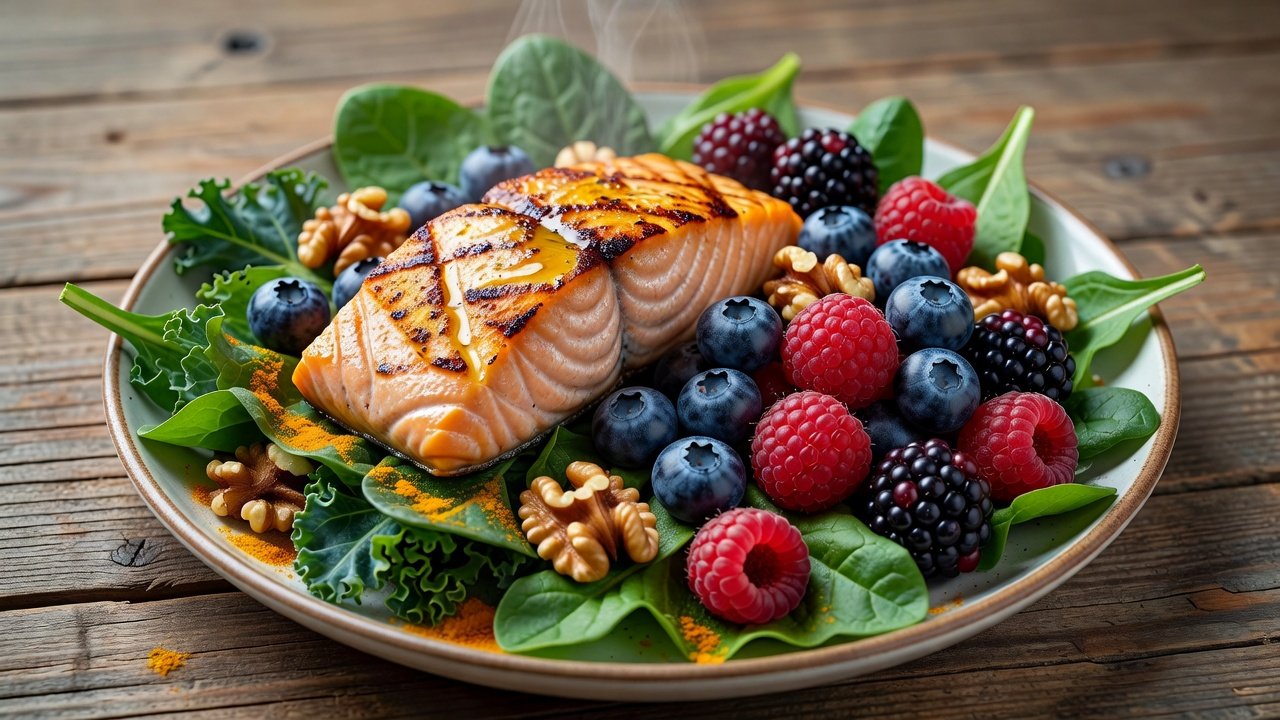
- Fatty fish like salmon, mackerel, and sardines for omega-3 fatty acids that inhibit pro-inflammatory pathways
- Berries such as blueberries, strawberries, and raspberries rich in anthocyanins and antioxidants that neutralize free radicals
- Leafy greens including spinach, kale, and Swiss chard packed with vitamins K, A, and folate to support cellular repair
- Nuts and seeds like walnuts, almonds, flaxseeds, and chia seeds providing alpha-linolenic acid and polyphenols
- Olive oil and avocados for monounsaturated fats that reduce oxidative stress
- Spices such as turmeric (curcumin) and ginger for natural COX-2 inhibition similar to some medications
- Whole grains like quinoa and oats for fiber that feeds beneficial gut bacteria
- Cruciferous vegetables including broccoli and Brussels sprouts containing sulforaphane
Avoid or limit processed sugars, refined grains, trans fats, and excessive red meat to minimize flare-ups. Aim for at least five servings of colorful produce daily and incorporate variety to cover multiple nutrient profiles.
The Role of Omega-3 Timing and Sources
Omega-3 fatty acids from fish or algae oil help modulate inflammation by competing with omega-6 pathways. Consuming them with meals containing healthy fats improves absorption and bioavailability. Aim for 2-3 servings of fatty fish weekly, or consider algae-based supplements timed in the morning with breakfast or midday with lunch for optimal effects. For example, pairing a 3-ounce salmon serving with avocado at lunch can enhance uptake. Recent wellness research from National Institutes of Health supports consistent intake over sporadic high doses. Monitor your omega-3 index through testing and adjust timing based on personal energy patterns and digestive tolerance.
Comparing Mediterranean and Plant-Forward Approaches
The Mediterranean diet emphasizes fish, olive oil, nuts, fruits, vegetables, and whole grains, showing strong results in lowering inflammation markers in large-scale studies. It offers flexibility with moderate dairy and poultry. Plant-forward diets focus on vegetables, legumes, nuts, seeds, and grains with minimal or no animal products, benefiting gut diversity and reducing inflammatory load from saturated fats. Both reduce symptoms effectively, but Mediterranean plans may suit those needing higher omega-3 intake while plant-forward options excel for individuals with high insulin resistance. Choose based on your biomarker profile, cultural preferences, and lifestyle. Hybrid approaches often yield the best adherence. For deeper insights, consult guidelines from Mayo Clinic.
Step-by-Step Guide to Building a Custom Nutrition Plan
Follow these detailed steps using your biomarkers for a truly personalized approach:
- Get comprehensive bloodwork including hs-CRP, omega-3 index, vitamin D, HbA1c, and lipid panel from a qualified lab.
- Consult a registered dietitian or functional medicine practitioner to interpret results and identify deficiencies or excesses.
- Select a base diet style such as Mediterranean or plant-forward, then layer in specific foods matching your markers (e.g., more turmeric if CRP is elevated).
- Incorporate daily anti-inflammatory foods in balanced portions: half the plate vegetables, one-quarter protein, one-quarter complex carbs.
- Adjust for omega-3 timing and add targeted spices or teas like ginger infusions in the evening.
- Track symptoms, energy, and sleep in a journal or app for the first four weeks.
- Re-test biomarkers after 8-12 weeks and refine portions or food emphasis accordingly.
- Build in flexibility for social events by planning swaps like olive oil-based dressings instead of creamy ones.
This iterative process ensures the plan evolves with your body.
Sample 7-Day Meal Ideas for Practical Implementation
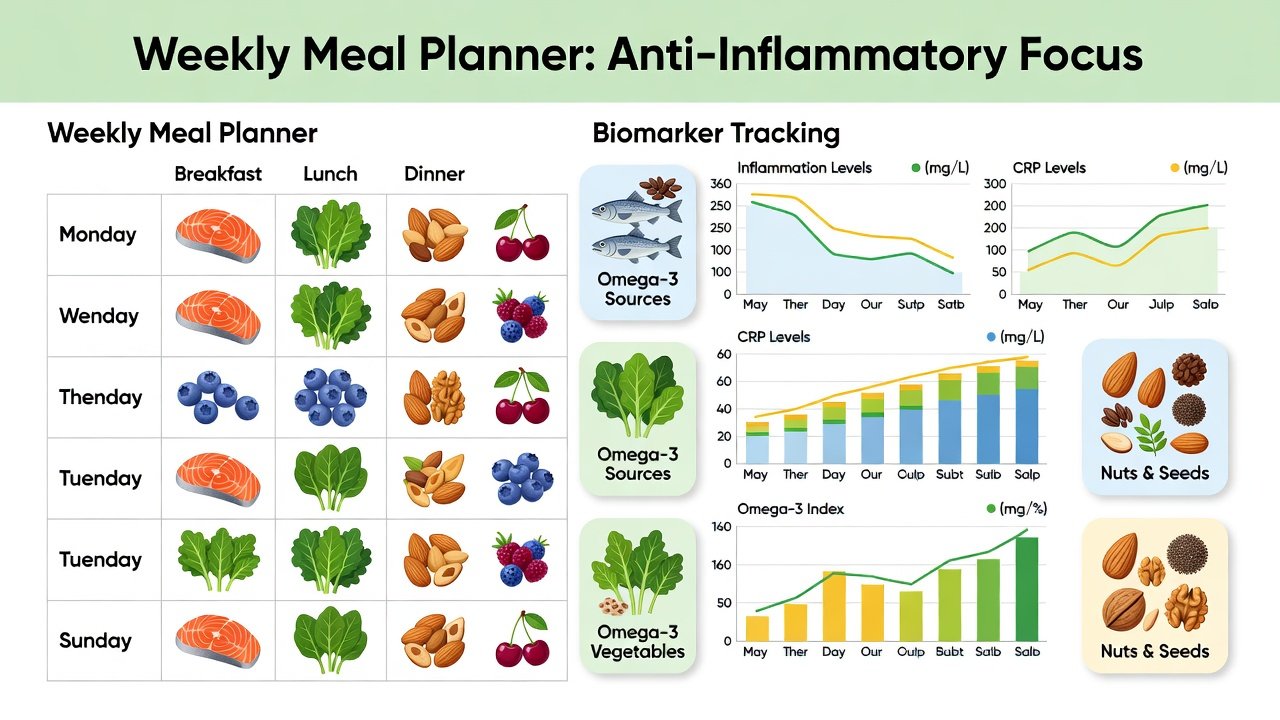
These meals emphasize variety and ease while hitting anti-inflammatory targets. Each day includes breakfast, lunch, dinner, and one snack.
Day 1: Berry spinach smoothie (breakfast), quinoa salad with grilled salmon and olive oil (lunch), lentil soup with kale and turmeric (dinner), handful of walnuts (snack).
Day 2: Avocado toast on whole grain with flaxseeds (breakfast), chickpea and vegetable stir-fry with ginger (lunch), baked mackerel with broccoli (dinner), fresh berries (snack).
Day 3: Overnight oats with chia seeds and strawberries (breakfast), Mediterranean-style salad with olives and sardines (lunch), stuffed bell peppers with quinoa and herbs (dinner), almond butter on celery (snack).
Day 4: Turmeric golden milk smoothie (breakfast), lentil and spinach curry (lunch), grilled tofu with mixed greens and avocado (dinner), carrot sticks with hummus (snack).
Day 5: Egg white omelet with spinach and tomatoes (breakfast), whole grain wrap with beans and vegetables (lunch), herb-roasted salmon with Brussels sprouts (dinner), pumpkin seeds (snack).
Day 6: Greek yogurt alternative with blueberries and nuts (breakfast), barley salad with roasted vegetables (lunch), ginger-infused vegetable stew (dinner), apple slices (snack).
Day 7: Smoothie bowl with kiwi and seeds (breakfast), falafel bowl with tahini and greens (lunch), baked cod with asparagus (dinner), mixed nuts (snack).
Rotate proteins and vegetables weekly to prevent boredom and ensure broad nutrient coverage.
Tracking Methods for Long-Term Success
Use digital apps like MyFitnessPal or Cronometer to log meals, symptoms, and energy levels daily. Weekly self-assessments for joint stiffness or mood combined with monthly bloodwork help measure progress objectively. Many adults report reduced joint pain and better sleep within 4-6 weeks of consistent tracking. Set reminders for re-testing and adjust for seasonal produce availability to maintain freshness and cost-effectiveness.
Real-World Case Studies of Adults Managing Symptoms
Case 1: A 45-year-old office worker with elevated CRP reduced levels by 40% after adopting a biomarker-guided Mediterranean plan with daily omega-3 timing at lunch. After 10 weeks, fatigue decreased significantly and work productivity improved.
Case 2: A 52-year-old with rheumatoid arthritis symptoms improved mobility and lowered inflammatory markers through a plant-forward approach focused on turmeric, berries, and daily greens. Symptom tracking revealed fewer flare-ups during high-stress periods.
Case 3: A 38-year-old parent managing digestive inflammation saw normalized vitamin D and reduced bloating after incorporating more fatty fish and nuts while tracking via an app. The plan was refined twice based on follow-up labs.
These examples illustrate how personalization leads to measurable, life-enhancing outcomes.
Conclusion
Custom nutrition plans empower adults to manage chronic inflammation sustainably in 2026 through targeted foods, timing, and ongoing adjustments. Start with testing and build gradually for best results. For authoritative dietary guidance, refer to resources from World Health Organization and Harvard Health Publishing. Consistency and professional support are key to long-term success.
FAQ
Are supplements necessary in these plans?
They can help fill gaps when food sources are insufficient, but whole foods remain preferred. Always consult a professional before starting any regimen.
How do I adjust portions for my activity level?
Base portions on biomarkers and daily movement, starting with standard servings and increasing vegetables or proteins as needed while monitoring weight and energy.
When should I consult a healthcare professional?
Always before major dietary changes, especially with existing medical conditions, medications, or if symptoms persist despite changes.
Can these plans work alongside medications?
Yes, but coordination with your doctor is essential to avoid interactions and ensure safety.
What if I have food allergies or intolerances?
Substitute similar anti-inflammatory alternatives like swapping fish for algae oil or nuts for seeds, and re-test biomarkers to confirm effectiveness.

No comments yet. Be the first!