 Func Eats

Targeted Diets for Joint Mobility: 2026 Plans
Joint pain and stiffness affect millions seeking better mobility, whether from arthritis or intense physical activity. In 2026, nutrition science emphasizes personalized, research-supported eating patterns that target inflammation at its source. This guide delivers practical strategies using anti-inflammatory foods, key nutrients, and adaptable meal frameworks to support healthier joints.
Why Targeted Nutrition Matters for Joint Health
Chronic inflammation often drives joint discomfort. Modern diets rich in processed foods can worsen symptoms, while strategic choices in 2026 research highlight foods that lower inflammatory markers. A balanced approach combines omega-3 fatty acids, collagen precursors, and potent antioxidants to lubricate joints and support cartilage repair.
Essential Nutrients for Joint Mobility
Focus on these core components backed by ongoing studies:
- Omega-3 fatty acids: Found in fatty fish, they help decrease swelling around joints. Aim for two to three servings weekly.
- Collagen and vitamin C: Collagen peptides paired with citrus or bell peppers aid tissue regeneration.
- Antioxidants: Berries, leafy greens, and turmeric combat oxidative stress that accelerates joint wear.
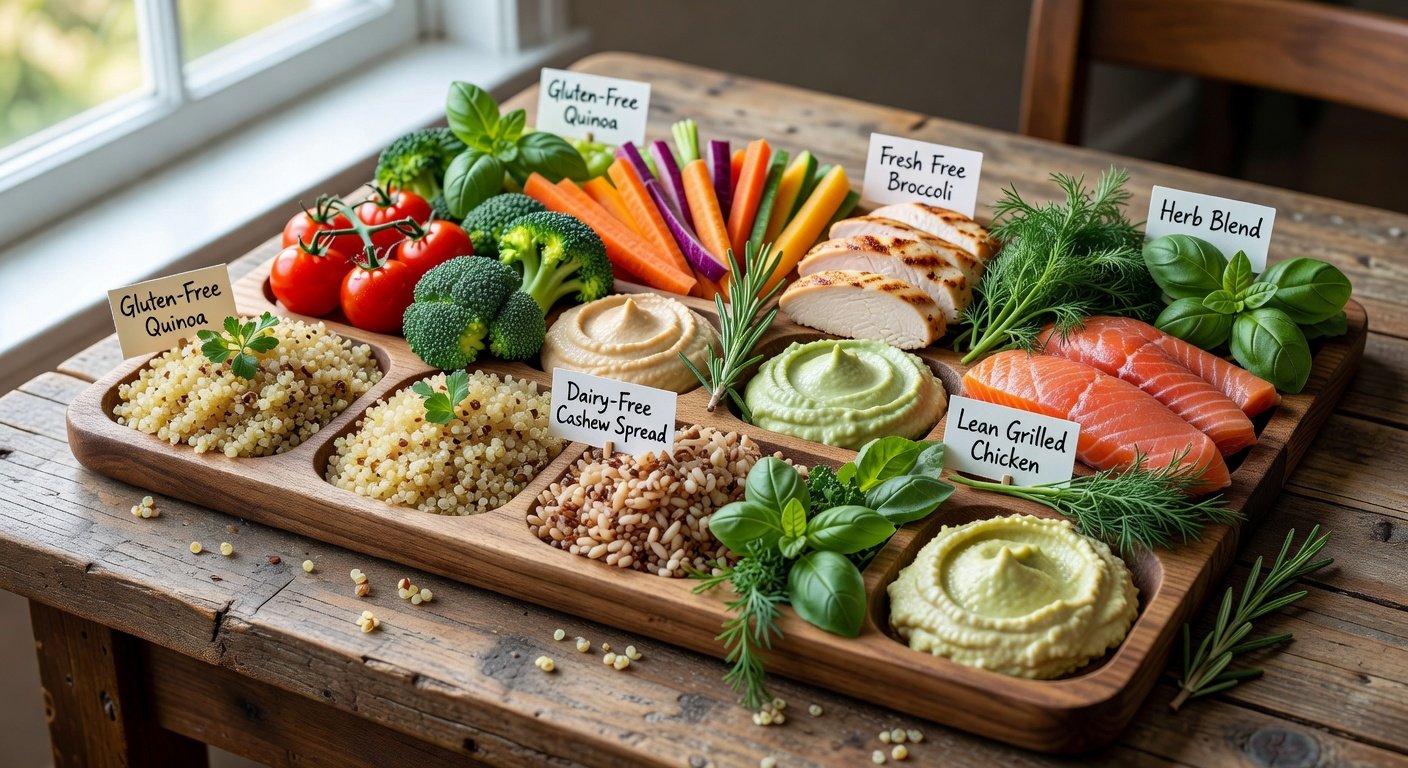
Plant versus animal proteins offer distinct advantages. Salmon provides bioavailable omega-3s, while lentils and quinoa deliver fiber-rich plant options with less saturated fat. Both support muscle maintenance around joints when rotated thoughtfully.

7-Day Goal-Based Eating Sample Plan
This flexible framework targets reduced stiffness and improved range of motion. Adjust portions based on activity level.
- Day 1-2 (Foundation): Breakfast of Greek yogurt with berries and walnuts; lunch of grilled salmon salad; dinner featuring turmeric lentil soup with spinach.
- Day 3-4 (Build): Add collagen smoothies and fatty fish; include quinoa bowls with olive oil and avocado.
- Day 5-7 (Optimize): Incorporate ginger tea, mixed nuts, and colorful vegetable stir-fries. Track energy and mobility daily.
Customizing Your Plan with Apps and Quizzes
Start with free online quizzes from reputable health platforms to identify personal triggers. Popular apps allow logging meals and suggesting swaps, such as replacing red meat with tofu for vegan users. Reassess every four weeks using simple mobility tests like joint flexibility measurements.
Real-World Before-and-After Examples
One active runner reduced knee pain after shifting to omega-3-rich meals and daily berry intake, reporting smoother runs within six weeks. A desk worker with early arthritis noticed less morning stiffness after adopting the 7-day plan alongside gentle stretching.
FAQs: Integrating Diet with Exercise and Vegan Adaptations
- How does this pair with workouts? Consume anti-inflammatory meals two hours before activity to support recovery.
- Can vegans adapt easily? Yes—use algae-based omega-3 supplements and plenty of flaxseeds, walnuts, and leafy greens.
- Any common mistakes? Avoid over-relying on supplements; whole foods provide synergistic benefits.
Consult a professional for personalized advice. For deeper insights, explore resources at Mayo Clinic and Arthritis Foundation.
Conclusion
Adopting targeted 2026 nutrition strategies empowers better joint mobility through consistent, evidence-based choices. Begin small, track progress, and refine your approach for lasting results.

No comments yet. Be the first!