 Func Eats

Understanding Food Sensitivities and Why Personalized Plans Matter
Food sensitivities affect an estimated 20 percent of the population, causing delayed symptoms such as digestive discomfort, headaches, joint pain, skin flare-ups, and persistent fatigue. Unlike immediate allergic reactions, sensitivities develop gradually and can stem from immune responses, gut microbiome imbalances, or enzyme deficiencies. A one-size-fits-all diet rarely resolves these issues because every individual reacts differently based on genetics, lifestyle, and existing health conditions.
Creating a custom nutrition plan allows you to systematically identify triggers while preserving nutrient density and enjoyment of food. This approach aligns with current search intent for step-by-step, goal-oriented guidance rather than broad recommendations. In 2026, improved diagnostic tools and digital tracking have made personalization more precise and sustainable than ever before.
Step 1: Identifying Triggers Through Structured Elimination Protocols
Begin with a 4-to-6-week elimination phase targeting the most common offenders: gluten, dairy, soy, eggs, corn, nightshades, and artificial additives. Remove all forms of these foods completely, including hidden sources in sauces, processed items, and restaurant meals. Keep a detailed daily log noting everything consumed, timing, portion sizes, and any physical or emotional symptoms.
During week one, focus on strict adherence to clear the system. Weeks two through four emphasize observation as symptoms typically peak then subside. After the elimination window, reintroduce one food group every three to four days while monitoring for reactions over 72 hours. This methodical process reveals both obvious and subtle triggers. Variations exist for children or athletes who may need shorter phases or modified nutrient targets.
2026 Advances in Testing and Personalized Diagnostics
Recent testing innovations combine traditional blood panels with at-home microbiome sequencing and AI symptom correlation. These tools now detect low-level inflammatory markers and genetic predispositions faster than older methods. Many practitioners integrate results from comprehensive stool analysis and food-specific IgG testing to refine elimination lists before the diet even begins. Always cross-reference new test data with clinical symptoms, as no single lab result provides a complete picture. Authoritative guidance is available through Mayo Clinic and National Institutes of Health resources.
Nutrient Rebalancing Strategies for Restricted Diets
Eliminating food groups risks shortfalls in calcium, vitamin D, B vitamins, iron, zinc, and omega-3 fatty acids. Counteract these by strategically adding alternatives: fortified plant milks for calcium, leafy greens and seeds for magnesium and iron, and fatty fish or algae oil for omega-3s. Rotate protein sources weekly to avoid developing new sensitivities and maintain amino acid variety.
Consider working with a dietitian to assess baseline levels through bloodwork before and after the elimination phase. Practical daily targets include aiming for 1,000–1,200 mg calcium from non-dairy sources and incorporating at least one serving of fermented foods to support gut repair. Gradual rebalancing prevents rebound symptoms and supports energy levels throughout the process.
Sample Meal Templates and Customization Examples
Build daily templates around safe foods identified during elimination. A gluten- and dairy-free day might include quinoa porridge with berries and pumpkin seeds for breakfast, a large mixed-green salad topped with grilled turkey and olive-oil vinaigrette for lunch, and baked cod with roasted carrots and steamed broccoli for dinner. Snacks could feature apple slices with sunflower-seed butter or cucumber rounds with guacamole.
For soy-sensitive individuals, replace tofu with lentils or chickpeas and avoid edamame. Egg-free baking relies on flax or chia “eggs.” Create weekly shopping lists grouped by produce, proteins, and pantry staples to simplify adherence. Adjust portions according to activity level—active adults may increase complex carbohydrates from sweet potatoes or buckwheat while keeping protein consistent.
Comparing Gluten, Dairy, and Additional Sensitivity Types
Gluten sensitivity often manifests as brain fog, bloating, and joint stiffness, requiring careful avoidance of wheat, barley, and rye while monitoring for cross-contamination. Dairy reactions frequently involve skin issues and digestive upset; many people tolerate aged cheeses or lactose-free options better than fresh milk. Soy sensitivities can trigger hormonal fluctuations and require label vigilance for lecithin and textured vegetable protein. Egg sensitivities commonly affect baked goods and mayonnaise, leading users toward aquafaba or commercial egg replacers.
Each category demands unique label-reading habits and substitution strategies. Comparing these helps prioritize which foods to test first based on symptom patterns and lifestyle impact.
Tracking Progress with Journals, Apps, and Metrics
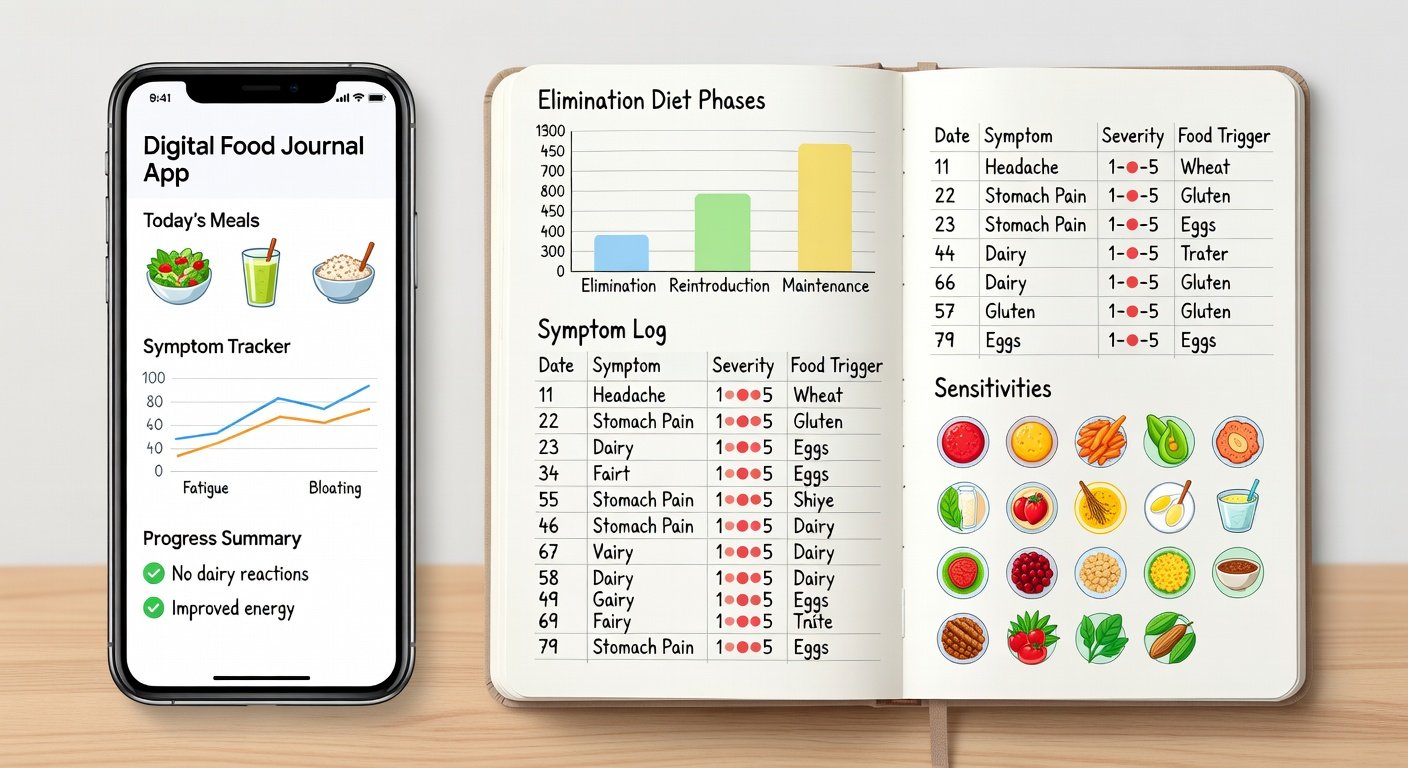
Effective tracking combines qualitative notes with quantitative data. Record symptom severity on a 1–10 scale, stool quality, sleep duration, and energy levels. 2026 apps now sync with wearables to correlate heart-rate variability and sleep stages with dietary changes. Review data weekly to spot patterns, such as recurring symptoms after specific reintroductions.
Paper journals remain valuable for those who prefer tactile logging. Include columns for mood, stress events, and exercise to isolate variables. Share summaries with healthcare providers for collaborative adjustments.
Real-World Case Examples Demonstrating Customization
Case 1: A 34-year-old teacher eliminated gluten and dairy. After six weeks her chronic migraines decreased by 70 percent. Reintroduction revealed tolerance for hard cheeses but not fluid milk, leading to a permanent low-lactose plan with calcium monitoring.
Case 2: A 45-year-old runner identified FODMAP and egg sensitivities via microbiome testing. His customized plan replaced oats with rice flakes and used chia-based binders, restoring training performance within eight weeks.
Case 3: A family of four adapted a shared household plan by creating separate prep stations for gluten-free items, reducing cross-contamination and improving everyone’s digestion.
Practical Tips for Dining Out, Travel, and Family Meals
Research menus ahead and request ingredient lists. Choose simple grilled proteins with vegetables when options are limited. Pack portable snacks for travel, such as nut-and-seed mixes or jerky. For family meals, prepare base dishes that accommodate multiple needs by serving sauces and grains on the side. Batch-cook safe staples on weekends to reduce daily decision fatigue.
Common Pitfalls and How to Avoid Them
- Skipping full reintroduction, which leaves triggers unidentified and prolongs unnecessary restrictions.
- Neglecting micronutrient monitoring, leading to fatigue or hair loss months later.
- Over-relying on processed “free-from” products high in additives that may trigger new issues.
- Ignoring stress management, as elevated cortisol can worsen gut permeability and sensitivity symptoms.
- Failing to adjust calorie intake during high-activity periods, causing muscle loss or low energy.
FAQs Addressing Frequent Concerns
How long should the elimination phase last? Most protocols recommend 4–6 weeks, extending to 8 weeks only for severe or multiple suspected triggers.
Can exercise continue during elimination? Yes, but increase electrolyte and protein intake to compensate for dietary changes.
Are supplements necessary? They can bridge short-term gaps but should be guided by lab results rather than assumed needs.
What if symptoms persist after reintroduction? Re-evaluate for hidden exposures, gut-healing support, or additional testing with a specialist.
How do I maintain social eating? Communicate needs clearly with hosts and focus on naturally safe whole foods like fresh produce and plain proteins.
Conclusion: Building Sustainable, Personalized Nutrition
Successful custom nutrition plans for food sensitivities integrate systematic elimination, targeted rebalancing, consistent tracking, and flexible lifestyle adjustments. The 2026 landscape offers better diagnostic precision and digital support than previous years, enabling most individuals to achieve symptom relief while preserving dietary variety. Begin with clear goals, document thoroughly, and refine iteratively. Over time, the process becomes second nature, supporting both immediate comfort and lifelong health.


No comments yet. Be the first!