 Func Eats
Introduction: Why 15-Minute Meals Beat Takeout in 2026
Busy professionals and families in 2026 face constant pressure to balance work, family and wellness. Ordering takeout feels convenient, yet 15-minute meals deliver superior nutrition, lower costs and comparable satisfaction without the wait. This showdown examines time, cost, nutrition and taste using practical examples and real-world data to help you choose wisely. With rising interest in efficient home cooking, understanding these trade-offs empowers better daily decisions that support long-term health goals without sacrificing flavor or convenience.
Time Comparison: Speed That Actually Wins
Takeout often promises 20–40 minutes from order to door, plus extra time for decisions and payments. In contrast, 15-minute recipes start and finish faster once you master simple prep. The key advantage lies in eliminating delivery delays and packaging waste while keeping total active time under 15 minutes. Many users report that the perceived speed of takeout is overstated when factoring in menu browsing, payment processing and driver arrival times.
Realistic Timelines
- Takeout: 25–45 minutes average including app navigation and arrival.
- 15-minute meal: 12–15 minutes from fridge to plate.
Batch-prepping sauces on weekends shaves another 3–5 minutes off weeknight cooking. Consider a typical Tuesday evening where a family might spend 10 minutes deciding on takeout before the clock even starts. Home cooking bypasses this entirely with pre-planned menus.
Cost Breakdown: Saving Without Sacrificing Quality
While specific dollar amounts fluctuate, home-cooked 15-minute meals consistently cost less than delivery fees, tips and restaurant markups. Shopping smart with frozen vegetables and pantry staples reduces expenses further. Over a month, switching three takeout nights to homemade meals frees budget for premium ingredients. The cumulative effect includes fewer impulse purchases and better portion control that minimizes food waste.
Nutrition and Health Impact Breakdowns
Takeout meals frequently exceed recommended sodium and saturated fat levels. Home versions let you control portions and ingredients. According to World Health Organization guidelines, reducing processed food intake supports long-term cardiovascular health. A quick stir-fry with lean protein and colorful vegetables supplies fiber, vitamins and balanced macros in one pan. Research from CDC nutrition resources highlights how frequent home cooking correlates with lower obesity rates and improved micronutrient intake. In 2026 lifestyles, where sedentary work is common, these small daily choices compound into meaningful health differences over time.
Taste and Satisfaction Factors
Flavor trade-offs are minimal when you use high-heat techniques and bold seasonings. Garlic, ginger, citrus and chili crisp elevate simple dishes to restaurant quality. Many home cooks report equal or greater enjoyment once they adapt favorite takeout flavors to their kitchens. Freshly cooked ingredients retain more texture and aroma compared to food that travels in insulated bags.
Side-by-Side Recipe Showdown: Three Meal Types
1. Stir-Fry vs Asian Takeout
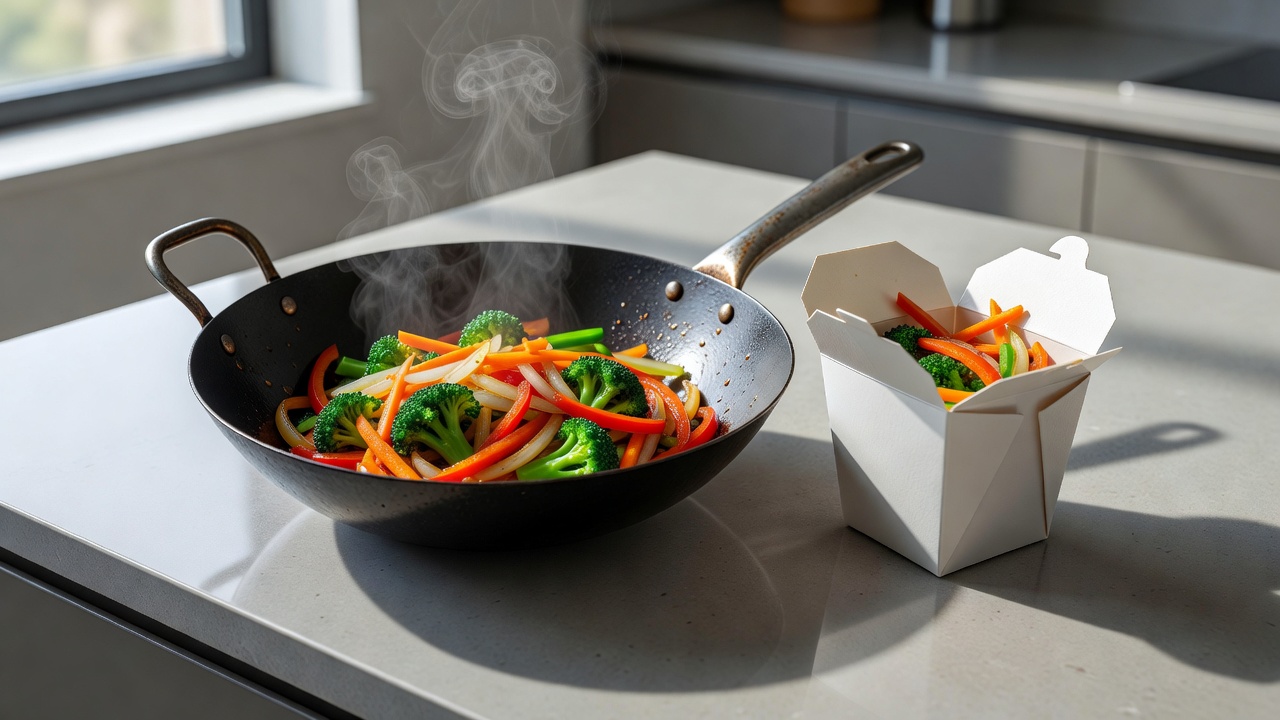
15-Minute Version: Heat a wok, add pre-cut chicken and frozen stir-fry vegetables, finish with a quick soy-ginger sauce. Total time: 14 minutes. Customize heat levels and add fresh herbs at the end for brightness.
Takeout Equivalent: Often arrives lukewarm with excess oil and sodium. Homemade version cuts sodium by half while preserving crunch. Try swapping chicken for tofu for a vegetarian twist that cooks even faster.
2. Pasta Primavera vs Italian Delivery
Boil fresh pasta while sautéing garlic, cherry tomatoes and spinach. Toss with olive oil and Parmesan. Ready in 15 minutes with brighter flavors than most delivery options. Add grilled shrimp or chickpeas for extra protein without extending cook time.
3. Taco Bowls vs Mexican Takeout
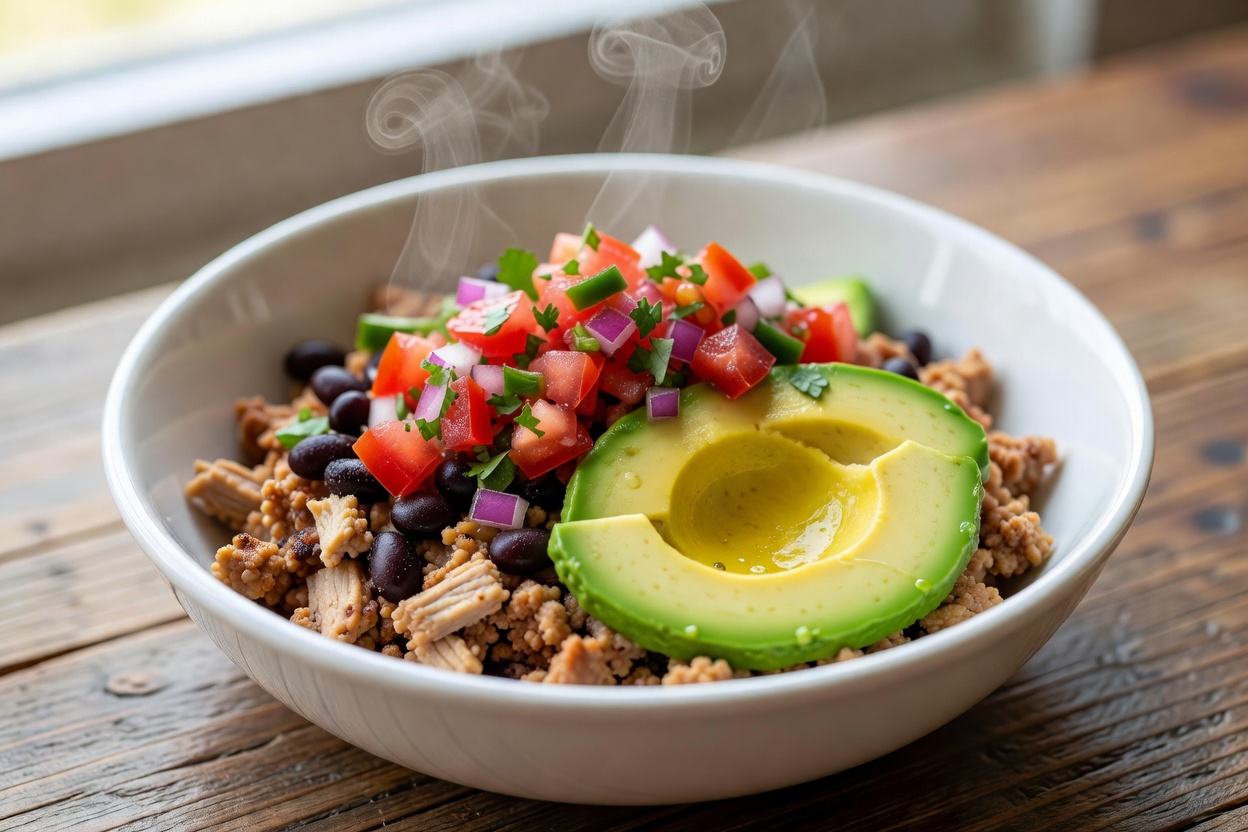
Use pre-cooked rice, canned beans and quick-seared ground turkey. Top with avocado and salsa. Assembly takes under 12 minutes and avoids the typical calorie surplus of restaurant versions. Experiment with different salsas or add corn for sweetness and fiber.
Building Your 15-Minute Recipe Arsenal
Start by selecting five core recipes that rotate weekly. Focus on one-pan or one-pot methods to minimize cleanup. Incorporate versatile base ingredients like eggs, canned tuna and quick-cook grains. Over time this creates a personal library of go-to meals that outperform convenience food in both speed and quality.
Shopping Tips for Speed
- Keep frozen vegetables and pre-cooked grains on hand to eliminate washing and chopping.
- Stock versatile sauces: teriyaki, pesto and harissa that instantly boost flavor profiles.
- Buy pre-portioned proteins to skip trimming time during busy evenings.
- Organize your fridge so high-use items sit at eye level for instant access.
- Shop the perimeter of the store first for fresh produce before hitting the center aisles for staples.
Step-by-Step Adaptation Techniques
Identify your three most-ordered takeout dishes. Replace one ingredient at a time with faster alternatives such as microwaveable rice instead of waiting for delivery. Practice the full recipe twice on low-pressure evenings before adding it to your weekly rotation. Track what works in a simple notebook or app to refine portions and timing for future success.
Common Mistakes to Avoid
- Overcrowding the pan, which steams instead of sears and leads to soggy textures.
- Skipping acid such as lemon or vinegar that brightens quick meals and balances richness.
- Using cold ingredients straight from the fridge, slowing overall cook time by several minutes.
- Ignoring mise en place, or pre-measuring ingredients, which creates unnecessary mid-cook pauses.
FAQ
Do 15-minute meals taste as good as takeout?
With proper seasoning and technique, yes. Many home versions taste fresher because they avoid sitting in containers during delivery.
Can I make these meals with limited kitchen equipment?
A single skillet or wok plus a microwave suffices for most recipes in this guide, making them accessible for small apartments or dorms.
How do I handle picky eaters?
Offer customizable toppings so everyone builds their own bowl while keeping the base recipe fast and efficient.
Are these meals suitable for meal prep?
Yes, many components like sauces and chopped vegetables can be prepared in advance for even quicker assembly on subsequent nights.
What if I have dietary restrictions?
Adaptations for gluten-free, dairy-free or low-carb preferences are straightforward by swapping ingredients like using zucchini noodles or coconut aminos.
Conclusion: Build Your Fast-Dinner Advantage
Choosing 15-minute meals over takeout empowers better nutrition, saves money and reclaims time. Start with one recipe this week and expand your repertoire. The payoff in health and satisfaction compounds quickly. For additional quick-cooking inspiration, explore resources from Mayo Clinic healthy eating guides and Nutrition.gov.
No comments yet. Be the first!