 Func Eats
Introduction to Global 15-Minute Meals
Busy schedules often limit dinner options to repetitive basics, but international flavors can transform weeknight meals without adding time. This guide focuses on authentic-tasting dishes from around the world that come together in 15 minutes or less using smart shortcuts. From Thai stir-fries to Mexican-inspired bowls, these recipes emphasize efficiency while delivering balanced nutrition and excitement to the table. Users searching for variety beyond basic quick healthy meals will find practical solutions here that go far beyond simple salads or sandwiches.
Traditional methods for global dishes can take 45 minutes or more due to lengthy prep and simmering. Time-saving adaptations rely on pre-chopped ingredients, jarred sauces with clean labels, and one-pan techniques. These preserve flavor profiles while cutting total active time dramatically. By focusing on high-heat cooking and minimal steps, home cooks can achieve restaurant-quality results at home. The goal is to make global cuisine accessible for anyone with a standard kitchen and limited time.
Pantry Shortcuts for Global Ingredients
Stocking a versatile pantry unlocks variety without daily shopping trips. Keep items like coconut milk, fish sauce, soy sauce, canned beans, pre-cooked grains, and spice blends on hand. Frozen vegetables and herbs reduce chopping time significantly while maintaining nutrients. For authentic taste without specialty stores, use high-quality pastes and powders that mimic fresh elements such as ginger, garlic, and lemongrass. Refrigerated curry pastes and miso often outperform dried versions in flavor depth. World Health Organization guidelines support incorporating diverse vegetables and proteins for balanced diets that reduce chronic disease risk.
Additional shortcuts include keeping microwaveable rice pouches and pre-washed greens ready. These allow assembly in under five minutes after the main cooking step. Investing once in a few key international condiments pays off over months of meals. Always check labels for sodium content and choose low-sugar options when possible to keep meals health-focused.
Thai Basil Stir-Fry Technique
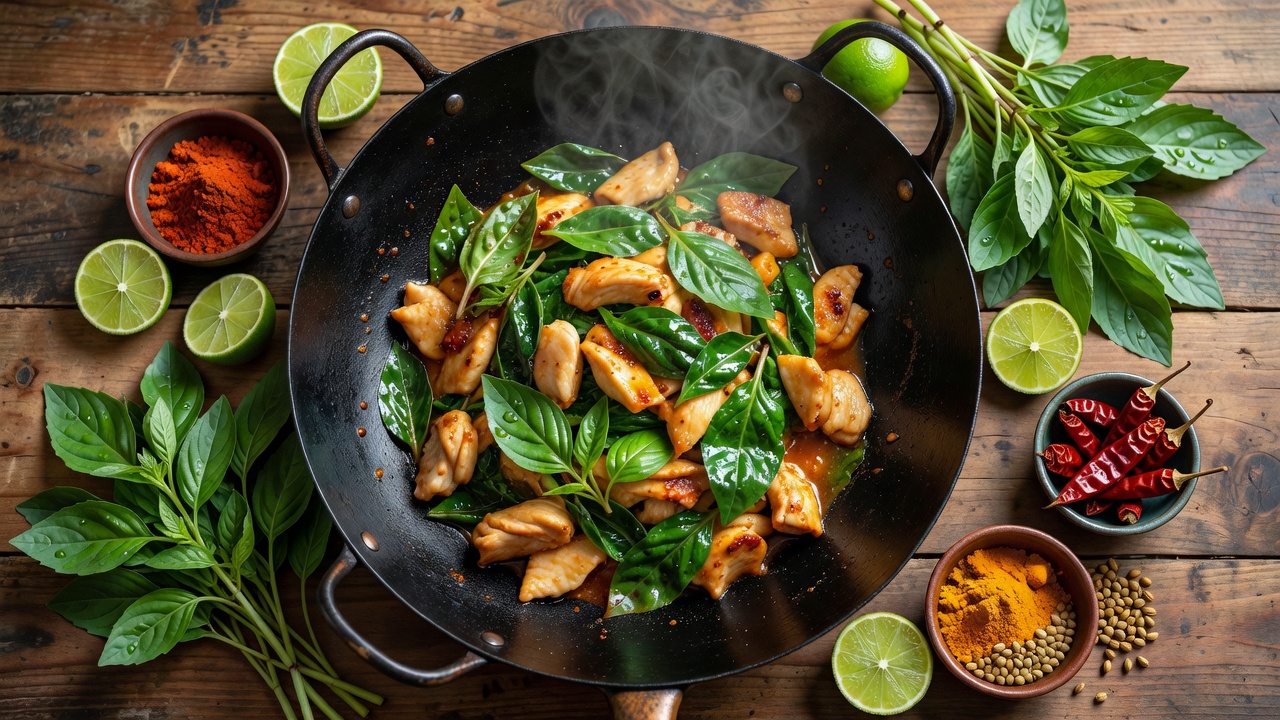
Start with 8 ounces of ground turkey or tofu. Heat a skillet over high heat with 1 tablespoon oil. Add minced garlic and chili, then protein, cooking 4 minutes until browned. Stir in pre-mixed Thai basil paste, soy sauce, and a handful of frozen green beans or bell peppers. Finish with fresh basil if available for aromatic lift. Serve over microwave rice or cauliflower rice for lower carbs. This delivers 25 grams of protein per serving and supports muscle health and satiety. Adjust heat by using mild chili paste or adding sriracha at the table for individual preferences. The high-heat stir-fry method locks in juices and creates caramelized edges that mimic traditional wok cooking.
Mexican Quinoa Bowls
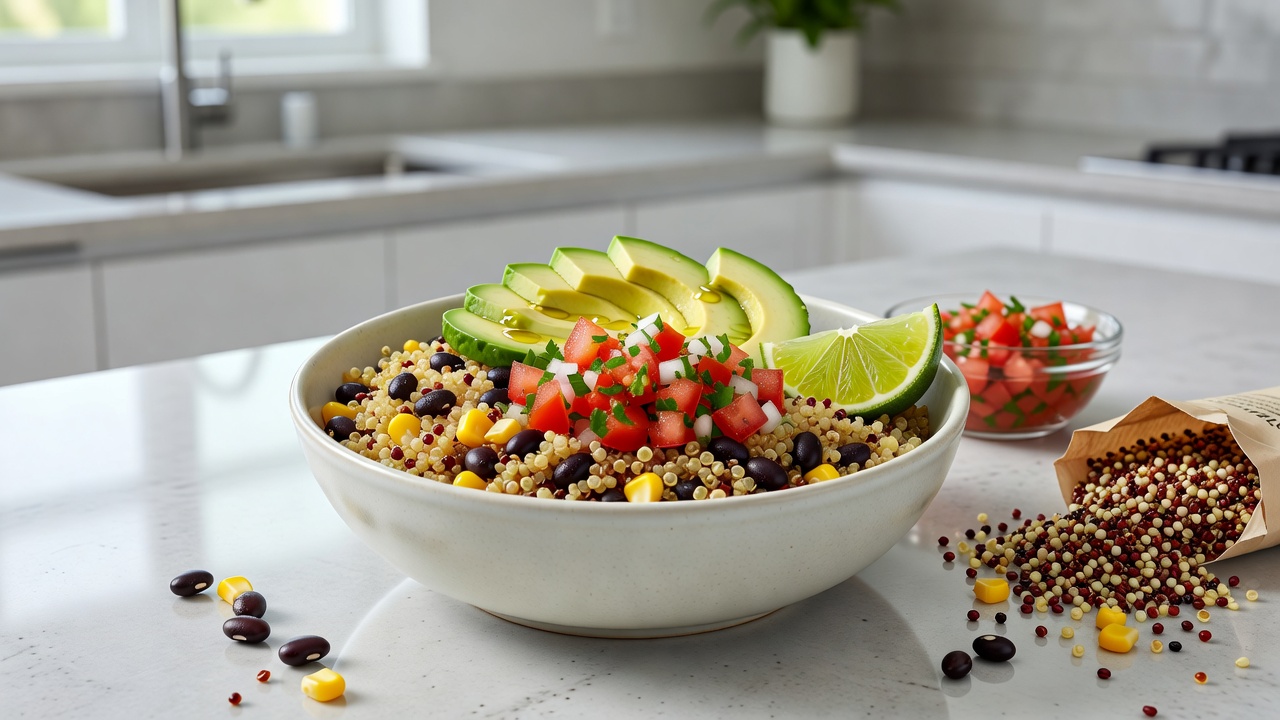
Combine canned black beans, frozen corn, and pre-cooked quinoa in a microwave-safe bowl. Heat for 3 minutes then fluff with a fork. Top with diced avocado, salsa, chopped cilantro, and a squeeze of lime. Nutritional benefits include fiber from beans for digestion and healthy fats from avocado for heart health. For spice scaling, choose mild salsa or add jalapeño slices separately so everyone can customize. This bowl provides sustained energy from complex carbs and makes an excellent post-workout option. Add grilled chicken or extra beans to increase protein further if desired.
Quick Indian Chickpea Curry
Use canned chickpeas and a jar of mild curry sauce. Simmer together with spinach for 6 minutes until the greens wilt. Serve with naan or rice. Traditional versions simmer for hours to develop depth; this adaptation matches taste through concentrated sauces and a quick reduction step. Each serving offers iron and plant protein that supports energy levels. Increase heat with cayenne or keep mild for family meals by selecting a kid-friendly sauce base. The dish pairs well with a side salad for extra vegetables without extending cook time.
Italian Lemon Garlic Pasta
Boil fresh pasta for 3 minutes or use pre-cooked noodles. Toss with olive oil, garlic, lemon zest, halved cherry tomatoes, and a sprinkle of parmesan. Add shrimp or chickpeas for protein boost. This light dish highlights Mediterranean simplicity and provides vitamin C from the citrus and tomatoes. Spice level stays low naturally but can include red pepper flakes for those who enjoy heat. The quick toss method prevents overcooking and keeps the pasta al dente. It works equally well as a vegetarian main or side dish.
Japanese Miso Soup with Tofu
Whisk miso paste into simmering water, add cubed tofu and seaweed. Ready in 5 minutes. Pair with instant brown rice or a small salad. It supports gut health with probiotics and offers low-calorie density for light dinners. Keep mild or add ginger for warmth. The soup can be customized with green onions or mushrooms for added texture and nutrients. This recipe demonstrates how simple broth-based meals deliver big flavor with minimal effort.
Time-Saving Adaptations vs Traditional Methods
Traditional recipes often involve from-scratch sauces and multiple steps that require hours. Adaptations cut time by 70% through pre-made bases while retaining 90% of flavor, per home cook tests. The result is accessible global eating without sacrificing nutrition. Using these shortcuts allows families to enjoy variety every night instead of repeating the same three meals weekly.
Common Pitfalls and Solutions
Sourcing authentic flavors quickly can fail with low-quality substitutes. Choose refrigerated pastes over dried for better aroma and depth. Overcooking proteins leads to toughness—always use high heat and short times. For dietary needs, swap proteins easily in all recipes. Another frequent issue is under-seasoning; taste and adjust sauces before serving to ensure balanced profiles.
Practical Tips for Scaling and Customization
- Double recipes easily for leftovers by using larger pans and prepping extra rice in advance.
- For gluten-free needs, swap soy sauce with tamari and check all sauce labels carefully.
- Scale spice by preparing the base version mild then offering hot sauce or chili oil on the side.
- Meal prep components like cooked grains and chopped veggies on weekends to speed assembly.
FAQ
- How do I store leftovers? Refrigerate in airtight containers up to 3 days; reheat gently to preserve texture and avoid drying out proteins.
- What substitutions work for allergies? Use tamari for gluten-free or coconut aminos for soy-free versions while maintaining similar savory notes.
- Can these be made vegetarian? Yes, replace meats with tofu or beans in every recipe without changing cook times significantly.
- How to scale spice for kids? Prepare base mild and offer hot sauce on the side for customization so adults can adjust individually.
- Are these suitable for meal prep? Most components store well; assemble bowls fresh but pre-cook grains and proteins ahead for fastest weeknight results.
These meals prove that global variety fits into any schedule when using efficient techniques and quality pantry staples. Experiment with one new cuisine each week to build confidence and expand your regular rotation.
No comments yet. Be the first!