 Func Eats
Why Breakfast-for-Dinner Is a 2026 Trend
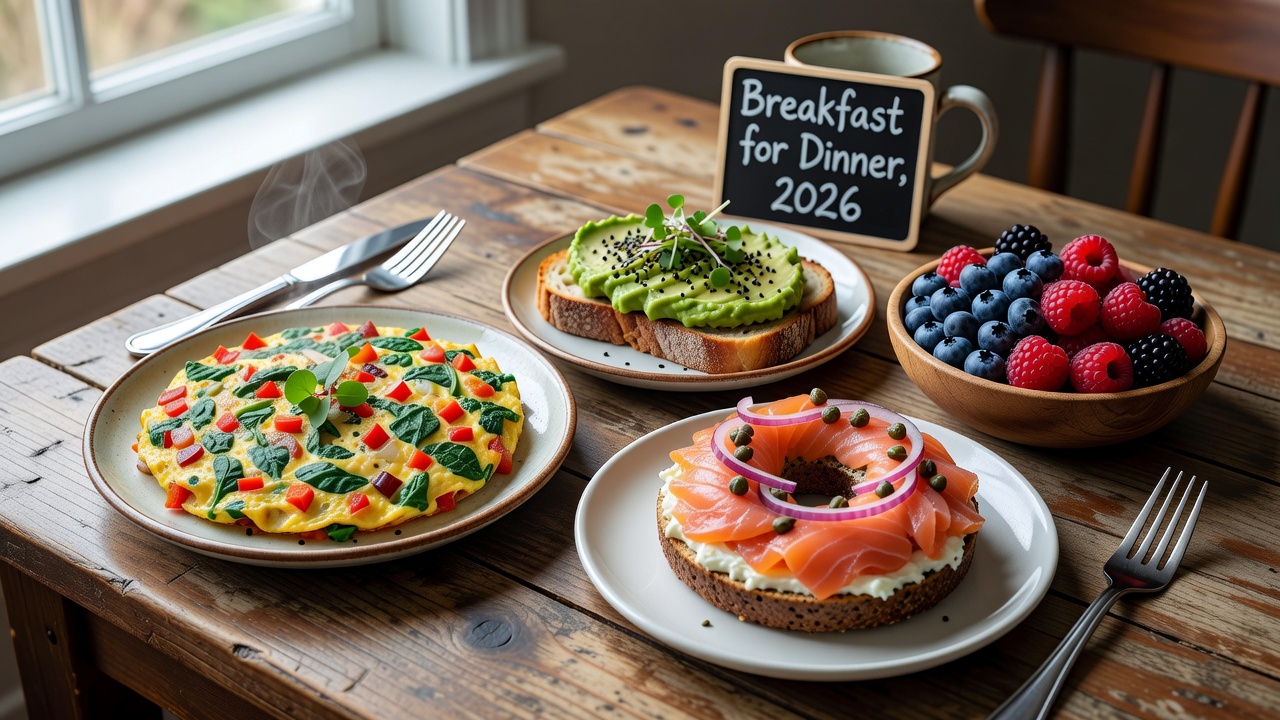
Breakfast-for-dinner recipes deliver variety and speed when you need quick healthy meals. In 2026, home cooks embrace seasonal produce like fresh berries, leafy greens, and herbs to boost flavor and nutrition without extra time. These 15-minute recipes turn classic morning ingredients into satisfying evening meals, offering a fun twist on routine dinners. Families appreciate the lighter approach after heavy lunches, while busy professionals value the minimal cleanup. Compared to traditional dinners that often require 45 minutes or more, breakfast-for-dinner options cut prep dramatically while maintaining balanced nutrition. They align perfectly with busy schedules and support goals like higher protein intake or lighter eating. Many people report reduced stress because these meals rely on pantry staples rather than complex shopping lists.
Time-Saving Tips for 15-Minute Meals
Mastering speed starts with smart preparation. Prep mise en place by chopping veggies and measuring spices ahead during weekend batching. Store prepped items in clear containers so you can grab exactly what you need. Use one-pan methods to minimize cleanup and cooking time—nonstick skillets or sheet pans work best. Leverage seasonal produce available in late summer 2026 for peak flavor and freshness; farmers' markets often have deals on tomatoes, spinach, and berries. Keep staples like eggs, whole-grain bread, and avocados on hand for instant assembly. Another tip is to batch-cook grains like quinoa on Sunday so they reheat in under two minutes. Finally, invest in quality tools such as a sharp knife and egg poacher to shave seconds off each step. These habits compound quickly when preparing dinner after a long workday.
8 Creative 15-Minute Breakfast-for-Dinner Recipes
1. Veggie-Packed Omelet with Seasonal Greens
Whisk three large eggs with a pinch of salt and pepper. Sauté spinach, cherry tomatoes, and bell peppers in a nonstick pan for two minutes, then pour eggs over the vegetables. Cook on medium heat for four minutes until set, fold, and serve immediately. Nutrition highlight: 22 grams of protein plus vitamins A and C per serving. Add fresh herbs from your garden for extra aroma without calories.
2. Upgraded Avocado Toast with Poached Egg
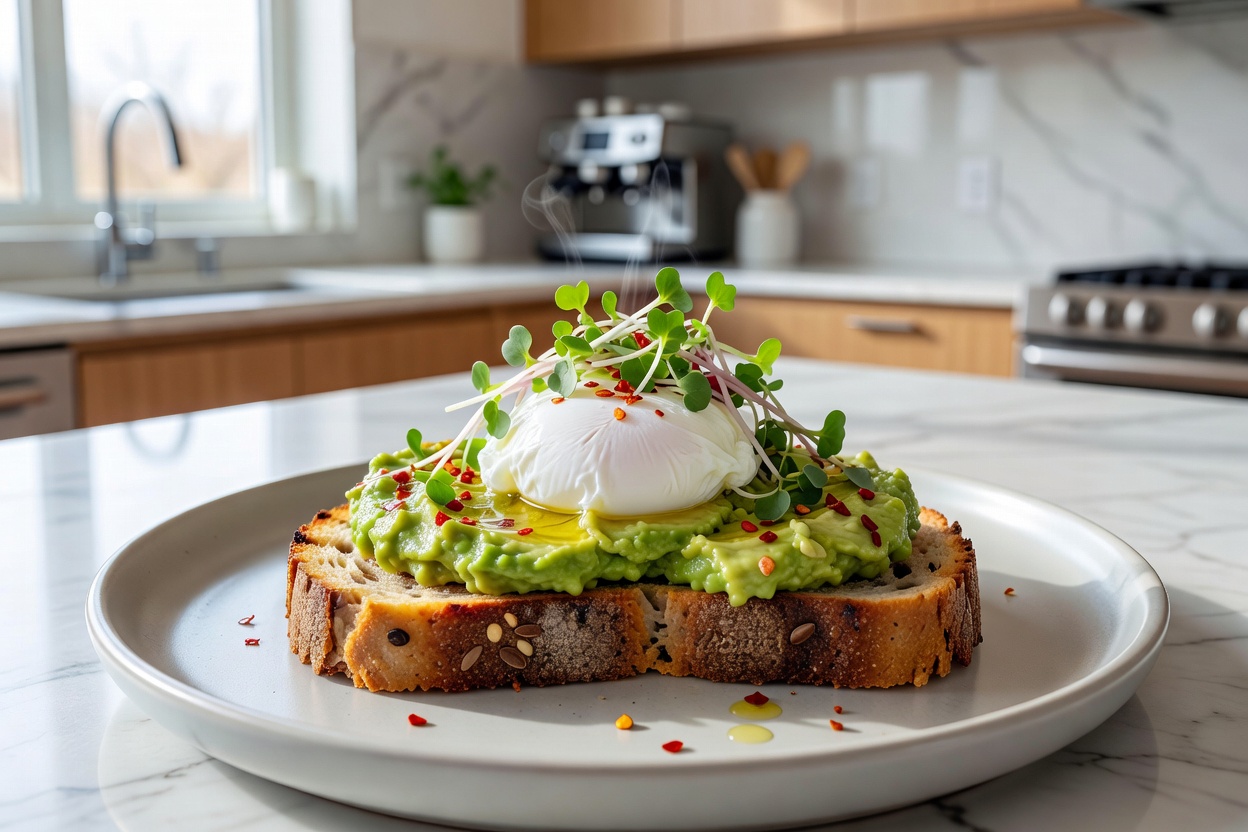
Toast two slices of whole-grain bread while bringing a small pot of water to a gentle simmer for the egg. Mash ripe avocado with lemon juice and red pepper flakes, spread on toast, then top with the poached egg. Ready in eight minutes. Adds healthy fats and fiber for sustained energy throughout the evening. For variation, sprinkle everything bagel seasoning or add sliced radishes for crunch.
3. Savory Breakfast Burrito
Scramble two eggs with black beans, diced bell peppers, and onions in one skillet. Warm a whole-wheat tortilla, add the filling, and top with fresh salsa and cilantro. High in fiber and ready in twelve minutes. This portable option works well for families eating at different times.
4. Greek Yogurt Parfait Bowl
Layer plain Greek yogurt with granola, fresh seasonal berries, and a light drizzle of honey. Offers probiotics and antioxidants in under five minutes. Boost protein further by adding a tablespoon of chia seeds. This refreshing meal suits hot summer evenings when heavy cooking feels unappealing.
5. Smoked Salmon Bagel
Spread light cream cheese on a toasted whole-grain bagel, layer with smoked salmon, cucumber slices, and fresh dill. Provides omega-3 fatty acids for heart and brain health. Complete the plate with a side of cherry tomatoes for color and vitamin C.
6. Sweet Potato Hash with Eggs
Microwave diced sweet potato for three minutes, then sauté with onions and spinach in a skillet. Top with two fried eggs and a sprinkle of paprika. Quick source of complex carbs and protein that keeps you full longer than cereal-based dinners.
7. Cottage Cheese Pancakes
Blend cottage cheese, two eggs, and rolled oats into a smooth batter; cook two minutes per side in a lightly oiled pan. Light yet filling with twenty-five grams of protein per serving. Serve with a few berries instead of syrup to keep sugar low.
8. Berry Spinach Smoothie Bowl
Blend frozen berries, a handful of spinach, Greek yogurt, and a splash of almond milk until thick. Top with pumpkin seeds and extra berries. Nutrient-dense and refreshing in six minutes. This bowl delivers antioxidants that support recovery after busy days.
Nutrition Highlights Across Recipes
Most recipes deliver fifteen to thirty grams of protein and ample fiber while staying under four hundred calories. Focus on whole foods supports 2026 wellness trends emphasizing anti-inflammatory ingredients like berries and greens. Eggs provide complete protein, avocados offer monounsaturated fats, and seasonal vegetables add micronutrients. For deeper guidance on balanced plates, visit Academy of Nutrition and Dietetics or Nutrition.gov. These meals also help control portions naturally because breakfast ingredients are inherently lighter than many evening casseroles.
Comparisons to Traditional Dinners
Traditional dinners like roasted chicken or pasta bakes often take fifty-plus minutes and generate more dishes. Breakfast-for-dinner recipes reduce active time by roughly seventy percent and lower grocery costs through versatile staples. They also encourage variety, preventing dinner fatigue that sets in when the same proteins appear weekly. Cleanup is faster since most recipes use one pan or bowl. Taste-wise, the sweet-savory contrast of breakfast ingredients brings excitement that standard dinners sometimes lack. For families, these options appeal to picky eaters who already enjoy morning foods, making mealtime less stressful.
Common Mistakes to Avoid
- Overcooking eggs, which turns them rubbery—always remove from heat just before fully set.
- Skipping acid like lemon juice on avocado, causing browning and dull flavor.
- Using cold ingredients straight from the fridge, which lengthens cooking time; let eggs sit out briefly.
- Neglecting seasoning, resulting in bland meals—taste and adjust salt or herbs at the end.
Scaling Recipes for Families: FAQ
How do I double these recipes?
Use a larger skillet or cook in batches. Add extra eggs or toast slices proportionally. Prepare the base in one pan and finish individual servings with different toppings so everyone gets customization.
Can kids enjoy these meals?
Yes—mild versions without spice work well. Involve kids in simple steps like mashing avocado or choosing berries. The familiar breakfast format often increases acceptance compared with new dinner dishes.
What if someone has dietary restrictions?
Swap eggs for tofu scramble or use gluten-free bread. Seasonal produce keeps options flexible year-round. For dairy-free needs, substitute coconut yogurt in parfait and smoothie recipes.
How can I make these meals more filling for teens?
Add extra protein sources such as turkey sausage or extra nuts. Serve with a side of whole-grain toast or a small portion of leftover quinoa to boost calories without extending time.
Conclusion
These 15-minute breakfast-for-dinner recipes bring excitement and nutrition to your table with minimal effort. Incorporate seasonal produce for maximum freshness and try one new twist each week to keep meals interesting and healthy. With practice, these quick healthy meals become your go-to solution for weeknight variety.

No comments yet. Be the first!