 Func Eats
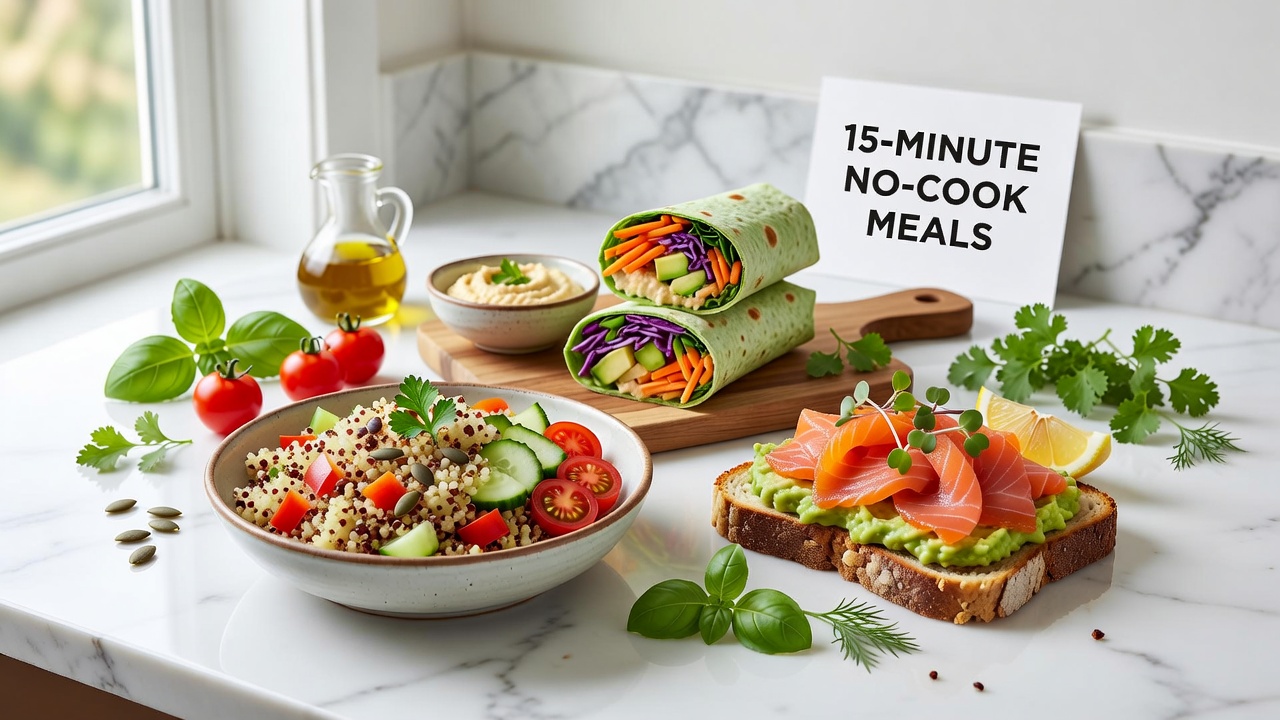
Hot summer days often make turning on the stove or oven unappealing, yet busy schedules still demand nutritious dinners. No-cook 15-minute recipes solve this by relying on fresh ingredients, smart assembly, and minimal prep to create satisfying meals without any heat. These approaches preserve nutrients better than high-heat cooking while cutting cleanup time dramatically. Busy professionals, parents, and anyone seeking fast dinner recipes during warm months benefit from these methods, which align with 2026 trends favoring fresh produce pairings and balanced macros for sustained energy throughout the day.
Why Choose No-Cook Methods for Quick Healthy Meals
No-cook techniques shine during warm weather because they avoid raising kitchen temperatures and reduce energy use. They also maintain the natural enzymes and vitamins in produce that can diminish with cooking. For busy professionals and families, these recipes cut total meal time from 45 minutes of traditional cooking down to just 15 minutes of assembly, according to common home cooking benchmarks. Beyond time savings, no-cook meals support better hydration since many ingredients like cucumbers and leafy greens have high water content. They also promote variety by encouraging the use of seasonal produce that might otherwise be overlooked in cooked dishes. Nutrition remains a priority: pairing proteins such as canned tuna or Greek yogurt with complex carbs from pre-cooked grains and healthy fats from avocados or nuts helps maintain steady energy without the post-meal slump common after heavier cooked meals.
Essential Ingredient Prep Tips for Speed and Freshness
Start with organized shopping and storage. Wash and chop vegetables like cucumbers, bell peppers, and cherry tomatoes in advance on weekends. Store pre-cooked grains such as quinoa or farro in the fridge for up to four days. Keep a variety of proteins on hand including rotisserie chicken, canned beans, and smoked salmon. Invest in quality tools like a sharp knife and a good mandoline for quick slicing. Always use separate cutting boards for proteins and produce to prevent cross-contamination. Create a weekly shopping list focused on versatile items: buy multiple types of greens, a few protein sources, and ready-to-use sauces. Pre-portion snacks like nuts and seeds into small containers so assembly becomes even faster. Consider batch-cooking grains on a cooler evening and freezing portions for later use, then thawing overnight in the refrigerator.
10 No-Cook Recipe Ideas You Can Assemble in 15 Minutes
Each idea follows a simple pattern of base plus protein plus vegetables plus sauce. Here are ten practical examples with quick assembly notes.
- Chilled Mediterranean Quinoa Bowl: Combine pre-cooked quinoa, diced cucumber, tomatoes, olives, feta, and chickpeas. Drizzle with olive oil and lemon for a refreshing, fiber-rich dinner.
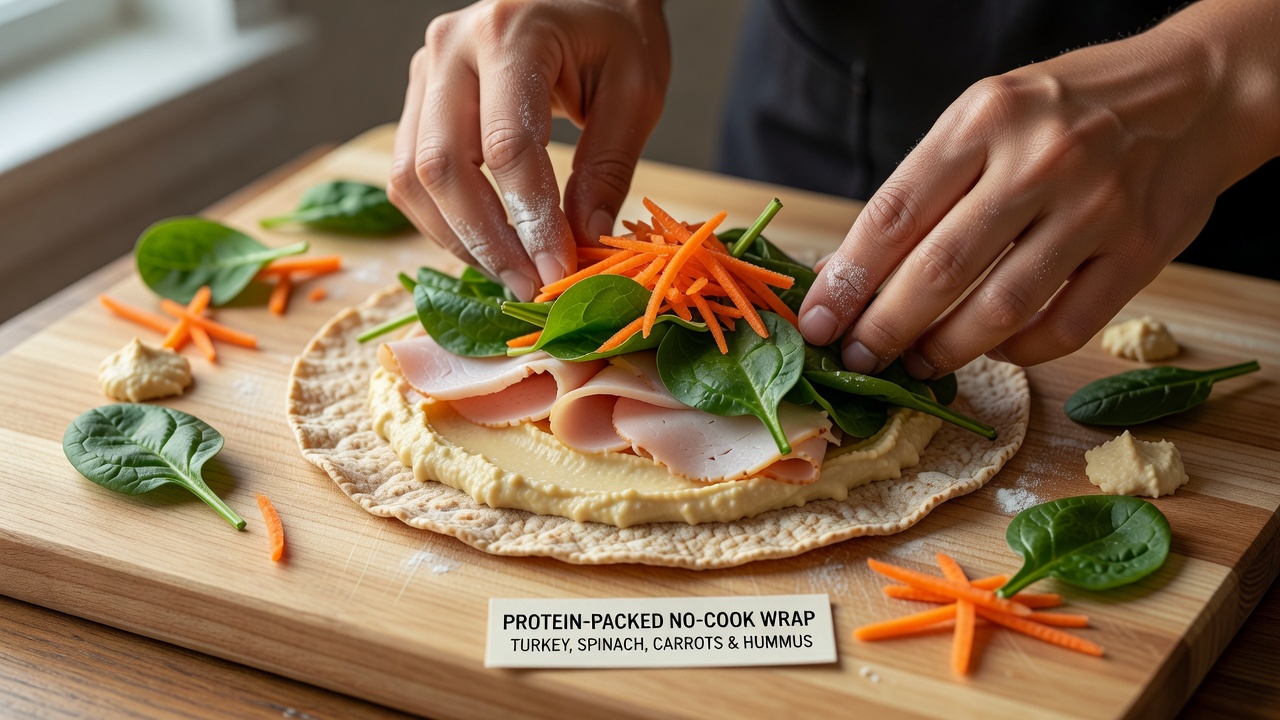
- Protein-Packed Turkey Wraps: Layer sliced turkey, spinach, shredded carrots, and hummus in whole-grain tortillas; roll tightly and slice for easy eating on the go.
- Asian-Inspired Rice Noodle Salad: Toss rice noodles with shredded cabbage, carrots, edamame, and peanut sauce for a crunchy, satisfying option packed with plant protein.
- Smoked Salmon Avocado Toast: Top whole-grain bread with mashed avocado, smoked salmon, red onion, and capers; add a squeeze of lemon for brightness.
- Chickpea Salad Pitas: Mix chickpeas with Greek yogurt, celery, and herbs; stuff into pita pockets and serve with extra veggies on the side.
- Caprese Zucchini Noodle Bowls: Spiralize zucchini and toss with cherry tomatoes, mozzarella, basil, and balsamic glaze for a low-carb Italian twist.
- Tuna and White Bean Salad: Combine canned tuna, cannellini beans, red onion, and arugula with lemon vinaigrette; this provides omega-3s and fiber in one bowl.
- Berry Yogurt Parfait Jars: Layer Greek yogurt, fresh berries, granola, and chia seeds for a sweet-savory breakfast or light dinner that feels indulgent yet balanced.
- Crunchy Thai Peanut Slaw: Shred cabbage and carrots, add shredded chicken, and toss in a no-cook peanut dressing; top with crushed peanuts for texture.
- Fresh Spring Roll Bowls: Use lettuce leaves with shrimp, herbs, and vermicelli for deconstructed rolls drizzled with a simple soy-lime sauce.
These recipes emphasize 2026 wellness trends by highlighting colorful produce and complete macronutrient profiles that keep you full longer.
Step-by-Step Assembly for a Chilled Grain Bowl
Begin by portioning 1 cup of chilled quinoa into a bowl. Add ½ cup diced vegetables and 3 ounces of protein. Finish with 2 tablespoons of dressing and a sprinkle of nuts. Total hands-on time stays under 10 minutes once ingredients are prepped. For variation, swap quinoa for couscous or brown rice and experiment with different protein sources such as hard-boiled eggs or tofu cubes. Always taste and adjust seasoning before serving to ensure balanced flavors.
Time Savings Compared to Traditional Cooking
Traditional stovetop meals often require 30–45 minutes of active cooking plus cleanup. No-cook versions reduce active time to 10–15 minutes and eliminate pots and pans, saving an average of 25 minutes per meal. Over a week this adds up to nearly three hours reclaimed for other activities. When compared to oven-based recipes that may take over an hour including preheat time, the difference becomes even more pronounced, especially during peak summer heat when avoiding appliances is preferable.
Storage and Food Safety Advice
Refrigerate assembled meals in airtight containers for up to two days. Keep dressings separate until serving to maintain texture. For food safety, follow guidelines from the FDA on proper cold storage temperatures. Always check expiration dates on proteins and discard anything left at room temperature over two hours. Separate delicate herbs from wet ingredients to prevent sogginess, and use glass containers when possible to avoid plastic leaching. For longer storage, prepare components individually and combine just before eating.
Nutritional Benefits and 2026 Trends
No-cook meals excel at preserving water-soluble vitamins found in raw vegetables. Pairing fresh produce with quality proteins supports muscle maintenance and satiety, aligning with current emphasis on balanced macros. Many 2026 eaters seek meals that combine antioxidant-rich fruits and vegetables with omega sources like salmon or nuts, creating dishes that promote overall wellness without extra effort.
Mistakes to Avoid When Making No-Cook Meals
- Skipping proper chilling: Always refrigerate ingredients beforehand to ensure food safety and optimal taste.
- Overloading one macronutrient: Balance proteins, carbs, and fats in every bowl or wrap.
- Ignoring texture contrast: Include crunchy elements like seeds or raw veggies alongside softer components.
- Forgetting seasoning: Raw dishes need bright acids and herbs to compensate for lack of cooked flavors.
Common Questions About No-Cook Recipes
Are no-cook meals safe during hot weather?
Yes, when ingredients stay properly chilled. Use a cooler bag for picnics and keep the fridge at or below 40°F. Consult resources from the CDC for additional guidance on safe food handling.
Can these recipes support balanced macros?
Absolutely. Combine lean proteins, whole grains, and colorful vegetables for complete nutrition profiles that align with 2026 wellness trends emphasizing fresh produce pairings.
How do I scale recipes for meal prep?
Double the base ingredients and store components separately. Assemble daily portions in the morning for grab-and-go lunches.
What about dietary restrictions?
Most recipes adapt easily: use gluten-free wraps, dairy-free yogurts, or plant-based proteins to accommodate vegan, gluten-free, or low-carb preferences.
Do no-cook meals work for kids?
Yes, with simple flavors and fun presentations like build-your-own wrap stations that encourage participation.
Conclusion
No-cook 15-minute recipes deliver quick healthy meals that fit modern lifestyles without sacrificing flavor or nutrition. By mastering simple assembly techniques and smart prep, anyone can enjoy fresh, balanced dinners even on the hottest days. Explore these ideas and adapt them to your favorite seasonal ingredients for endless variety while saving time and energy every week.
No comments yet. Be the first!