 Func Eats
Why 15-Minute Dorm Meals Matter for Busy Students
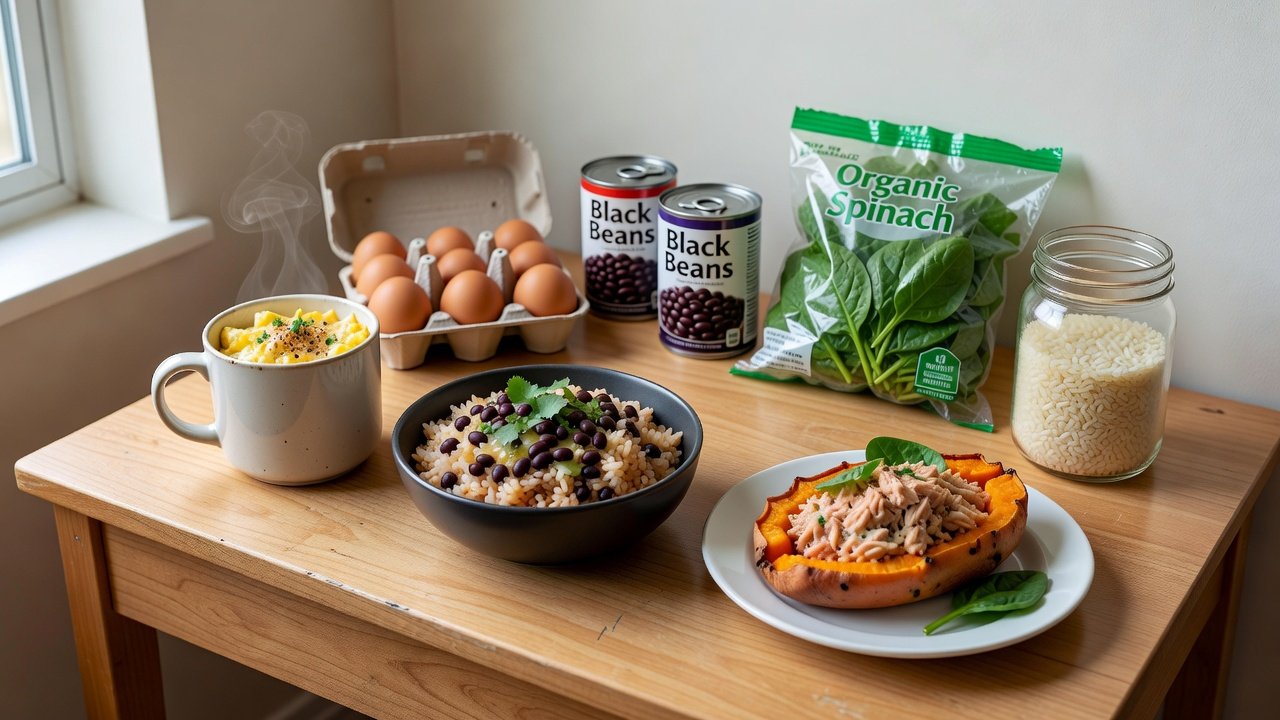
College life often means juggling classes, study sessions, part-time jobs, and social commitments with very little time left for cooking elaborate meals. Dorm-friendly recipes that take just 15 minutes help students maintain steady energy levels without relying on expensive takeout or processed snacks that can lead to energy crashes. These meals focus on simple equipment like microwaves and single-burner hot plates, using affordable staples such as eggs, canned beans, frozen vegetables, quick-cook grains, and basic pantry spices. Preparing balanced meals in limited space supports better focus during long study sessions and prevents the common afternoon slump many students experience when skipping proper meals.
With smart planning and realistic expectations, anyone living in a dorm can create nutritious options that fit tight schedules and small kitchens. The key is choosing recipes that minimize cleanup and maximize nutrition density while staying under the 15-minute mark from start to finish.
Essential Dorm-Safe Equipment
Start with the right tools to keep everything safe and efficient in a shared living space. A microwave is the most common appliance in dorms and handles steaming, reheating, and one-bowl meals effectively. Add a single-burner hot plate for stir-fries or scrambled eggs when allowed by housing rules. Basic items include a microwave-safe mug, small non-stick skillet, cutting board, sharp knife, and reusable container set for portion control and leftovers. Keep non-stick spray, measuring spoons, and a few spices on hand to enhance flavor without extra effort.
Always check dorm rules before using any electric appliance to avoid violations. A small cooler bag or mini-fridge helps with ingredient storage, while paper towels and a sponge make quick cleanup possible after each meal.
Time-Saving Prep Hacks
Batch prep ingredients on weekends when possible to streamline weekday cooking. Wash and chop vegetables ahead if space allows, or buy pre-cut frozen options that cook quickly in the microwave without thawing. Keep a small pantry of staples like instant oats, canned tuna, chickpeas, and dried herbs to build meals fast. Use the microwave's steam function for vegetables instead of boiling on the stove, which reduces both time and dishes. These hacks reduce active cooking time to under 15 minutes per recipe while keeping flavors fresh and varied.
Another effective strategy involves pre-portioning proteins and grains into single-serve containers so assembly becomes the only step during busy evenings.
Five Complete 15-Minute Recipes
1. Microwave Egg and Veggie Mug Scramble
Ingredients include two eggs, a handful of fresh or frozen spinach, two tablespoons shredded cheese, and basic seasonings. Steps: Crack eggs into a large microwave-safe mug and whisk thoroughly with a fork. Add spinach and cheese, then microwave on high for 90 seconds. Stir the mixture and cook for an additional 30 seconds until fully set. The entire process takes under three minutes and pairs well with whole-grain toast or a piece of fruit for a complete breakfast or light dinner.
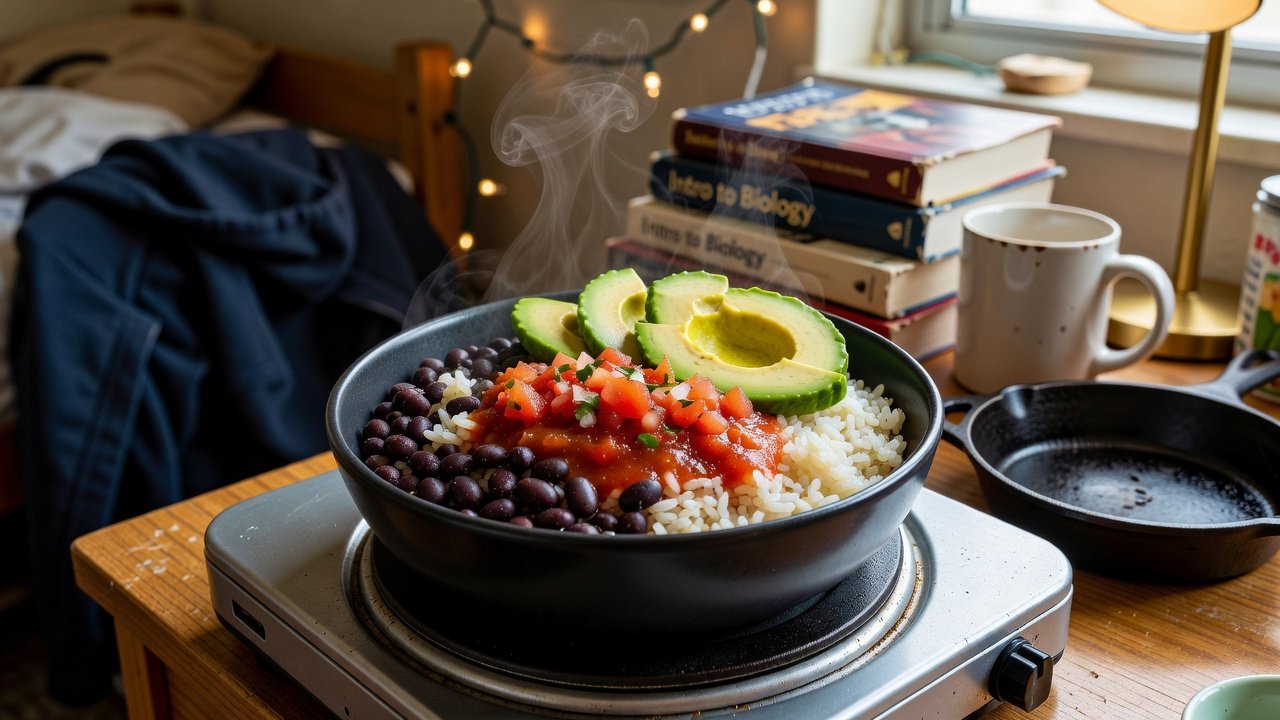
2. Single-Burner Black Bean and Rice Bowl
Ingredients: one cup pre-cooked rice, half a can of drained black beans, two tablespoons salsa, and a few slices of avocado. Heat the rice and beans together in a small skillet over medium heat for five minutes while stirring occasionally. Top with salsa and avocado for added creaminess and healthy fats. This protein-packed bowl supports sustained energy throughout evening classes or study time.
3. Microwave Sweet Potato with Tuna
Pierce a medium sweet potato several times with a fork and microwave on high for six to eight minutes until soft. While it cooks, mix canned tuna with a spoonful of Greek yogurt and dried herbs. Slice the cooked potato open and top with the tuna mixture. The full meal comes together in about ten minutes and delivers complex carbohydrates alongside lean protein.
4. One-Pan Veggie Omelet
Use the single burner for two eggs mixed with a cup of frozen mixed vegetables and a sprinkle of cheese. Pour the mixture into a heated skillet and cook four minutes per side until golden. This simple dish provides fiber and protein in one pan, minimizing cleanup while delivering a filling option suitable for any time of day.
5. Microwave Quinoa Power Bowl
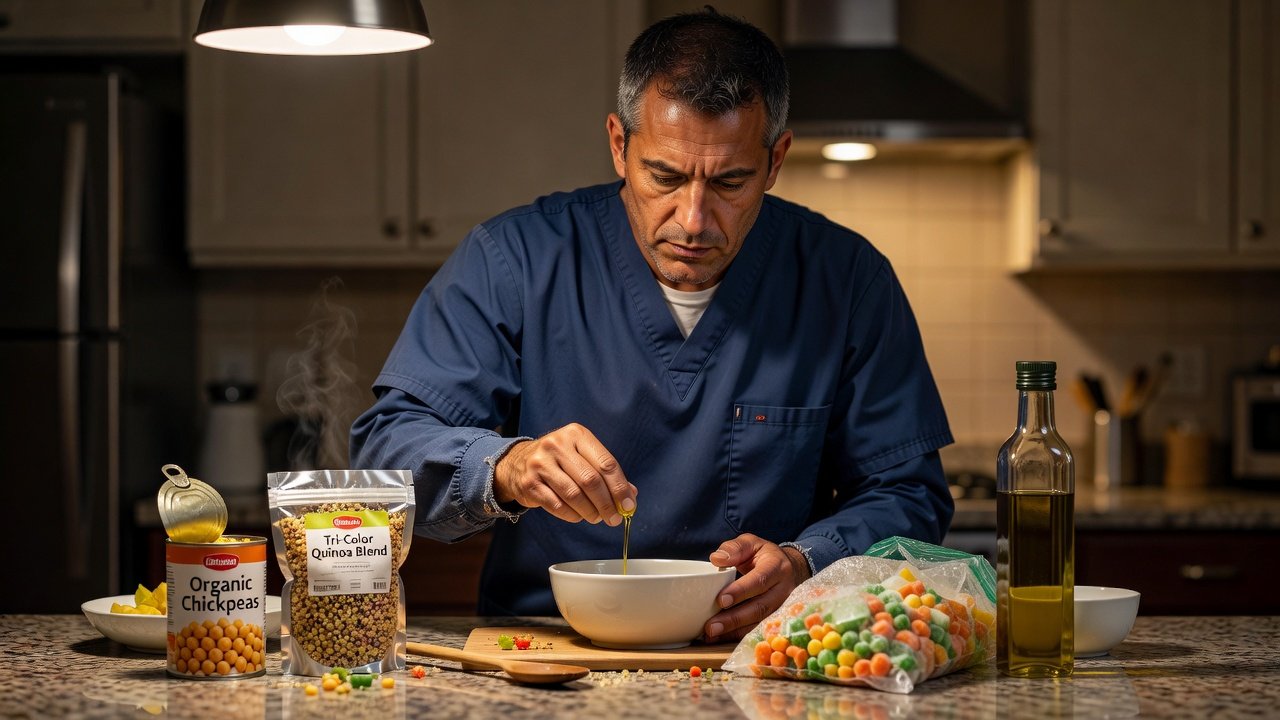
Combine a pre-cooked quinoa pouch with half a can of chickpeas and a handful of cherry tomatoes. Microwave for two minutes, then drizzle with olive oil and a dash of lemon juice or vinegar. Quick assembly keeps the total time at five minutes, making it ideal for last-minute meals before late-night studying.
Balanced Nutrition on a Budget
Focus on combining protein, fiber, and healthy fats in each meal to create satisfying dishes. Eggs, beans, and tuna provide affordable protein sources while frozen produce adds essential vitamins without spoilage concerns. MyPlate guidelines recommend filling half the plate with vegetables and fruits for optimal health. Students can rotate these recipes across the week to meet daily nutrient needs without overspending or relying on single food groups. Adding variety also prevents boredom and encourages consistent healthy eating habits throughout the semester.
Storage Tips for Leftovers
Cool meals to room temperature quickly before storing in airtight containers inside a mini-fridge. Most prepared dishes last two to three days when kept at proper temperatures. Reheat only the portion needed in the microwave to maintain texture and flavor. Label containers with preparation dates to avoid spoilage and reduce food waste. For longer storage, some components like cooked grains can be frozen in small batches and thawed overnight in the fridge before quick reheating.
Practical Steps for Success in Limited Spaces
Begin by organizing your small kitchen area so frequently used items are within easy reach. Test each recipe once during a low-stress time to adjust seasonings to personal taste. Keep a running list of favorite combinations that work well with your available equipment. Rotate proteins and vegetables weekly to maintain interest and nutritional balance. These steps turn occasional cooking into a reliable routine that supports both academic performance and overall wellness.
FAQ: Common Dorm Cooking Challenges
- How do I avoid microwave messes? Always cover dishes with a paper towel or vented lid during cooking.
- What if I have no access to a fridge? Rely on shelf-stable items like canned goods and focus on single-serving recipes that require no storage.
- Are these recipes filling enough for long study sessions? Adding beans, eggs, or quinoa boosts satiety and prevents mid-evening hunger.
- Can I make them gluten-free? Yes, simply swap grains for certified gluten-free quinoa or rice options available in most stores.
- How do I handle shared kitchen cleanup? Clean as you go and use one-bowl or one-pan methods to reduce the number of items needing washing.
Conclusion
Mastering these 15-minute dorm-friendly recipes gives students greater control over their nutrition despite limited time, space, and equipment. Start with one or two favorites and gradually build a rotation of reliable meals for consistent healthy eating throughout the semester. Small, repeatable habits like these contribute to better energy, focus, and long-term wellness during the college years.
No comments yet. Be the first!