 Func Eats

Why Quick Healthy Meals Matter for Shift Workers in 2026
Shift workers often face irregular hours that disrupt traditional meal planning, leading to reliance on fast food or skipped meals. These 15-minute recipes focus on shelf-stable ingredients, simple assembly, and nutrient-dense combinations of protein, vegetables, and grains to sustain energy levels throughout demanding shifts. By prioritizing quick techniques like microwaving or one-pan stovetop cooking, you can maintain a balanced diet without sacrificing time or nutrition. In 2026, with many industries running 24/7 operations, maintaining steady energy becomes essential to avoid fatigue-related issues during night shifts or split schedules.
Research from health authorities emphasizes the importance of consistent nutrient intake for those with non-traditional schedules. World Health Organization guidelines highlight how varied protein and vegetable intake supports overall well-being during extended work periods. Similarly, the Centers for Disease Control and Prevention notes that irregular eaters benefit from portable, balanced options that stabilize blood sugar.
Understanding the Challenges of Shift Work Nutrition
Irregular schedules can lead to digestive problems, poor sleep, and energy crashes because the body’s natural circadian rhythm gets thrown off. Many shift workers report reaching for convenience foods high in sugar and low in nutrients. The key is building meals around shelf-stable proteins like canned fish or legumes, quick-cook grains such as microwaveable quinoa or rice pouches, and frozen or canned vegetables that retain most vitamins. These combinations provide sustained energy without requiring hours of prep after a long shift.
Essential Pantry Staples for Fast Assembly
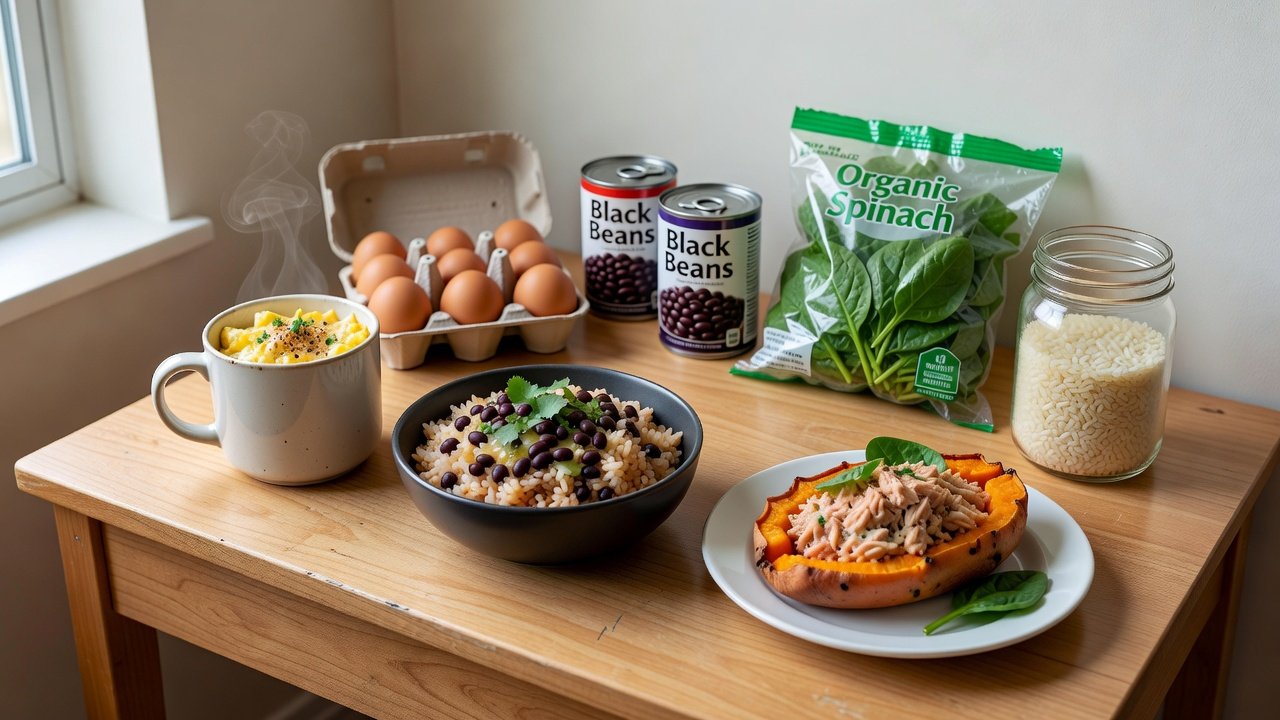
Stock your kitchen with versatile, long-lasting items to enable rapid meal creation. Canned tuna, chickpeas, quinoa pouches, frozen vegetables, olive oil, and pre-cooked rice form the base. Add flavor with shelf-stable spices, nut butters, and canned tomatoes. These allow for endless variations without needing fresh produce daily. Consider keeping a small stock of liquid egg whites or shelf-stable milk alternatives for extra protein. Rotate your proteins between tuna, sardines, lentils, black beans, and chickpeas to prevent boredom while ensuring a mix of omega-3s, fiber, and plant-based iron.
8 Adaptable 15-Minute Recipes
1. Chickpea Veggie Stir-Fry
Combine canned chickpeas with frozen mixed vegetables in a skillet. Add turmeric and garlic powder. Cook 8 minutes on stovetop. Total time: 12 minutes including 4 minutes assembly. This meal delivers fiber and plant protein to keep you full through a long shift. Swap in different spice blends like curry powder for variety.
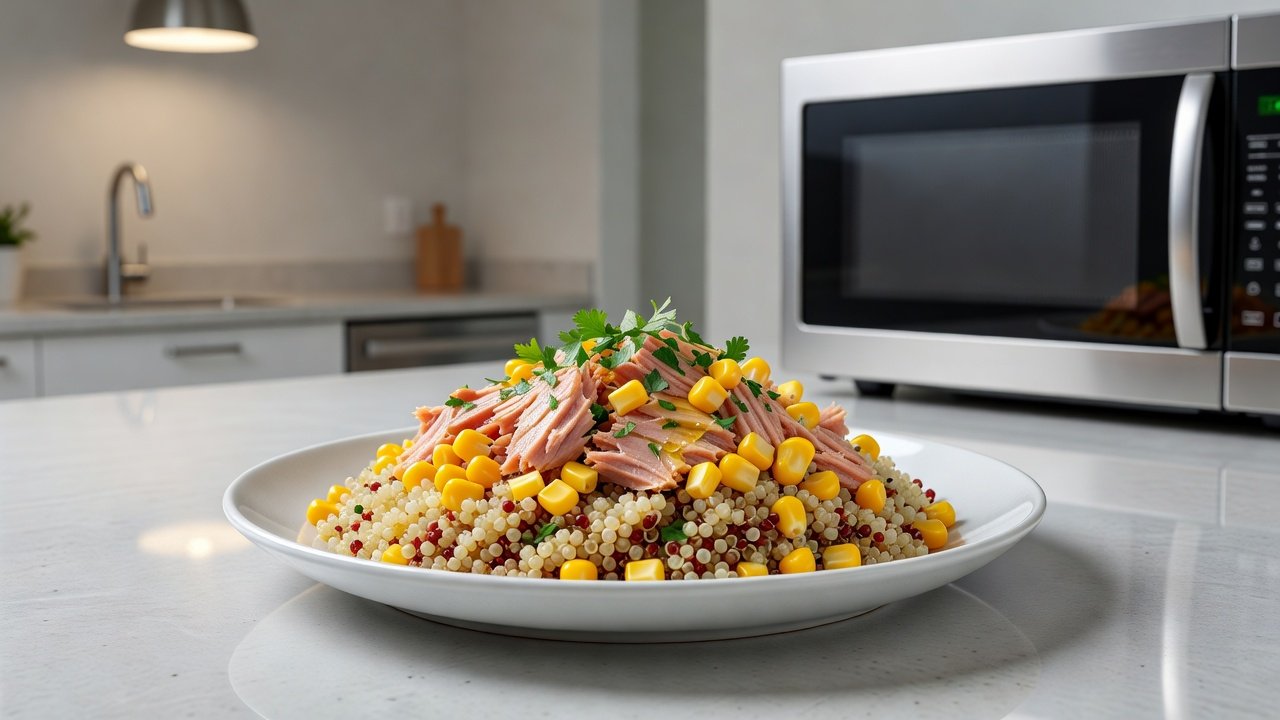
2. Tuna Quinoa Bowl
Microwave a quinoa pouch for 90 seconds, mix with canned tuna and olive oil. Top with canned corn. Total time: 10 minutes. The omega-3s from tuna support brain function during overnight hours, while quinoa provides complete protein and complex carbs.
3. Lentil Tomato Soup Upgrade
Heat canned lentils with canned tomatoes and spinach. Season with cumin. Microwave or stovetop: 11 minutes total. This comforting option is rich in iron and folate, helping combat common deficiencies in shift workers.
4. Peanut Butter Grain Bowl
Stir peanut butter into microwaved rice with canned edamame and sesame seeds. Ready in 9 minutes. The healthy fats and protein create lasting satiety, perfect for split schedules where meals are spaced irregularly.
5. Sardine Pasta Toss
Combine canned sardines with pre-cooked pasta and frozen peas. Stovetop 10 minutes. Sardines offer calcium and vitamin D alongside protein, supporting bone health when sunlight exposure is limited.
6. Black Bean Microwave Burrito
Warm canned black beans with rice and spices in a tortilla. 8 minutes total. Customize with hot sauce or dried herbs for different flavor profiles each week.
7. Salmon Rice Salad
Flake canned salmon over microwaved rice with cucumber slices from jar. 7 minutes. This no-cook option is ideal after exhausting night shifts when even stovetop feels like too much.
8. Egg White Veggie Scramble
Scramble liquid egg whites with frozen spinach and canned mushrooms. Stovetop 12 minutes. High-volume yet low-calorie, this recipe helps maintain muscle while fitting tight calorie needs during irregular eating windows.
Prep Time vs Cleanup Comparisons
One-pan stovetop meals like the stir-fry require 5 minutes prep and 3 minutes cleanup. Microwave-only options such as the quinoa bowl need 3 minutes prep and 1 minute cleanup, ideal for minimal effort after night shifts. Multi-ingredient assemblies average 6 minutes prep but offer higher variety. Choosing microwave routes on the most tired days reduces overall kitchen time by nearly half compared to traditional cooking.
Batch Flavor Bases for Variety
Prepare a simple base of garlic-infused oil or spice mixes in advance using shelf-stable items. Store in jars for up to two weeks. This speeds up daily assembly while adding flavor diversity across proteins and grains. Try making a cumin-lime base or a smoky paprika mix on your day off; both keep well and transform the same core ingredients into completely different meals.
Scaling for Single Servings and Storage Tips
Recipes scale easily by halving or doubling canned portions. For leftovers, refrigerate in airtight containers for 3 days. Reheat in microwave with a damp paper towel to avoid sogginess. Freeze grains separately for longer storage. Label containers with dates and shift times so you can grab the right meal quickly when heading out the door.
Mistakes to Avoid When Cooking on Shift Schedules
- Over-relying on one protein source, which leads to flavor fatigue and potential nutrient gaps.
- Skipping vegetables entirely, missing out on fiber that aids digestion disrupted by odd hours.
- Using high-heat methods that make reheating difficult later.
- Ignoring hydration—pair every meal with water or herbal tea.
FAQ: Common Questions for Shift Workers
How do I reheat without sogginess? Use short microwave bursts and add fresh spices after heating.
Can these work on split schedules? Yes, the 15-minute format fits between shifts easily.
What about protein variety? Rotate between tuna, lentils, and eggs for balanced intake.
Are these meals budget-friendly? Yes, canned and frozen staples keep costs low while delivering nutrition.
Can I make them vegetarian? Simply swap fish for extra beans or lentils in any recipe.
Conclusion
These strategies empower shift workers to enjoy quick, healthy meals that support sustained energy. Experiment with the recipes to fit your schedule and preferences for better long-term wellness.
No comments yet. Be the first!