 Func Eats
Introduction to Quick Gluten-Free Dinners in 2026
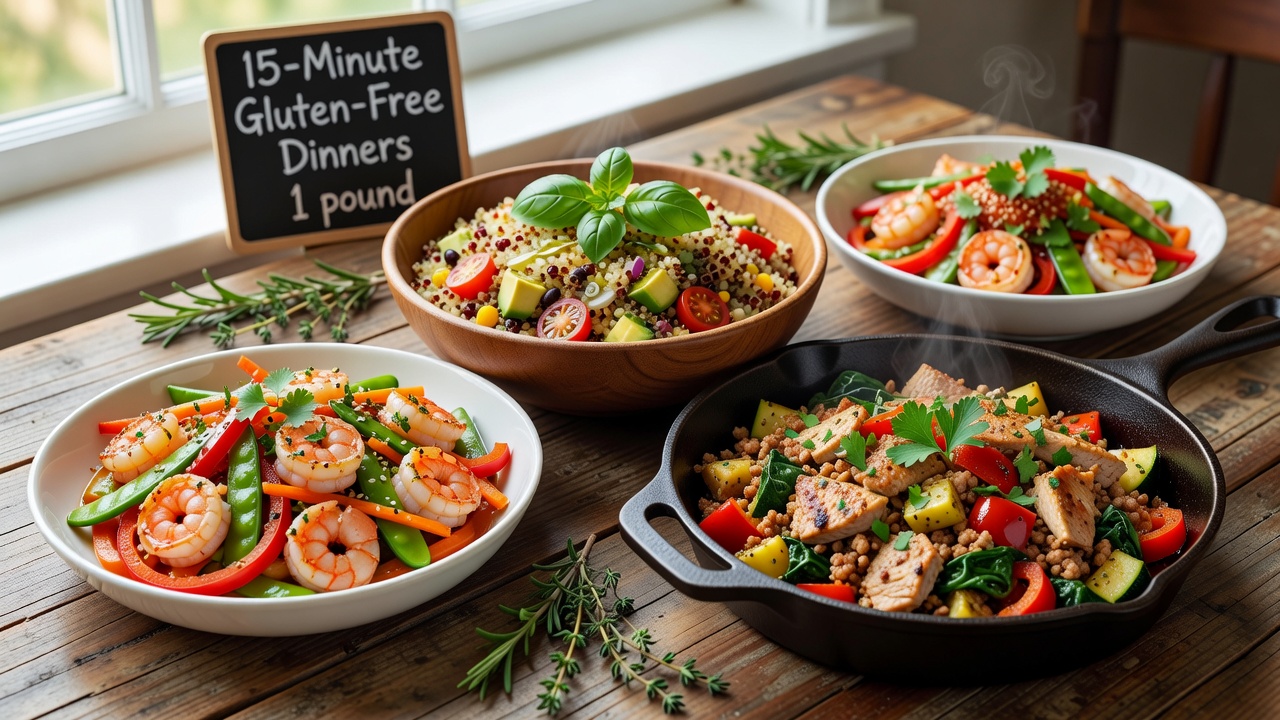
Busy lifestyles in 2026 demand efficient solutions for healthy eating, especially for those managing gluten sensitivities. Gluten-free 15-minute recipes deliver balanced nutrition without lengthy preparation, focusing on fresh proteins, vegetables, and certified gluten-free grains. These meals support energy levels, reduce inflammation risks, and accommodate celiac disease or wheat intolerance while keeping flavors vibrant. The key lies in streamlined techniques like one-pan cooking and pre-washed produce that minimize active time. Cross-contamination remains a priority; dedicated cutting boards, separate toasters, and label verification on all packaged goods prevent accidental exposure. Building a rotation around these recipes promotes consistency and variety, helping families maintain dietary goals amid hectic schedules. Research from health authorities emphasizes the importance of whole-food approaches in gluten-free diets to avoid nutrient gaps common in processed alternatives.
Time-saving starts with pantry organization. Stock items like quinoa, rice noodles, canned beans, olive oil, and frozen vegetables for instant access. This foundation allows assembly in under 15 minutes from fridge to table. Nutritional highlights often include high protein for satiety, fiber for digestion, and antioxidants from colorful produce. Each recipe below includes clear ingredients, numbered steps, practical substitutions, and health benefits to empower home cooks at any skill level.
8-10 Varied Gluten-Free 15-Minute Recipes with Detailed Guidance
1. Lemon Garlic Shrimp Stir-Fry
Ingredients for two servings: 1 pound peeled shrimp, 2 sliced zucchinis, 1 diced bell pepper, 3 minced garlic cloves, juice of one lemon, 2 tablespoons olive oil, and 1 tablespoon gluten-free tamari. Steps: Warm olive oil in a large skillet over medium-high heat, add garlic for 60 seconds until fragrant, incorporate shrimp and cook 3 minutes until pink, toss in vegetables for an additional 4 minutes, then drizzle lemon juice and tamari before serving. Prep tip: Keep frozen shrimp on hand for thawing in cold water during the 5-minute vegetable chop. Nutrition highlights: Approximately 25 grams protein per serving plus vitamin C from peppers supporting immunity. Substitution swaps: Replace shrimp with chicken strips or firm tofu for vegetarian versions. Time-saving hack: Use pre-minced garlic from a jar to shave seconds off prep.
2. Quinoa Avocado Salad Bowl
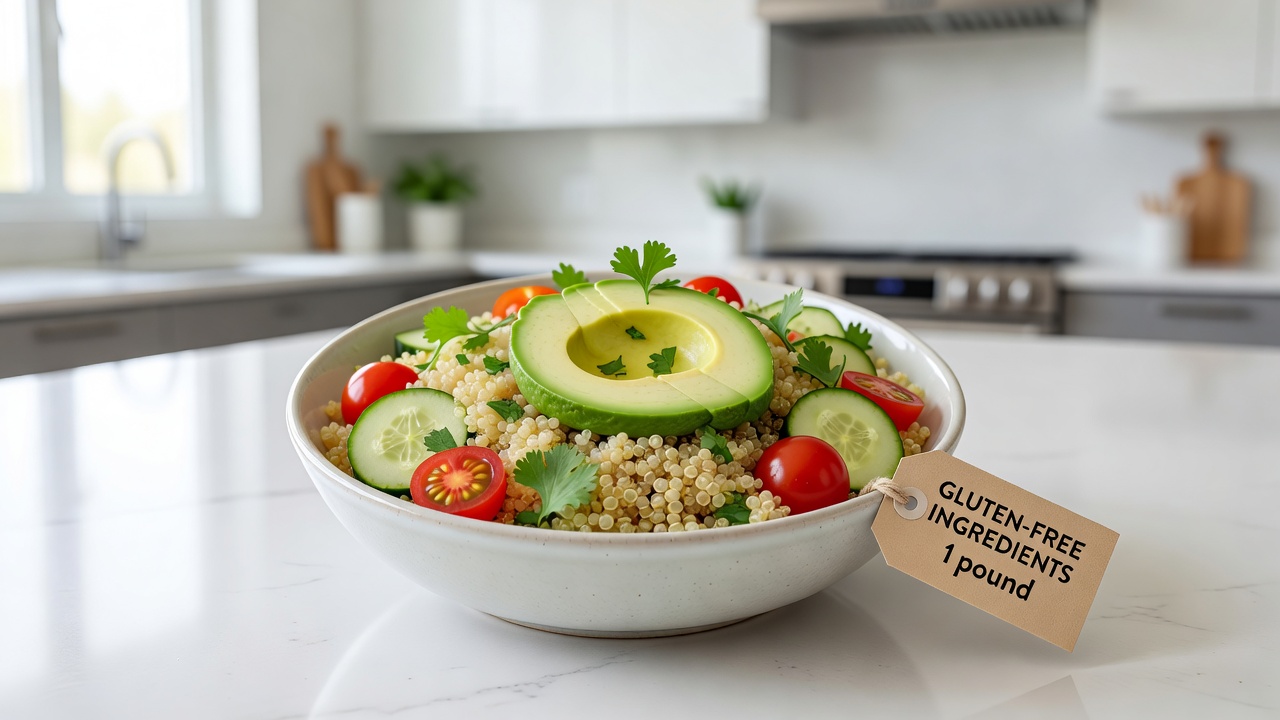
Ingredients: 2 cups pre-cooked quinoa, 1 sliced avocado, 1 cup halved cherry tomatoes, half a cucumber diced, 2 ounces crumbled feta or dairy-free alternative, 1 tablespoon olive oil, fresh herbs like basil or cilantro, and a squeeze of lime. Steps: Combine quinoa, vegetables, and cheese in a large bowl; whisk oil with lime and herbs for dressing; pour over and toss gently. This comes together in 8 minutes when using leftover or microwave quinoa pouches. Nutrition: Rich in heart-healthy monounsaturated fats from avocado and complete plant protein from quinoa. Swap ideas: Chickpeas or edamame replace feta for vegan needs, while adding grilled salmon boosts omega-3 intake. Practical tip: Batch-cook quinoa on weekends and refrigerate portions for rapid weeknight use.
3. Turkey Skillet with Spinach
Ingredients: 12 ounces ground turkey, 4 cups fresh spinach, 1 diced onion, 2 garlic cloves, 1 teaspoon smoked paprika, and 1 cup instant rice or cauliflower rice. Steps: Brown turkey in a nonstick skillet for 5 minutes, drain excess liquid, add onion and garlic for 2 minutes, stir in spinach until wilted, season with paprika, and serve over warmed rice. Nutrition profile features lean protein and iron from spinach. Swaps include ground chicken or plant-based crumbles. Hack: Microwave rice pouches eliminate stovetop wait time entirely.
4. Chickpea Curry Lettuce Wraps
Ingredients: One 15-ounce can chickpeas rinsed, 1/2 cup coconut milk, 1 tablespoon curry powder, 8 large lettuce leaves, diced tomatoes, and optional cilantro. Steps: Simmer chickpeas in spiced coconut milk for 8 minutes until thickened, spoon mixture into lettuce cups, and top with tomatoes. Ready in 12 minutes total. Nutrition benefits include fiber for gut health and plant protein. Swap coconut milk for Greek yogurt alternative if preferred. This recipe scales easily for meal prep containers.
5. Salmon with Asparagus
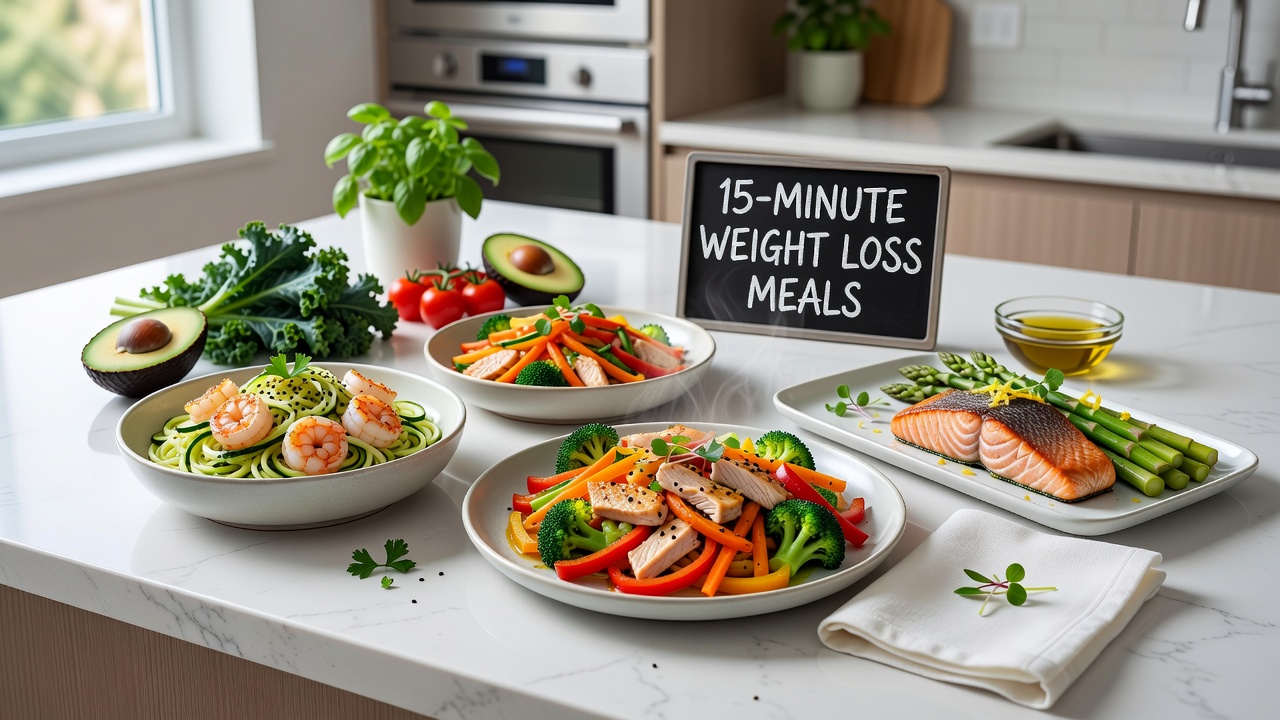
Ingredients: Two 6-ounce salmon fillets, 1 bunch asparagus trimmed, lemon slices, fresh dill, and olive oil. Steps: Heat oil in skillet, sear salmon 4 minutes per side, add asparagus spears alongside during the final 5 minutes, finish with lemon and dill. Nutrition: Omega-3 fatty acids support brain health alongside folate from asparagus. Swap: Use cod or shrimp if salmon unavailable. Time hack: Buy pre-trimmed asparagus bunches.
6. Tofu Vegetable Noodle Stir-Fry
Ingredients: 8 ounces rice noodles, 14 ounces firm tofu cubed, 2 cups broccoli florets, 1 cup shredded carrots, and gluten-free teriyaki sauce. Steps: Soak noodles in hot water 5 minutes, pan-fry tofu 4 minutes, add vegetables 3 minutes, combine with drained noodles and sauce for final 2 minutes. Nutrition emphasizes low-calorie density with high volume from veggies. Swaps: Zucchini noodles for rice noodles or tempeh for tofu.
7. Eggplant and Tomato Skillet
Ingredients: One medium eggplant cubed, 2 cups cherry tomatoes, fresh basil, 2 ounces mozzarella or vegan cheese, garlic, and olive oil. Steps: Sauté eggplant 6 minutes until golden, add garlic and tomatoes 4 minutes, sprinkle cheese to melt briefly. Nutrition provides antioxidants like lycopene. Swap basil for oregano and add olives for Mediterranean flair.
8. Black Bean and Corn Tacos
Ingredients: One can black beans, 1 cup corn kernels, gluten-free corn tortillas, avocado slices, lime wedges, and cumin. Steps: Warm beans with cumin and corn in skillet 6 minutes, heat tortillas 30 seconds each, assemble with avocado and lime. Nutrition: Fiber-rich and satisfying. Swaps: Pinto beans or ground turkey for added protein.
9. Grilled Chicken Caesar Salad
Ingredients: 8 ounces pre-cooked chicken strips, 4 cups romaine, gluten-free croutons, parmesan shavings, and certified gluten-free Caesar dressing. Steps: Warm chicken 3 minutes, toss greens with dressing, top with croutons and cheese. Nutrition balances protein with vitamins A and K. Swap: Use shrimp or chickpeas for variety.
10. Mushroom Risotto Quick Version
Ingredients: 1 cup arborio rice, 2 cups sliced mushrooms, 3 cups broth, parmesan, and thyme. Steps: Sauté mushrooms 4 minutes, add rice and broth, simmer stirring occasionally for 10 minutes until creamy. Nutrition offers selenium from mushrooms. Swap: Vegetable broth keeps it vegan.
Gluten-Free Versus Regular Recipe Comparisons
Gluten-free adaptations frequently substitute rice, quinoa, or almond flour for wheat-based components, resulting in similar calorie counts but often higher fiber content when vegetables dominate the plate. Regular wheat versions may thicken sauces faster yet introduce digestive discomfort for sensitive individuals. Taste remains comparable when herbs, acids like lemon, and quality oils enhance flavor profiles. In practice, gluten-free meals encourage greater vegetable inclusion, supporting broader wellness goals such as weight management and sustained energy.
Time-Saving Hacks and Common Mistakes to Avoid
Effective strategies include prepping proteins on weekends, investing in a quality nonstick skillet, and using frozen vegetable mixes that require no chopping. Avoid overcrowding the pan which extends cooking times, and always verify gluten-free certification on sauces and grains. Another pitfall is neglecting seasoning balance; taste and adjust midway to prevent bland results. These practices ensure consistent success across the recipe collection.
Addressing Common FAQs on Gluten-Free Cooking
- How to prevent cross-contamination at home? Designate separate appliances and wash surfaces thoroughly with hot soapy water between uses.
- What pantry staples form the base of fast meals? Certified gluten-free grains, canned legumes, fresh or frozen produce, and single-ingredient spices.
- Are these recipes beginner-friendly? Yes, each relies on basic techniques with built-in flexibility for substitutions.
- Can nutritional needs be met fully? Focus on diverse proteins and colorful vegetables; consult resources like the Academy of Nutrition and Dietetics for personalized guidance.
- How often should labels be checked? Every purchase, as formulations change; refer to FDA gluten-free labeling standards for current rules.
Quick Checklist for Building a Gluten-Free 15-Minute Meal Rotation
- Inventory and restock certified gluten-free staples every Sunday.
- Portion proteins and chop hardy vegetables in advance.
- Rotate four to five recipes weekly to maintain interest and nutrient variety.
- Review safety information from Celiac Disease Foundation regularly.
- Track personal preferences and adjust swaps accordingly for long-term adherence.
Implementing this checklist creates a sustainable system that supports health objectives throughout the year while delivering delicious results in minimal time.
No comments yet. Be the first!