 Func Eats
High-Protein 15-Minute Meals for Fitness Goals in 2026
Fitness enthusiasts in 2026 face packed schedules yet still need reliable ways to hit daily protein targets for muscle growth and weight management. Meals prepared in 15 minutes or less deliver convenience without compromising nutrition. This comprehensive guide explains how to select fast-cooking proteins, assemble dishes step by step, vary flavors with pantry spices, and use time-saving equipment. It also provides five complete recipe examples with macros, a protein-yield comparison, practical tips, and answers to common questions.
Protein supports muscle repair after workouts and promotes satiety that helps control calories. According to guidance from the Mayo Clinic, spreading protein intake across meals improves results when combined with resistance training. Busy professionals and parents benefit most from repeatable methods that require minimal cleanup.
Why Quick High-Protein Meals Matter in 2026 Lifestyles
Modern fitness routines often include early gym sessions, long workdays, and family obligations. Traditional meal prep can take hours on weekends, but 15-minute options fit between meetings or after evening training. These meals also align with 2026 trends toward sustainable eating that reduces food waste through efficient portioning. Choosing ingredients that cook fast lowers stress and increases consistency, two factors that determine long-term adherence to fitness goals.
Selecting Fast-Cooking Proteins
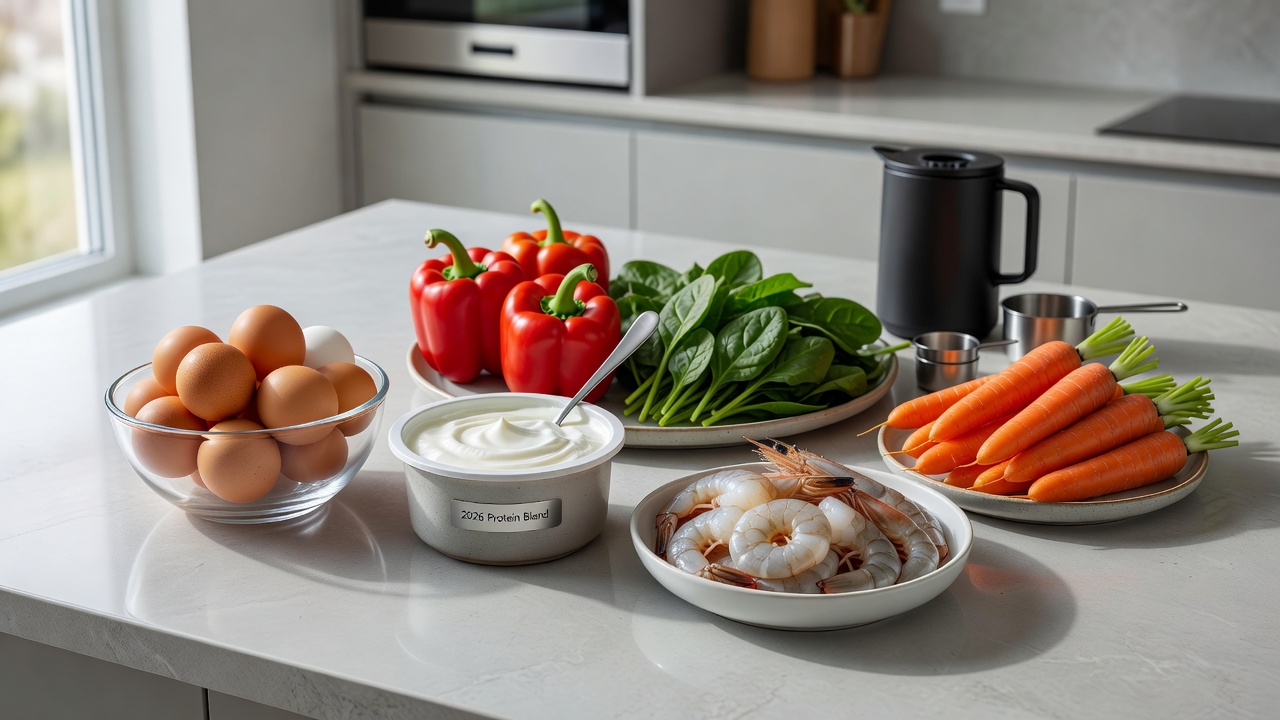
Eggs, Greek yogurt, canned tuna, pre-cooked shrimp, and cottage cheese form the foundation. Liquid egg whites cook in four to six minutes and supply lean protein. Plain nonfat Greek yogurt offers 15–20 grams of protein per 200-gram serving with zero preparation. Canned tuna in water drains in seconds and mixes instantly. Pre-cooked frozen shrimp thaws under warm water in under two minutes. Cottage cheese blends smoothly into pancakes or bowls. Each choice minimizes active cooking time while delivering 30-plus grams of protein per serving.
Step-by-Step Assembly Techniques
Begin by gathering all ingredients on the counter before starting the clock. Measure protein sources first, then add vegetables or fruit for volume and micronutrients. Use one bowl or pan to reduce dishes. Season at the end to preserve freshness. For cold meals, layer yogurt or cottage cheese at the bottom, add toppings, and finish with spices. For hot meals, preheat the pan or microwave while chopping. These techniques shave minutes off total time and prevent overcooking delicate proteins.
Time-Saving Equipment Tips
A nonstick skillet, microwave, and high-speed blender handle 90 percent of tasks. Keep frozen vegetables and microwaveable brown rice stocked for instant sides. An air fryer reheats proteins evenly in four minutes. Pre-portion spices in small jars labeled by recipe type. A digital scale with tare function speeds macro tracking. These tools reduce active time and improve consistency across multiple days.
Five Concrete Recipe Examples with Macros
Each recipe serves one adult and stays under 15 minutes. Macros reflect standard USDA database values and are rounded for practicality.
1. Greek Yogurt Power Bowl
Place 200 g plain nonfat Greek yogurt in a bowl. Stir in 30 g unflavored whey protein powder until smooth. Top with 100 g mixed berries and 10 g chia seeds. Finish with a pinch of cinnamon. Total time: 3 minutes. Macros: 42 g protein, 28 g carbs, 8 g fat, 380 calories.
2. Egg White Veggie Scramble
Heat a nonstick skillet over medium heat. Whisk 200 g liquid egg whites with 50 g spinach and 50 g diced tomatoes. Pour into the pan and stir gently for 5 minutes until set. Crumble 20 g feta on top and season with black pepper. Total time: 8 minutes. Macros: 32 g protein, 6 g carbs, 9 g fat, 220 calories.
3. Tuna Avocado Wrap
Drain one 120 g can of tuna in water. Mix with 50 g plain Greek yogurt, 5 g Dijon mustard, and dried dill. Spread onto a low-carb whole-wheat tortilla. Add 50 g sliced avocado and roll tightly. Total time: 5 minutes. Macros: 38 g protein, 22 g carbs, 14 g fat, 370 calories.
4. Shrimp Stir-Fry
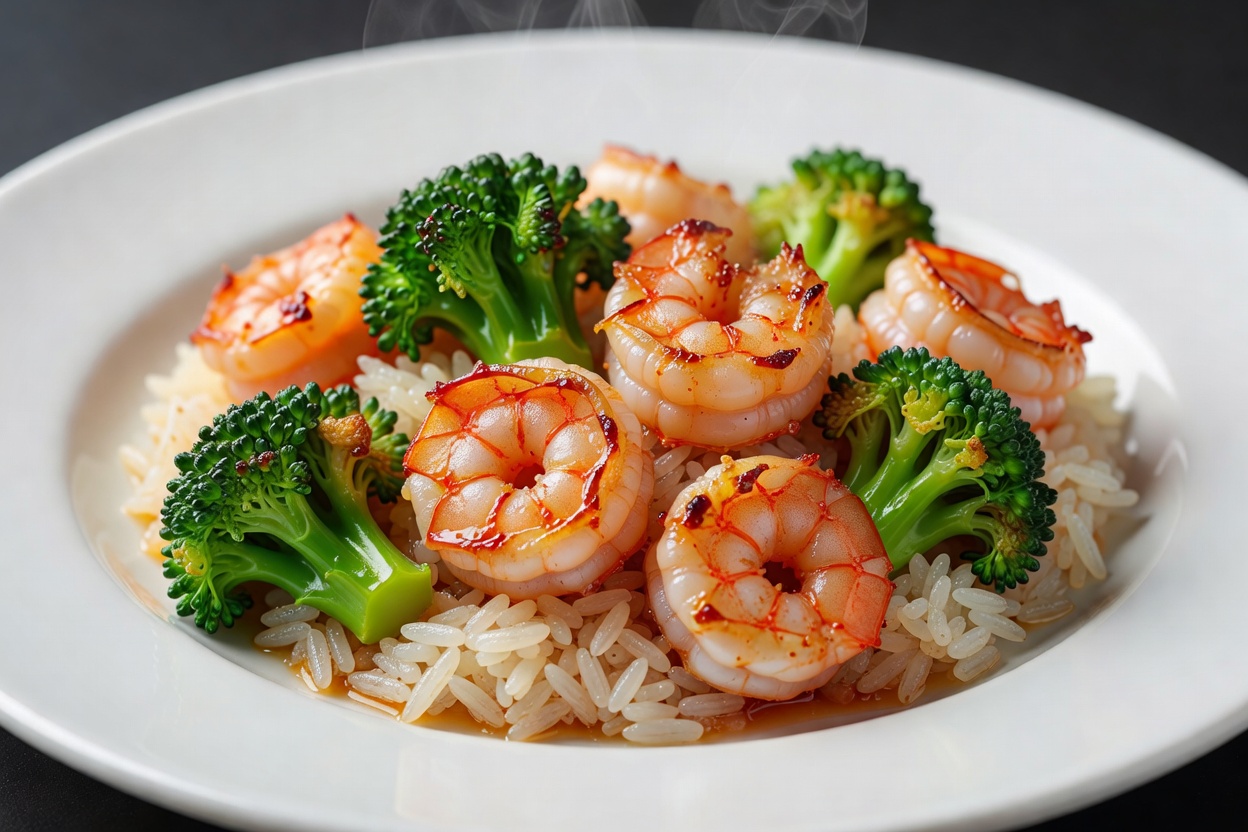
Heat 5 ml olive oil in a skillet. Add 150 g pre-cooked shrimp and 150 g frozen broccoli florets. Stir for 4 minutes. Season with 10 ml low-sodium soy sauce, garlic powder, and fresh ginger. Serve over 100 g microwave brown rice. Total time: 10 minutes. Macros: 35 g protein, 25 g carbs, 5 g fat, 290 calories.
5. Cottage Cheese Protein Pancakes
Blend 150 g low-fat cottage cheese, one large egg, and 40 g rolled oats until smooth. Cook ¼-cup portions on a hot nonstick skillet for 4 minutes per side. Top with sugar-free syrup if desired. Total time: 12 minutes. Macros: 34 g protein, 30 g carbs, 7 g fat, 310 calories.
Protein Yield Versus Prep Time Comparison
The following list ranks the recipes by protein per minute of effort:
- Greek Yogurt Power Bowl – 42 g protein in 3 minutes (14 g per minute)
- Tuna Avocado Wrap – 38 g protein in 5 minutes (7.6 g per minute)
- Shrimp Stir-Fry – 35 g protein in 10 minutes (3.5 g per minute)
- Cottage Cheese Protein Pancakes – 34 g protein in 12 minutes (2.8 g per minute)
- Egg White Veggie Scramble – 32 g protein in 8 minutes (4 g per minute)
These numbers show that cold-assembly meals often deliver the highest protein density per minute. Hot meals add flavor variety and volume while still fitting the 15-minute window.
Flavor Variations Using Pantry Spices
Keep a rotation of cumin, smoked paprika, chili flakes, Italian herb blend, curry powder, and everything bagel seasoning. Swap cinnamon for cardamom in yogurt bowls. Add smoked paprika and garlic powder to egg scrambles for a savory breakfast-for-dinner option. Curry powder transforms the shrimp stir-fry into an Indian-inspired dish. Experiment weekly to prevent flavor fatigue while maintaining the same base ingredients and macros.
Common Mistakes to Avoid
Overcooking eggs or shrimp makes them rubbery. Always remove from heat once protein reaches safe internal temperature. Using full-fat dairy when aiming for lower calories inflates fat macros unexpectedly. Skipping the scale and eyeballing portions leads to inconsistent results. Storing assembled meals longer than three days reduces quality and safety. Planning only one flavor profile causes boredom and eventual dropout. Avoiding these pitfalls keeps results predictable.
Portion Sizing, Storage, and Additional FAQ
How do I determine portion sizes?
Target 30–40 g protein per meal for most adults. Adjust upward for larger body weights or higher training volume. Track intake for one week using a reliable app to fine-tune.
Can these meals be stored?
Hot meals keep 2–3 days in airtight containers in the refrigerator. Reheat gently to avoid texture changes. Yogurt and cottage cheese dishes taste best fresh but can be pre-mixed for two days.
Are these suitable for weight loss?
High protein increases fullness and preserves lean mass during calorie deficits. Combine with overall energy control for sustainable fat loss.
What if I have dietary restrictions?
Substitute plant-based yogurts, silken tofu, or tempeh for dairy and eggs. All recipes adapt without adding significant time.
How can I increase protein further?
Add an extra scoop of protein powder to cold bowls or increase egg-white volume in scrambles. Monitor total daily intake to stay within personal targets.
Is meal prep still necessary?
Weekly batch cooking of staples like hard-boiled eggs or cooked grains reduces daily decisions, but these 15-minute recipes work well without extensive prep.
Conclusion
These practical methods integrate seamlessly into 2026 routines. Consistent use supports muscle-building and weight-management goals while respecting limited time. Start with the highest-protein-density options, rotate flavors, and track results to refine your personal system. The combination of speed, nutrition, and repeatability makes these meals a sustainable foundation for long-term fitness success.
No comments yet. Be the first!