 Func Eats
Introduction to Zero-Waste Cooking in 2026
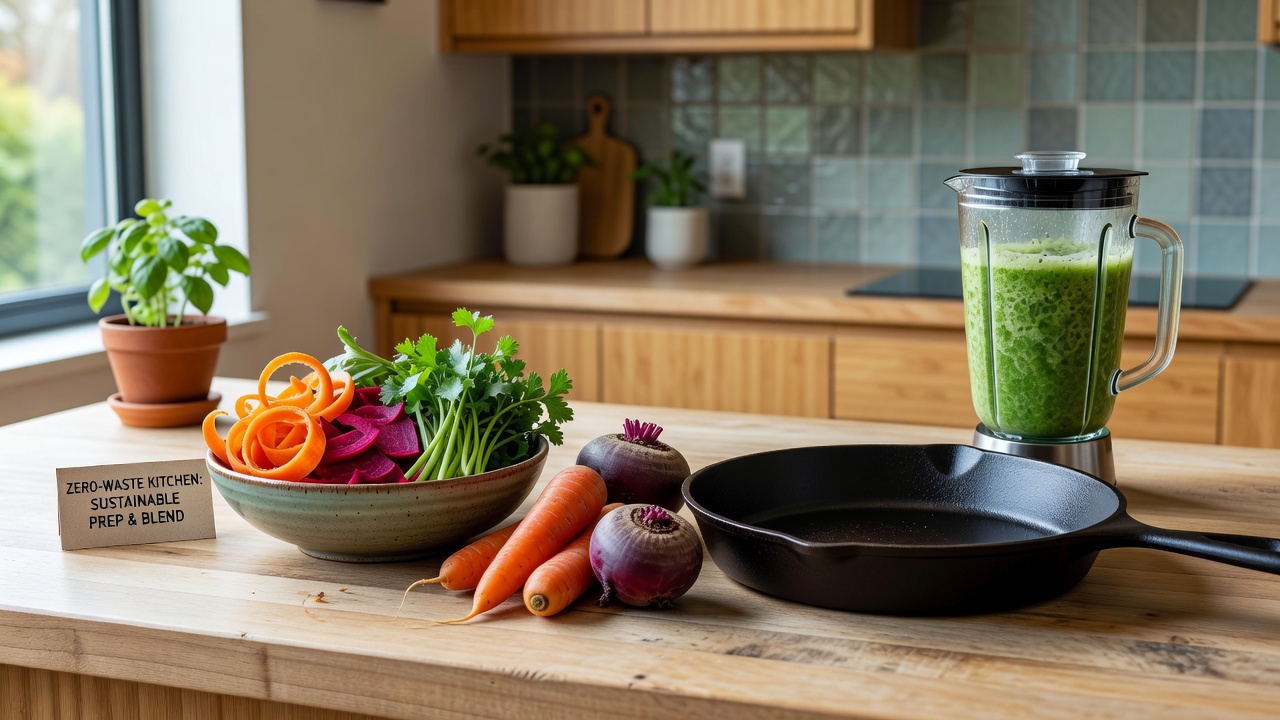
Eco-conscious home cooks are increasingly turning to zero-waste 15-minute recipes to create quick healthy meals while cutting down on food waste. In 2026, sustainability trends emphasize minimizing scraps like vegetable peels and herb stems, which often end up in landfills contributing to methane emissions and wasted resources. This approach not only supports environmental goals but also delivers flavorful, nutrient-packed dinners in under 15 minutes. By rethinking common kitchen byproducts, you can reduce household waste significantly and enjoy meals that align with modern sustainable living practices without compromising on taste or nutrition.
Food waste remains a global challenge, with organizations like the Food and Agriculture Organization highlighting its impact on resources and climate. Adopting zero-waste methods in quick recipes helps address this at home through simple, repeatable techniques that fit busy lifestyles. These recipes prioritize whole-ingredient use, helping families save money on groceries while promoting better health through increased fiber and micronutrient intake from parts of produce traditionally discarded.
Practical Techniques for Transforming Scraps
Start by collecting scraps during meal prep. Vegetable peels from carrots, potatoes, and beets can be rinsed and stored in the fridge for up to two days in airtight containers. Herb stems from parsley, cilantro, and basil add intense flavor when blended into sauces or broths, providing essential oils and antioxidants. Onion skins and garlic ends contribute depth to stocks without extra ingredients, creating umami-rich bases for soups and stir-fries. These methods require no special equipment beyond a blender or skillet, keeping everything within the 15-minute window.
Key tips include washing produce thoroughly before peeling and using organic items when possible to avoid pesticide residues. Batch-prep scraps on weekends to streamline weeknight cooking. This saves time and ensures you always have flavor boosters ready. Experiment with freezing certain peels like citrus rinds for longer storage, though most vegetable scraps work best fresh. Always inspect for spoilage and combine complementary flavors, such as pairing sweet beet peels with tangy herb stems, to balance dishes naturally.
Five Original 15-Minute Zero-Waste Recipes
Here are five original recipes designed specifically for minimal waste and maximum speed. Each uses common scraps and delivers balanced nutrition with clear step-by-step instructions suitable for beginners and experienced cooks alike.
1. Carrot Peel and Herb Stem Pesto Pasta
Ingredients: 2 cups carrot peels, 1 cup mixed herb stems, 1/4 cup olive oil, garlic clove, lemon juice, salt, 8 oz pasta. Steps: Boil pasta for 8 minutes while blending peels, stems, oil, garlic, and lemon in a food processor until smooth. Toss with drained pasta and season to taste. Total time: 12 minutes. Serves 2. This recipe maximizes beta-carotene from peels and essential oils from stems for a vibrant, antioxidant-rich meal.
2. Beet Peel Stir-Fry with Onion Skins
Ingredients: 1.5 cups beet peels, thinly sliced onion skins, bell pepper scraps, soy sauce, ginger, 1 tbsp oil. Steps: Heat oil in skillet, add all scraps and stir-fry 5 minutes, then season and serve over rice or quinoa. Time: 10 minutes. The earthy sweetness of beet peels pairs perfectly with the mild bite of onion skins for a satisfying plant-based dish.
3. Potato Peel Chips with Garlic Ends
Ingredients: 3 cups potato peels, garlic ends, olive oil spray, paprika. Steps: Toss peels with oil and seasonings then air-fry or pan-cook 8 minutes until crisp. Perfect as a side or snack with added fiber from the peels.
4. Herb Stem Broth-Based Soup
Ingredients: 2 cups herb stems, vegetable scraps, 2 cups water, miso paste. Steps: Simmer scraps in water 7 minutes, strain, stir in miso, and add any leftover grains. Ready in 12 minutes. This light yet nourishing soup reuses aromatic compounds from stems for deep flavor.
5. Mixed Peel Frittata
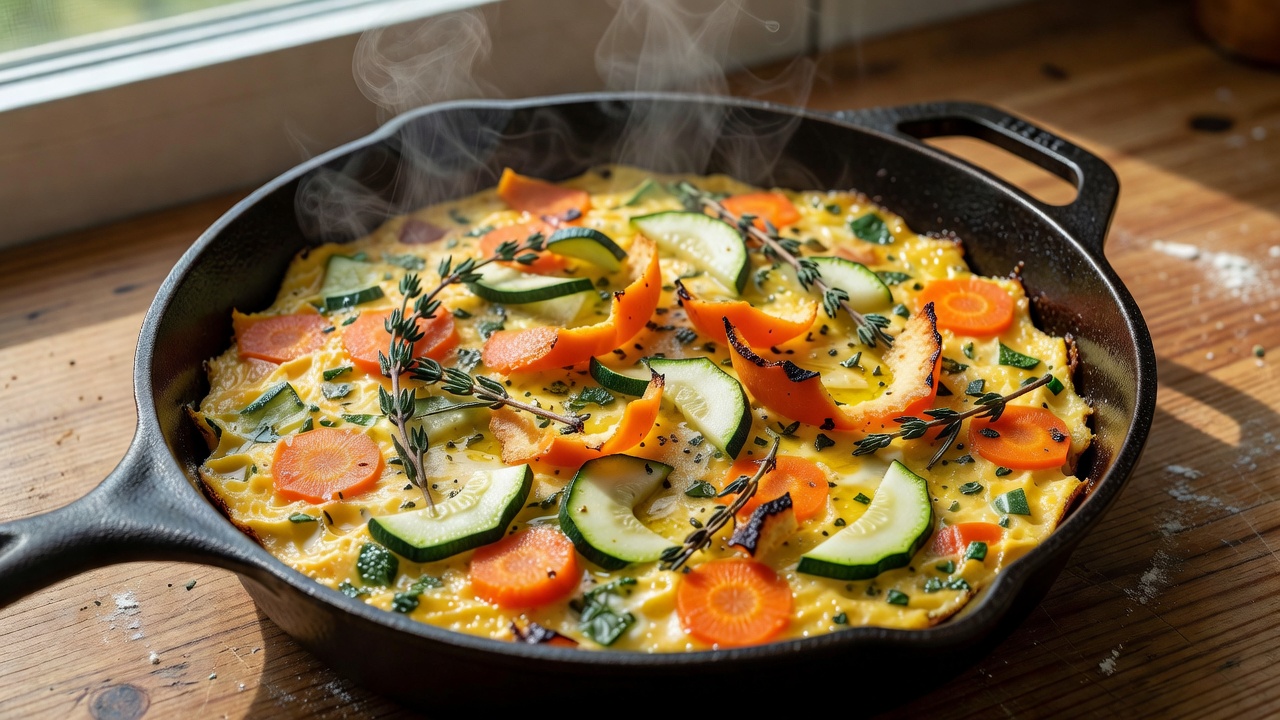
Ingredients: 2 cups mixed peels (carrot, zucchini), herb stems, 3 eggs, cheese. Steps: Sauté scraps 4 minutes, pour beaten eggs over top, cook 6 minutes, flip and finish 3 minutes. A versatile protein-packed option that turns odds and ends into an elegant breakfast or dinner.
Side-by-Side Waste Reduction Comparisons
Traditional recipes often discard 30-50% of produce weight as peels and stems. Zero-waste versions recover nearly all of that material. For example, a standard carrot soup might waste 200g of peels per batch, while the zero-waste pesto version uses them fully, reducing landfill contribution by that amount per meal. Across five recipes weekly, this can cut household food waste by up to 40% compared to conventional methods, based on general EPA waste reduction insights from environmental protection resources. Another comparison involves herb stems: typical pesto recipes use only leaves, wasting 25% of the bunch, whereas these methods incorporate stems for equivalent flavor with zero loss. Stir-fry dishes show similar gains, where bell pepper cores and onion skins add texture and volume instead of being composted immediately.
Time-Saving Prep Tips
- Store clean scraps in labeled containers for quick access and rotate stock to use oldest first.
- Pre-chop larger pieces on prep day to shave minutes off cooking and reduce daily knife work.
- Use one-pan methods to minimize cleanup and time while retaining maximum nutrients.
- Keep a running list of scraps in your fridge to plan recipes efficiently and avoid last-minute shopping.
- Invest in a good vegetable brush to clean peels thoroughly in seconds, speeding up the entire process.
Common Mistakes to Avoid in Zero-Waste Cooking
Many beginners over-season to compensate for perceived blandness, but fresh scraps already carry strong natural flavors. Another pitfall is using spoiled scraps, which can ruin entire dishes and pose health risks. Always start with small batches when experimenting with new combinations to refine taste profiles before scaling up.
2026 Sustainability Trends in Home Cooking
Current movements highlight regenerative kitchen practices, including zero-waste techniques that support broader climate goals. Home cooks are embracing these quick methods to align personal habits with global efforts documented by leading environmental bodies.
FAQ: Addressing Flavor and Nutrition Concerns
Will scrap-based meals taste bland? No—peels and stems concentrate flavors. Proper seasoning with oil, acid, and spices enhances taste dramatically while highlighting natural sweetness.
Are they still nutritious? Yes, many peels contain higher fiber and antioxidants than the flesh itself, boosting overall meal value and supporting digestive health.
How do I ensure food safety? Always wash produce and use scraps within 48 hours. Avoid moldy items and maintain proper refrigeration.
Can these recipes accommodate dietary restrictions? Absolutely, most adapt easily to vegan, gluten-free, or low-sodium needs by swapping ingredients like pasta or soy sauce.
Do they require expensive tools? No, basic kitchen equipment suffices, making the approach accessible for all households.
Conclusion
Zero-waste 15-minute recipes empower sustainable cooking without sacrificing speed or health. By mastering scrap transformation techniques and trying these five recipes, home cooks can align with 2026 sustainability trends while enjoying delicious meals. Start small, track your waste reduction, and enjoy the creative freedom these methods provide for long-term positive impact.
No comments yet. Be the first!