 Func Eats
Why Air Fryer Recipes Excel for Post-Workout Recovery
After intense training sessions, your body demands balanced meals featuring lean proteins to repair muscle tissue, complex carbohydrates to restore glycogen levels, and anti-inflammatory ingredients such as turmeric, ginger, fatty fish, and leafy greens to ease soreness and support overall wellness. Air fryer recipes deliver these nutrients efficiently with minimal added oil, creating satisfying crispy textures while preserving vitamins and minerals that support active lifestyles. Fitness enthusiasts appreciate how quickly these meals come together, often in under 20 minutes, allowing recovery nutrition to begin promptly after exercise when absorption is most effective.
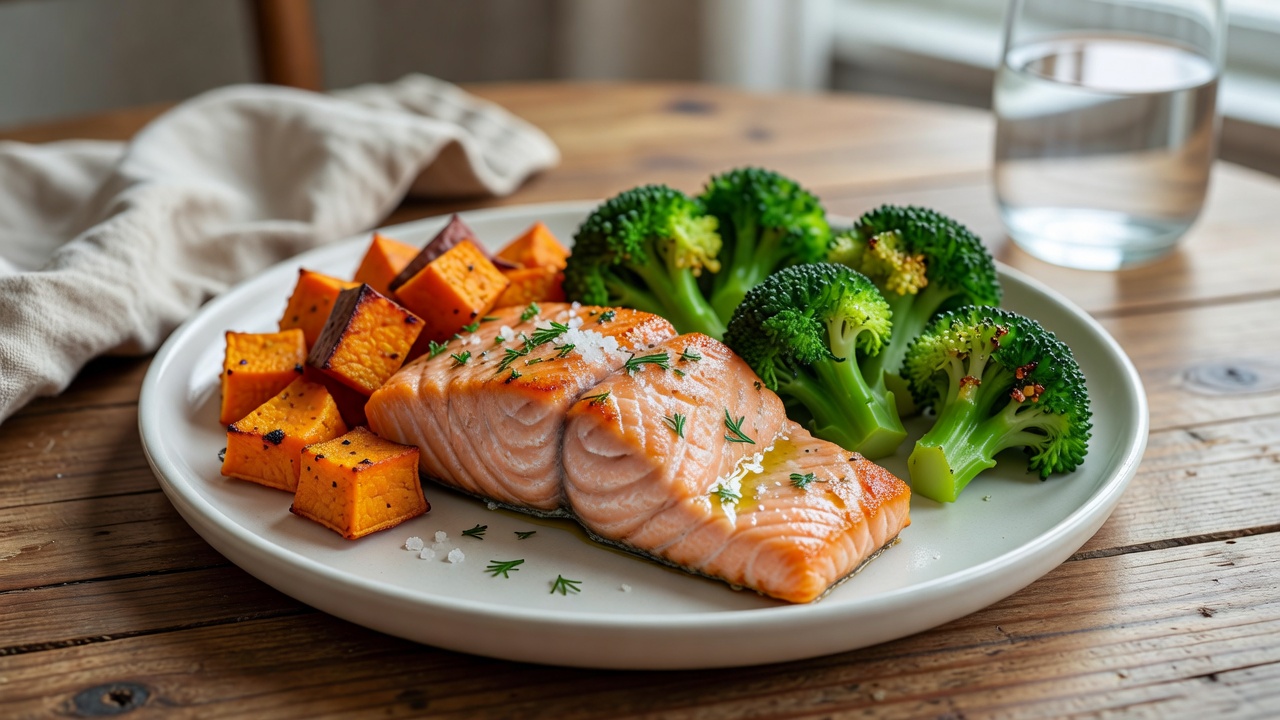
These dinners focus on whole foods like salmon paired with sweet potatoes, turkey quinoa bowls, and herb-crusted chicken with roasted vegetables. By emphasizing nutrient density, they help reduce inflammation markers and promote faster return to training. The air fryer method also uses less energy than conventional ovens, making it a practical choice for daily use in 2026 fitness routines.
Air Fryer vs Oven Baking: Nutrient Retention and Efficiency
Air fryers use rapid hot air circulation to cook food 20 to 40 percent faster than traditional ovens, which helps retain higher levels of water-soluble vitamins including B-complex and vitamin C. According to guidance from Mayo Clinic, shorter cooking durations limit nutrient degradation in proteins and produce. Ovens typically require longer preheating and exposure times that can dry out lean proteins and diminish moisture essential for juicy recovery meals. Air fryers achieve even browning with just a light spray of oil, preserving omega-3 fatty acids in fish and antioxidants in vegetables better than prolonged oven baking.
Practical tests show air-fried salmon at 380°F for 10-12 minutes retains more healthy fats compared to oven baking at 400°F for 20 minutes. Vegetables like broccoli and asparagus stay vibrant and crisp-tender, delivering fiber that aids digestion and sustained energy. For athletes tracking macros, this efficiency means consistent results without sacrificing flavor or nutrition, unlike oven methods that may require extra oil to prevent sticking.
9 Air Fryer Recovery Dinner Recipes with Step-by-Step Instructions
Each recipe below includes timing, nutrition estimates, and recovery benefits. Cook times assume a standard 4-6 quart air fryer; shake baskets halfway through for even results.
1. Air Fryer Salmon with Sweet Potatoes and Broccoli
Season a 6-ounce salmon fillet with turmeric, minced garlic, lemon zest, and black pepper. Place in the air fryer basket at 380°F for 10 minutes until internal temperature reaches 145°F. Meanwhile, cube two medium sweet potatoes, lightly spray with oil, and air fry at 400°F for 15 minutes. Steam fresh broccoli florets for 4 minutes on the stovetop. This meal supplies approximately 35 grams of protein, 45 grams of complex carbs, and potent omega-3s that combat exercise-induced inflammation.
2. Turkey Quinoa Bowls with Roasted Vegetables
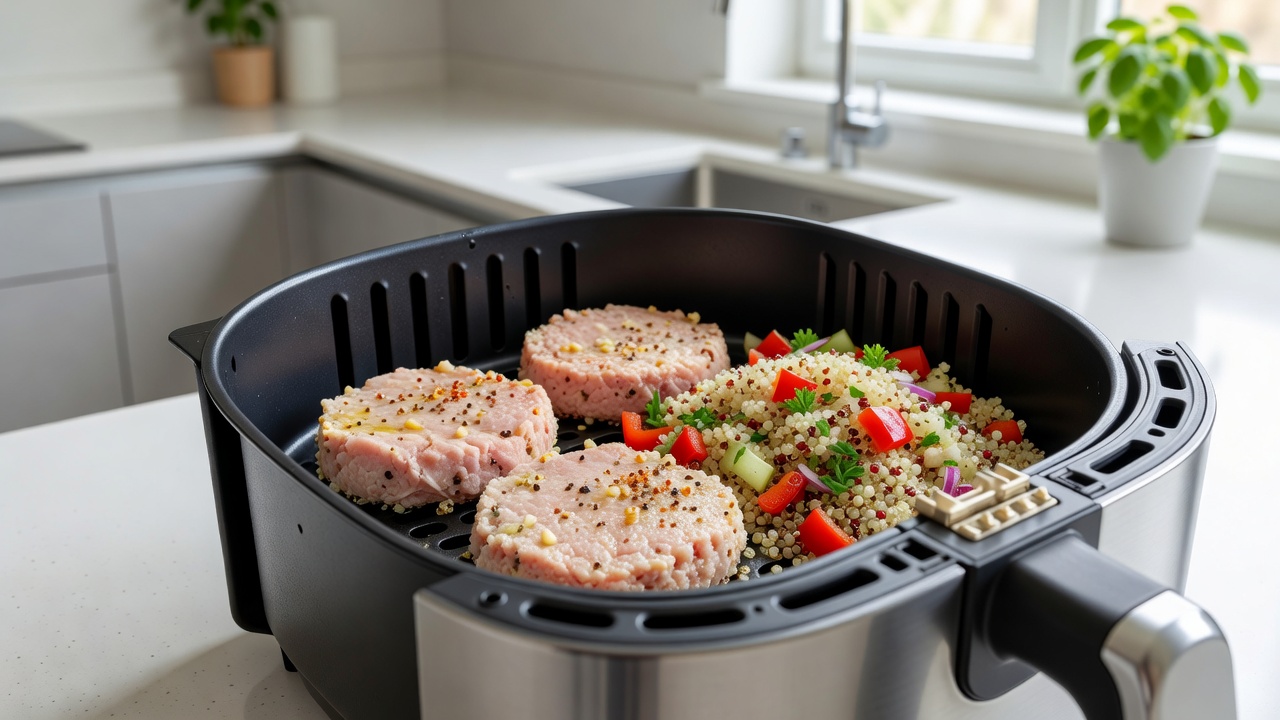
Mix 8 ounces ground turkey with fresh herbs and form into patties. Air fry at 375°F for 12 minutes, flipping once. Prepare 1 cup cooked quinoa and air fry cherry tomatoes with spinach for 6 minutes. Combine everything in a bowl. The dish delivers 30 grams of protein and 50 grams of carbs ideal for glycogen replenishment after endurance sessions.
3. Herb-Crusted Chicken Breast with Asparagus and Brown Rice
Marinate 6 ounces chicken breast in olive oil, rosemary, and garlic for 15 minutes. Air fry at 380°F for 14 minutes. Add asparagus spears to the basket for the final 6 minutes. Serve over ¾ cup pre-cooked brown rice. Asparagus contributes natural anti-inflammatory compounds while the lean protein supports muscle synthesis.
4. Crispy Tofu and Edamame Veggie Bowl
Press and cube firm tofu, season with paprika and soy sauce alternative. Air fry at 400°F for 15 minutes until golden. Add mixed bell peppers and ½ cup shelled edamame for the last 8 minutes. This plant-based option provides 25 grams of protein and supports vegan recovery goals with fiber-rich vegetables.
5. Lean Beef and Zucchini Noodle Stir
Slice 5 ounces lean beef sirloin thin, season with ginger and garlic. Air fry 8 minutes. Spiralize zucchini and air fry 5 minutes until tender. The iron content aids oxygen delivery to muscles during recovery periods.
6. Cod Fillet with Roasted Root Vegetables
Season 6-ounce cod with dill and lemon. Air fry at 375°F for 11 minutes alongside cubed carrots and parsnips. This combination offers lean protein plus slow-digesting carbs and antioxidants for joint health.
7. Garlic Shrimp Quinoa Power Bowl
Toss 8 ounces shrimp with minced garlic and chili flakes. Air fry at 380°F for 6 minutes. Mix with 1 cup quinoa and sautéed kale. Total prep fits within 15 minutes for busy evenings.
8. Chicken Thigh Lettuce Wraps and Sweet Potato Fries
Air fry 6 ounces boneless chicken thighs at 375°F for 13 minutes. Separately air fry sweet potato wedges at 400°F for 12 minutes. Wrap in lettuce leaves with fresh herbs for a low-carb yet satisfying recovery meal.
9. Turkey Meatballs with Cauliflower Rice and Green Beans
Form turkey meatballs with oats and spices. Air fry at 380°F for 14 minutes. Air fry green beans 7 minutes and serve over cauliflower rice mixed with herbs. Provides balanced macros with added micronutrients from cruciferous vegetables.
Practical Timing, Portioning, and Meal Prep Strategies
Consume these meals within 30 to 60 minutes after training to maximize muscle protein synthesis. Portion sizes should include 20-30 grams of protein and 40-60 grams of carbohydrates adjusted for body weight and workout intensity. Use a digital kitchen scale for accuracy. Batch prep proteins and vegetables on weekends, storing components separately in airtight containers for up to three days. Reheat in the air fryer at 350°F for 3-4 minutes to restore crispiness without drying.
Common Mistakes to Avoid with Air Fryer Recovery Meals
- Overcrowding the basket, which prevents even cooking and crisp texture.
- Skipping preheating, leading to longer cook times and potential nutrient loss.
- Using too much oil, which adds unnecessary calories instead of relying on the air fryer’s hot air circulation.
- Ignoring internal temperatures, risking undercooked proteins that compromise safety and recovery.
FAQ on Portioning, Timing, and Customization
- How soon after a workout should recovery dinners be eaten? Ideally within one hour to optimize nutrient uptake.
- Can these recipes be scaled for meal prep? Yes, most hold well refrigerated for three days when stored properly.
- What substitutions work for dietary restrictions? Replace proteins with alternatives like lentils or tempeh while maintaining air fryer settings.
- How do I adjust for different air fryer models? Reduce temperature by 10-15°F for newer high-efficiency units and check food at minimum times.
- Are these meals suitable for weight management? Focus on vegetable volume and lean cuts to keep calories controlled while meeting recovery needs.
Additional guidance from World Health Organization emphasizes balanced macronutrients for active adults. For more on evidence-based nutrition, consult resources from USDA dietary guidelines.
Conclusion
Integrating these air fryer recipes into your weekly routine provides efficient, nutrient-dense dinners that accelerate muscle recovery and support consistent training. Experiment with herbs and seasonal produce to maintain variety while aligning with your 2026 fitness and nutrition objectives.
No comments yet. Be the first!