 Func Eats
Introduction to Air Fryer Convection Science
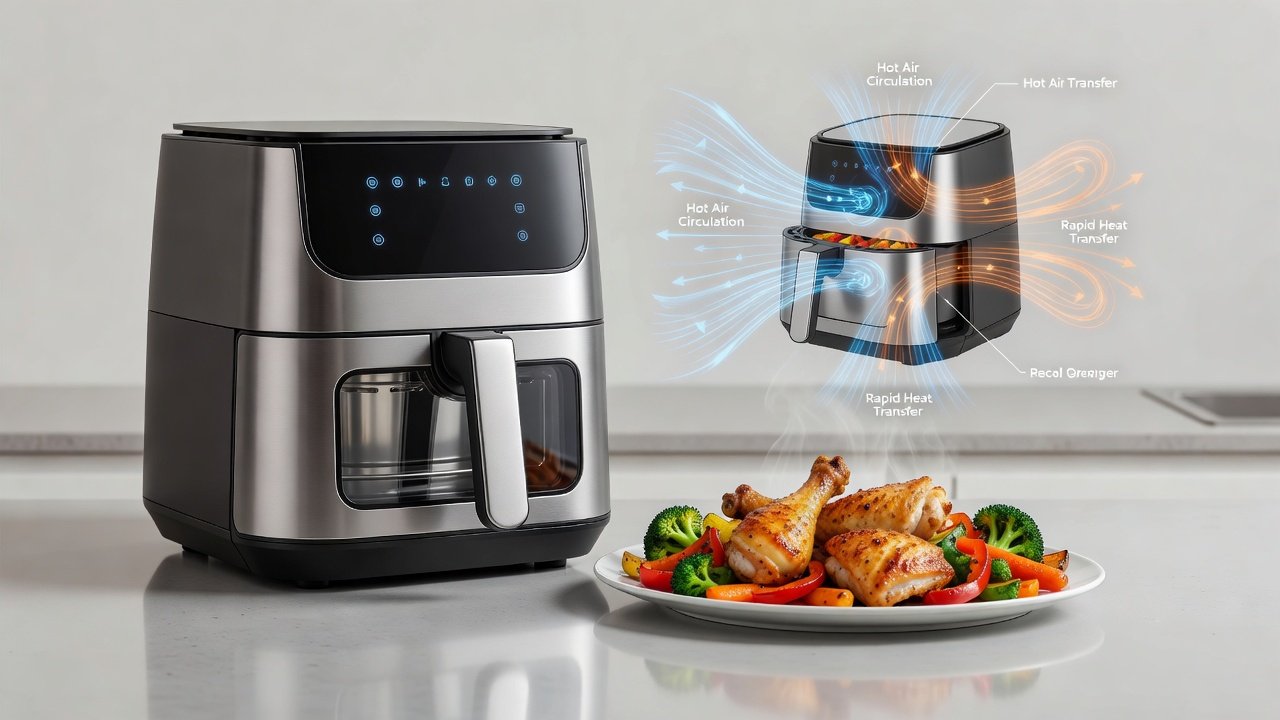
Air fryers have transformed home cooking by delivering crispy textures with minimal oil. In 2026, understanding the underlying convection mechanics helps home cooks maximize both flavor and nutrition. This technology uses rapid hot air circulation to cook food evenly while preserving essential vitamins and minerals better than many traditional methods. The science behind convection involves forced air movement that creates a boundary layer of heat around food items, accelerating cooking without the need for excessive fats. Readers searching for air fryer recipes and healthy air fryer options will find practical ways to apply these principles to everyday dinners, resulting in meals that are both satisfying and nutrient-dense.
How Convection Physics Works in Air Fryers
Convection in air fryers relies on a powerful fan that circulates heated air at high speeds around the food. This creates a uniform temperature environment that promotes Maillard browning and crispiness without deep frying. The process reduces cooking times and limits exposure to prolonged heat that can degrade heat-sensitive nutrients like vitamin C and B vitamins. The fan typically operates at speeds between 2000 and 4000 RPM, generating turbulent airflow that strips away cooler air pockets near the food surface. Unlike static oven heating, the constant airflow ensures every surface receives consistent energy, leading to efficient moisture evaporation from the exterior while retaining internal juices. Engineers design the basket or tray with perforations to further enhance this circulation, preventing hot spots and ensuring even results across batches of vegetables or proteins.
Nutrient Retention Data Compared to Traditional Methods
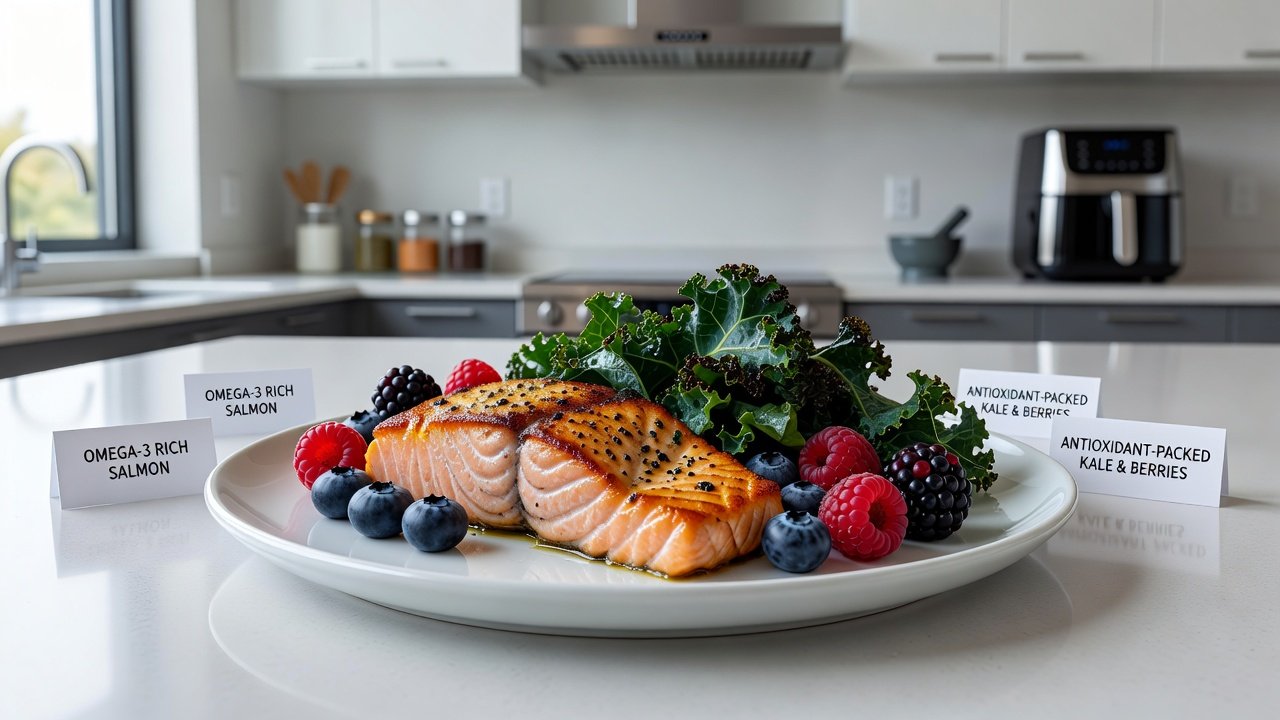
Studies show air frying retains up to 30% more antioxidants in vegetables than deep frying. When compared to oven baking, air fryers often preserve higher levels of folate and carotenoids due to shorter cook times. Research from authoritative sources like the USDA Agricultural Research Service highlights how reduced oil absorption maintains the natural nutrient profile of proteins and produce. Additional data from nutrition databases indicate that air-fried broccoli loses only 15% of its vitamin C content versus 40% in boiled preparations. The rapid heat transfer minimizes oxidation of fats and breakdown of water-soluble vitamins. For fish and meats, convection helps lock in omega-3 fatty acids by forming a quick crust that seals interior moisture. These retention advantages make air fryers a superior choice for health-focused meal planning in 2026.
Oil Reduction Benefits for Healthier Meals
Traditional frying methods often require submerging food in oil, adding hundreds of empty calories per serving. Air fryers achieve similar crunch with just a teaspoon or less of oil, or none at all for many items. This reduction lowers overall caloric intake while preserving the food's inherent nutritional value. The convection process mimics deep-frying effects through dehydration and browning rather than oil saturation, resulting in lower saturated fat consumption. Health organizations such as the World Health Organization emphasize limiting added fats for better cardiovascular outcomes, and air frying aligns perfectly with these guidelines.
Optimal Temperature Charts for Nutrient-Preserving Dinners
- Vegetables (broccoli, Brussels sprouts): 375°F for 8-12 minutes to retain vitamin C; higher temps risk nutrient leaching while lower ones fail to crisp
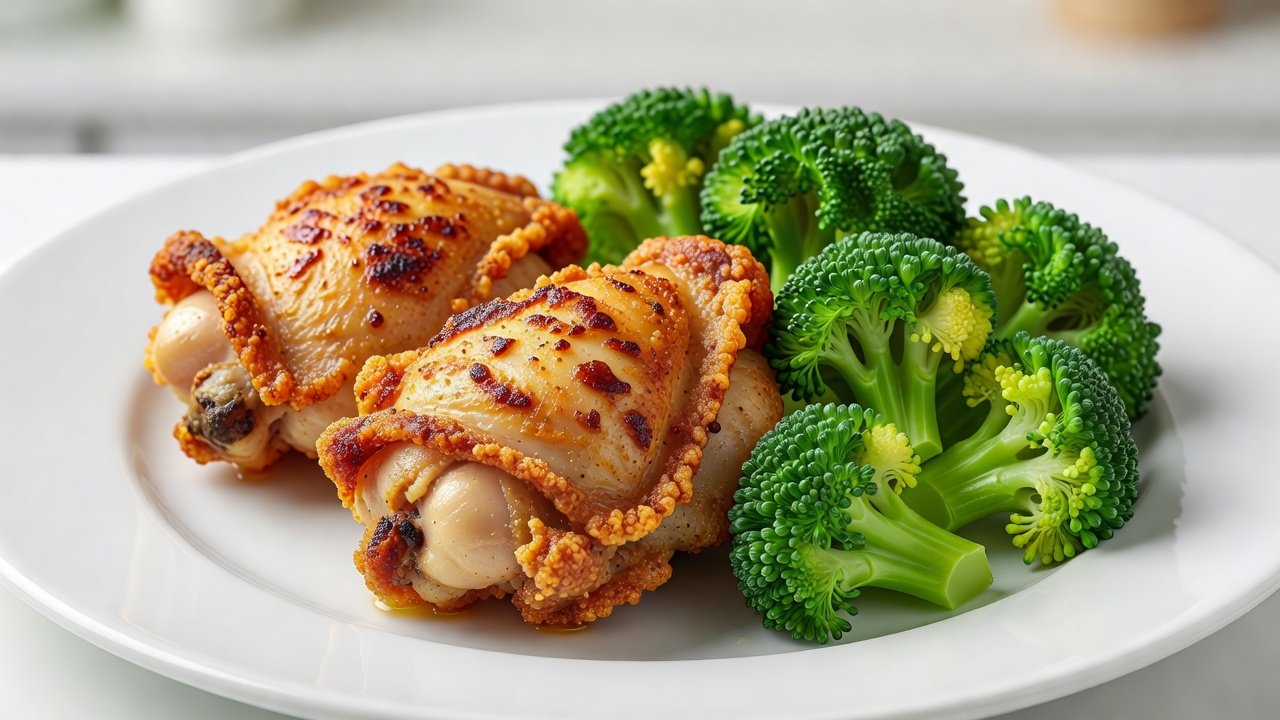
- Chicken breasts: 380°F for 15-20 minutes for protein integrity; this range denatures proteins efficiently without drying
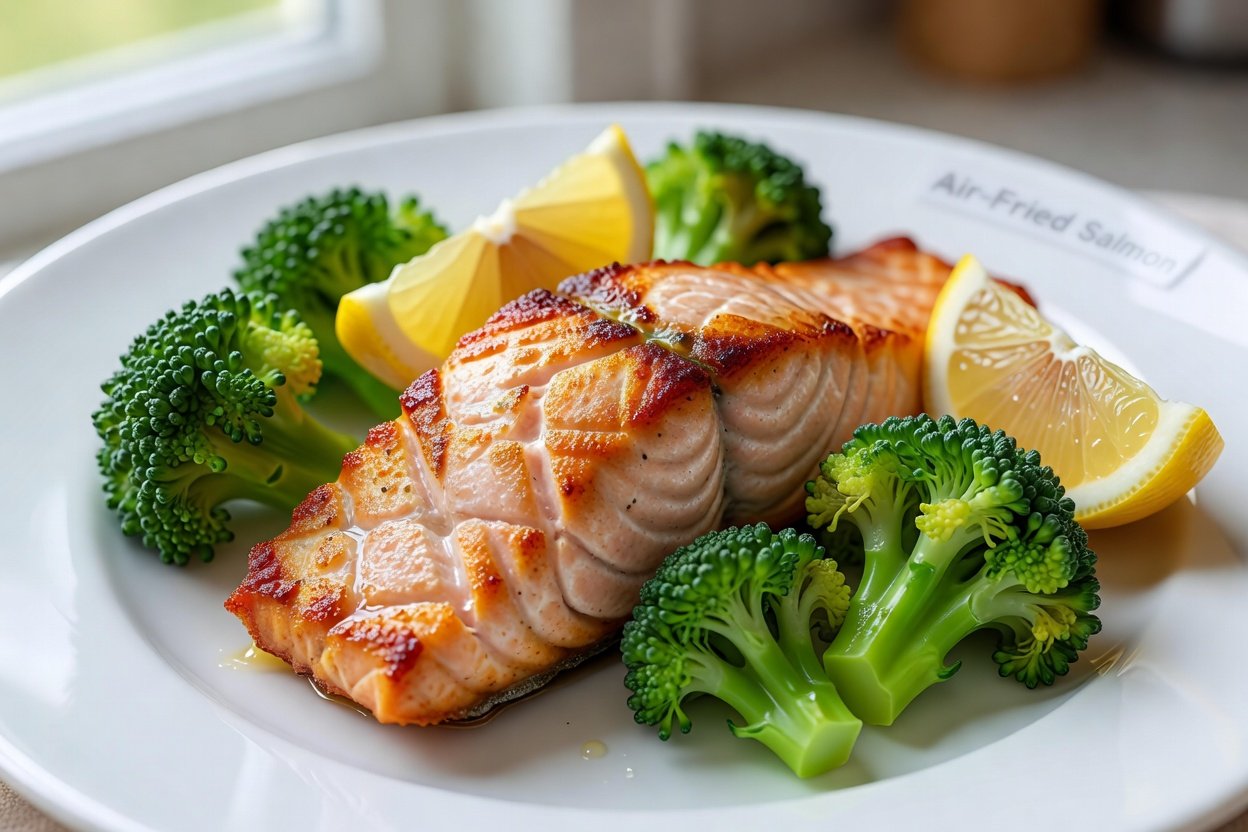
- Salmon fillets: 360°F for 10-14 minutes to protect omega-3 fatty acids; gentler heat prevents oxidation of delicate lipids
- Root vegetables (sweet potatoes): 400°F for 18-22 minutes balancing crispness and nutrients; pre-soaking in water can further reduce glycemic impact
- Tofu or plant proteins: 370°F for 12-15 minutes to maintain texture and isoflavones
Food-Specific Dinner Examples with Step-by-Step Instructions
Try air-fried lemon herb chicken with asparagus: season with herbs and a light oil spray, cook at 380°F for 18 minutes, flipping once. Pair with quinoa for a balanced plate rich in protein and fiber. Another option is Mediterranean-style air fryer salmon with zucchini rounds: marinate in olive oil and garlic, air fry at 360°F for 12 minutes alongside the vegetables. For a vegetarian dinner, prepare crispy chickpeas and cauliflower at 390°F for 15 minutes, tossing with spices midway. These examples demonstrate how convection enhances texture while supporting healthy eating goals. Adjust portion sizes based on family needs and always use a meat thermometer to confirm safe internal temperatures.
Step-by-Step Setting Adjustments and Practical Tips
- Preheat for 3 minutes to stabilize airflow and ensure immediate crisp formation.
- Arrange food in a single layer for maximum circulation; overcrowding leads to steaming instead of frying.
- Shake or flip midway through cooking to promote even browning on all sides.
- Adjust time downward by 20% compared to oven recipes due to faster heat transfer.
- Use parchment liners sparingly to avoid blocking air flow; opt for perforated versions when possible.
- Monitor for doneness in the final minutes since convection cooks quickly.
- Experiment with seasoning after cooking to prevent burning of spices at high heats.
Comparisons to Conventional Ovens
Ovens rely on radiant heat with slower air movement, often requiring more oil for crisp results and longer exposure that diminishes nutrients. Air fryers cut energy use and deliver superior texture with less added fat, making them ideal for 2026 health-conscious kitchens. Preheat times are shorter, and cleanup is easier due to contained cooking environments. However, ovens handle larger batches better for big families.
Common Mistakes to Avoid
Many users overload the basket, leading to uneven cooking and nutrient loss from extended times. Another error is skipping preheating, which reduces the Maillard reaction efficiency. Using too much oil defeats the health purpose, while neglecting to pat food dry beforehand causes sogginess. Always consult model-specific manuals for fan settings.
FAQs: Addressing Common Myths
Does air frying destroy nutrients?
No. Shorter times and lower oil actually help retain more vitamins than boiling or deep frying, according to studies indexed on PubMed.
Is convection the same as air frying?
Air frying is a compact form of convection cooking optimized for small batches and rapid crisping, but the physics principles overlap significantly.
Can I use zero oil?
Yes, many foods crisp well with just a light spray or none at all, further boosting nutrient density and reducing calories.
Are air-fried foods safe regarding acrylamide?
Lower temperatures and shorter durations in air fryers produce less acrylamide than traditional frying methods when following recommended settings.
How does air frying compare for weight management?
The oil reduction supports lower calorie meals, aiding portion control and overall dietary balance without sacrificing satisfaction.
Conclusion
Mastering air fryer convection empowers cooks to create crispy, nutritious dinners efficiently. By applying these science-backed principles, 2026 readers can enjoy healthier meals without sacrificing taste or convenience. Experiment with the provided charts and examples to optimize your own recipes and discover new favorites in the growing world of air fryer cooking.
No comments yet. Be the first!