 Func Eats
Introduction: Flavorful Low-Sodium Air Fryer Meals in 2026
Air fryers have become essential for quick weeknight dinners, but many recipes rely heavily on salt. This guide shows how to create delicious low-sodium air fryer dinners that taste amazing without sacrificing taste. By focusing on fresh herbs, citrus, vinegar reductions, and strategic spice blends, you can reduce sodium while boosting flavor and supporting heart health. In 2026, wellness trends emphasize cardiovascular benefits alongside convenience, making air fryer adaptations more relevant than ever for busy families seeking balanced meals.
Low-sodium eating aligns with 2026 wellness trends emphasizing cardiovascular benefits. According to guidelines from major health organizations, cutting excess salt helps maintain healthy blood pressure. The air fryer’s rapid hot-air circulation enhances natural flavors, making it ideal for these modifications. Whether you are new to air frying or looking to refresh your routine, understanding sodium reduction opens doors to creative cooking that feels indulgent yet supportive of long-term wellness goals.
Why Reduce Sodium in Air Fryer Cooking?
Excess sodium contributes to high blood pressure and heart concerns. Switching to low-sodium versions of favorite meals can improve overall wellness. Air fryers allow crisp textures with minimal oil, and pairing them with smart seasonings creates satisfying results. Practical benefits include easier meal prep and consistent cooking times for busy households. Many people notice improved energy and better hydration when sodium intake drops naturally through thoughtful ingredient swaps.
Modern air fryer models offer precise temperature controls that help lock in moisture without added salt. This makes the appliance perfect for experimenting with bold flavors from whole foods. Reducing sodium also supports kidney function and may help reduce bloating, two common concerns highlighted in recent wellness discussions.
Creative Seasoning Alternatives to Salt
Replace salt with layered flavors. Fresh herbs like rosemary, thyme, and basil add aroma. Citrus zest and juice brighten dishes naturally. Vinegar reductions, such as balsamic or apple cider, provide tangy depth. Spice blends featuring garlic powder, smoked paprika, cumin, and turmeric deliver complexity without sodium. Consider adding onion powder, dried oregano, or chili flakes for extra dimension in different cuisines.
- Use fresh herbs at the end of cooking to preserve brightness.
- Marinate proteins in citrus and spices for 30 minutes before air frying.
- Reduce vinegar on the stovetop to concentrate flavor for drizzling.
- Experiment with ginger, mustard seeds, and fennel for global-inspired profiles.
These alternatives work synergistically. For instance, combining lemon zest with smoked paprika creates a bright yet savory note that mimics the satisfaction of salted dishes.
Step-by-Step Seasoning Techniques
Start by patting proteins dry for better seasoning adhesion. Apply oil lightly, then rub on spice blends. For vegetables, toss with lemon juice and herbs before placing in the basket. Adjust air fryer timing—typically 8-12 minutes at 380°F for chicken pieces, flipping halfway. Test doneness with a thermometer rather than relying on salt for taste cues. Always season in stages: apply a base rub before cooking and finish with fresh elements after.
Another effective method involves creating a quick herb paste using olive oil, minced garlic, and chopped parsley. Brush this onto items just before the final minutes of air frying to intensify aroma without burning delicate herbs.
Recipe Examples: Chicken Dinners
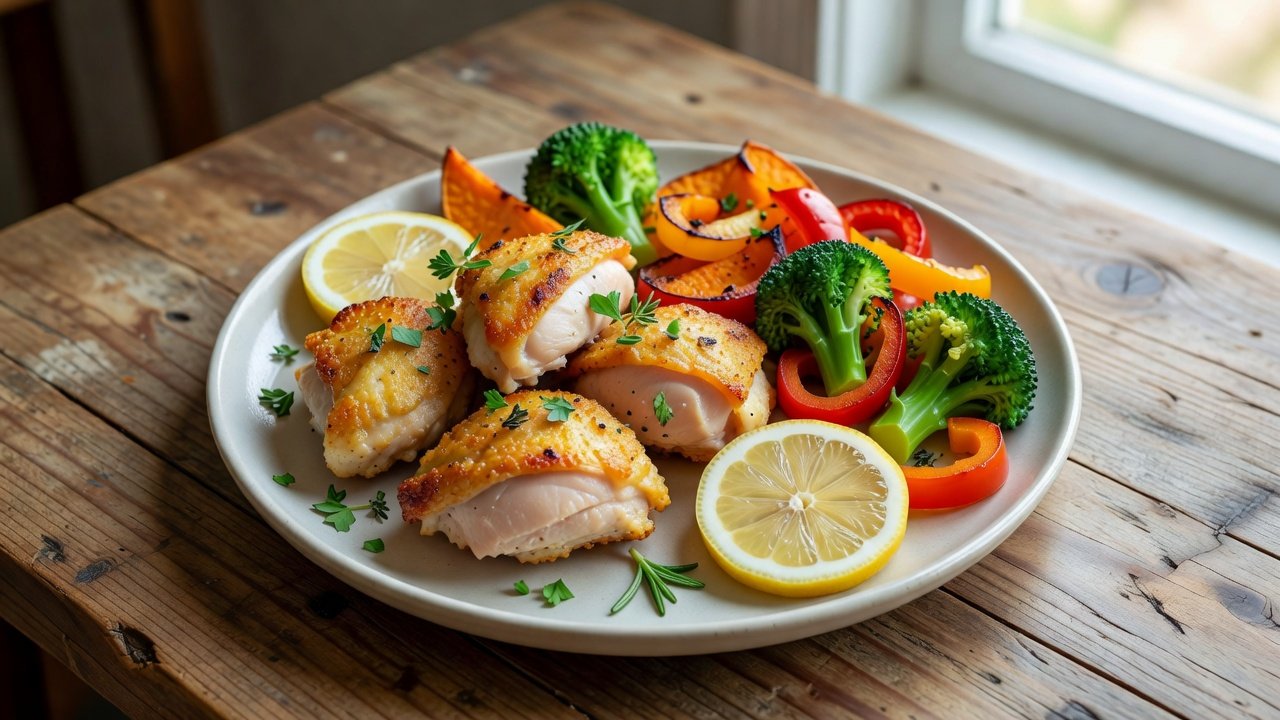
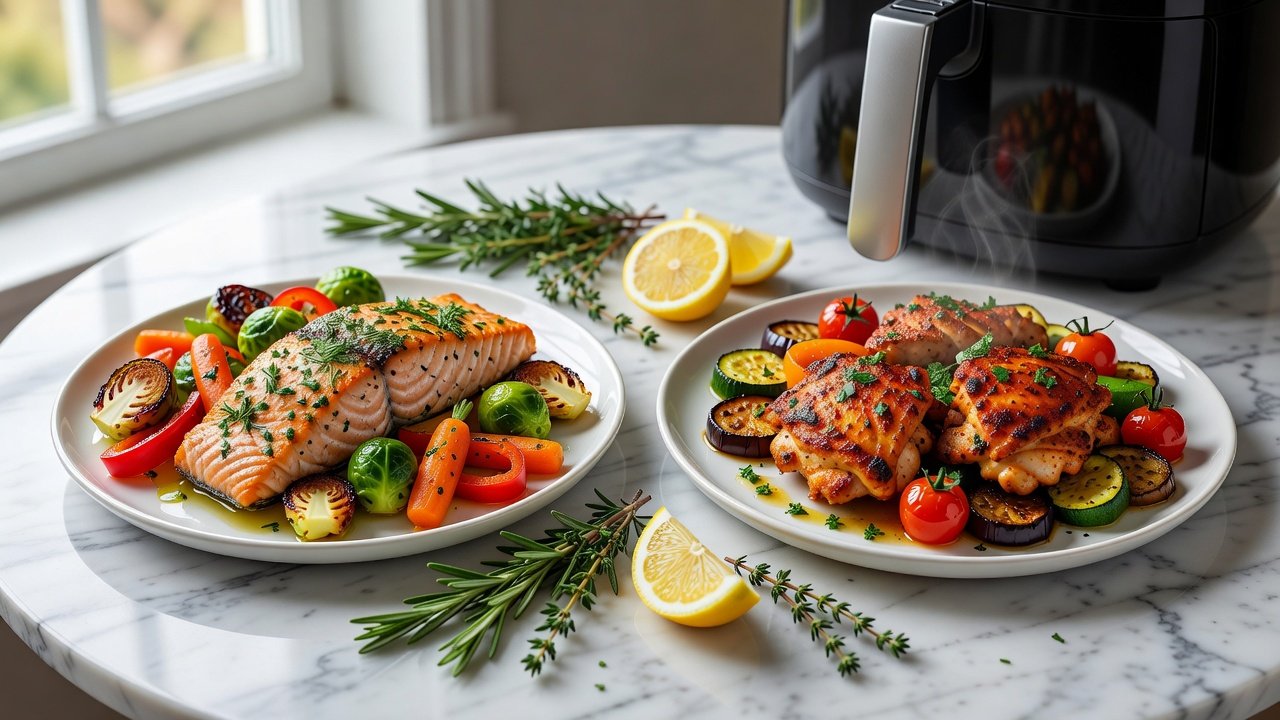
Try lemon-herb chicken thighs. Season with minced garlic, fresh thyme, black pepper, and lemon zest. Air fry at 375°F for 18 minutes. This delivers juicy meat with bright flavor. Compare sodium: traditional versions may exceed 600mg per serving, while this modified recipe stays under 150mg. Another option is cumin-spiced chicken breasts paired with a side of air-fried bell peppers seasoned with oregano. For variety, prepare a turmeric-ginger chicken drumstick recipe that cooks in 22 minutes at 365°F, offering anti-inflammatory benefits alongside reduced sodium.
Fish and Seafood Options
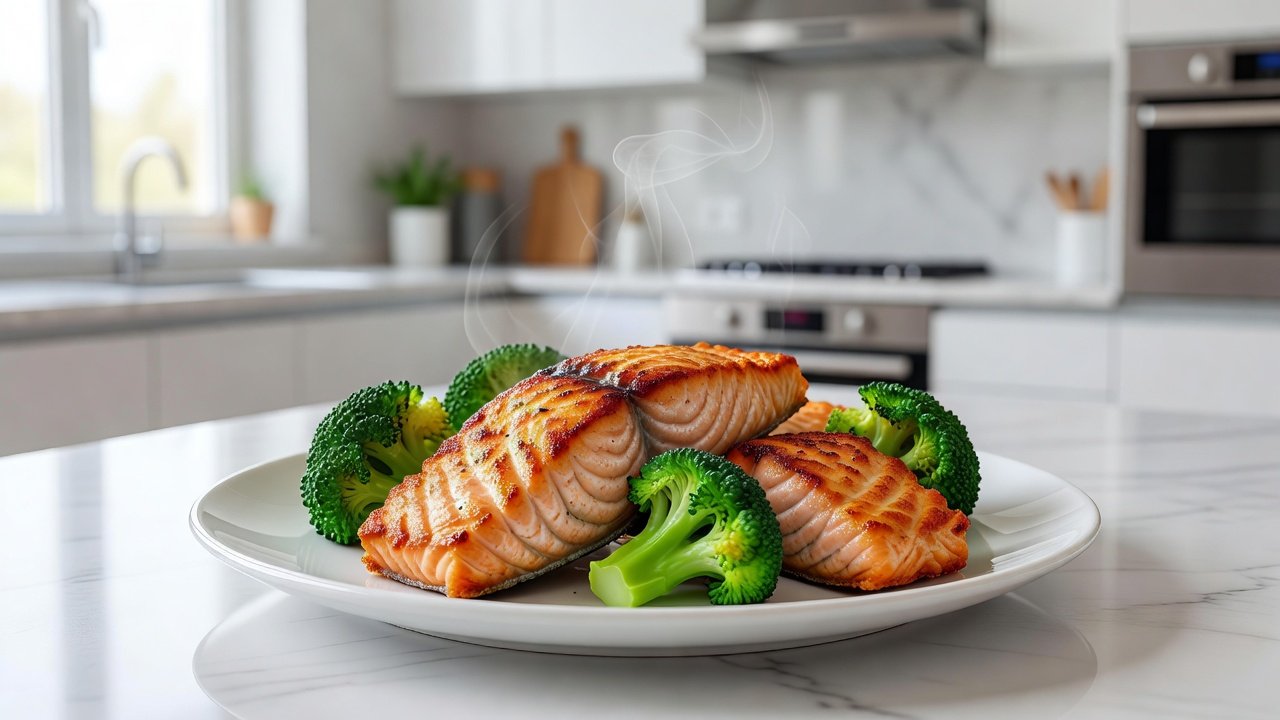
Air fryer salmon with dill and citrus works beautifully. Brush with a touch of olive oil, then add orange zest and chopped dill. Cook at 400°F for 10 minutes. The result is flaky and aromatic. For white fish like cod, use a vinegar reduction glaze made from apple cider vinegar simmered with shallots. Try shrimp skewers marinated in lime juice, garlic, and smoked paprika for a quick 6-minute cook time. These options keep sodium low while delivering restaurant-quality taste through bright, acidic, and herbal notes.
Vegetable-Based Dinners
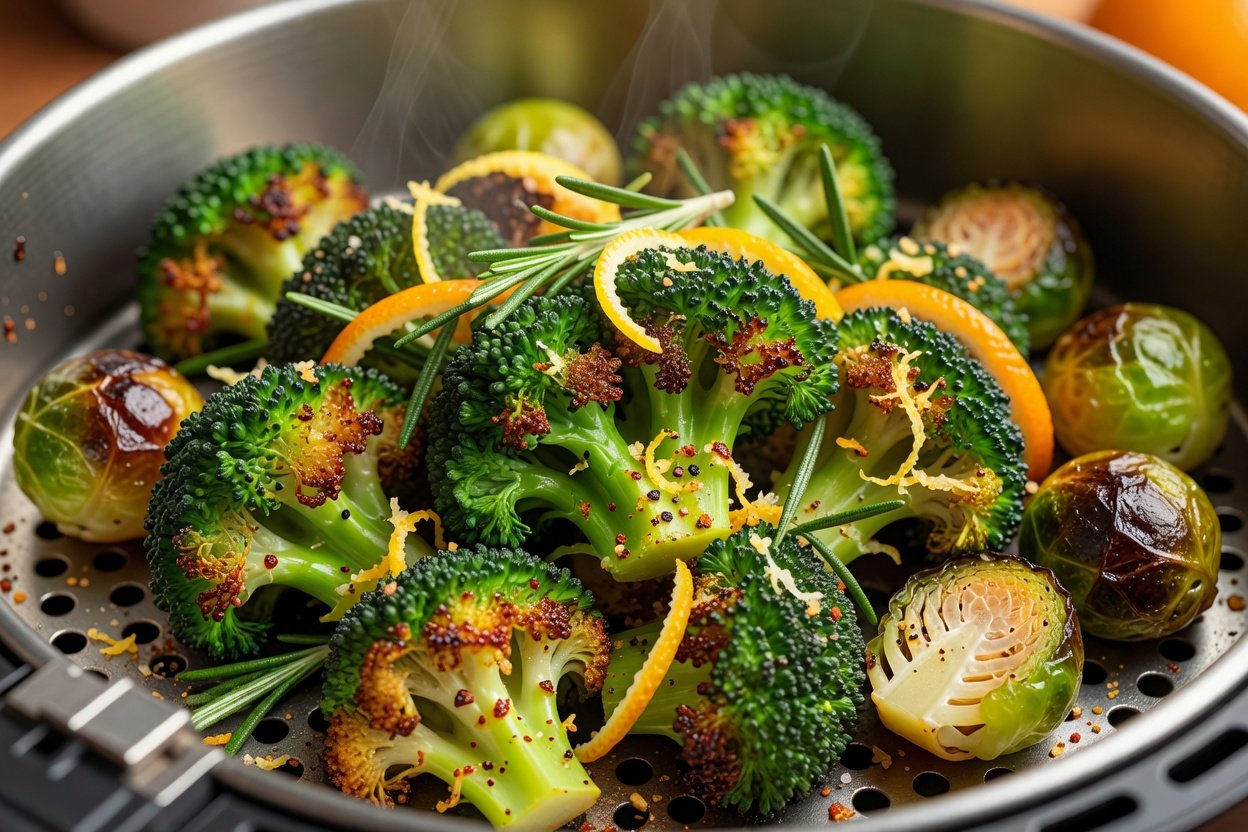
Roasted broccoli and cauliflower shine with smoked paprika and cumin. Add a squeeze of lime after cooking. Brussels sprouts benefit from balsamic reduction and rosemary. These sides turn into complete meals when paired with legumes or tofu. Expand your repertoire with air-fried eggplant slices seasoned with za’atar and lemon, or zucchini rounds tossed in Italian herbs. Root vegetables like sweet potatoes and carrots develop natural sweetness in the air fryer, reducing the need for any salty additives.
Comparing Sodium Levels Before and After
Traditional air fryer chicken dinners often contain 500-800mg sodium per serving. Modified versions using the techniques above drop to 80-150mg. Fish recipes see similar reductions from 400mg down to under 120mg. Vegetable sides that once relied on salted seasoning mixes can fall from 300mg to nearly zero when using fresh herbs and citrus. Track changes using nutrition apps for precise awareness and to celebrate your progress over time.
Practical Cooking Tips and Timing Adjustments
Preheat the air fryer for consistent results. Avoid overcrowding the basket to ensure crispiness. For meal prep, season multiple portions on Sunday and store uncooked. Reheat in the air fryer at 350°F for 4 minutes to restore texture. Different foods require tailored timing: chicken thighs need 18-22 minutes, fish fillets 8-12 minutes, and dense vegetables 12-15 minutes. Always shake the basket midway for even browning and consider a light spritz of oil on the exterior for enhanced crisp without extra sodium.
Heart Health Benefits in 2026
Reducing sodium supports long-term cardiovascular wellness. Pairing these dinners with American Heart Association recommendations on diet helps maintain healthy habits. The approach also fits anti-inflammatory eating patterns popular this year. Additional guidance can be found through CDC resources on sodium reduction, which highlight practical daily strategies for lowering intake while preserving enjoyment.
Common Mistakes to Avoid
- Over-marinating acidic ingredients, which can affect texture.
- Skipping the preheat step, leading to uneven cooking.
- Using too much oil, which defeats the low-sodium crisp benefit.
- Adding all seasonings at once instead of layering for depth.
- Ignoring internal temperature checks, resulting in overcooked or undercooked proteins.
Short FAQ Section
Will low-sodium meals taste bland?
No—layering herbs, citrus, and spices creates robust flavor profiles that rival salted versions.
How do I maintain texture in meal prep?
Store components separately and reheat briefly in the air fryer to restore crispness.
Are these recipes suitable for beginners?
Yes, the techniques are straightforward and require minimal equipment beyond a basic air fryer.
Can I use frozen ingredients?
Absolutely. Increase cook time by 3-5 minutes and apply seasonings after a short thaw period for best adhesion.
Conclusion
Mastering low-sodium air fryer dinners opens up healthier weeknight options without compromising enjoyment. Experiment with the seasonings and recipes shared here to personalize your meals. Small changes deliver big results for flavor and wellness in 2026. With consistent practice, you will discover endless combinations that keep dinners exciting, nutritious, and aligned with your health priorities.
No comments yet. Be the first!