 Func Eats
Introduction to Air Fryer Science for Healthy Cooking
Air fryers have transformed home cooking by delivering crispy textures with significantly less oil. This article examines the underlying physics and food science that make these results possible, focusing on evidence-based approaches for 2026 dinner recipes. Rapid hot air circulation mimics deep frying but uses up to 80% less oil, supporting healthier outcomes while maintaining flavor and texture. Home cooks seeking evidence-based healthy air fryer dinner ideas benefit from understanding these mechanisms, as they enable consistent results across proteins, vegetables, and starches without compromising nutrition. The technology aligns with broader dietary goals by minimizing added fats while maximizing sensory appeal through browning and crunch.
How Rapid Air Circulation Works in Air Fryers
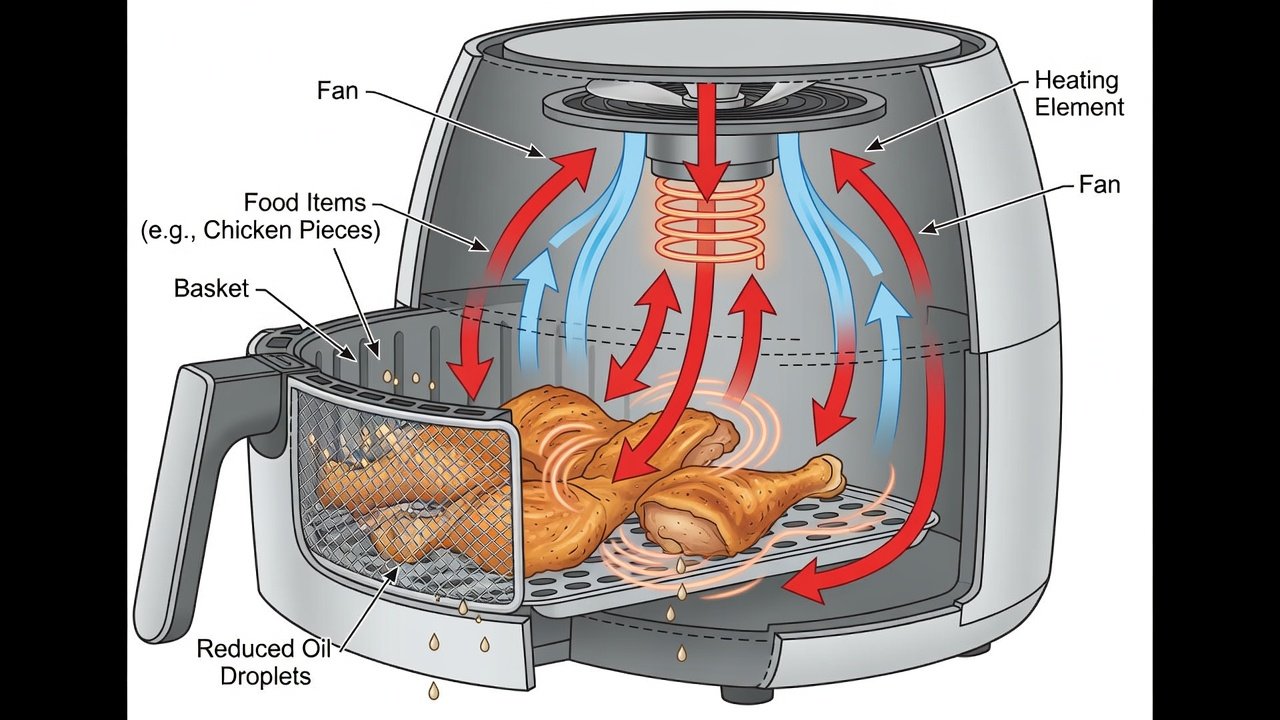
Air fryers rely on convection principles where a powerful fan circulates hot air at high speeds around food. This creates a Maillard reaction on the surface, browning and crisping without submersion in oil. The technology uses temperatures typically between 180°C and 200°C, allowing even heat distribution that seals in juices. Studies from nutrition research highlight how this method reduces fat absorption compared to traditional frying. Moisture evaporates quickly from the outer layers, forming a crisp crust while the interior remains tender. The constant movement of air prevents hot spots and ensures uniform cooking, which is especially useful for irregularly shaped items like chicken wings or vegetable wedges. Food scientists note that the high-velocity air also promotes starch gelatinization on coated surfaces, leading to restaurant-quality textures at home.
Ingredient interactions play a key role. Starches in potatoes or coatings on proteins crisp effectively due to moisture evaporation. Proteins denature at controlled rates, preserving tenderness inside while achieving crunch outside. For optimal results, pat foods dry before cooking to enhance surface dehydration. Fats present in the food itself contribute to flavor carryover without needing extra oil. This process supports nutrient retention by limiting exposure time to high heat, unlike prolonged boiling or deep frying that can leach vitamins into cooking media.
Reducing Oil Needs While Preserving Texture and Flavor
Conventional deep frying requires large volumes of oil for heat transfer and crispiness. Air fryers need only a light spray or none at all because circulating air conducts heat efficiently. This preserves natural flavors and reduces calorie density. For example, air-fried chicken achieves similar crunch to fried versions through surface starch gelatinization. The reduced oil also means less oxidation of fatty acids, preserving the original taste profiles of ingredients like herbs, spices, and fresh produce. Vegetables retain vibrant colors and firm textures because the short cooking cycle limits cell wall breakdown. Flavor compounds remain intact due to minimal oxidation from reduced fat exposure, resulting in meals that taste fresher and more vibrant than their conventionally fried counterparts.
Optimal Temperature Settings and Timing
Start with 180°C for most proteins to ensure even cooking without drying. Increase to 200°C for final crisping stages. Root vegetables benefit from 190°C for 15-20 minutes with shaking midway. Always preheat for 3 minutes to stabilize air flow. Timing adjustments depend on thickness and initial temperature of ingredients; frozen items require an extra 3-5 minutes. Monitoring with a meat thermometer ensures safety without overcooking. For delicate fish, lower temperatures around 175°C prevent flaking while still achieving a light crust.
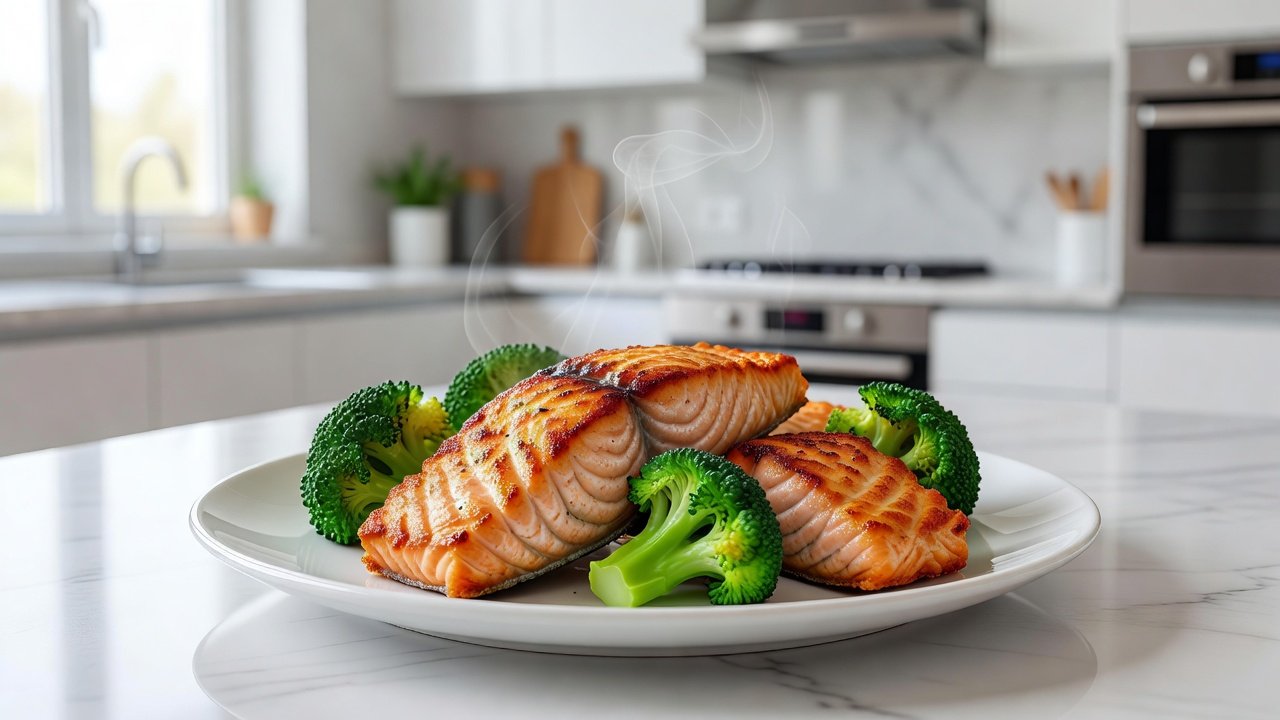
Practical step-by-step for salmon fillets: Season with herbs, lightly oil, place skin-side down at 190°C for 10 minutes. Flip once for uniform results. Test internal temperature reaches 63°C for safety. Similar precision applies to other dinners, such as air-fried sweet potato wedges at 195°C for 18 minutes or turkey cutlets at 185°C for 12 minutes with a mid-cycle turn.
Step-by-Step Healthy Dinner Examples
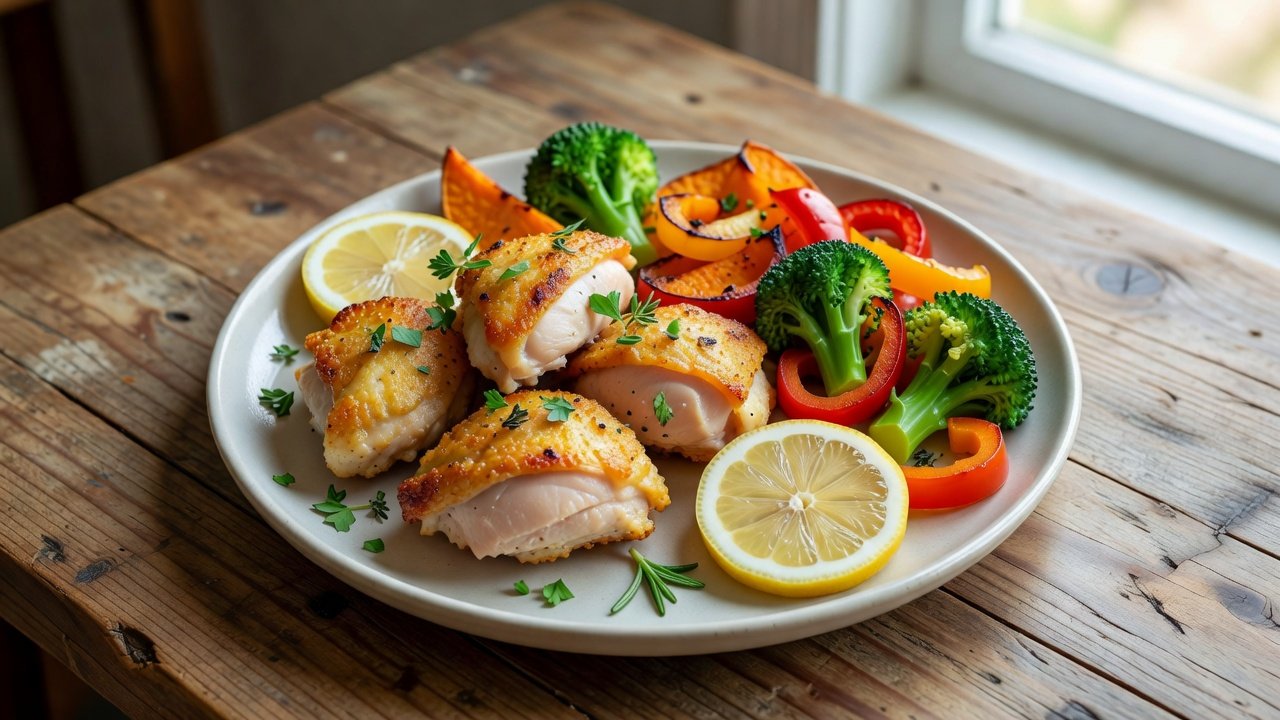
Try air-fried quinoa-crusted tofu: Marinate tofu in soy sauce and garlic for 20 minutes, coat in cooked quinoa mixed with spices, then cook at 200°C for 12 minutes, flipping halfway. Pair with air-fried Brussels sprouts at 190°C for 15 minutes tossed in balsamic vinegar. These deliver high protein and fiber with minimal added fats. Another detailed example involves lemon herb chicken thighs. Pat dry, season with lemon zest, rosemary, and a touch of olive oil, then arrange in a single layer at 185°C for 22 minutes, shaking the basket twice. Serve alongside air-fried asparagus spears cooked at 190°C for 8 minutes. A third option is chickpea-crusted cauliflower steaks: Brush with yogurt and coat in spiced chickpea flour, air fry at 195°C for 16 minutes. These recipes illustrate how the science translates into repeatable, nutrient-dense meals suitable for weeknight dinners.
Comparisons to Conventional Cooking Methods
Deep frying adds substantial oil and creates harmful compounds like acrylamide at high volumes. Baking often results in drier textures due to slower heat transfer. Air frying balances speed and crispiness, aligning with WHO guidelines on reducing dietary fats for better health. It also lowers formation of certain oxidation products versus stovetop methods, per food safety insights from FDA resources. Compared to pan-searing, air frying uses less energy overall and produces fewer smoke particles in the kitchen. Nutrient comparisons show superior retention of heat-sensitive vitamins in air-fried broccoli versus steamed or boiled versions. The method also supports lower sodium use because the concentrated flavors from rapid browning reduce the need for heavy seasoning.
Ingredient Interactions and Nutrient Preservation
Understanding how different food components respond to rapid air flow helps optimize recipes. Starches form protective barriers that trap steam inside while crisping outside. Lean proteins benefit from light marinades that enhance moisture retention during the short cook time. Antioxidants in colorful vegetables remain more stable because the process avoids prolonged water submersion. Research from institutions such as NIH supports that minimal oil cooking preserves polyphenol content in plant foods. Pairing high-moisture items with absorbent coatings further improves texture outcomes.
Common Pitfalls to Avoid
- Overcrowding the basket, which blocks air flow and leads to uneven cooking; always cook in single layers or batch if needed.
- Skipping preheating, resulting in longer times and soggier textures; three minutes of preheat ensures immediate high-velocity air contact.
- Using too much oil, negating health benefits; a thin mist is sufficient for most items.
- Ignoring food thickness variations, causing undercooked centers; cut items uniformly and check doneness with a thermometer.
- Failing to shake or flip midway, which can produce one-sided results on flat foods.
Always cook in single layers and monitor first batches closely to calibrate your specific model.
FAQ on Air Fryer Recipes and Meals
How do air fryers preserve nutrients better? Shorter cooking times and less oil exposure minimize vitamin loss, supporting evidence-based healthy eating.
What temperatures work best for dinner proteins? 180-200°C range ensures crisp exteriors without nutrient degradation.
Can I adapt oven recipes directly? Reduce temperature by 10-15°C and check 5 minutes early due to faster air circulation.
Are air-fried meals suitable for anti-inflammatory diets? Yes, when using whole ingredients and minimal oils, aligning with smart eating practices.
How should I clean the air fryer after use? Wipe the basket with a damp cloth after cooling; avoid abrasive pads that damage non-stick surfaces.
Conclusion
Understanding the science of air fryers empowers healthier meal preparation with satisfying crispy results. Apply these principles for nutrient-rich dinners that outperform traditional methods in both taste and wellness outcomes. Experiment with the examples provided to build confidence in this efficient cooking approach and enjoy consistent, evidence-backed results at home.
No comments yet. Be the first!