 Func Eats
Introduction to Zero-Waste Air Fryer Cooking
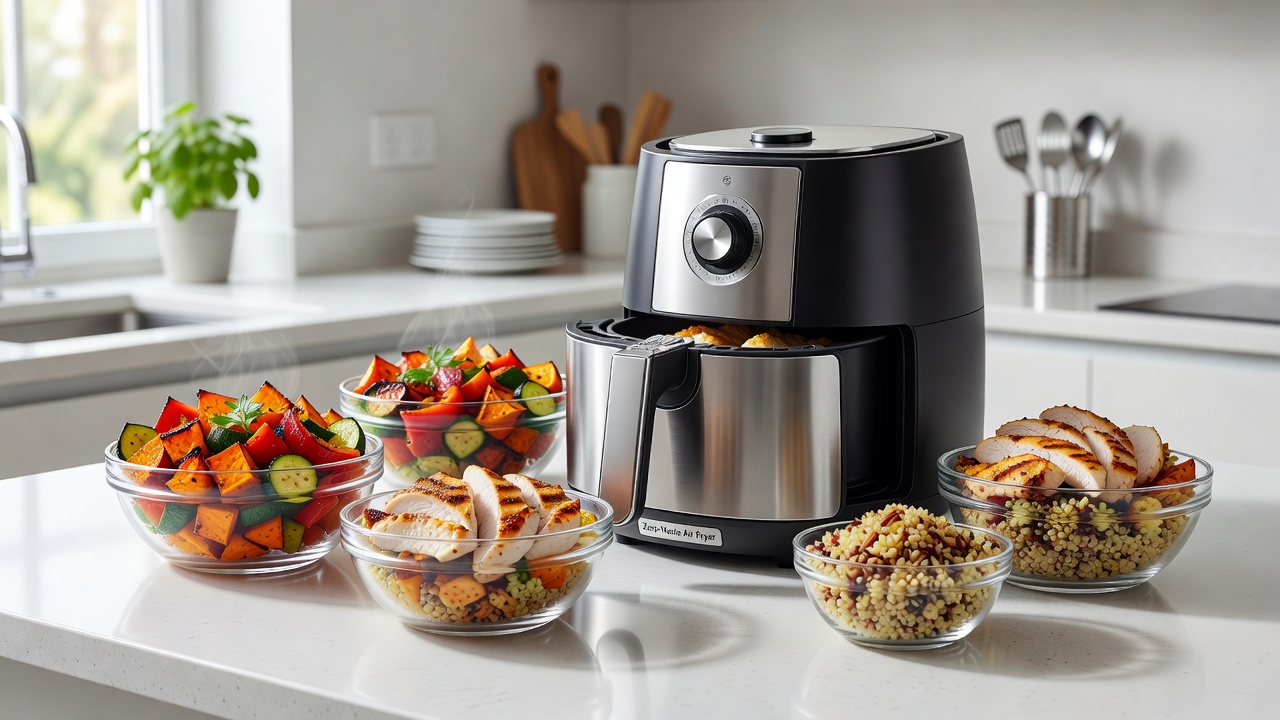
Reducing food waste while preparing quick, nutritious meals is easier than ever with an air fryer. In 2026, many home cooks are embracing sustainable practices by turning common leftovers into healthy air fryer dinner ideas. This approach not only saves money and resources but also delivers crispy, flavorful results in minutes. Air fryer recipes using leftovers help minimize environmental impact while keeping dinners exciting and balanced. The air fryer’s rapid hot air circulation revives ingredients that might otherwise lose appeal after refrigeration, turning yesterday’s extras into tonight’s standout meal without additional shopping trips.
Whether you have roasted vegetables, cooked proteins, or grains sitting in the fridge, the air fryer revives them with superior texture compared to microwaving. Keywords like air fryer recipes and healthy air fryer dinner ideas highlight how versatile this appliance can be for zero-waste meals. By focusing on what you already have, you cut down on single-use packaging and support a circular kitchen economy that benefits both your household and the planet.
Identifying Suitable Leftover Ingredients
Start by assessing your fridge for items that reheat well in the air fryer. Cooked proteins like chicken, turkey, or tofu retain moisture when lightly coated with oil. Vegetables such as broccoli, carrots, and potatoes crisp up beautifully. Grains like rice or quinoa can be mixed into patties or bowls. Avoid overly saucy or delicate items that might become soggy. Take inventory at the start of each week and categorize leftovers by type: proteins, vegetables, starches, and mixed dishes.
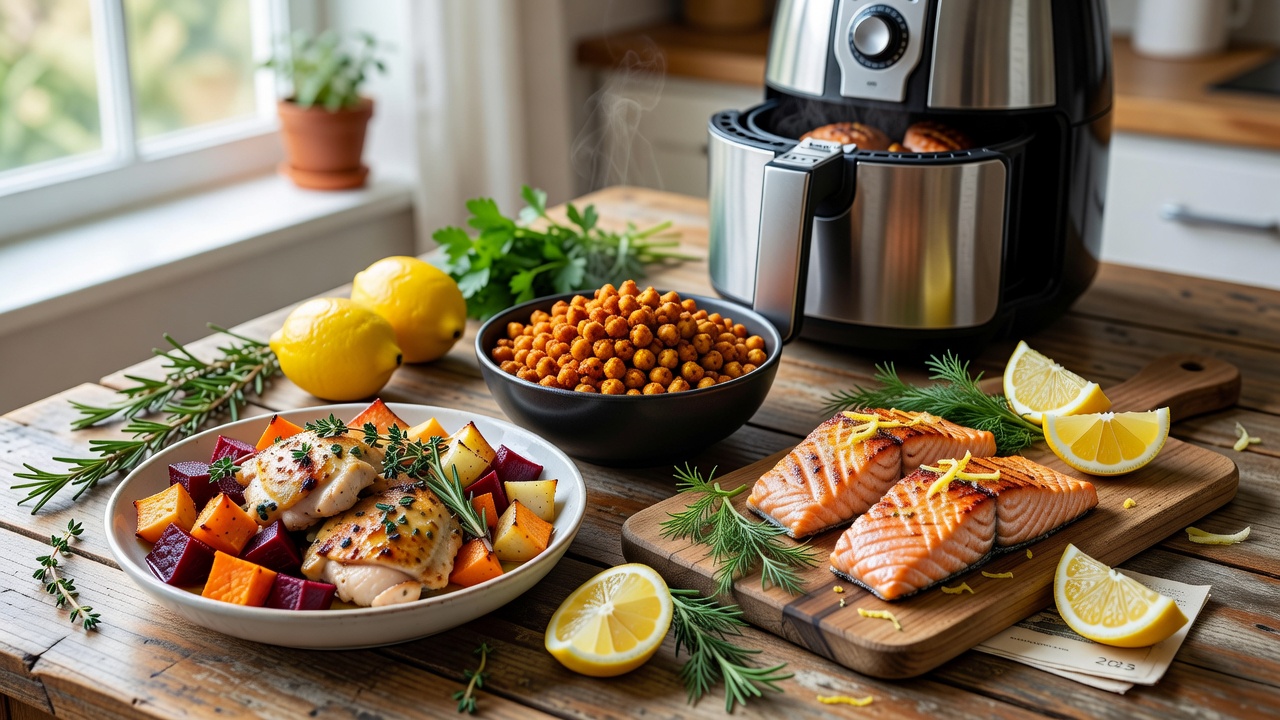
Common leftovers ideal for air frying include roasted veggies from last night’s dinner, baked potatoes, and stir-fried rice. Always check for freshness and discard anything past its prime to ensure food safety. For example, leftover grilled salmon works well if used within two days, while creamy pasta may require draining excess sauce first. Keep a simple notebook or phone note listing what you have on hand so you can plan air fryer sessions around those ingredients rather than new purchases.
Air Fryer Reheating Techniques for Optimal Texture
Proper reheating is key to successful zero-waste meals. Preheat your air fryer to 350°F for most items. Lightly spray leftovers with oil to promote crispiness. Shake the basket halfway through cooking for even results. For proteins, cook 4-6 minutes; vegetables may need 5-8 minutes depending on quantity. Always arrange food in a single layer when possible to allow maximum air flow.
These techniques prevent the rubbery texture often associated with microwaves, making healthy air fryer dinner ideas more appealing. Experiment with temperature adjustments for different ingredient types. Dense items like sweet potatoes benefit from a lower 325°F setting for longer periods, while leafy greens or thin slices of meat crisp faster at 380°F. Adding a quick spritz of avocado oil or a light brushing of olive oil enhances browning without adding significant calories. If your model has a preheat function, use it to ensure consistent results every time.
7 Delicious Zero-Waste Air Fryer Recipes
1. Veggie-Packed Frittata
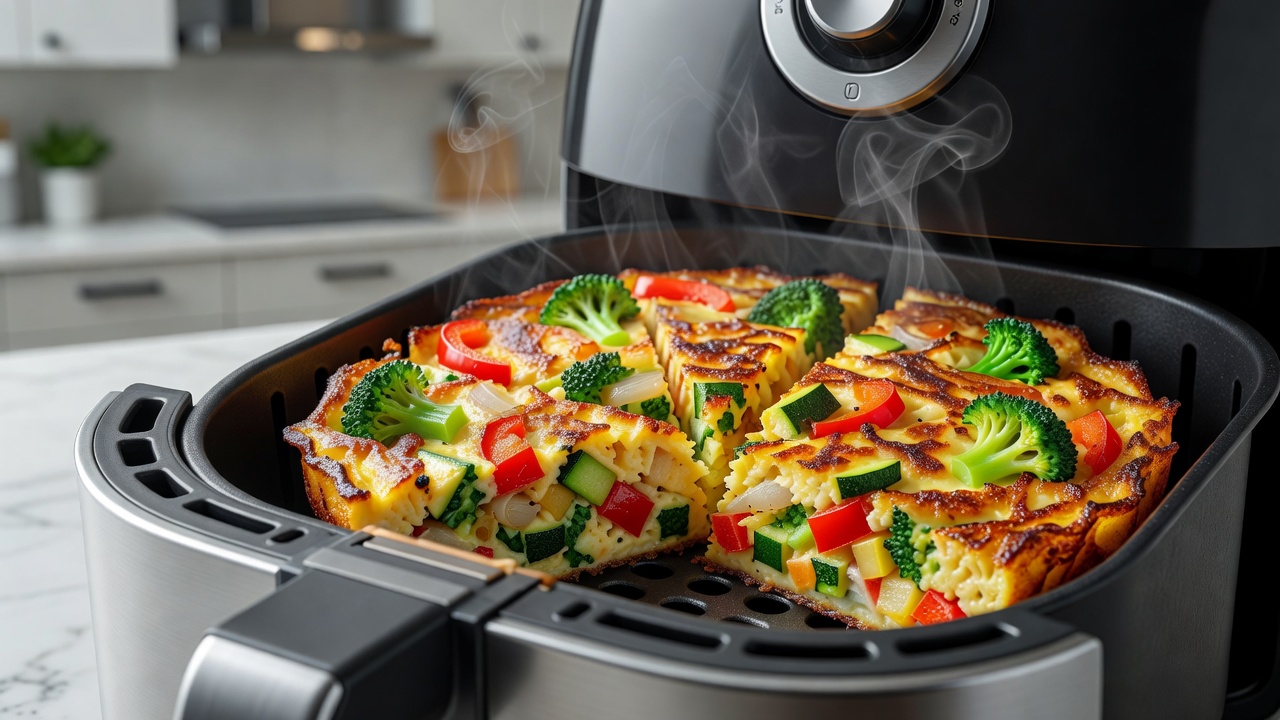
Combine leftover roasted vegetables with eggs and cheese. Whisk three eggs with a splash of milk, fold in chopped vegetables, and pour into a small oven-safe pan that fits your basket. Cook at 320°F for 10 minutes, checking at the eight-minute mark. This provides about 350 calories versus 450 in a traditional oven version and makes an excellent meatless Monday option.
2. Protein-Powered Bowls
Reheat chicken and grains with fresh herbs at 375°F for 6 minutes. Layer the reheated components over fresh greens and top with avocado for a filling dinner around 500 calories, lower than many restaurant equivalents. Add a squeeze of lemon to brighten flavors that may have dulled in storage.
3. Crispy Rice Patties
Mix leftover rice with veggies and an egg binder. Form into small patties, lightly coat with oil, and air fry at 380°F for 8 minutes per side. Calorie count stays near 300 per serving. These patties pair well with a simple yogurt dip made from pantry staples.
4. Loaded Sweet Potato Skins
Use baked potato halves topped with beans and cheese. Scoop out a small portion of the flesh, mix with black beans, return to the skins, and cook 7 minutes at 360°F for a 400-calorie meal. Sprinkle with green onions for added freshness.
5. Stir-Fry Remix
Air fry leftover stir-fried veggies and protein at 350°F for 5 minutes to restore crunch without added oil. Serve over a small portion of reheated rice or cauliflower rice for extra volume and fiber.
6. Quinoa Veggie Cakes
Form patties from cooked quinoa and greens. Mix in an egg or flaxseed binder, season with garlic powder, and air fry 6 minutes at 370°F for 320 calories. These cakes freeze well before cooking, giving you a ready-to-air-fry option on busy nights.
7. Turkey and Veggie Hash
Chop leftovers and cook at 365°F for 7 minutes. Keeps calories under 450 per plate. Top with a fried egg for extra protein and a satisfying breakfast-for-dinner twist.
Calorie Comparisons and Nutritional Benefits
Air frying leftovers often reduces calories by 15-25% compared to deep-frying or heavy reheating methods, thanks to minimal oil use. For example, a reheated chicken bowl saves approximately 100 calories per serving. This supports healthier eating while cutting waste. The method also preserves more nutrients because shorter cooking times and lower oil requirements limit oxidation of vitamins. You still receive the fiber, protein, and micronutrients from the original meal, often with improved digestibility due to the crisp exterior that encourages thorough chewing.
Practical Steps for Sustainable Cooking
- Plan meals around fridge inventory weekly by creating a “use-first” shelf.
- Store leftovers in clear containers for easy identification and date labeling.
- Batch cook versatile bases like roasted veggies or plain grains on weekends.
- Track what gets used to improve future shopping lists and reduce overbuying.
- Repurpose one leftover item each day rather than letting multiple containers accumulate.
Mistakes to Avoid When Reheating Leftovers
Overcrowding the basket leads to uneven cooking and steaming instead of crisping. Always work in batches if necessary. Skipping the light oil spray can result in dry textures, especially with lean proteins. Neglecting to check internal temperatures risks food safety issues. Finally, reheating items with high sugar content at too high a temperature can cause burning; lower the heat and extend time slightly for those dishes.
Food Safety FAQ
How long can leftovers stay in the fridge? Most cooked items last 3-4 days; always follow guidelines from USDA.
Is it safe to reheat in an air fryer? Yes, as long as internal temperatures reach 165°F. Consult FDA resources for details.
Can all leftovers go in the air fryer? No—avoid items with high moisture like soups or very creamy sauces that may splatter.
Should I thaw frozen leftovers before air frying? Partially thawing in the refrigerator overnight yields the best texture and even cooking results.
How do I know when leftovers are no longer safe? Check for off odors, unusual colors, or sliminess before reheating and discard if any doubt exists. Additional guidance is available from EPA on safe food handling practices that support waste reduction.
Conclusion
Adopting zero-waste air fryer dinner ideas transforms everyday leftovers into exciting, healthy meals. With the right techniques and recipes, you can enjoy air fryer recipes that reduce waste and boost nutrition in 2026. Start experimenting today for sustainable, delicious results that benefit your health, wallet, and the environment.
No comments yet. Be the first!