 Func Eats
Introduction to Customizing Your Anti-Inflammatory Diet
In 2026, more people are moving beyond generic meal plans to create personalized anti-inflammatory diets that fit their lifestyles, preferences, and health goals. This approach empowers you to select ingredients that actively reduce chronic inflammation while delivering enjoyment, variety, and long-term sustainability. By focusing on whole foods rich in antioxidants, omega-3 fatty acids, and dietary fiber, you can build meals that support overall wellness without feeling restrictive or repetitive.
Understanding the science behind inflammation begins with recognizing how certain foods combat it at the cellular level. Leafy greens, fatty fish, berries, nuts, and spices like turmeric and ginger form the foundation of effective recipes. The real power comes from customization: adapting these evidence-based principles to your unique taste preferences, dietary restrictions, activity levels, and daily routines for maximum adherence and results.
Understanding Chronic Inflammation and Its Dietary Triggers
Chronic inflammation contributes to conditions such as arthritis, heart disease, and metabolic issues. Diet plays a central role because processed foods high in refined sugars, trans fats, and artificial additives can promote inflammatory pathways. In contrast, nutrient-dense choices help regulate cytokines and support gut health, which is closely linked to immune function. Practical steps include identifying personal triggers through a simple food journal and gradually replacing inflammatory items with anti-inflammatory alternatives over two to four weeks for noticeable improvements in energy and joint comfort.
Core Principles of Ingredient Selection
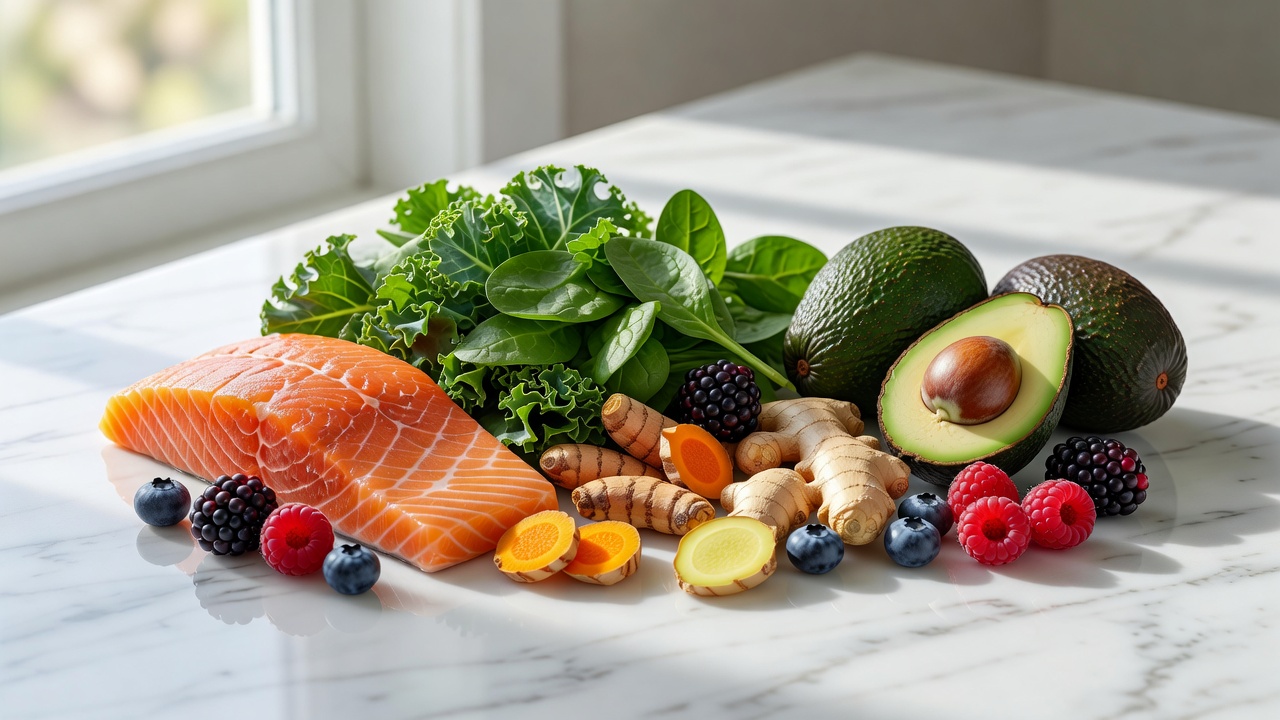
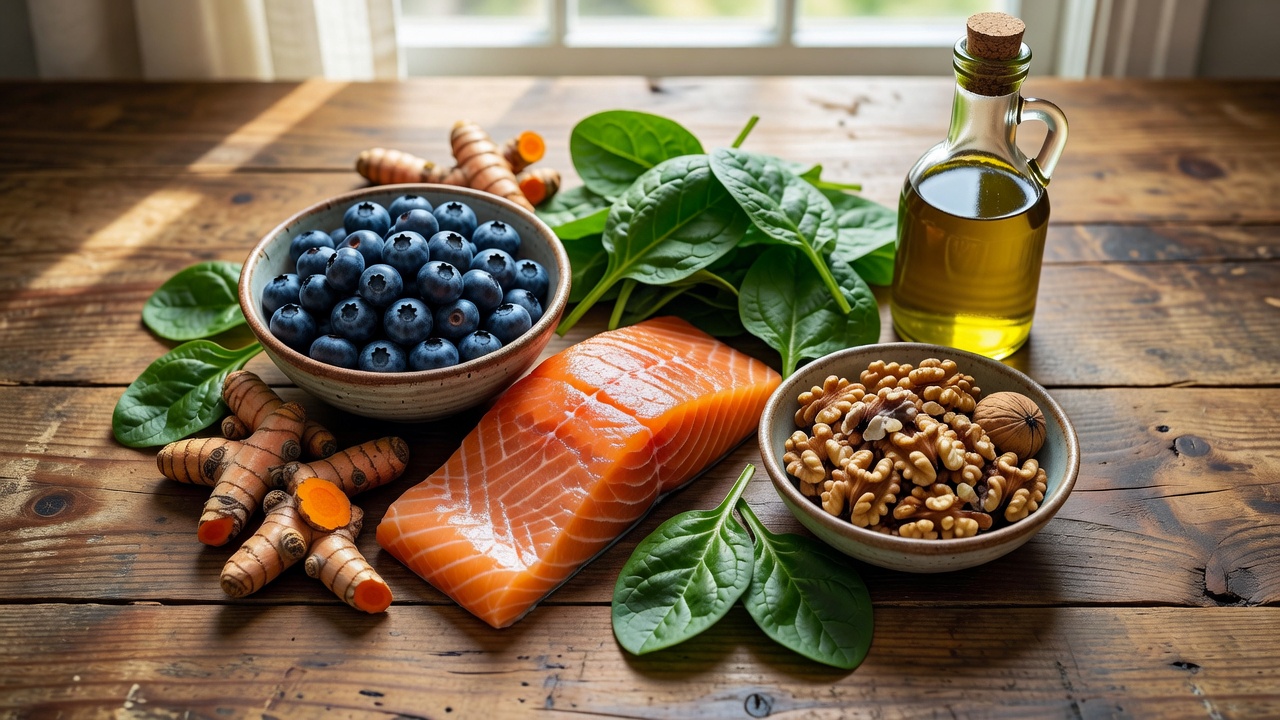
Selecting the right ingredients is the cornerstone of any successful DIY anti-inflammatory recipe. Prioritize foods with proven benefits such as omega-3 fatty acids from salmon, sardines, or walnuts; polyphenols from blueberries, strawberries, and cherries; and monounsaturated fats from avocados and extra-virgin olive oil. Minimize or eliminate processed sugars, refined grains, and excessive red or processed meats that can exacerbate inflammation over time.
When shopping, emphasize seasonal and locally available produce to maximize nutrient density and flavor. Examples include incorporating kale, spinach, broccoli, and Brussels sprouts for their sulforaphane and vitamin content. Pair these vegetables with high-quality proteins like eggs or legumes and healthy fats to create satisfying, balanced plates that keep you full longer.
Flavor Balancing Techniques for Enjoyable Meals
Exceptional taste is essential for maintaining motivation and adherence. Achieve balance by combining sweet, savory, sour, and umami elements using natural ingredients. Fresh herbs such as basil, cilantro, rosemary, and mint add brightness, while citrus zests and juices provide acidity. Fermented options like miso, sauerkraut, or kimchi introduce depth and probiotics without excess sodium.
Enhance dishes by toasting spices such as cumin, coriander, paprika, and ginger to release essential oils and intensify aromas. A versatile vinaigrette made from olive oil, lemon juice, Dijon mustard, and a touch of honey can transform simple bowls or stir-fries while contributing additional anti-inflammatory compounds from the oil and citrus.
Macro Integration for Sustained Inflammation Reduction
Proper macronutrient integration supports steady energy and prevents inflammation spikes from blood sugar fluctuations. Target approximately 40% complex carbohydrates from vegetables and whole grains, 30% lean proteins, and 30% healthy fats in each main meal. This distribution helps stabilize insulin levels and supports hormone balance associated with lower inflammation markers.
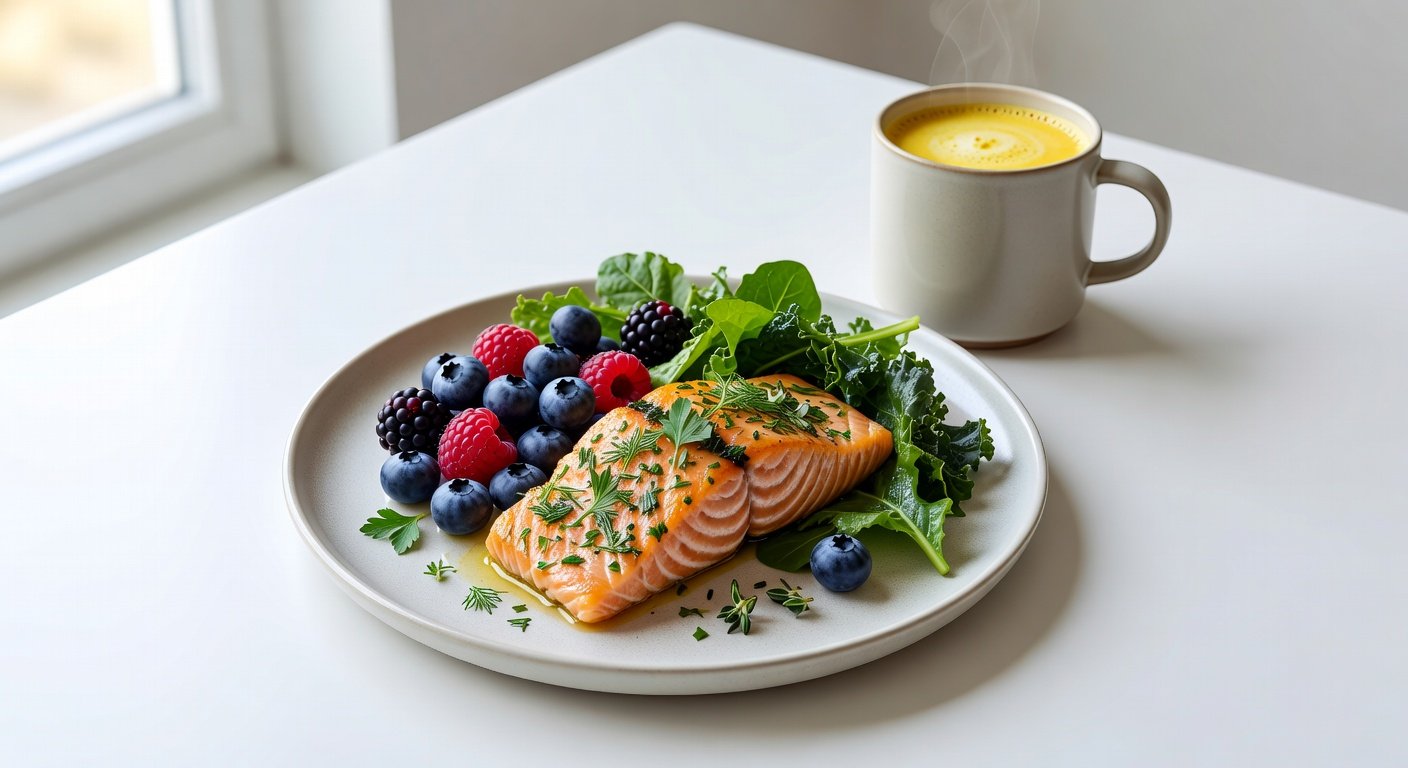
Apply intuitive portion guidance: fill half your plate with non-starchy vegetables, one-quarter with protein sources, and the remaining quarter with healthy fats or fiber-rich grains. Adjust ratios based on your activity level, age, and individual responses observed over several weeks of consistent eating.
Step-by-Step Recipe Templates with Full Examples
These adaptable templates allow complete personalization. Begin with a base, layer proteins and vegetables, incorporate toppings, and finish with a complementary sauce.
Breakfast Bowl Template and Sample Recipe
1. Select a creamy base such as Greek yogurt, overnight oats, or chia pudding.
2. Incorporate antioxidant-rich fruits like mixed berries or pomegranate seeds.
3. Add healthy fats including sliced avocado, almonds, or pumpkin seeds.
4. Enhance with spices such as cinnamon, turmeric, or fresh ginger.
5. Top with extras like hemp hearts or a light drizzle of raw honey.
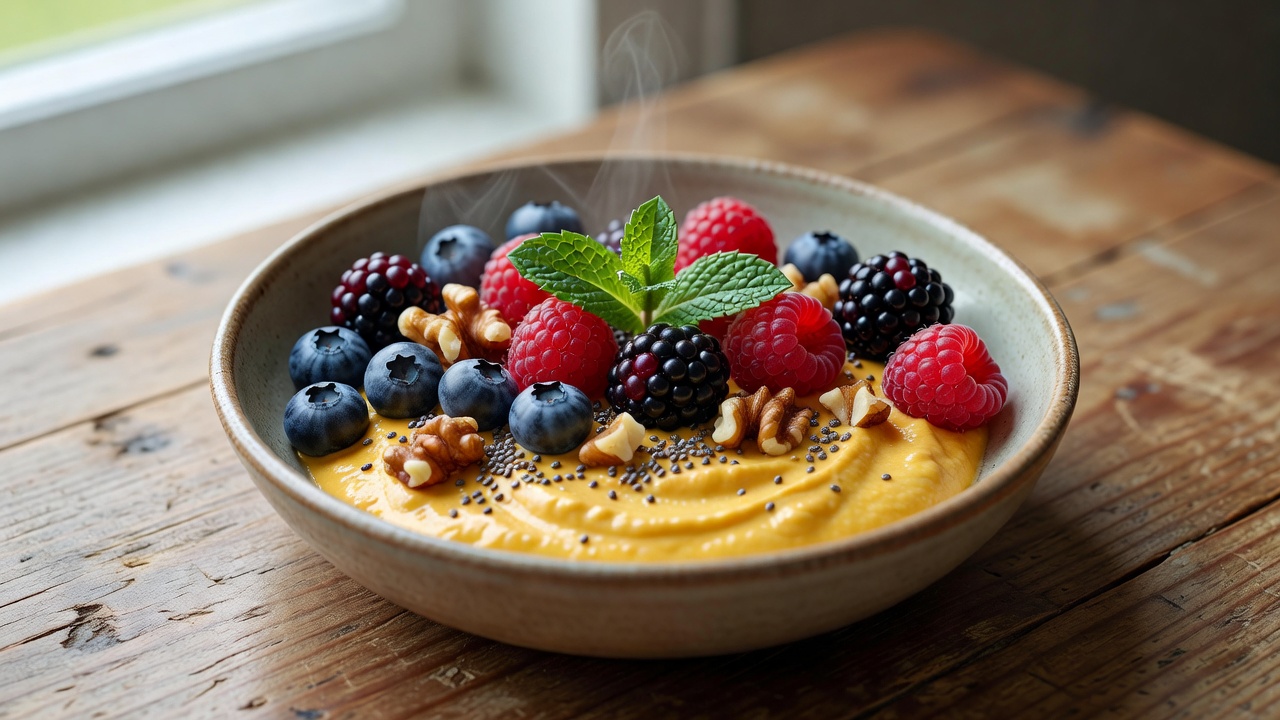
Sample recipe: Combine 1 cup plain Greek yogurt with ½ cup blueberries, 1 tablespoon chia seeds, ¼ teaspoon turmeric, and a sprinkle of cinnamon. Top with 10 walnuts and fresh mint. This delivers protein, fiber, and anti-inflammatory spices in under five minutes.
Dinner Stir-Fry Template and Sample Recipe
1. Choose a lean protein such as tofu, shrimp, or chicken breast.
2. Load with vegetables including broccoli, bell peppers, bok choy, and snap peas.
3. Build flavor with aromatics like minced garlic, ginger, and scallions.
4. Create a simple sauce using low-sodium tamari, rice vinegar, and toasted sesame oil.
5. Serve over cauliflower rice or quinoa for added fiber and volume.
Sample recipe: Stir-fry 4 ounces shrimp with 2 cups mixed vegetables, 1 teaspoon each of garlic and ginger, and 1 tablespoon tamari. Finish with a squeeze of lime and serve over 1 cup cauliflower rice. Ready in 15 minutes with maximum nutrient retention.
Modification Techniques for Dietary Restrictions
Recipes adapt easily across needs. For vegan adaptations, replace animal proteins with lentils, tempeh, or chickpeas and use coconut yogurt. Gluten-free individuals can rely on rice, quinoa, or roasted sweet potatoes. Those avoiding nuts can substitute pumpkin or sunflower seeds. Low-FODMAP followers may limit garlic and onions, opting instead for tolerated options like zucchini and carrots while preserving flavor with herbs.
Weekly Meal Planning and Shopping Strategies
Effective planning multiplies success. Dedicate one hour weekly to outline breakfasts, lunches, and dinners using the templates above. Create a master shopping list organized by produce, proteins, pantry staples, and spices. Batch-cook bases like roasted vegetables or cooked grains on weekends to streamline assembly. Store items properly—leafy greens in airtight containers with a paper towel to extend freshness up to five days.
Common vs. Optimized Version Comparisons
A typical breakfast of sugary cereal with milk often triggers inflammation through refined carbohydrates. The optimized alternative—a berry-chia yogurt bowl with turmeric and walnuts—provides sustained energy plus targeted anti-inflammatory compounds. Likewise, a conventional takeout stir-fry heavy in sugary sauces transforms into a homemade version emphasizing fresh vegetables and minimal oil, substantially reducing sodium and additives while boosting micronutrient intake.
Tracking Progress and Making Adjustments
Monitor results with a simple weekly journal noting energy levels, digestion, and any joint discomfort. After four weeks, reassess and adjust portions or introduce new ingredients such as adding more fatty fish or experimenting with golden milk lattes. Consult resources from authoritative sources like Mayo Clinic for additional insights on dietary patterns that support reduced inflammation.
FAQ: Substitutions, Portions, and Practical Concerns
- How do I substitute ingredients effectively? Replace salmon with sardines or ground flaxseeds for comparable omega-3 benefits. Use cauliflower rice in place of grains for lower carbohydrate options.
- What portion sizes work best? Rely on visual cues and hunger signals rather than strict weighing. Emphasize vegetable volume to naturally control calories while maximizing nutrients.
- Can these recipes be meal-prepped in advance? Yes—prepare components like chopped vegetables and cooked proteins separately, then combine fresh each day to preserve texture and flavor.
- How should I handle social eating situations? Bring a customized dish to gatherings or choose grilled proteins and salads when dining out, requesting dressings on the side.
- What if I experience digestive changes initially? Increase fiber gradually and stay hydrated; most adjustments stabilize within one to two weeks.
Conclusion
Customizing your anti-inflammatory diet through creative DIY recipes promotes both enjoyment and lasting success. By mastering ingredient selection, flavor balancing, macro integration, and flexible modifications, you develop meals tailored precisely to your needs. Begin with one or two templates this week, track your responses, and refine as you go. The benefits of reduced inflammation and improved vitality will compound over time. For further reading, visit National Institutes of Health and World Health Organization for evidence-based nutrition guidance.
No comments yet. Be the first!