 Func Eats
The Link Between Chronic Inflammation and Mental Health
Chronic inflammation plays a significant role in the development and worsening of mental health conditions such as anxiety, depression, and persistent brain fog. When the immune system remains activated over long periods due to factors like poor diet, stress, or lack of sleep, it releases inflammatory cytokines that can cross the blood-brain barrier. This process disrupts serotonin and dopamine production, impairs hippocampal function, and reduces neuroplasticity, leading to mood instability and cognitive difficulties. According to research highlighted by the National Institutes of Health, elevated levels of markers like interleukin-6 and C-reactive protein are frequently observed in individuals experiencing anxiety disorders and depressive symptoms.
An anti-inflammatory diet addresses these issues at their root by supplying the body with compounds that modulate immune responses, reduce oxidative stress, and support brain-derived neurotrophic factor (BDNF). This dietary pattern does not replace professional medical care but serves as a powerful complementary strategy that many people find improves mental clarity and emotional resilience within weeks of consistent adoption.
Evidence-Based Anti-Inflammatory Foods for Cognitive Support
Selecting the right ingredients is essential for maximizing benefits. The following foods have strong scientific backing for lowering inflammation while enhancing mood stability and cognitive performance:
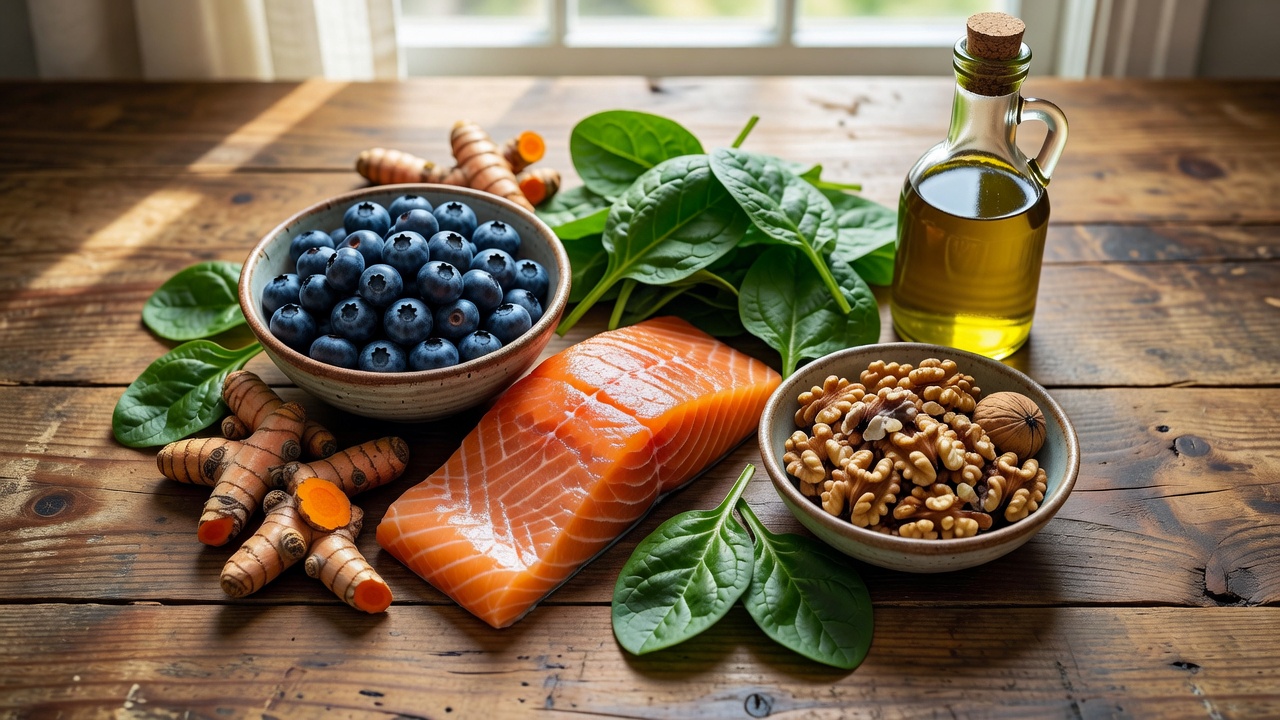
- Fatty fish such as salmon, mackerel, and sardines deliver high amounts of EPA and DHA omega-3 fatty acids that directly influence brain cell membrane fluidity and reduce pro-inflammatory eicosanoids.
- Berries, particularly blueberries, strawberries, and blackberries, contain anthocyanins and other flavonoids that cross the blood-brain barrier and protect neurons from oxidative damage.
- Leafy greens like spinach, kale, and Swiss chard provide folate, magnesium, and vitamin K, which support neurotransmitter synthesis and help regulate the stress response.
- Turmeric root and fresh ginger offer curcumin and gingerol, potent compounds that inhibit NF-kB pathways involved in inflammation.
- Nuts and seeds, including walnuts, almonds, flaxseeds, and chia seeds, supply alpha-linolenic acid, fiber, and polyphenols that promote gut-brain axis health.
- Extra virgin olive oil serves as an ideal primary fat source due to its oleocanthal content, which mimics the anti-inflammatory effects of ibuprofen.
- Additional supportive items include avocados, tomatoes, and green tea for their unique antioxidant profiles.
Resources from the Mayo Clinic emphasize incorporating these foods daily rather than relying on occasional consumption for meaningful results.
Three Inflammation-Fighting Recipes
These recipes are designed for simplicity, nutrient density, and flavor while delivering targeted anti-inflammatory benefits. Each includes step-by-step instructions and optional variations.
1. Blueberry Turmeric Smoothie
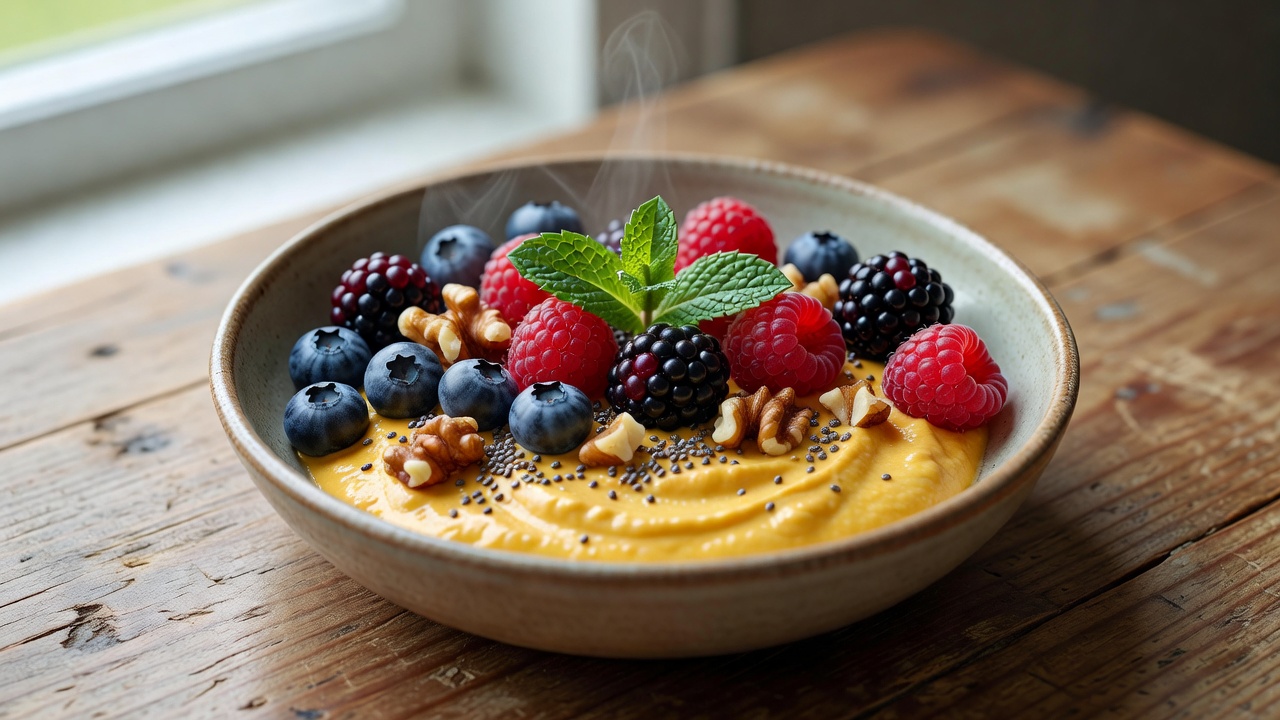
Ingredients for one large serving: 1 cup fresh or frozen blueberries, 1 ripe banana, 1 teaspoon ground turmeric, 1 tablespoon ground flaxseeds, 1 cup unsweetened almond milk, 1 large handful fresh spinach, and a pinch of black pepper to enhance curcumin absorption.
Preparation steps: Add all ingredients to a high-speed blender. Blend on high for 45-60 seconds until completely smooth and vibrant in color. Pour into a glass and consume immediately to preserve heat-sensitive nutrients. For a thicker texture, add a few ice cubes before blending. This smoothie works well as a quick breakfast or post-workout recovery drink.
2. Grilled Salmon Salad Bowl
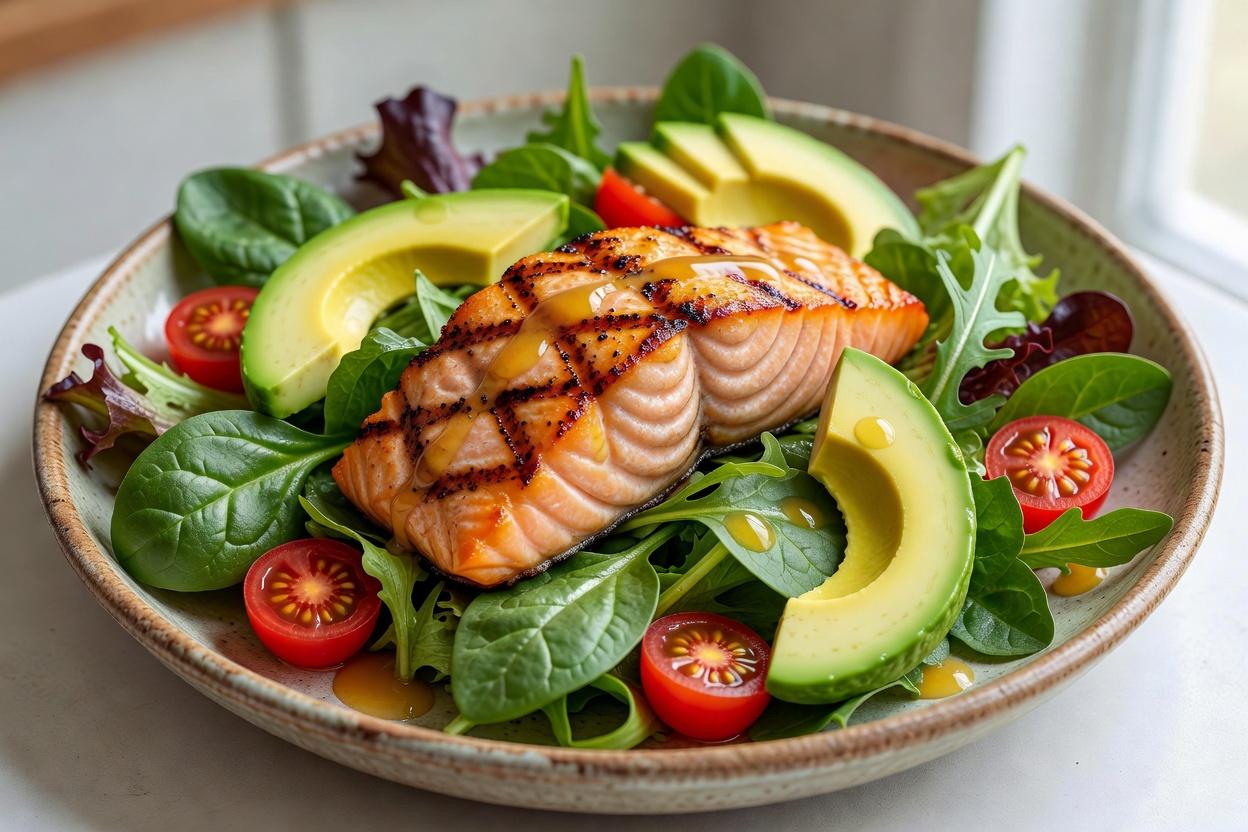
Ingredients for one serving: 4-5 ounces wild-caught salmon fillet, 3 cups mixed greens, half an avocado sliced, 8-10 cherry tomatoes halved, 1 tablespoon extra virgin olive oil, juice of half a lemon, 1 teaspoon freshly grated ginger, salt, and pepper to taste.
Preparation steps: Pat the salmon dry and season with salt and pepper. Grill or pan-sear over medium-high heat for 4-5 minutes per side until the internal temperature reaches 145°F. While the salmon cooks, assemble the greens, avocado, and tomatoes in a large bowl. Whisk together olive oil, lemon juice, and ginger to create the dressing. Flake the cooked salmon over the salad and drizzle with dressing just before serving.
3. Ginger Vegetable Lentil Soup
Ingredients for four servings: 1 cup dried green or brown lentils, 2 carrots diced, 2 celery stalks diced, 1 medium onion diced, 2 tablespoons fresh ginger minced, 1 teaspoon ground turmeric, 4 cups low-sodium vegetable broth, 2 cups fresh spinach, and olive oil for sautéing.
Preparation steps: Rinse lentils thoroughly. In a large pot, heat 1 tablespoon olive oil over medium heat and sauté onion, carrots, and celery for 5 minutes. Add ginger and turmeric, stirring for 1 minute until fragrant. Add lentils and broth, bring to a boil, then reduce to a simmer for 25 minutes until lentils are tender. Stir in spinach during the final 2 minutes. Season to taste and serve hot with a side of whole-grain bread if desired.
Daily Integration Tips and Sample Meal Plan
Successful long-term adherence begins with gradual changes rather than drastic overhauls. Aim to include at least three anti-inflammatory foods at every meal and two at each snack. Replace refined grains with quinoa or brown rice, use olive oil instead of butter, and choose water or herbal tea over sugary beverages. Track your intake for the first two weeks using a simple food journal to identify patterns and celebrate small wins.
Here is a practical one-day sample meal plan: Breakfast features the blueberry turmeric smoothie paired with a small handful of walnuts. Mid-morning snack includes Greek yogurt topped with strawberries and flaxseeds. Lunch centers on the grilled salmon salad bowl with added chickpeas for extra fiber. Afternoon snack consists of carrot sticks dipped in hummus seasoned with turmeric. Dinner involves the ginger vegetable lentil soup served over a bed of steamed kale with a drizzle of olive oil. Evening wind-down can include a cup of green tea.
Comparison: Anti-Inflammatory Diet vs. Standard Western Diet
The standard Western diet, rich in processed meats, refined sugars, and trans fats, promotes chronic low-grade inflammation through advanced glycation end products and imbalanced omega-6 to omega-3 ratios. In contrast, the anti-inflammatory approach prioritizes whole foods that actively lower inflammatory markers. Individuals who switch often report steadier energy levels, fewer mood swings, and improved focus within 3-6 weeks. Over months, this pattern may also support cardiovascular health and reduce the risk of neurodegenerative conditions, creating a more sustainable foundation for mental wellness than typical convenience-based eating patterns.
Common Mistakes to Avoid
Many beginners inadvertently limit results by making these errors: relying too heavily on supplements instead of food sources, neglecting portion control with calorie-dense items like nuts, or failing to stay hydrated, which impairs the body's natural detoxification processes. Another frequent issue involves inconsistent meal timing, which can spike cortisol and counteract anti-inflammatory efforts. Focus on whole-food preparation at home at least five days per week to maintain control over ingredients.
Frequently Asked Questions
How quickly can I expect results?
Many individuals notice subtle improvements in mental clarity and reduced anxiety within 2-4 weeks, with more pronounced benefits appearing after 6-8 weeks of consistent adherence.
Is this diet suitable for beginners?
Absolutely. Start by swapping one processed item daily with a whole-food alternative and gradually expand your repertoire using the recipes above.
Can supplements replace whole foods?
Whole foods deliver synergistic nutrients that supplements cannot fully replicate. Supplements may provide support but perform best when paired with dietary changes; always consult a healthcare provider before starting any regimen.
Are there any foods I should strictly avoid?
Limit or eliminate ultra-processed snacks, sugary drinks, and excessive red meat to prevent counteracting the diet's benefits.
Conclusion
Embracing an anti-inflammatory diet offers a practical, evidence-supported pathway to better mental health by directly targeting the inflammatory processes linked to anxiety and brain fog. The foods, detailed recipes, meal planning strategies, and avoidance tips provided here give you everything needed to begin immediately and sustain progress over time. For additional authoritative guidance, consult resources from the World Health Organization and the Centers for Disease Control and Prevention.
No comments yet. Be the first!