 Func Eats
Introduction: Why Anti-Inflammatory Diet Myths Persist in 2026
The anti-inflammatory diet continues to attract widespread interest as people seek ways to support long-term wellness and manage everyday discomfort. Despite growing access to research, numerous misconceptions remain prevalent across social media, wellness blogs, and even some mainstream health articles. These myths often arise from oversimplified summaries of complex studies, leading individuals to follow rigid rules that may not align with current evidence. In this comprehensive 2026 review, we draw on the latest scientific understanding to clarify what works, what does not, and how readers can develop realistic, sustainable eating patterns that truly support reduced inflammation over time.
Debunking Oversimplified Food Lists
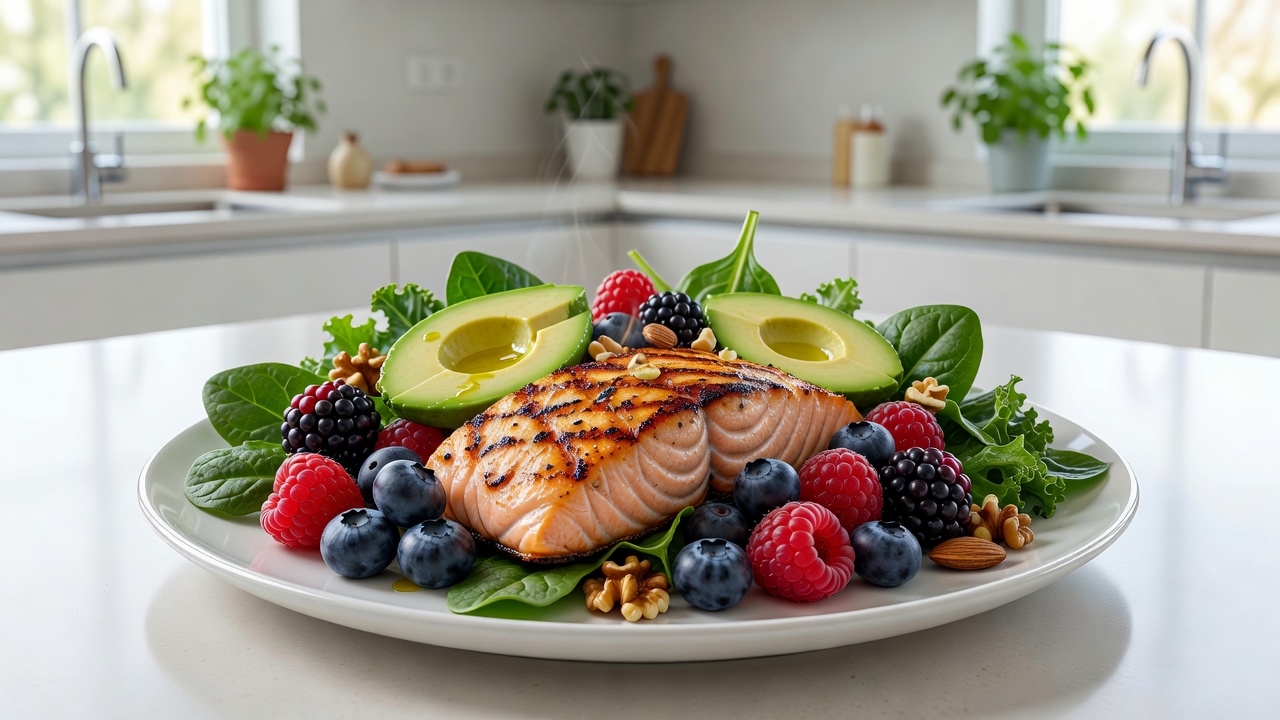
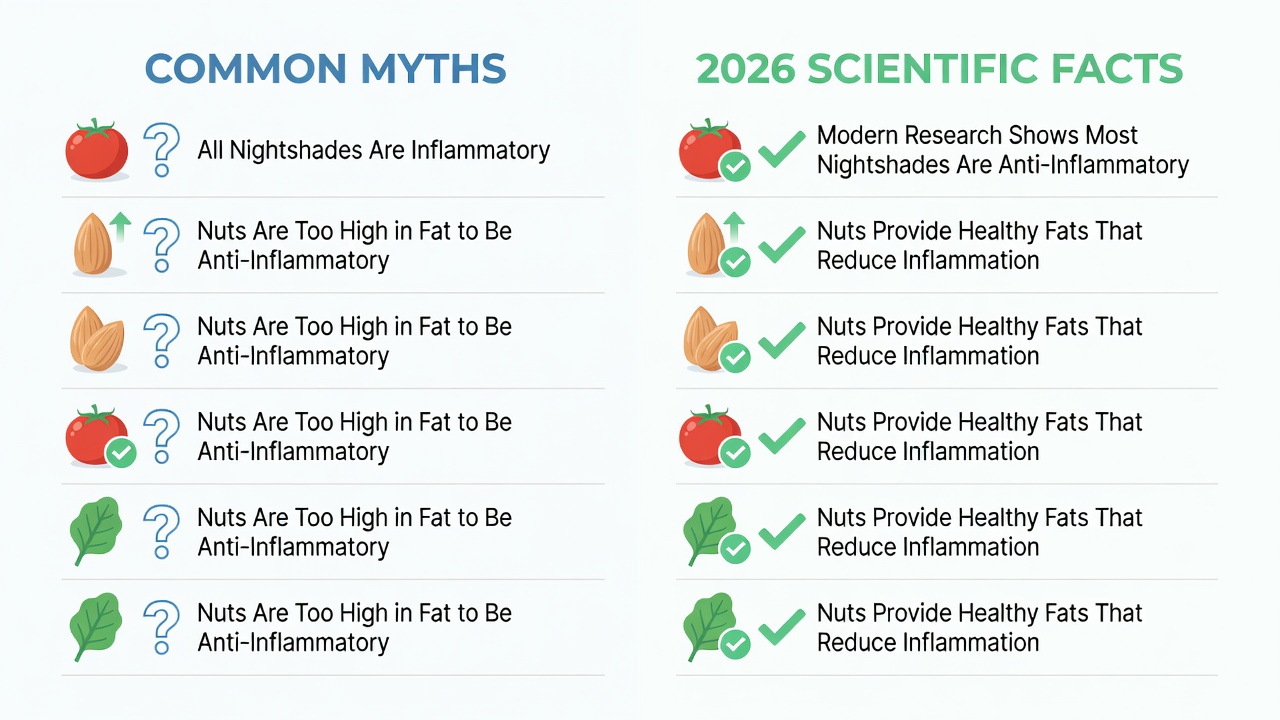
A persistent myth suggests that entire categories of foods must be completely avoided because they are inherently inflammatory. Nightshade vegetables such as tomatoes, peppers, and eggplant are frequently singled out, yet large-scale observational data show that most people experience no negative effects from moderate consumption within a varied diet. Similarly, blanket claims labeling all dairy as inflammatory overlook that fermented options like yogurt and kefir can actually support gut health and lower certain inflammatory markers in individuals without lactose intolerance. The reality is that inflammatory responses are highly individual and influenced by overall dietary patterns, genetics, and lifestyle factors rather than single ingredients. Instead of elimination lists, evidence favors focusing on increasing intake of protective foods such as leafy greens, berries, fatty fish, nuts, and olive oil while maintaining balance and enjoyment in meals. Real-world examples include people who removed tomatoes unnecessarily for months only to discover through food journaling that their symptoms were tied more to stress and lack of sleep than to any specific vegetable.
Supplements Versus Whole Foods: Clarifying the Roles
Another widespread misconception is that concentrated supplements can serve as complete substitutes for the nutrients found in whole foods. While compounds like omega-3 fatty acids from fish oil have demonstrated benefits in controlled trials for reducing certain inflammatory markers, the combination of fiber, antioxidants, and polyphenols present in actual foods creates synergistic effects that isolated pills cannot replicate. National Institutes of Health materials consistently highlight that whole-food sources provide a broader spectrum of supportive compounds. For instance, consuming salmon delivers not only omega-3s but also high-quality protein and vitamin D, whereas a supplement offers only the isolated fatty acids. Supplements may be appropriate in cases of diagnosed deficiencies confirmed by bloodwork, but they function best as targeted additions rather than replacements. A practical example involves someone taking high-dose curcumin capsules without dietary fat, resulting in poor absorption; pairing the same compound with a meal containing avocado or olive oil dramatically improves bioavailability and effectiveness.
Portion Size and Timing Myths
Claims about precise meal timing or portion sizes required to fight inflammation often lack robust support from long-term human studies. Intermittent fasting schedules are sometimes presented as mandatory for lowering inflammation, yet research indicates that consistent food quality and total nutrient intake matter far more for most healthy adults than specific eating windows. Likewise, assertions that anti-inflammatory foods must be eaten only during certain hours of the day to align with circadian rhythms remain largely theoretical and unproven in large populations. Sustainable success comes from establishing regular, balanced meals that include a mix of protein, healthy fats, and fiber-rich carbohydrates throughout the day. Individuals who fixate on exact portions frequently abandon the approach due to rigidity, whereas those who emphasize variety and mindful eating tend to maintain habits longer with measurable improvements in energy and digestion.
Real-World Examples of Misinterpreted Studies
Many popular myths originate from headlines that exaggerate early or limited research findings. A widely discussed turmeric study, for example, was misinterpreted to imply that supplemental curcumin alone could reverse chronic inflammation in anyone; the original work actually stressed the need for combining it with dietary fat and piperine from black pepper within the context of an overall balanced diet. Another case involves early gluten-related research that some readers generalized to conclude gluten causes inflammation universally, when the study population was limited to those with diagnosed celiac disease or non-celiac gluten sensitivity. A third example concerns isolated observations about seed oils; sensational coverage suggested complete avoidance, while the underlying data pointed to the importance of replacing highly processed oils with whole-food fats rather than total elimination. These instances demonstrate how missing study context, participant details, and limitations leads to oversimplified public advice that fails when applied broadly.
Step-by-Step Guide to Evaluating New Diet Trends
- Identify the original source and verify whether it is a peer-reviewed journal or an official health organization rather than influencer content or clickbait headlines.
- Distinguish between human clinical trials, animal studies, and laboratory research, giving strongest weight to well-designed human trials with diverse participants.
- Examine sample size, study duration, and potential conflicts of interest before accepting broad recommendations.
- Consider personal medical history, existing conditions, and medications, then consult a registered dietitian or physician before implementing major dietary shifts.
- Track objective markers such as energy levels, joint comfort, digestion, and sleep quality over a minimum of four to six weeks instead of expecting instant dramatic changes.
- Compare the new trend against established guidelines from authoritative bodies to determine whether it adds value or simply repackages existing advice.
Mistakes to Avoid When Adopting Anti-Inflammatory Eating
Common pitfalls include attempting to overhaul every meal simultaneously, which often leads to burnout and inconsistent adherence. Another frequent error is relying solely on supplement stacks without addressing overall diet quality or lifestyle factors such as physical activity and stress management. Individuals sometimes misinterpret short-term water weight changes as inflammation reduction and abandon approaches prematurely. To avoid these issues, start with small, repeatable changes such as adding one extra serving of vegetables daily or swapping processed snacks for nuts and fruit. Building habits gradually supports long-term success and allows clearer observation of what truly benefits each person.
FAQ: Practical Implementation Questions
How quickly can someone notice benefits from an anti-inflammatory eating pattern?
Responses vary widely based on starting health status and consistency, but many individuals report noticeable improvements in energy, digestion, and morning stiffness within two to four weeks. Objective reductions in inflammatory markers are usually assessed through blood tests after eight to twelve weeks of sustained dietary changes.
Is it necessary to eliminate entire food groups?
Current evidence supports moderation and dietary variety rather than complete removal of food groups unless a specific medical diagnosis such as celiac disease, severe allergy, or confirmed intolerance exists. Personalized testing with a healthcare professional provides the clearest guidance.
Can an anti-inflammatory diet help with exercise recovery?
Incorporating antioxidant-rich foods and omega-3 sources alongside adequate protein supports recovery processes, though results are optimized when combined with sufficient sleep, hydration, and progressive training rather than diet alone.
How does stress influence the effectiveness of an anti-inflammatory diet?
Chronic stress elevates cortisol and can counteract dietary efforts to lower inflammation. Combining balanced eating with stress-reduction practices such as walking, meditation, or adequate rest produces more consistent outcomes than diet changes in isolation.
What role does sleep play in supporting reduced inflammation?
Quality sleep regulates inflammatory pathways and hormone balance. People who pair an anti-inflammatory eating pattern with seven to nine hours of consistent nightly rest often experience greater overall benefits than those focusing on nutrition exclusively.
Conclusion: Building Sustainable Habits
By prioritizing whole-food patterns over rigid rules, understanding the supportive rather than replacement role of supplements, and critically assessing new trends with evidence-based steps, readers can move past hype toward lasting wellness strategies. The most effective anti-inflammatory approach remains a balanced, enjoyable way of eating that fits individual needs, preferences, and daily life. Mayo Clinic and World Health Organization continue to publish updated resources grounded in ongoing research for those seeking reliable guidance in 2026 and beyond. Start with one or two manageable changes this week, track your response, and adjust gradually for results that endure.

No comments yet. Be the first!